
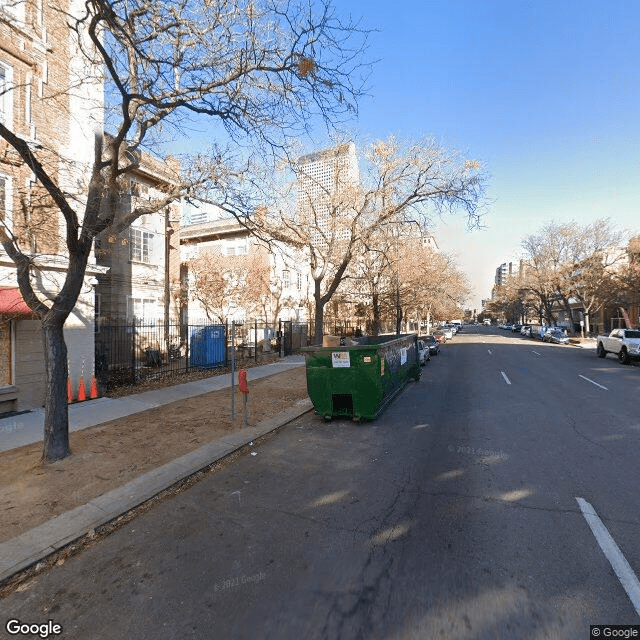
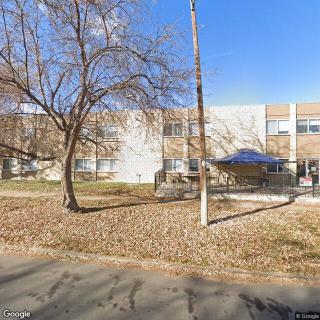
6000 Freedom Square Dr, Independence, OH 44131
To contact a resident: (216) 496-5990
For more information about senior living options: (866) 208-4318
The Argonaut El Tovar Costs & Pricing
The Argonaut El Tovar offers a range of accommodation options at competitive prices when compared to Cuyahoga County and the broader state of Ohio. For a studio apartment, residents can enjoy a monthly rate of $567, significantly lower than the county's average of $3,632 and the state's average of $3,727. A one-bedroom unit is also attractively priced at $748, in stark contrast to Cuyahoga County's average of $3,410 and the state average that edges up to $3,712. However, for those seeking private accommodations, the cost at The Argonaut jumps to $3,000, which still falls below both Cuyahoga County's average rent of $4,004 and Ohio's higher statewide average of $4,771. This pricing structure positions The Argonaut El Tovar as an appealing choice for potential renters looking for affordable living in comparison to surrounding areas.
| Floor plans | The Argonaut El Tovar | Cuyahoga County | Ohio |
|---|---|---|---|
| Studio | $567 | $3,632 | $3,727 |
| 1 Bedroom | $748 | $3,410 | $3,712 |
| Private | $3,000 | $4,004 | $4,771 |
Senior living communities with a similar price nearby
-
from -$22 / mo
Kentucky Circle Village
$545 / month4.0 miles away -
from -$39 / mo
Columbine Village at Arvada
$528 to $631 / month6.4 miles away -
from +$84 / mo
Liggins Tower
$651 to $813 / month3.4 miles away -
About the same
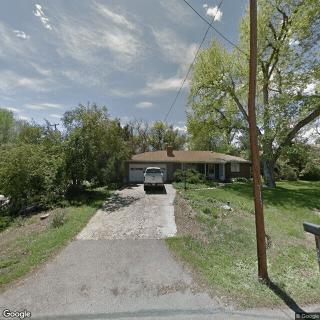
Senior Villa
$575 to $675 / month7.7 miles away -
from +$30 / mo
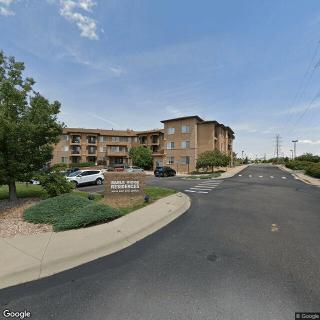
Sable Ridge Apartments
$597 to $720 / month9.4 miles away
Overall Review of The Argonaut El Tovar
Pros
 The staff are caring and handle their duties with grace.
- Roy provided prompt attention and fixed the toilet quickly.
- The management team is nothing short of amazing and truly cares for residents.
- The residents are very kind to newcomers.
- The community at Argonaut/El Tovar Apts is something to look forward to.
- Issues are promptly addressed by the management and maintenance teams.
- The staff deliver excellent customer service.
Cons
 The property has ongoing problems with laundry machines, vending machines, plumbing, drafts, critters, vandals, vagrants, crime in the area, noise, secondhand cigarette smoke, and security concerns.
- The building is infested with mice, cockroaches, and bedbugs.
- It has been described as a roach bed bug hotel.
- The box springs were infested when a resident moved out.
- Emergency exits are propped open for homeless friends, compromising safety.
- Security is inadequate.
Review
The Argonaut El Tovar is best suited for budget-minded seniors who want affordable independent living and are prepared to accept a hands-on, sometimes rough-edged environment. The property appears to target residents aged 62 and older, offering lower rent through affordable housing channels while relying on onsite management and maintenance staff to keep things functional. This is not a luxury or polished-amenities setting; it is a practical, cost-conscious option for those who can tolerate maintenance quirks, security concerns tied to the surrounding area, and a community atmosphere that can be both cooperative and volatile. Families should consider alternatives if prioritizing pristine facilities, high-level security, or predictable pest-free living is essential. For residents who value a straightforward, low-cost residence with responsive staff and a sense of belonging, the Argonaut El Tovar can be appealing, provided realistic expectations are set from the outset.
The strongest positives live in the caregiving effort and the maintenance responsiveness. Several reviewers highlight caring managers and staff who take duties seriously, and there are concrete examples of quick maintenance responses that resolve problems in a timely manner. The onsite team, including named individuals in the local leadership, is described as tough but genuinely attentive to residents’ needs, and the presence of a reliable emergency-response mindset is valued by those who rely on quick fixes. Another clear upside is the sense of community among residents and the willingness of staff to address concerns as they arise. In an affordable-housing context, these interpersonal strengths can make a meaningful difference in daily life, helping residents feel seen and supported even when the physical environment presents challenges.
However, the drawbacks are substantial and not easily outweighed. The property struggles with serious pest and infrastructure issues, infestations of mice, cockroaches, and bedbugs, coupled with plumbing faults and a history of clogged toilets and other maintenance frictions. Complaints extend to the building’s amenities, including unreliable laundry and vending machines, drafts, and ongoing noise. The safety picture is further clouded by neighborhood crime activity, the presence of vagrants and vandals, secondhand cigarette smoke, and security concerns tied to doors being propped open for outsiders. The combination of pests, health-hazard implications, and security risks creates a persistent stressor on daily life that persists despite the best intentions of staff and management.
These major cons do not vanish simply because staff care exists. The affordability angle is a meaningful offset for those who value low occupancy costs and a basic living environment, but it cannot fully compensate for chronic pest problems, cleanliness challenges, and safety doubts. When staff addresses issues promptly, the improvement is real, but it tends to be episodic rather than systemic. The dynamic among residents can be mixed: some participants convey appreciation for the responsible management and room-to-participate in community improvements, while others describe a culture of blaming and tension that undermines cohesion. In practical terms, the price paid for affordability includes a higher likelihood of ongoing maintenance gaps, pest exposure, and a sense that safety and comfort require ongoing negotiation.
Families and seniors weighing options should be explicit about when to stay and when to explore alternatives. If prioritizing a stable, clean, and secure environment with predictable pest control and modern conveniences, other communities, especially those with higher service levels or newer construction, are likely a better fit. For those who want to stay in a cost-conscious model and can tolerate periodic pest remediation, more variable security, and occasional maintenance delays, the Argonaut El Tovar may suffice, particularly with a proactive commitment from management to address issues and a cooperative resident base willing to hold the line on basic standards. The decision hinges on balancing budget with essential quality markers: pest-free living, reliable safety, clean common areas, and consistent maintenance response.
Practical next steps are essential for anyone seriously considering this community. Insist on a written pest-control and remediation plan with defined timelines, and request a clear schedule for regular cleaning and upkeep of shared spaces and laundry facilities. Seek a detailed security plan, including how emergency exits are monitored, who has access to keys, and how incidents near the property are reported and mitigated. Require a recent, documented maintenance log and a plan for upcoming capital improvements that address core infrastructure. Schedule conversations with current residents about their day-to-day experience, and tour at different times to gauge noise, security, and cleanliness firsthand. Finally, compare total housing costs against nearby alternatives with stronger pest management, security, and newer facilities to ensure a choice that aligns with long-term health, safety, and quality of life priorities.
 Active Adult Communities (55+)
 Cats allowed
 Dogs allowed
 Bath tubs
 Indoor common areas
 Wheelchair accessible showers
 Denver International (19 miles away)





 Managing Nursing Home Expenses After Medicare Coverage Ends
 Is a Geriatric Care Manager the Right Choice for Your Family?
 Compassionate Conversations: How to Comfort Someone Who Is Grieving