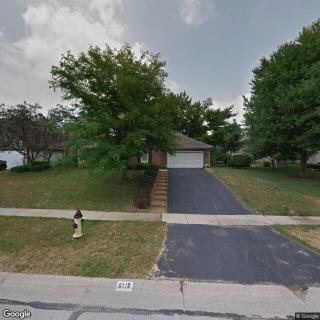
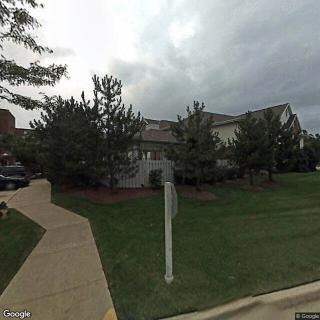
1125 Clarion Avenue, Holland, OH 43528
For more information about senior living options: (866) 208-4318
Overall Review of Astor House
Pros
 The staff were accommodating.
- The building, though older, was kept up well.
- They answered all questions and took care of the resident.
- The staff at Astor House were friendly and treated residents well.
- The therapy department took the time to work with residents.
- The facility had a homey feel and was very friendly.
- There were lots of activities and things to do.
- Three meals a day were served.
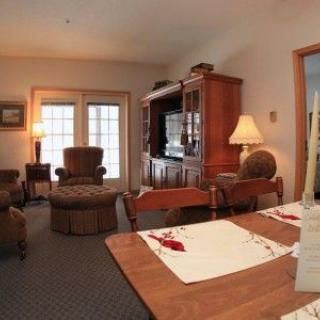
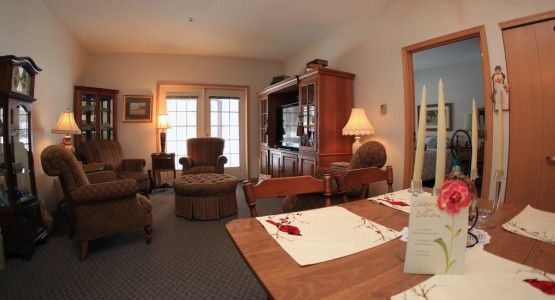
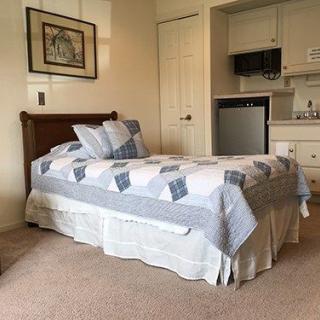
- The setting included a mock apartment with a kitchen, bathroom, common area, and bedroom.
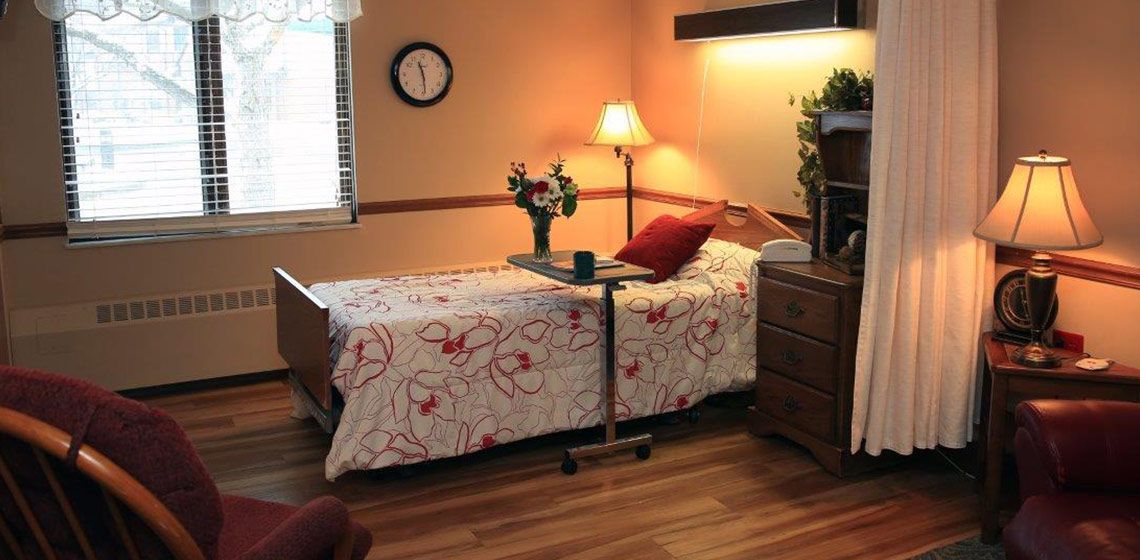
- The room included a window overlooking a garden.
- The atmosphere was amicable, and the staff were knowledgeable, competent, and hardworking.
- The reviewer would highly recommend the community for placing a friend, parent, or grandparent in an assisted living setting.
Cons
 The nurses on the night shift did not care much.
- A nurse could not be found in the facility for over an hour when pain medications were needed.
- The uncaring nurses still gave her tap water despite requests for the family’s water.
- No one had given her any water for over 12 hours.
- There was a disturbing attitude among some staff, with a lack of respect and manipulation to suit their convenience.
- Getting a working phone in her room took weeks, and the owner/director never followed up.
- The food was disgusting and of low quality for the price.
- A persistent odor was present in the community, especially near the common area.
Review
Astor House in Holland is best suited for families that want a genuinely personable, home-like assisted-living environment and can football-quietly supervise day-to-day care. The strongest draws are friendly frontline staff and a therapy program that seems to engage residents rather than treat rehabilitation as a checkbox. The living spaces resemble apartment-style setups, with the option of a private bedroom and kitchen-like milieu, and meals delivered three times daily. For families who can stay involved and insist on consistent communication, Astor House can deliver reliable, attentive interactions and a therapy team that makes time for residents. The overall tenor is practical, unpretentious care rather than glossy luxury, with straightforward expectations about daily routines.
Those who should consider alternatives are families needing constant, flawless nursing oversight or consistently high-quality dining and facility upkeep without active advocacy. The review notes include episodes of delayed relief for pain management, night-shift gaps in attention, and a sense that some staff attitudes can undermine care. A hospice case highlights how critical timely nursing response is, and the persistence of administrative delays, such as slow follow-through on basic setup requests, can erode confidence. In short, when medical oversight needs are heavy or care needs are volatile, this setting becomes riskier unless a highly engaged family partner is present.
On balance, the positives, courteous staff, the therapy department’s patient engagement, and a homey, mid-size atmosphere with predictable meal routines, offer meaningful compensation for many residents. The staff’s willingness to accommodate and the perception of competent therapy support can help maintain function and dignity, especially for those who can participate in care planning and daily decisions. The apartment-like vibe and available meals contribute to a sense of independence and normalcy that many seniors prize. Yet these strengths do not fully offset the main drawbacks when care quality appears uneven, or when basic daily needs must be championed by family members to ensure that attention remains consistent.
Decision-making hinges on risk tolerance for staffing variability and the value placed on advocacy. For residents who thrive with warm, approachable staff and benefit markedly from structured therapy, Astor House offers a solid, practical home base. For others, particularly those who cannot supervise care or who require rapid responses to medical or hydration needs, a higher-visibility nursing program and more predictable administrative follow-through may be essential. The reviews suggest that while care can be attentive, it is not uniformly reliable across shifts, and that expectation-setting with administration should be a non-negotiable part of the onboarding process.
Prospective movers should conduct targeted, disciplined due diligence. Observe staffing and response times during evenings and weekends, and interview frontline caregivers about how concerns are escalated and resolved. Request current resident feedback on daily routines, meals, and hydration practices, and ask administrators about mechanisms for accountability and continuous quality improvement. Clarify how often care plans are reviewed and who has final say in urgent decisions. These steps help determine whether the facility’s warmth and therapy strengths can be sustained without constant family supervision, or if a more consistently regulated environment is required.
In the end, Astor House offers a pragmatic, community-focused choice for families prioritizing warmth, accessible therapy, and a straightforward daily rhythm, paired with an expectation of active involvement. It is less compelling for those who demand unwavering nursing consistency, rapid pain control, or a dining and upkeep standard that does not rely on family oversight. When comparing options, nearby Spring Meadows Senior Community stands out in these notes as an alternative with a homey feel, active programming, and robust staffing, though no community is perfect. The right decision will balance the value of personal engagement, therapy-driven care, and the capacity to ensure steady, responsive daily support.
 61 resident community capacity
 Assisted Living
 Skilled Nursing Facility
 Air-conditioning
 Beauty salon
 Cable or satellite TV
 Computer center
 Dining room
 Fitness room
 Fully furnished
 Gaming room
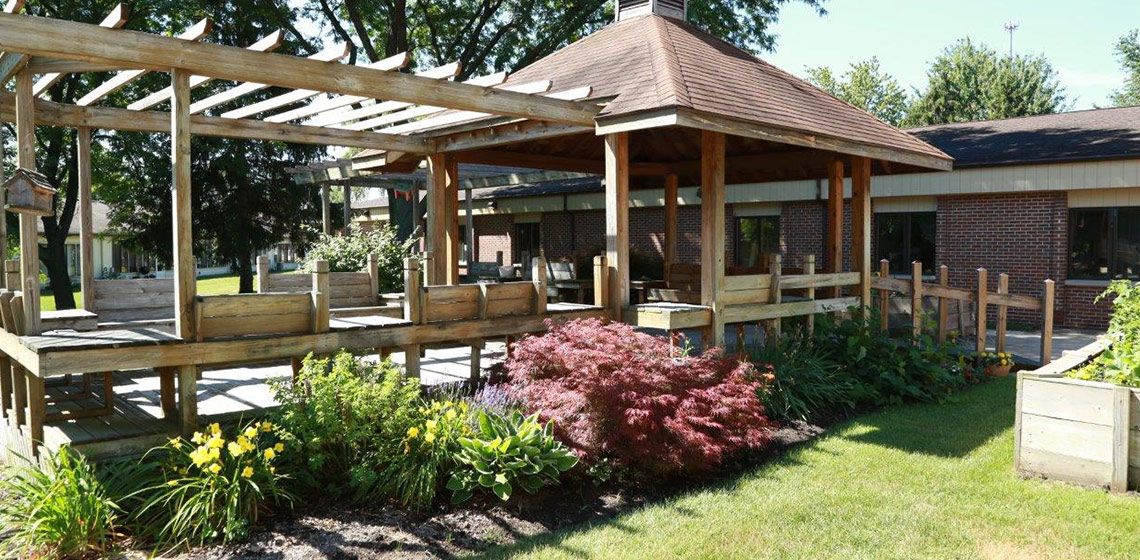
 Garden
 Housekeeping services
 Kitchenette
 Move-in coordination
 Outdoor space
 Private bathrooms
 Restaurant-style dining
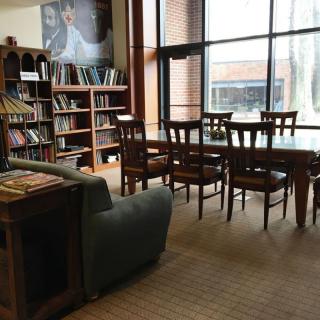
 Small library
 Telephone
 Wellness center
 Wi-Fi/high-speed internet available
 Toledo Express (6 miles away)
 Community operated transportation
 12-16 hour nursing
 24-hour call system
 Activities of daily living assistance
 Assistance with bathing
 Assistance with dressing
 Assistance with transfers
 Diabetes diet
 Medication management
 Mental wellness program
 Special dietary restrictions
 Concierge services
 Planned day trips




 Securing Financial Support for Assisted Living: A Comprehensive Overview
 Social Security Benefits and Assisted Living: Navigating Options Across the U.S.
 An Extensive Exploration of the VA Aid and Attendance Benefit