








3615 Glacial Lane, Grove City, OH 43123
For more information about senior living options: (866) 208-4318
Overall Review of Grove City Danbury
Pros
 Tasha treats visitors like the CEO of a major corporate organization.
- Meghan, the Executive Director, is professional and personable.
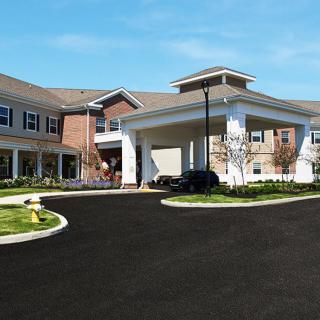
- The facility is spotless and inviting.
- The entire staff is outstanding and a pleasure to deal with.
- The memory care unit offers engaging daily activities and top-notch nursing care.
- The leadership team is excellent, very accessible, and eager to help.
- Nurses and caregivers are kind, supportive, and care about residents’ quality of life.
- The facility is highly recommended by families as a superb placement.
Cons
 Things have been absolutely horrible since Traditions bought them out.
- They forced his father into memory care and hiked the monthly cost by about $2,000.
- They unplugged his CPAP machine and failed to maintain it.
- They kept him behind locked doors and refused to provide foods he could actually eat.
- The nurses and aides sit around watching TV and playing on their personal cell phones instead of caring for residents.
- They removed his automatic wheelchair and hid it from him without informing him.
- They did not administer prescribed medications and had no records of the doses given.
- They charged over $6,000 per month to do absolutely nothing, with no supervision or accountability for negligence.
Review
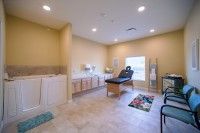
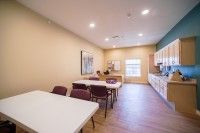
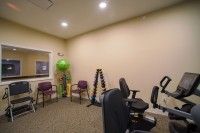
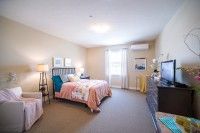
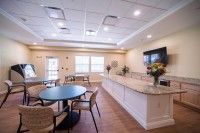
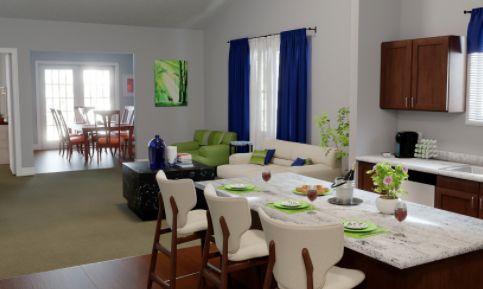
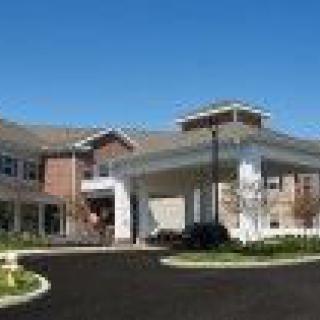
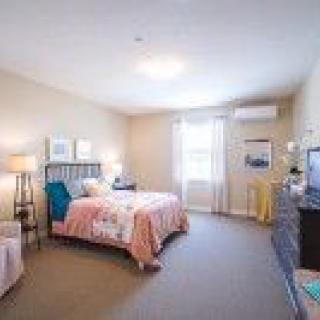
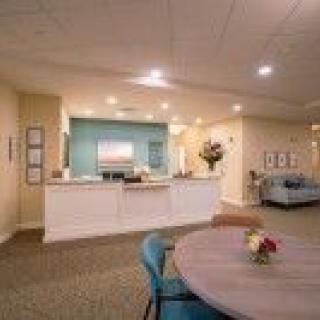
Grove City Danbury, operating under Traditions Grove City, is best suited for families seeking a polished, memory-care–forward community where cleanliness, hospitality, and an accessible leadership presence set the tone. The campus presents a bright, well-kept environment with inviting common areas, spacious memory-care spaces, and a calendar of daily activities designed to keep residents engaged. When tours reveal a team that is responsive to questions and a front-desk culture that treats families as partners, it signals a place that can support a loved one who benefits from steady oversight and a warm, welcoming atmosphere. In short, this community tends to deliver the core expectations: a safe, attractive setting, visible managerial engagement, and a program built around social connection and daily structure.
That said, there are reasons some families should consider alternatives. The most cautionary tale comes from a family alleging a sharp decline after the ownership shift, including a forced move into memory care, medication lapses, and meals that did not consider dental needs. While that account represents an extreme outlier in a broader pool of reviews, it underscores what can go wrong when accountability and supervision falter. Prospective residents should scrutinize governance, demand transparent reporting, and verify adherence to best practices in medical administration and wound care. If trust in management is questionable or the tempo of problem resolution feels slow, comparing with other nearby communities that demonstrate a steadier, independent review track record is prudent.
On the positive side, reviewers repeatedly praise the staff’s warmth and professionalism. Caregivers are described as kind and attentive, nursing care as solid, and leadership as accessible and responsive. The facility’s cleanliness and beauty are consistently highlighted, along with a memory-care program that emphasizes planned daily interactions and meaningful engagement. Food quality is frequently described as good to excellent, a factor that directly contributes to overall well-being and satisfaction for residents. Taken together, these elements create a foundation where residents can experience dignity, safety, and social belonging in a thoughtfully designed environment.
The objections cluster around a subset of experiences that raise legitimate red flags for risk-aware families. The most serious concerns pertain to the post-acquisition period, with allegations of inadequate medication administration, lack of support for a CPAP device, and perceived restrictions tied to locked doors. Additional complaints cover basic wound care gaps, unattended bathroom needs, and routine room maintenance issues. The price point, well over six thousand dollars per month, amplifies the impact of these alleged failures in the eyes of families who expect a higher level of care for premium pricing. These are grave claims that demand verifiable responses and concrete improvements, not just assurances, before placing ongoing guardianship in the hands of a single team.
How the positives offset the negatives depends heavily on governance and day-to-day discipline. When leadership remains visible, staff are properly supervised, and care plans are executed with discipline, the campus can offset the risk implied by the negative report. For memory care, the strongest signal is consistent medication administration, timely health monitoring, and proactive engagement in daily routines. Prospective residents should request recent quality-assurance metrics, tour the memory-care wing at different times, and ask for concrete examples of care plans and incident follow-ups. A candid dialogue about accountability, staffing levels, and the process for addressing family concerns will reveal whether the positives are durable or merely aspirational.
Bottom line: this community is a solid option for families prioritizing a bright, well-maintained memory-care environment with a robust social calendar and accessible leadership, provided there is clear verification of ongoing, meticulous care practices. It is not the ideal fit for those who cannot tolerate potential lapses in medical administration or who require ironclad accountability, especially in light of the more severe post-acquisition allegations. Before deciding, prospective residents should visit during peak activity, meet the Executive Director and head nurse, and compare with nearby communities that publish transparent performance metrics. With diligent due diligence and clearly stated expectations, this campus can match a resident’s needs, the key is to ensure the right safeguards are in place and that alternatives are actively considered for any heightened risk tolerance.
 21 resident community capacity
 Assisted Living
 Independent Living
 Memory Care
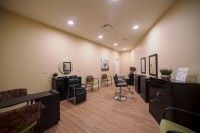
 Beauty salon
 Cable or satellite TV
 Dining room
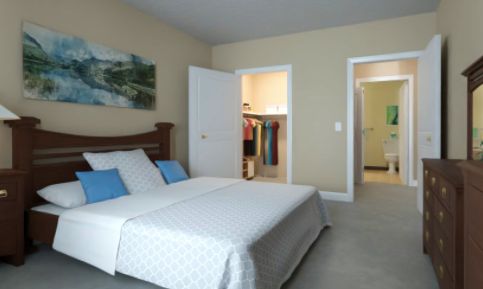
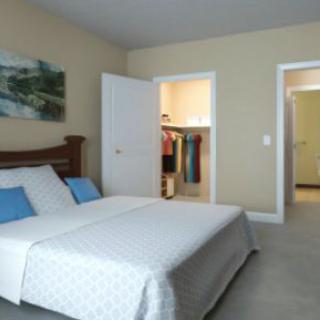
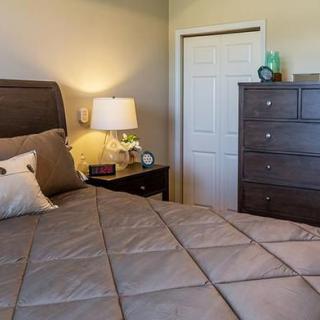
 Fully furnished
 Garden
 Housekeeping services
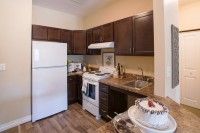
 Kitchenette
 Move-in coordination
 Outdoor space
 Restaurant-style dining
 Spa
Spa Telephone
 Wi-Fi/high-speed internet available
 John Glenn Columbus International Airport (13 miles away)
 24-hour call system
 Activities of daily living assistance
 Assistance with bathing
 Assistance with dressing
 Assistance with transfers
 Diabetes diet
 Hospice waiver
 Medication management
 Mental wellness program
 Special dietary restrictions
 Transportation arrangement (medical)
 Transportation to doctors appointments




 8 Key Indicators That Suggest It May Be Time to Transition from Assisted Living to Skilled Nursing Care
 Nourishing the Mind: Essential Dietary Approaches for Dementia
 Understanding Dementia Behaviors: Practical Insights and Strategies for Caregivers