



3615 Glacial Ln, Grove City, OH 43123
To contact a resident: (614) 957-0029
For more information about senior living options: (866) 208-4318
Danbury Senior Living Grove City Costs & Pricing
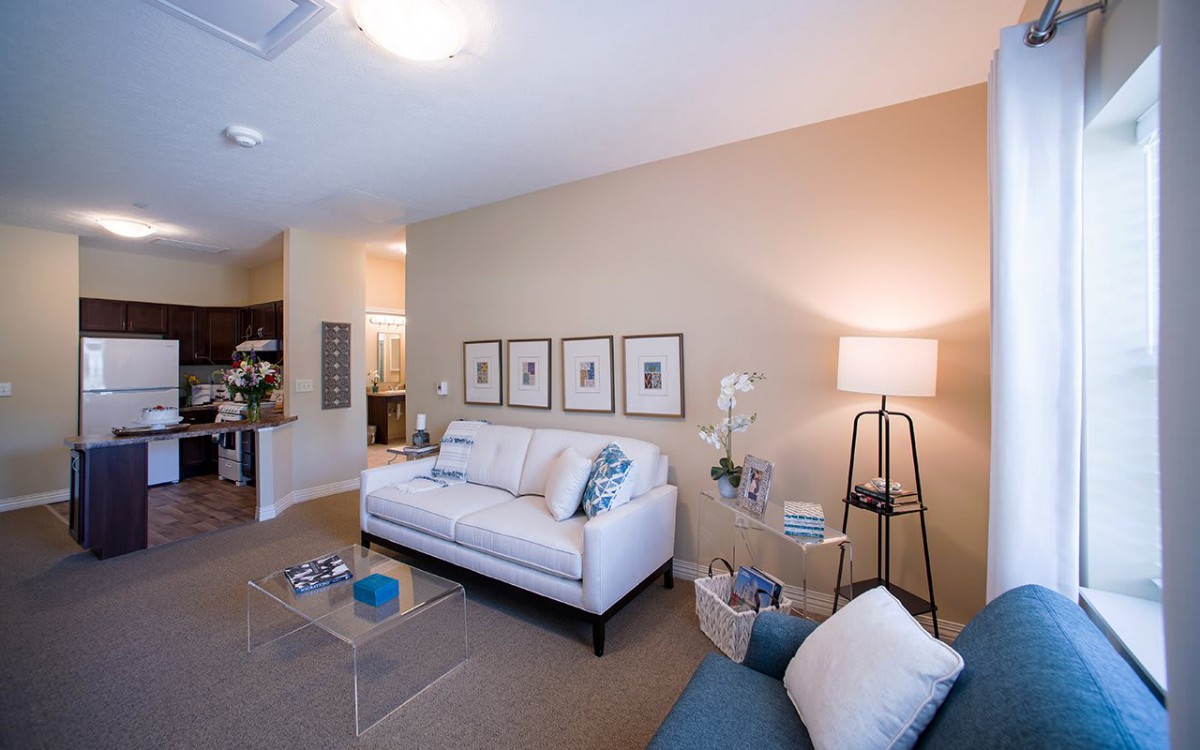
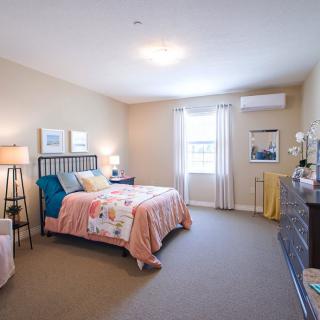
Danbury Senior Living Grove City offers a range of living options with pricing that reflects its commitment to quality care and community. The monthly costs for various room types are as follows: a studio apartment is priced at $3,600, while a one-bedroom unit is available for $4,650. For those seeking more space, the two-bedroom option comes in at $5,200. When compared to the surrounding Madison County and the broader state of Ohio, the rates at Danbury stand out. For instance, Madison County's studio costs average $3,738 and one-bedroom units are slightly lower at $3,704. In contrast, Danbury's two-bedroom apartments exceed the county average of $3,215 but provide enhanced amenities and services that cater specifically to seniors. Overall, while Danbury might be higher than some local averages for certain unit types, it emphasizes a holistic approach to senior living that prioritizes comfort and well-being.
| Floor plans | Danbury Senior Living Grove City | Madison County | Ohio |
|---|---|---|---|
| Studio | $3,600 | $3,738 | $3,727 |
| 1 Bedroom | $4,650 | $3,704 | $3,712 |
| 2 Bedrooms | $5,200 | $3,215 | $3,501 |
Memory care communities with a similar price nearby
-
from +$273 / mo

StoryPoint Gahanna
$3,873 to $4,952 / month17.5 miles away -
from +$250 / mo

The Avalon of New Albany
$3,850 to $6,980 / month20.7 miles away -
from -$254 / mo
Bickford of Worthington
$3,346 to $4,258 / month15.3 miles away -
from +$200 / mo

The Inn At Bear Trail
$3,800 to $5,033 / month20.0 miles away -
from +$400 / mo

StoryPoint Grove City
$4,000 to $5,366 / month1.5 miles away
Overall Review of Danbury Senior Living Grove City
Pros
 Tasha treats callers like the CEO of a major corporation.
- Meghan, the Executive Director, is professional and personable.
- The facility is spotless.
- The staff are outstanding and a pleasure to deal with.
- The memory care unit provides great daily social interactions and top-notch nursing care.
- The leadership team is excellent, accessible, and eager to help; the nurses and caregivers are kind and supportive.
- Grove City Senior Living is beautiful, clean, and inviting.
- The Lithuanian facility is absolutely beautiful and shows genuine care for residents.
Cons
 Since Traditions acquired the Danbury facility, things have been absolutely horrible.
 - The facility forced the father into memory care and did not deliver the promised better care.
- They unplugged his CPAP machine and failed to maintain it.
- He was kept behind locked doors and not offered foods he could eat.
- He lost more than 12 pounds within a week of entering memory care.
- The staff neglected medications, sometimes not giving prescribed doses and failing to record them.
- They charged over $6,000 per month for doing absolutely nothing.
Review
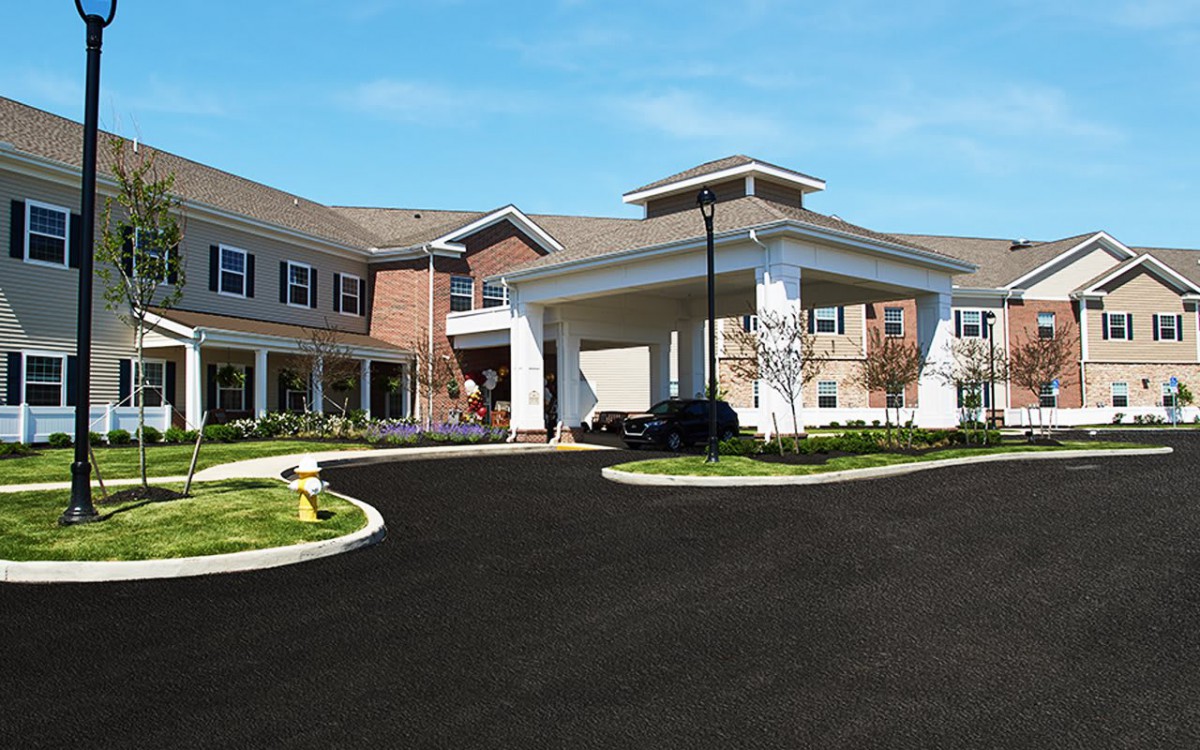
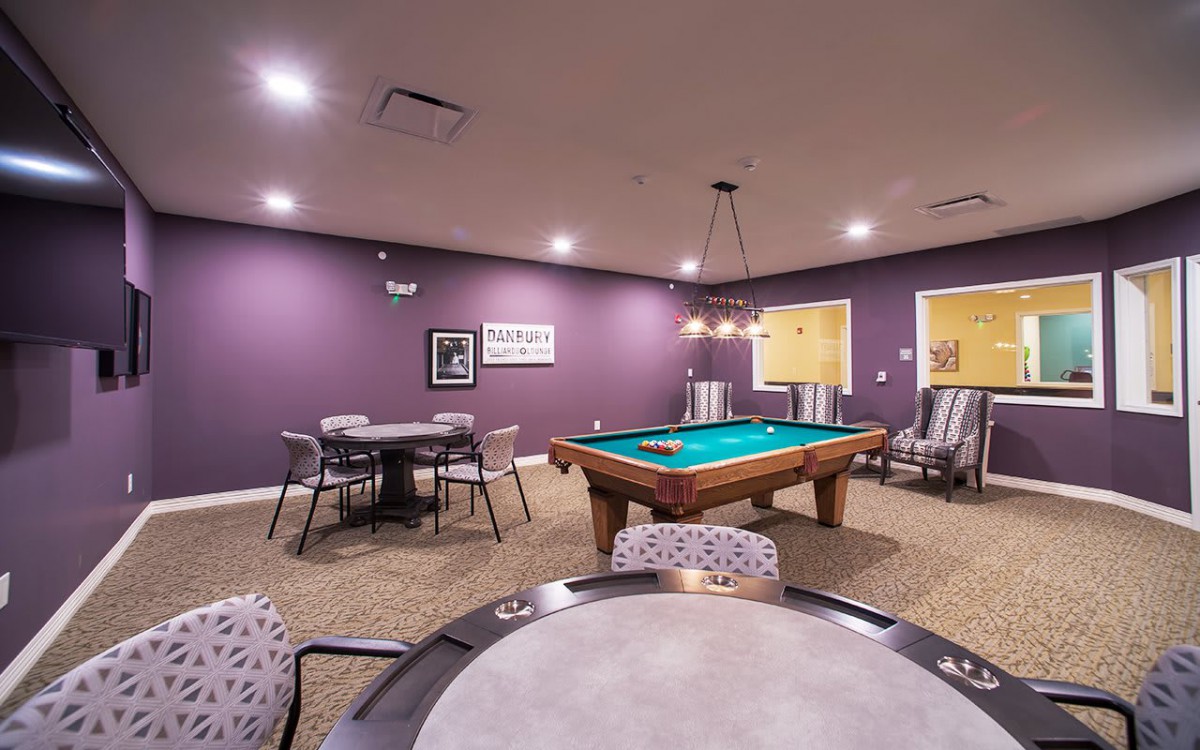
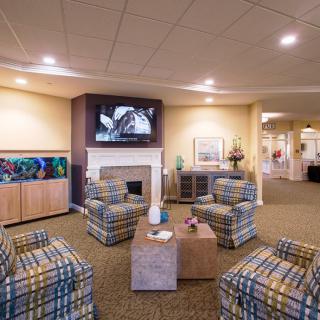
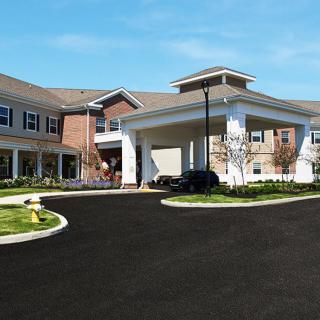
Danbury Senior Living Grove City is best suited for families seeking a warm, well-staffed environment with strong memory-care capabilities and a visible commitment to cleanliness, courtesy, and accessible leadership. The community consistently earns praise for a professional front-office experience, a high level of nursing care, and a beautiful, well-maintained campus. For families that value daily programming, meaningful social interaction, and a facility where the executive team is approachable, this is a compelling option. The memory-care footprint, in particular, is highlighted as a strength, with staff who are described as attentive, caring, and capable of delivering real engagement for residents.
That said, certain families will want to consider alternatives or at least investigate other options before committing. Those who are budget-conscious or worry about ongoing price increases should scrutinize the cost structure closely, since one extensive review cites steep monthly charges and a shift in care emphasis after a corporate change. Families wary of management transitions or who require highly aggressive medical oversight may want to compare how other providers handle transitions, medication management, and routine medical support. Additionally, if independence or freedom from locked-door environments is a priority for a loved one, it is wise to explore how access controls and safety protocols are applied in practice.
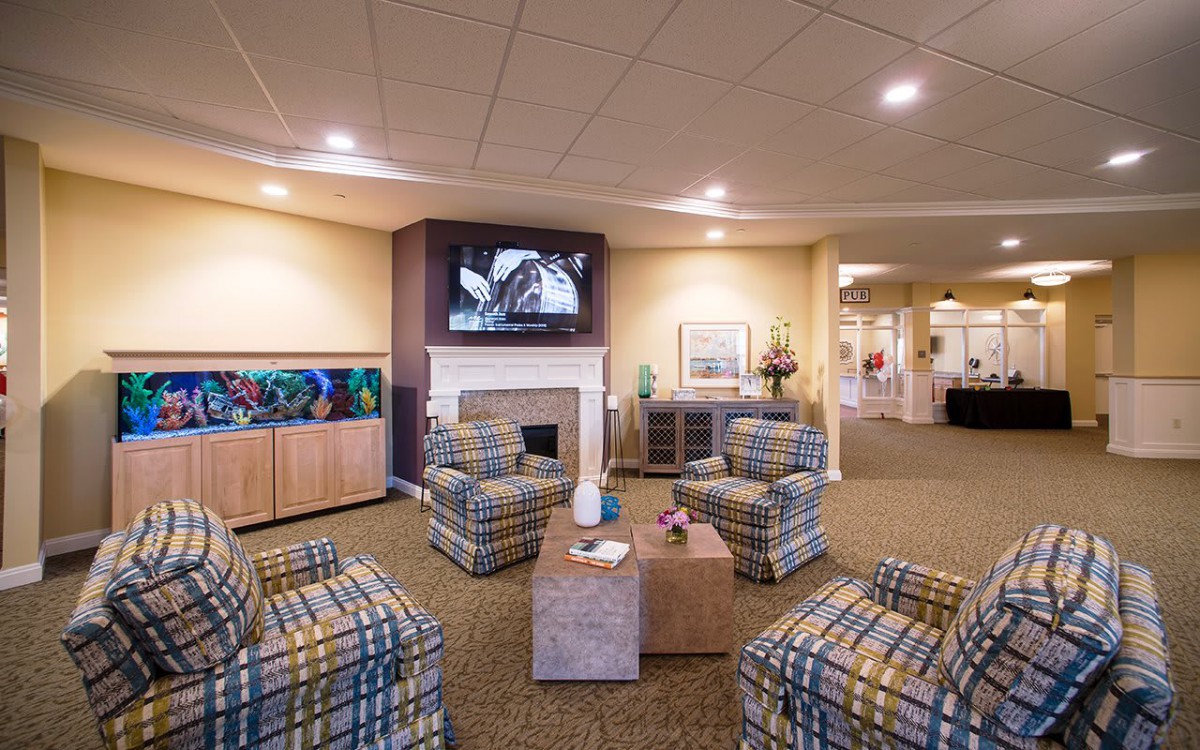
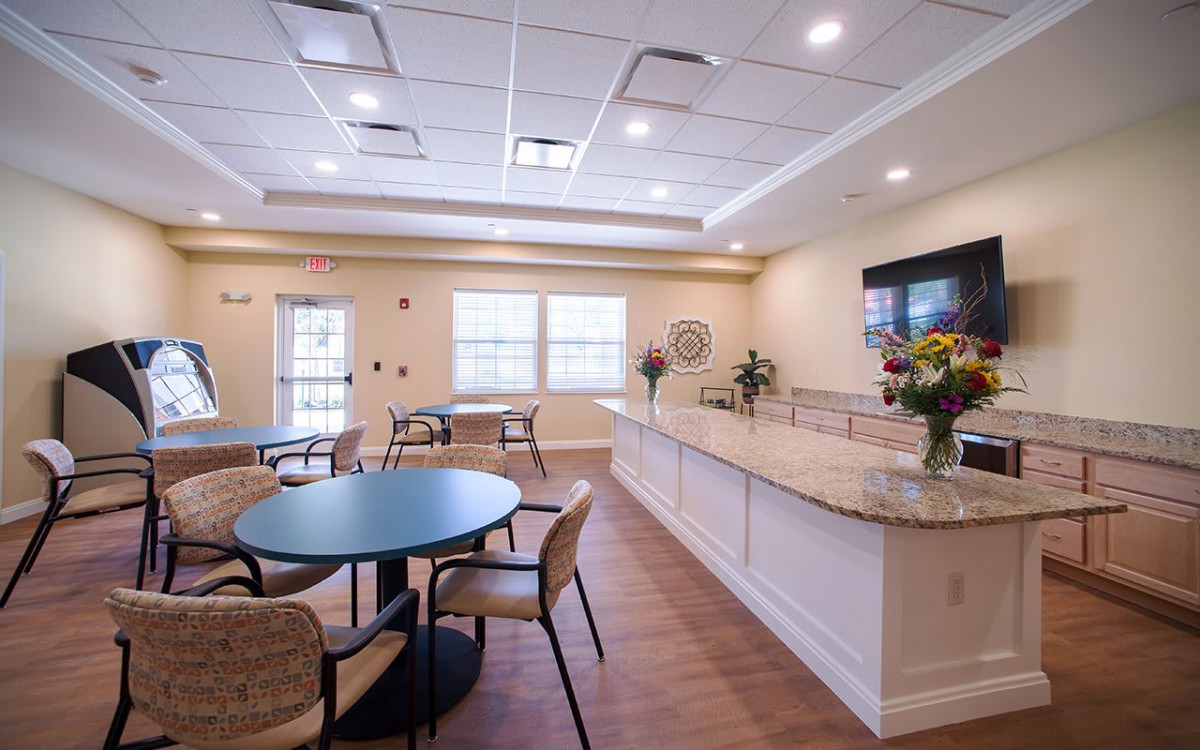
The community’s strongest pro set rests on people and process. The staff is repeatedly described as outstanding, with caregivers who are kind, attentive, and genuinely invested in residents’ quality of life. The leadership team is noted for being accessible and responsive, a critical factor when concerns arise. The facility’s cleanliness, aesthetics, and overall atmosphere consistently meet high expectations, creating an environment where residents appear comfortable and engaged. Memory care specifically is highlighted for thoughtful care routines, and the nursing staff is praised as top-notch, contributing to peace of mind for families who need regular medical attention for a loved one.
Yet a sobering counterpoint exists in the form of a highly charged, negative account tied to a change in management under Traditions. The reviewer alleges coercive placement into memory care, improper handling of devices like CPAP machines, restricted feeding that ignored a resident’s dental challenges, and a cascade of care lapses that culminated in weight loss, inconsistent medication administration, wound-care neglect, and even equipment mismanagement. The charge that a wheelchair was removed and hidden, coupled with reports of staff distraction and insufficient supervision, paints a dangerous image if it reflects ongoing practice. While this represents a single perspective, the seriousness and specificity of the claims demand careful verification by any prospective family.
Those divergent experiences can be weighed in favor of the community’s overall strengths, but only if the right safeguards are in place. For families prioritizing compassionate care, engaging activities, and visible leadership, the positives can effectively offset the risk if ownership stability is confirmed and staffing remains consistently attentive. Prospective residents should insist on current, concrete assurances about care plans, staff turnover, medication protocols, and safety procedures. A current, transparent picture of how memory care is managed, including caregiver ratios, daily schedules, and dietary accommodations, will help determine whether the troubling concerns are persistent risks or isolated incidents tied to a particular period.
Practical next steps are clear. Schedule a thorough tour and request to meet the Executive Director and the head of the memory-care team. Ask for a recent sample care plan, a breakdown of monthly costs, and a copy of the dining menu that accounts for residents with dental or swallowing needs. Inquire about nurse-to-resident ratios across shifts, wound-care protocols, and medication administration processes, including audits and incident reporting. Seek references from current families, and if possible speak with residents about daily life and the activity calendar. By validating leadership accessibility, care standards, and ongoing safety guarantees, families can decide with confidence whether Danbury Grove City aligns with their loved one’s needs and their expectations for accountability.
 Assisted Living
 Independent Living
 Memory Care
 Activities on-site
 Cable or satellite TV
 Devotional services off-site
 Indoor common areas
 Wi-Fi/high-speed internet available
 John Glenn Columbus International Airport (13 miles away)
 Ambulatory care
 Diabetic care
 Meals provided
 Day trips and outings
 Forever fit
 Trivia games



 Delirium and Dementia: Unraveling the Key Differences
 Are Dementia and Alzheimer's Disease Lethal? A Comprehensive Exploration
 Exploring the Power of Reminiscence Therapy for Individuals With Dementia