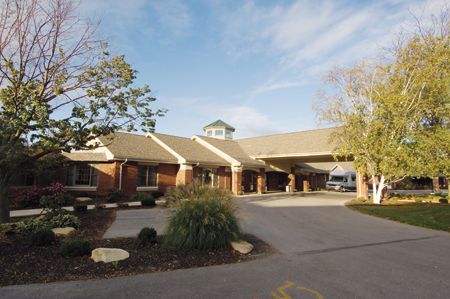
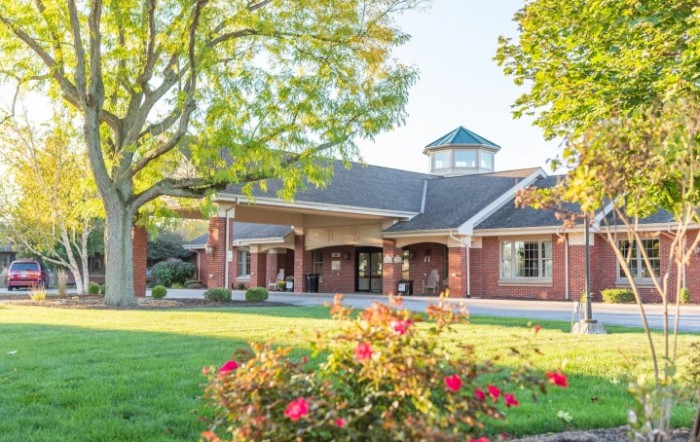


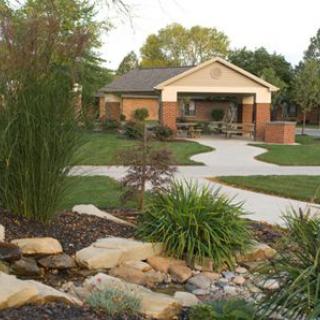
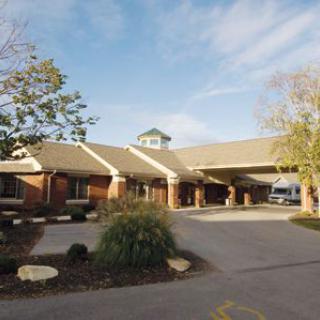


725 Columbus Avenue, Fostoria, OH 44830
For more information about senior living options: (866) 208-4318
Overall Review of Good Shepherd Home
Pros
 They did a great job during the pandemic and formed a super team.
- The staff were wonderful and very helpful in answering questions.
- The memory care unit is beautiful and homey, with wonderful staff.
- The nurses and staff were very caring and professional.
- The facility is very clean and welcoming, and the food is good.
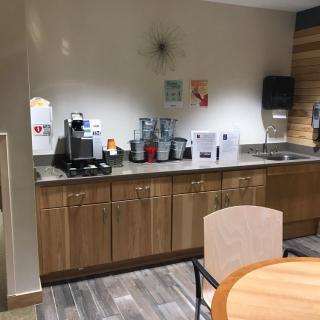
- The dining room is nice and the menu looked good.
- The activities team is hands-on and very involved, offering engaging programs like bingo, arts and crafts, and music.
- Good Shepherd Home provides compassionate care that is second to none and treats residents like family.
- The facility offers on-site amenities such as a church, beauty shop, hair salon, and other conveniences.
Cons
 They were terribly understaffed.
- The meals were inconsistently served, with cold food when hot and hot food when cold.
- They lacked the necessary equipment for rehabilitation care.
- The stay was extended due to those issues.
- The food quality deteriorated after switching vendors.
- The staff were uncaring.
- The room had not been cleaned for what appeared to be months.
- Residents were showered only once a week, which was unacceptable.
- There was a huge Covid-19 outbreak among residents and staff.
- The director hung up on a prospective caller.
- Residents’ clothing and socks were frequently mixed.
- Several high school student workers were unprofessional and made the grandmother uncomfortable.
- They would pay more to stay there because energy-efficient devices were not added.
Review
Good Shepherd Home in Fostoria is best suited for families that prize a warm, faith-centered, one-story campus where caregivers know residents by name and daily attention from a hands-on team is the norm. The setting feels like a close-knit community, with an on-site church and a lively activities calendar that provides continuity and purpose for residents. It works especially well for seniors who want meaningful, everyday interaction with staff and peers, and for families who value transparent communication and a home-like atmosphere over a sterile, hospital feel. Those needing intensive rehabilitation services, very high-level medical oversight, or a pristine, ultra-modern facility may want to explore other options.
On the plus side, the home earns trust through its visible cleanliness and welcoming ambiance, a dining room that is inviting, and a memory-care unit described as beautiful and homelike. Reviews consistently highlight caring, responsive nurses and aides who engage with residents and answer questions thoughtfully. Families often point to individual staff members who go “above and beyond” to support loved ones, with specific mention of compassionate care in the moment and meaningful involvement during daily routines. The facility’s layout, single-story, open common areas, and integrated amenities like a beauty shop and an on-site church, contributes to a sense of normalcy and stability that many families seek when choosing long-term care. Activities and social opportunities are emphasized, with hands-on programming and regular musical or arts offerings that help residents stay engaged.
Nonetheless, several concrete drawbacks warrant careful consideration. Some reviewers have described staffing as uneven at times, with concerns about coverage during peak hours or shifts. Food quality has fluctuated in certain periods, particularly after changes in vendors, creating perceived drift in dining satisfaction. There are also reports of operational hiccups, such as mixed clothing or other logistical frictions, that can unsettle families hoping for seamless daily care. A minority of comments touch on administrative experiences that affected trust or ease of communication. Taken together, the concerns signal that while day-to-day care can be compassionate and attentive, consistency in staffing levels and some administrative processes are not always flawless.
The strong points do offset many of these concerns where it matters most. When care teams are present and engaged, they create meaningful routines, personalize support, and demonstrate genuine concern for residents’ comfort and safety. The home’s memory-care component is repeatedly described as well-suited to the needs of residents with cognitive impairment, offering a calm, home-like environment with staff who understand how to stimulate and monitor daily functioning. The social fabric, celebrating church life, live entertainment, and accessible activities, provides invaluable quality-of-life benefits that can outweigh occasional service gaps. For families prioritizing warmth, spiritual support, and a community that feels like family, Good Shepherd often delivers.
Alternatives become worth a closer look for families whose priorities include more consistent rehab capabilities, greater uniformity in dining quality, or tighter control over costs. Those who require frequent, hospital-grade monitoring, highly specialized rehabilitative equipment, or a newer facility with a broader menu of high-end amenities may do better elsewhere. Price sensitivity is another factor; some reviewers noted a higher cost structure tied to a philosophy against certain energy-saving upgrades, so prospective residents should verify what is included and compare with nearby options. Finally, for families worried about staffing consistency or administrative responsiveness, visiting multiple options and speaking candidly with frontline staff and administration will reveal whether a given community can deliver steadier operations.
In sum, Good Shepherd Home stands out as a practical, compassionate choice for seniors who value a homelike atmosphere, direct caregiver attention, and a robust memory-care option within a faith-inflected setting. It is less ideal for those who demand uninterrupted, uniform rehabilitation services, or for families seeking the most predictable dining experience and budgeting clarity. The prudent path is a thoughtful visit: meet frontline caregivers, observe care routines during a typical day, review current staffing ratios, and assess whether the memory-care design and activity program align with the loved one’s needs. When these factors align, Good Shepherd Home becomes a compelling, dependable option for sustaining dignity, community, and everyday quality of life.
 60 resident community capacity
 Assisted Living
 Board and Care Home
 Continuing Care Retirement Community (CCRC)
 Day Program
 Skilled Nursing Facility
 Air-conditioning
 Beauty salon
 Cable or satellite TV
 Computer center
 Dining room
 Fitness room
 Fully furnished
 Gaming room
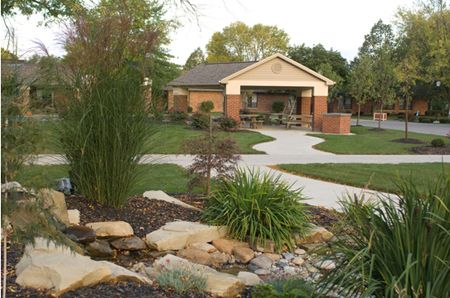
 Garden
 Housekeeping services
 Kitchenette
 Move-in coordination
 Outdoor space
 Private bathrooms
 Restaurant-style dining
 Small library
 Telephone
 Wellness center
 Wi-Fi/high-speed internet available
 Community operated transportation
 12-16 hour nursing
 24-hour call system
 Assistance with bathing
 Assistance with dressing
 Assistance with transfers
 Diabetes diet
 Medication management
 Mental wellness program
 Special dietary restrictions
 Concierge services
 Planned day trips





 Comprehensive Insights into Activities of Daily Living (ADLs) and Their Assessment
 Medicare Coverage for Assisted Living: An In-Depth Exploration
 Choosing the Right Senior Care: A Detailed Exploration of Assisted Living and Nursing Homes