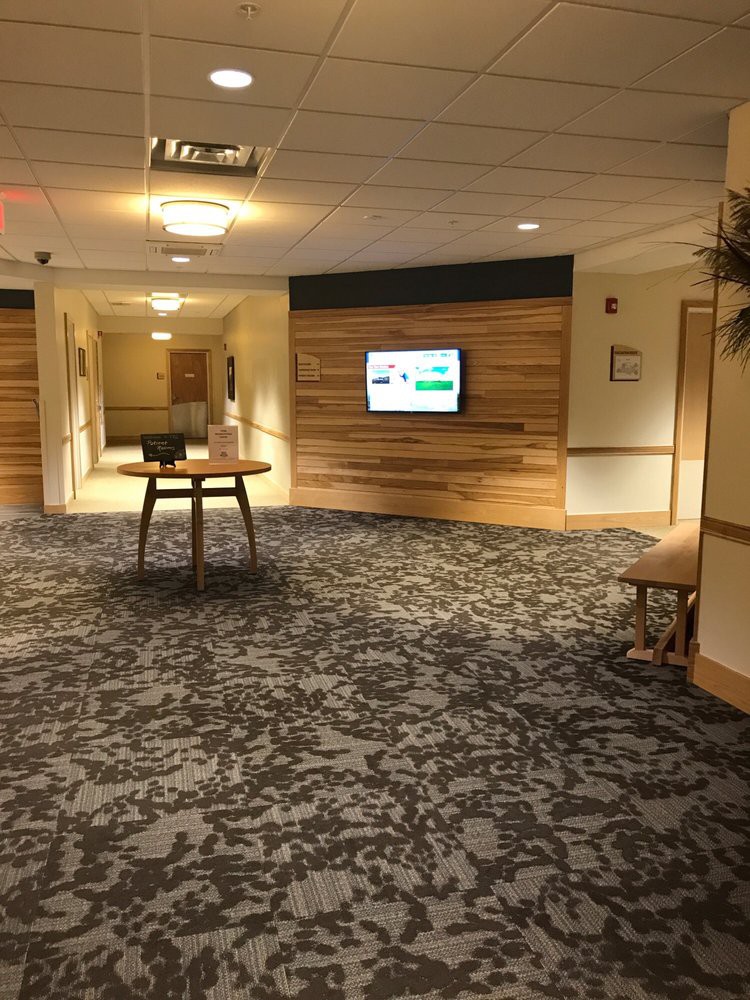
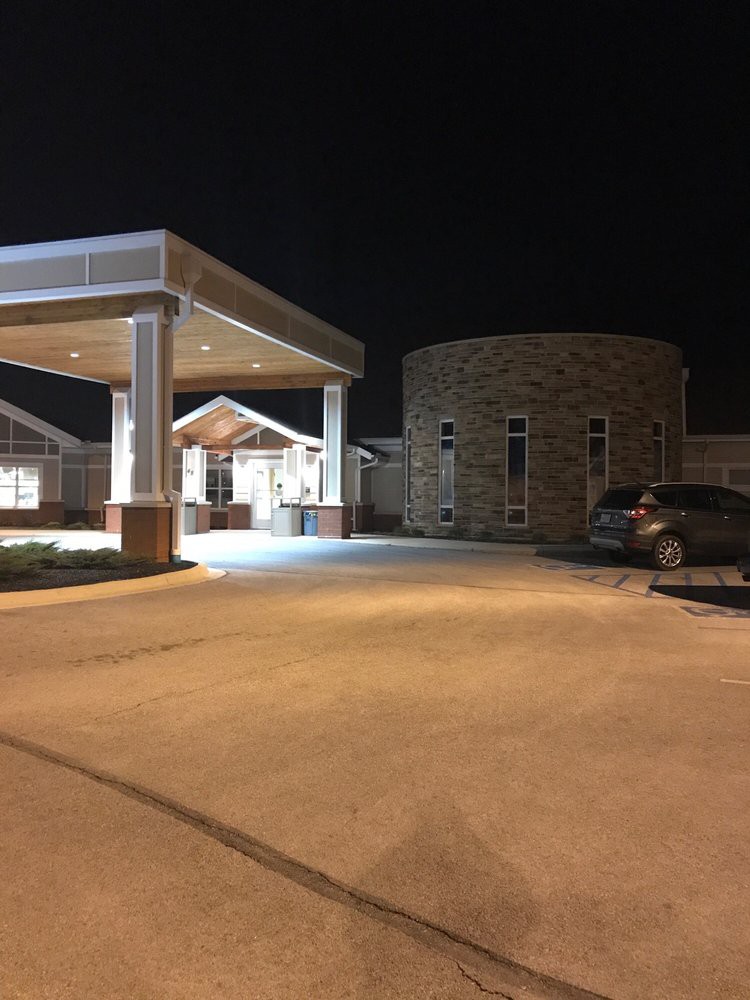
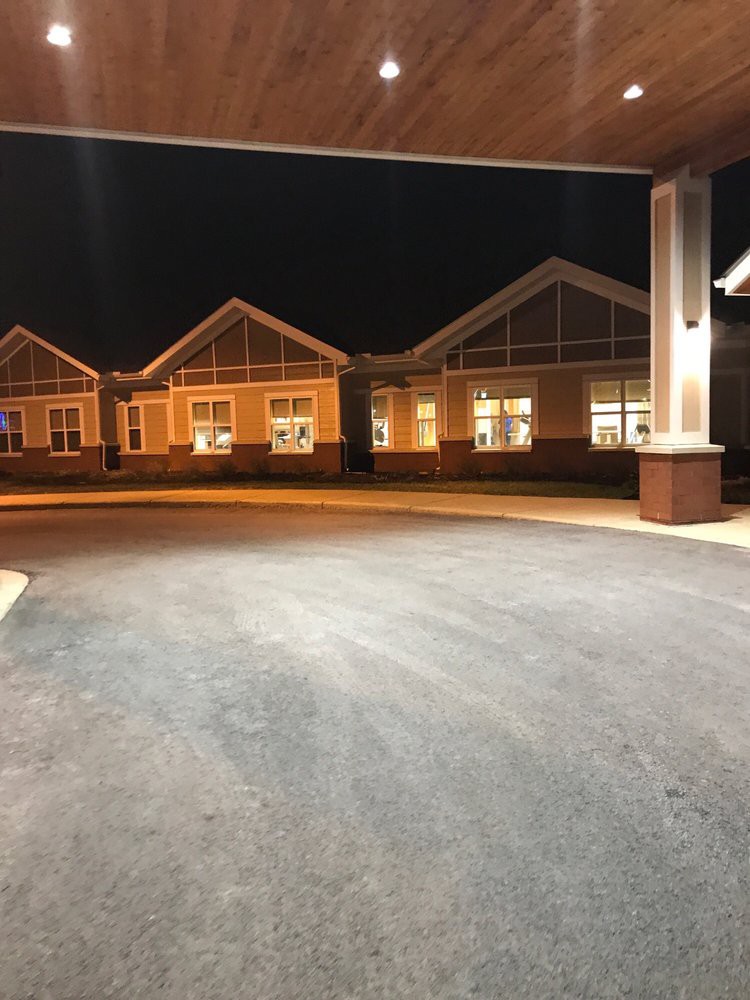
48 Street Lawrence Drive, Tiffin, OH 44883
For more information about senior living options: (866) 208-4318
Overall Review of Tiffin Rehabilitation Center
Pros
 The staff is very caring and do their best to get to every patient in timely manner.
Cons
 They waited 10-15 minutes every time they called for help.
- The nurse's aide was the only staff member working, and it was her first day, with no idea where the wipes were.
- They had to go to the front desk three times because no one stayed to help, despite concerns that the grandmother might fall off the toilet.
- They went to the office/clinical director and felt nothing was done.
- There are 12 patients and only 1 nurse and 1 aide, raising questions about legality.
- The state’s requirement of 1 nurse per 5 patients is described as unacceptable.
Review
Best suited for families seeking hands-on, caregiver-focused attention in a rehab setting, where the on-the-floor staff are driven to help despite limited coverage. This community can work for someone who wants daily, visible concern from aides and nurses and who can sustain involvement from family members to help fill gaps. It often appeals to those with lower acuity post-acute needs who are willing to tolerate slower response times in exchange for genuine warmth and regular check-ins when staff are present.
Those weighing alternatives should consider residents who require steady, round-the-clock nursing supervision, rapid call-bell responses, and rigorous safety oversight. The current dynamic raises questions for anyone with high fall risks, complex medical management, or significant assistance needs around the clock. Families who cannot regularly supervise or advocate in person may prefer facilities with proven, consistent staffing ratios and a clear, accountable management structure.
A central tension rests on staffing. The most troubling takeaway from multiple reports is a marked understaffing pattern: phrases suggesting as many as 12 residents with a single nurse and one aide on duty, alongside concerns about the ability to meet basic needs promptly. This is framed against a stated standard, Ohio’s expectation of roughly one nurse per five residents. When the math doesn’t add up, safety and quality of care inevitably suffer. The issue is reinforced by complaints about delays at the call point, and about administration not stepping in to rectify urgent situations.
Yet the facility does show a redeeming thread: staff who are described as caring and genuinely committed to residents’ well-being. In several accounts, caregivers are doing their best to reach patients in a timely fashion and to provide attentive, compassionate care within the constraints of a stretched schedule. This genuine dedication can translate into meaningful moments and individualized attention when staff are on the floor. The contrast between compassion and systems underscores a crucial reality: compassionate care is not a substitute for adequate staffing, but it can soften the impact when teams are under pressure.
The gap between intent and outcome becomes the deciding factor for most families. When pros, empathy, daily personal contact, and a culture of trying to help, are weighed against cons, limited staffing, slow responses, and questions about oversight, the scales tip toward caution. For a resident whose recovery plan depends on predictable supervision, reliable assistance, and quick access to help, the cons overwhelm the positives. Conversely, for someone who can tolerate occasional delays and whose family can stay actively involved to monitor care, the environment may still function as a workable option, provided clear expectations and safeguards are put in place.
In practical terms, families evaluating this community should demand concrete assurances before admission. Request current staffing schedules, the exact nurse-to-patient ratio at all shifts, and the process for escalating urgent needs. Ask for average call-bell response times, recent incident reports, and a clear plan for fall prevention and safety checks. Insist on a trial period or a structured care plan with measurable goals, and ensure management accountability is defined, with a direct contact for addressing concerns. If these guarantees can be met, the facility becomes a more viable choice; if not, alternatives with stronger staffing commitments and oversight should be pursued.
 20 resident community capacity
 Skilled Nursing Facility
 Beauty salon
 Cable or satellite TV
 Dining room
 Fully furnished
 Garden
 Housekeeping services
 Kitchenette
 Move-in coordination
 Outdoor space
 Restaurant-style dining
 Small library
 Telephone
 Wi-Fi/high-speed internet available
 24-hour call system
 Activities of daily living assistance
 Assistance with bathing
 Assistance with dressing
 Assistance with transfers
 Diabetes diet
 Medication management
 Mental wellness program
 Special dietary restrictions



 Weight Training for Seniors: Building Strength and Vitality
 Understanding the Sandwich Generation: Stress and Responsibilities for Multigenerational Caregivers
 8 Essential Assistive Devices for Older Adults