
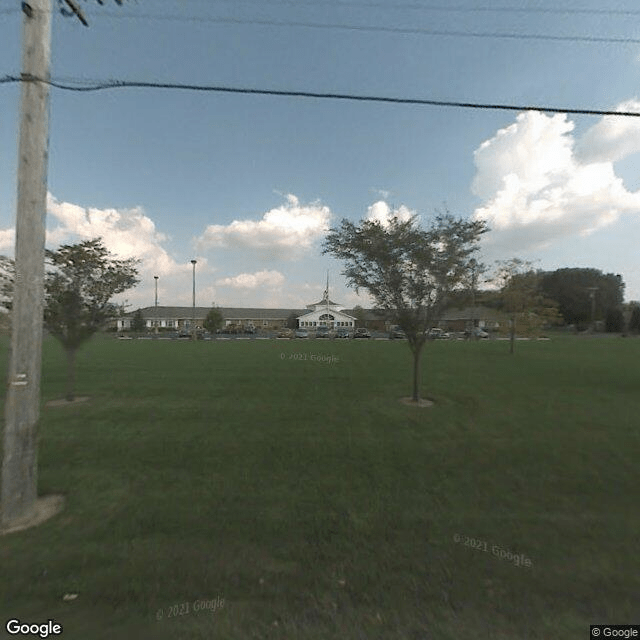
1000 Independence Road, Fostoria, OH 44830
For more information about senior living options: (866) 208-4318
Overall Review of Independence House
Pros
 The staff are amazing and consistently ready to help solve problems.
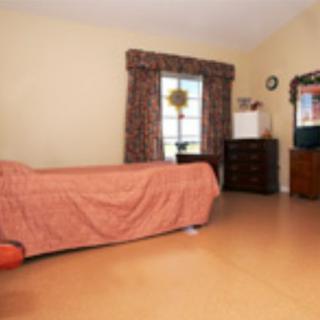
- Administration goes above and beyond to ensure residents are happy with their rooms.
- The meals, nurses, aides, therapy, and dietary staff contribute to a positive healing experience.
- The rehabilitation amenities (gym, rehabilitation center, and pool) are impressive.
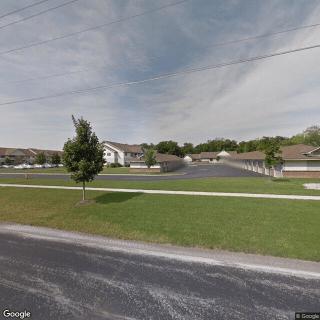
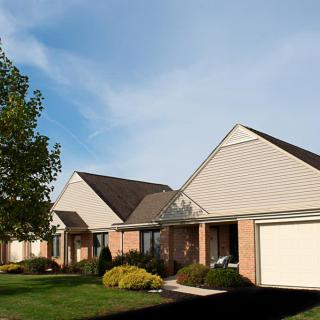
- The facility is clean and friendly, with a welcoming environment.
- Families are kept well informed about medication changes and residents' conditions.
- Independence House is described as a family-oriented environment where staff know residents.
- The environment is quiet and conducive to recovery, with friendly staff and good care.
Cons
 Independence House was not near as homey feeling as the other place.
- The reviewer felt there were not as many staff around.
- The reviewer noted there were no visible activities at that moment.
- The nurses were seen playing video games on their cell phones at the nurses' station.
- The resident initially did not like the food.
Review
Independence House in Fostoria, OH is best suited for seniors who need post-acute rehabilitation or a short-term stay focused on recovery with strong therapy support. The facility consistently earns praise for its rehabilitation capabilities, nursing, aides, and therapy teams are described as skilled and approachable, with many residents returning home sooner thanks to coordinated care. Families highlight a clean environment, accessible gym and pool, and a welcoming, small-town feel that supports a sense of security during a stressful recovery period. The ability to visit with pets also stands out as a meaningful benefit for many, reinforcing a homelike touch in the midst of clinical care.
Those weighing alternatives should consider what matters most in daily living. If a homey, highly active social atmosphere with constant staffing visibility is nonnegotiable, Independence House may fall short. A subset of reviews notes the facility doesn’t feel as “homey” as some peers and that staff visibility can vary by shift, which can leave families feeling less connected at times. For residents who crave a robust, structured daily calendar and more dynamic programming, other providers with larger activity staffs may deliver a busier lifestyle and more consistent programming.
On the upside, the strongest pro, rehab clarity and speed, often aligns with the core goal of families: meaningful progress toward returning home. The therapy program is repeatedly cited as thorough and capable of driving quicker healing, with staff communication keeping family members in the loop whenever medication changes or new issues arise. Administrative staff are praised for problem-solving and for adjusting rooms to ensure patient comfort, while a calm, quiet environment supports recovery. Cleanliness and the availability of rehabilitation resources, including a gym, pool, and dedicated therapy spaces, bolster confidence that a stay here can deliver concrete, timely outcomes.
Yet several notable cons temper the otherwise strong rehab case. The most persistent caveat is the perception that the home-like, warm atmosphere isn’t as pervasive as one might want, especially for long or multi-care journeys. A few reviews flag inconsistent staffing presence across shifts, which can translate into slower responsiveness or a sense that resident needs aren’t as instantly met as hoped. Another uncomfortable point is activity engagement; some residents report limited observable programming at times, which can make the setting feel less lively than expected for those who want constant structured options. A comment about staff at the nurses’ station using cell phones during rounds also raises concerns about attentiveness, even if not universal.
Medicaid and budget-related dynamics appear in at least one family’s experience, underscoring the practical reality that financial/insurance processes can shape placement timing and room configuration. While this factor may be out of the hands of care teams, it is essential to verify eligibility, benefits, and expected timelines early in the decision process to avoid acute stress during transitions. Food experiences are mixed, with some residents initially unhappy and others later adjusting, suggesting that dietary satisfaction can be variable and may require ongoing conversation with dietary staff to tailor meal options.
In balancing strengths against drawbacks, Independence House often wins where the priority is efficient, outcomes-focused rehab delivered by a friendly, responsive team. The key pros, effective therapy, proactive family communication, clean facilities, and a supportive environment, frequently offset the drawbacks for families whose objective is rapid recovery and return home. For those prioritizing a highly home-like ambiance, abundant daily activities, or consistently high staff presence across all hours, alternatives may offer a better fit. The decision hinges on whether rehabilitation momentum and family-involved care trump a need for a warmer, busier social calendar and unwavering staffing coverage.
The practical takeaway: Independence House is a solid, capable choice for post-surgical recovery, stroke rehabilitation, or other short-term rehab needs where the aim is faster healing and clear family updates. It works best for families who value a quiet, respectful setting, straightforward communication, and access to rehab amenities, with the understanding that staff reach and programming intensity may vary. Prospective residents should request a tour focused on therapy schedules, staff shifts, and room options, and should confirm Medicaid or private-pay details upfront to prevent timing surprises. If those criteria align, Independence House offers a practical, experienced pathway to regain independence.
 50 resident community capacity
 Independent Living
 Skilled Nursing Facility
 Beauty salon
 Cable or satellite TV
 Dining room
 Fully furnished
 Garden
 Housekeeping services
 Kitchenette
 Move-in coordination
 Outdoor space
 Restaurant-style dining
 Small library
 Telephone
 Wi-Fi/high-speed internet available
 24-hour call system
 Activities of daily living assistance
 Assistance with bathing
 Assistance with dressing
 Assistance with transfers
 Diabetes diet
 Medication management
 Mental wellness program
 Special dietary restrictions

 Urinary Tract Infections in Older Adults: Comprehensive Insights on Symptoms, Treatment, and Prevention
 California's Form 602A: An In-Depth Examination of Senior Care Assessment
 Comprehensive Look at Senior Blood Pressure Charts: Normal and Elevated Levels by Age