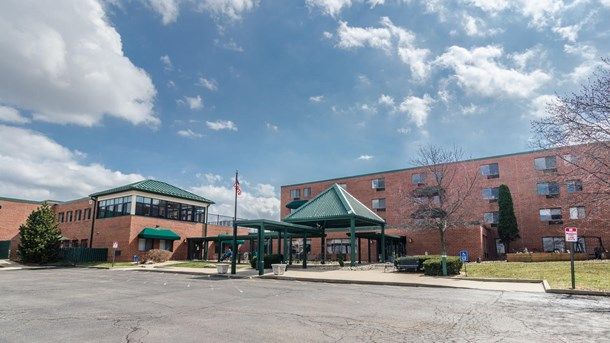
3801 Woodridge Boulevard, Fairfield, OH 45014
For more information about senior living options: (866) 208-4318
Overall Review of Heartland Of Woodridge
Pros
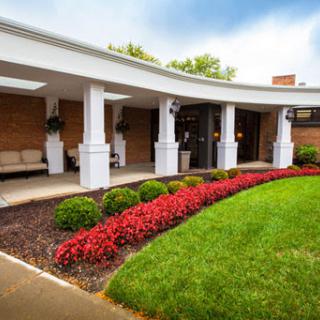
 Heartland of Woodridge is very clean.
- The staff is very cordial.
- They are receiving great care.
- They seem to be very happy there.
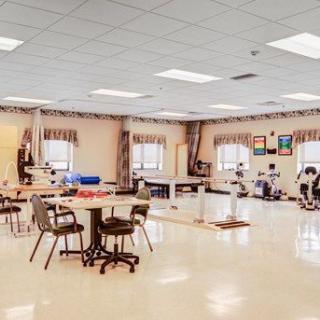
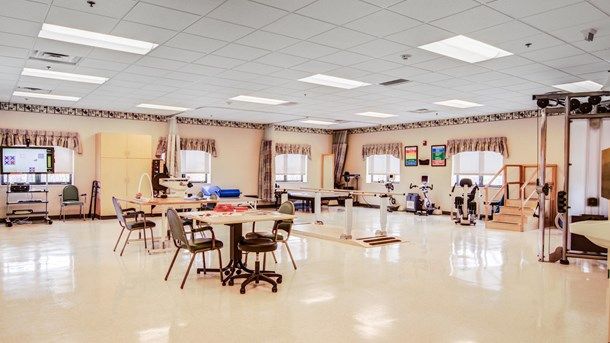
- The facility offers Bingo, and therapy has been beneficial.
- The new management has truly made an impact for patients and staff alike.
- The staff are excellent, friendly, and welcoming, with the physical therapy team described as amazing.
Cons
 The facility is disorganized, unprofessional, and uncaring.
- The staff are overworked, resulting in poor care.
- There are too few caregivers, leaving residents without timely help.
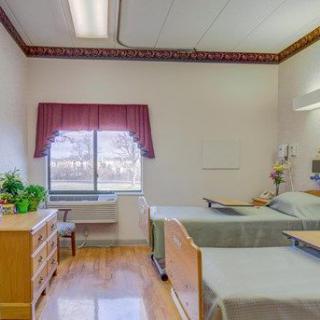
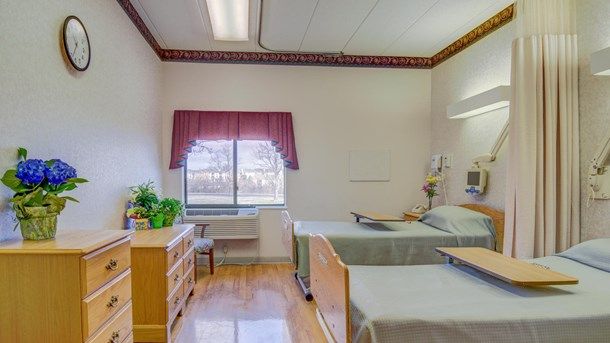
- The rooms are dirty and inadequately prepared, with grime and damage.
- Call lights are left unanswered for long periods.
- Nurses and aides frequently text on their phones instead of caring for patients.
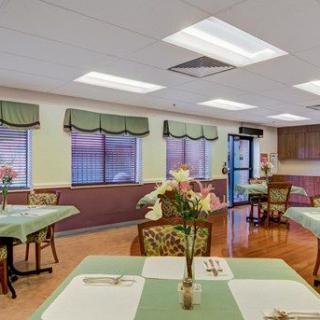
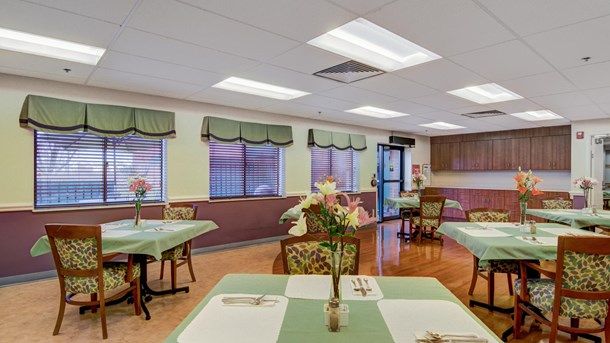
- The meals do not meet residents' dietary needs and are the same for everyone.
- The care is negligent, including delays in bedpan assistance and rough handling.
Review
Heartland of Woodridge in Fairfield, Ohio is best suited for families that prioritize a clean, comfortable environment and the practical benefits of proximity to loved ones. The community delivers on everyday reliability: it’s decent to good on cleanliness, the staff are generally cordial, and there is accessible therapy and activity programming that can keep residents engaged. For families seeking a straightforward, convenient option where a responsive admissions and care team can respond to questions and concerns, Heartland can work. Its strongest early signal is practical comfort and a user-friendly location that makes visits and coordination with siblings easier.
The facility’s advantages are reinforced by recent management changes and visible efforts to move the culture toward patient- and staff-centered care. Several families note real improvements after new leadership took over, including more attentive rounds by the administrator and director of nursing, and a better sense that the care team is collectively accountable. Positive experiences include a patient who felt heard by the DON and administrator, and another account of a discharge that left a patient feeling well cared-for during a challenging time. Therapy services and on-site activities, like Bingo, provide tangible value for residents who benefit from structured routines and rehabilitation support.
Yet the promise is undercut by persistent and serious gaps in staffing and day-to-day care. The most consistent refrain is that staff are overworked and stretched thin, with caregivers handling too many patients across multiple floors. This reality yields a chain of problems: long wait times for assistance, delayed changes in bedside needs, and intermittent lapses in basic care like timely medication delivery and proper repositioning. Stories of disorganization, miscommunications, and uneven accountability across shifts contribute to a sense that reliability fluctuates by day and by staff member. The contrasts between hopeful improvements and ongoing operational strains are marked enough to demand vigilance from families.
On the safety and quality front, the negatives are hard to ignore. Multiple accounts describe rooms not ready as promised, with issues ranging from dirty rooms to rooms being repurposed or unavailable when needed. There are persistent concerns about call-bell response times, with several residents experiencing extended delays during nights and weekends. Medication errors, incorrect dosages or delays in administration, appear in several reviews, as do alarming anecdotes of inadequate fall and hygiene protocols. In some cases, residents were left in discomfort or exposed during care transitions, and there are repeated warnings about a culture of high stress on aides that can spill over into patient care. Food service also emerges as a mismatch for residents with dietary restrictions or specific medical needs.
The case for considering alternatives rests on a risk-vs.-reward calculation: if reliability, consistency of care, and strict adherence to medical and dietary plans are non-negotiable, Heartland’s current drawbacks may tip the balance toward other options. Families with residents who require meticulous, round-the-clock supervision, predictable response to call bells, or high-touch nursing attention will want to compare other communities with stronger staffing ratios and demonstrable track records in patient safety. Even for those who value therapy and social programming, the variability in care quality suggests it may be prudent to shortlist competing facilities and observe concrete performance over several weeks.
In practical terms, the path forward is deliberate and informed. Prospective residents or their families should plan comprehensive visits, ideally at different times and days, to observe shift changes and to request unfiltered feedback from current residents and families. Demand to meet the DON or recovery coordinator, review detailed staffing rosters, ask about meal customization processes, and verify how a private room is allocated and maintained in real time. Investigate the latest state inspections and staffing ratios, and request a written care plan that specifies response times and accountability measures. Heartland of Woodridge can be a workable fit for those who value cleanliness, congenial staff, and convenient location, but the facility requires ongoing, concrete improvements in staffing depth, care consistency, and safety practices before it can be recommended without reservation.
 184 resident community capacity
 Assisted Living
 Continuing Care Retirement Community (CCRC)
 Memory Care
 Skilled Nursing Facility
 Air-conditioning
 Beauty salon
 Cable or satellite TV
 Computer center
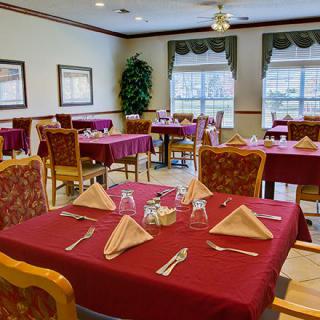
 Dining room
 Fitness room
 Fully furnished
 Gaming room
 Garden
 Housekeeping services
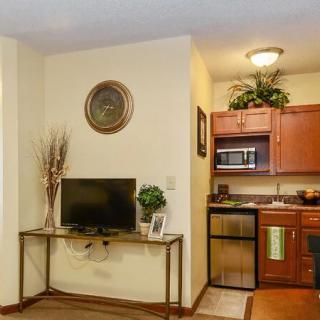
 Kitchenette
 Move-in coordination
 Outdoor space
 Private bathrooms
 Restaurant-style dining
 Small library
 Telephone
 Wellness center
 Wi-Fi/high-speed internet available
 Cincinnati Northern Kentucky International (20 miles away)
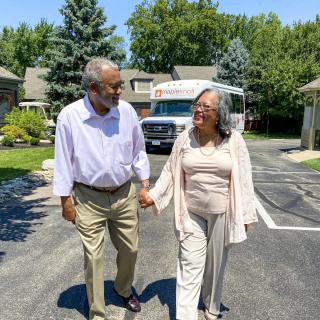
 Community operated transportation
 12-16 hour nursing
 24-hour call system
 Activities of daily living assistance
 Assistance with bathing
 Assistance with dressing
 Assistance with transfers
 Diabetes diet
 Medication management
 Mental wellness program
 Special dietary restrictions
 Concierge services
 Planned day trips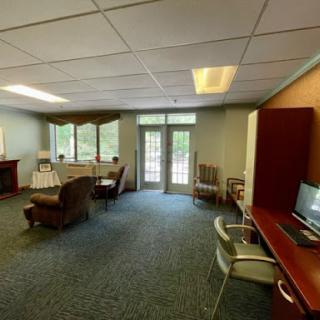


 Understanding Medicaid Coverage for Assisted Living: A Comprehensive Guide
 How and When Medicaid May Cover Assisted Living Costs
 A Detailed Exploration of Assisted Living Medicaid Waivers Across the United States