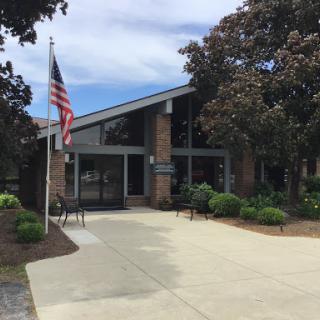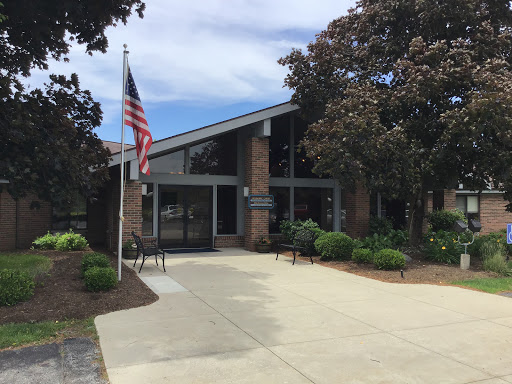
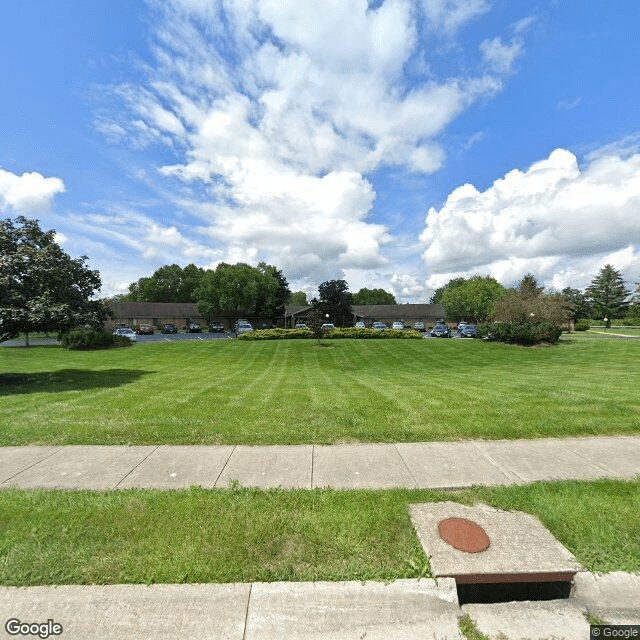
4 New Market Ln, Delaware, OH 43015
To contact a resident: (740) 369-6400
For more information about senior living options: (866) 208-4318
Overall Review of Delaware Court Health Care Ctr
Pros
 The caregivers provide excellent care, and families can visit at any time.
- The staff are friendly and helpful, and treat residents with respect.
- The therapy provided is excellent and very helpful for recovery.
- The facility is clean, well-run, and feels like a family environment.
- The staff keep families posted on residents' progress and explain care plans.
- The facility is highly recommended for post-care or stays.
- Respite care here is a positive experience, with caring and attentive staff.
- The staff are outstanding and treat residents like family.
Cons
 The Levering Family should be sued for the treatment of patients in their care.
- The Delaware Court Nursing Home was more concerned with money than with proper patient care, hounding the family for payments already covered.
- A used wheelchair was given to the patient instead of a new one, leading to multiple falls and a bed sore that took months to heal.
- The facility labeled the patient as abusive despite nurses’ statements to the contrary and failed to keep the family informed about relocations.
- The Levering Management Companies should be ashamed, as profits appear to take priority over human life.
- The staff did nothing to help a family member who was vomiting and dehydrated for four days, contributing to a death.
- There is mold in the kitchen and management shrugged it off, indicating a terrible living condition.
- The facility lost a loved one’s belongings and did not check on her as she was nearing death.
Review
Delaware Court Health Care Center in Delaware, Ohio, is best suited for seniors who primarily need short-term rehabilitation and a structured recovery pathway, with families who can engage regularly to partner with the care team. The strongest case for this community appears when a resident is coming off surgery or a period of illness and can benefit from focused therapy services. In those contexts, reviewers consistently note friendly, helpful therapy staff and a schedule that supports progress toward discharge. For respite stays, the facility can be workable when visitation is easy and the care team demonstrates attentiveness, making the setting feel manageable for caregivers needing a planned break.
That said, this campus demands a candid assessment for anyone considering long-term custodial care or high-need residents. A large share of the feedback centers on perceived neglect, administrative lapses, and inconsistent communication with families. Several families report billing friction and aggressive collections that seemed more concerned with money than patient welfare, even when benefits were clearly covered. There are accounts of patients experiencing safety lapses, falls without timely calls to families, delayed response to emergencies, and wounds that worsened due to perceived delays in treatment. These red flags indicate real risk for residents who require steady, proactive supervision and clear, transparent communication.
The key pros, effective rehabilitation therapy, a generally friendly staff, and a clean, approachable environment, do not fully offset the most serious drawbacks when chronic, long-term care is the goal. The positive rehab feedback shows what is possible: disciplined therapy, knowledgeable clinicians, and a treatment plan that helps residents regain function and return home. However, when a resident’s needs extend beyond rehab into steady, day-to-day custodial care, the gaps become more consequential: inconsistent staffing, perceived disconnects between administration and front-line care, and situations where basic safety and comfort seemed to take a back seat to operations. In practical terms, the facility can deliver meaningful progress for recoveries, but it cannot reliably reassure families about ongoing, risk-averse long-term care.
Safety and care quality concerns crop up repeatedly in the reviews, and they demand rigorous scrutiny before enrollment. Instances described range from dehydration and gastrointestinal distress neglected long enough to require emergency care, to bedsores that worsened after delays in intervention, to a spectrum of behavioral reports from residents and family members about how the care team communicates and coordinates. While some caregivers are praised for kindness and competence, the overall signal is uneven staffing and inconsistent oversight. Prospective residents should insist on concrete safeguards: a current, detailed care plan with measurable goals, a documented call-and-response protocol for emergencies, a transparent medication administration record, and a clear point of contact in the administrator or director of nursing. These controls are essential to counterbalance the variability noted in the caregiver experience.
For families weighing the decision, the choice hinges on risk tolerance and time horizon. If the need is periodic rehab with a realistic likelihood of discharge back to independent living or a lower-acuity setting, Delaware Court can be a practical fit when accompanied by vigilant oversight and active family involvement. In contrast, for seniors requiring stable, long-term nursing care with consistent safety oversight and unambiguous, respectful communication, alternatives should be explored. The facility’s strongest advocates report solid therapy outcomes and personal warmth from staff, but the profound concerns raised by others cannot be ignored in the planning process.
In sum, Delaware Court Health Care Center presents a mixed profile: legitimate strengths in rehabilitation delivery and a family-friendly vibe on good days, shadowed by serious concerns about long-term safety, billing integrity, and consistent care. Families should approach enrollment with a concrete plan: request detailed progress tracking, guarantee 24/7 nursing accessibility, and establish a formal family liaison. Verify recent regulatory inspections and conversation with multiple frontline caregivers. If long-term custodial care is anticipated, it may be wiser to compare peer facilities with published safety records and steadier administrative follow-through. For residents pursuing short-term recovery, Delaware Court remains a viable option when paired with proactive family oversight and a clearly defined discharge path.
 Assisted Living
 Activities on-site
 Devotional services off-site
 Indoor common areas
 John Glenn Columbus International Airport (24 miles away)
 Ambulatory care
 Diabetic care
 Meals provided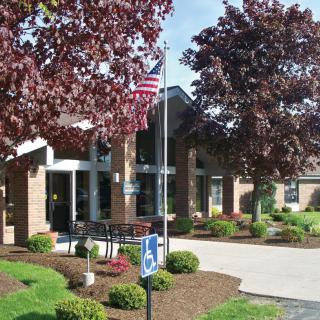






 Social Security Benefits and Assisted Living: Navigating Options Across the U.S.
 An Extensive Exploration of the VA Aid and Attendance Benefit
 Senior Transition Services: Understanding Their Role, Cost, and Importance