Residents and families frequently describe staff as kind and communicative.
Many reviews highlight friendly, available staff who help with questions and support. Several families specifically mention nursing staff communicating well and being patient with residents. A few visitors also describe smooth experiences during visits, admissions, and day-to-day help. At the same time, other reviews say communication and follow-through can break down, especially when call buttons and care needs are time-sensitive.
common23 reviews mention this
Dining quality is mixed
Dining gets both praise and complaints, with concerns about meals and waits.
Some residents and families describe meals positively, including restaurant-style dining and food that feels better than expected. Others report food quality issues such as being processed, served cold, or not meeting dietary needs. Several negative reviews also mention long waits for meals, which residents found unacceptable. Overall, dining is consistently mentioned, but experiences vary widely by reviewer.
caveat31 reviews mention this
Care staffing concerns raise risk
A recurring concern is that staffing and care follow-through are inconsistent.
A large share of critical reviews describe understaffing, difficulty getting help, and slow response times for care needs. Multiple reviewers mention call button delays, aides being unavailable, and residents going long periods without basic assistance. Some describe issues during rehabilitation or long-term care, including missed medication timing and limited therapy. Even among more positive accounts, a few note slower call responses or limited bathing assistance, reinforcing that coverage can be uneven.
common11 reviews mention this
Community activities get noticed
Residents and families often point to regular activities and events.
Reviews frequently mention community events and outings, including holiday celebrations, cookouts, and family-invited activities. Some families describe visiting to see residents engaged with music and games, and others mention activities that support rehab progress. A review also calls out activities like Bingo as part of the routine and daily functions. Overall, planned social time appears to be a meaningful part of day-to-day life for many reviewers.
caveat6 reviews mention this
Food service expectations on rehab
Several reviews raise concerns about rehab care consistency.
Some reviewers describe negative rehab experiences, including therapy not matching what they expected after surgery or falls. Others mention missed medication timing or lack of care coordination during recovery. There are also a couple of more balanced notes that therapy helped residents progress, but rehab-related concerns show up clearly in critical reviews. If you’re considering rehab, these comments suggest it’s important to ask how therapy plans and support are monitored day to day.
How we summarize
Counts show how many written reviews mention each theme; a review can touch several themes, and only frequently mentioned themes are displayed.
Features
Housing
190 resident community capacity
Studio apartments
Types of Care
Assisted Living
Continuing Care Retirement Community (CCRC)
Independent Living
Memory Care
Skilled Nursing Facility
Amenities
Air-conditioning
Beautician on-site
Beauty salon
Cable or satellite TV
Computer center
Fitness room
Fully furnished
Gaming room
Garden
Housekeeping services
Kitchenette
Laundry
Move-in coordination
Outdoor space
Private bathrooms
Restaurant-style dining
Small library
Telephone
Wellness center
Wi-Fi/high-speed internet available
Transportation
James M Cox Dayton International (15 miles away)
Community operated transportation
Transportation & parking
Transportation arrangement
Transportation arrangement (non-medical)
Care Services
24-hour call system
24-hour supervision
Activities of daily living assistance
Assistance with bathing
Assistance with dressing
Assistance with transfers
Diabetes diet
Hospice care
Meal preparation and service
Medication management
Physical therapy
Special dietary restrictions
Dining
Diabetes diet
Room service
Special dietary restrictions
Activities
Community-sponsored activities
Concierge services
Fitness programs
Planned day trips
Religious services
Resident-run activities
Scheduled daily activities
Languages Spoken
English
Videos
Nearby Places of Interest
Pharmacies
CVS Pharmacy (0.5 miles)
Walgreens (2.3 miles)
CVS Pharmacy (2.8 miles)
CVS Pharmacy (3.1 miles)
Home Med Equipment & Respiratory (3.4 miles)
Discount Drug Mart (3.6 miles)
Rite Aid (3.6 miles)
Physicians
Wright State Physicians (0.7 miles)
Kirkland Family Practice (0.9 miles)
Dayton Colon & Rectal Center (0.9 miles)
Woods Kamal R MD - Kamal R Woods, MD, FAANS (1.7 miles)
Dayton Physicians Network at Greater Dayton Cancer Center (2 miles)
The features offered at Walnut Creek Campus are integral to enhancing the quality of life for residents experiencing dementia or Alzheimer's disease. Assistance with dressing and bathing promotes dignity and personal hygiene, which is crucial for self-esteem and well-being. Medication management ensures that residents receive the correct dosages at the right times, minimizing health risks associated with cognitive decline. Meal preparation and service not only address nutritional needs but also create a comforting routine around dining. Support with activities of daily living helps maintain independence as much as possible while fostering a sense of normalcy. Assistance with transfers enhances mobility and safety, reducing the risk of falls or injuries. The presence of 24-hour supervision provides peace of mind for both residents and their families, ensuring that help is always readily available. Furthermore, physical therapy facilitates ongoing mobility and engagement, helping to slow cognitive decline and improve overall physical health through structured exercise tailored to individual capabilities.
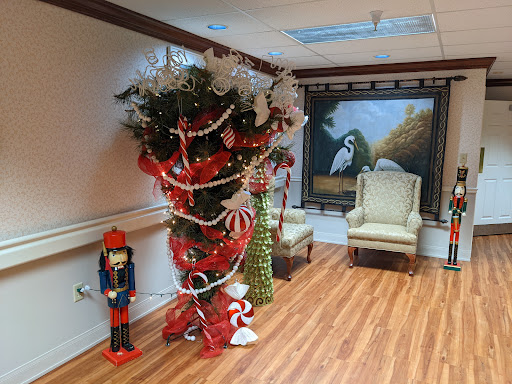
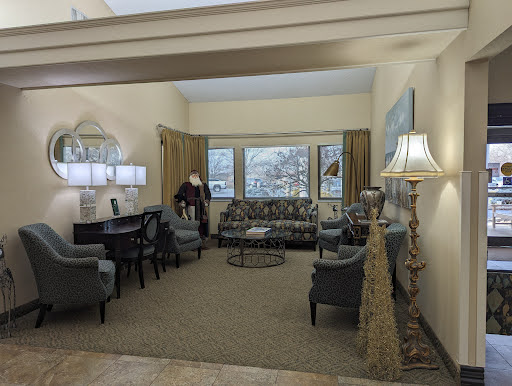
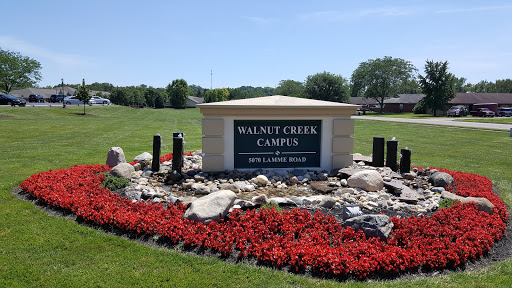
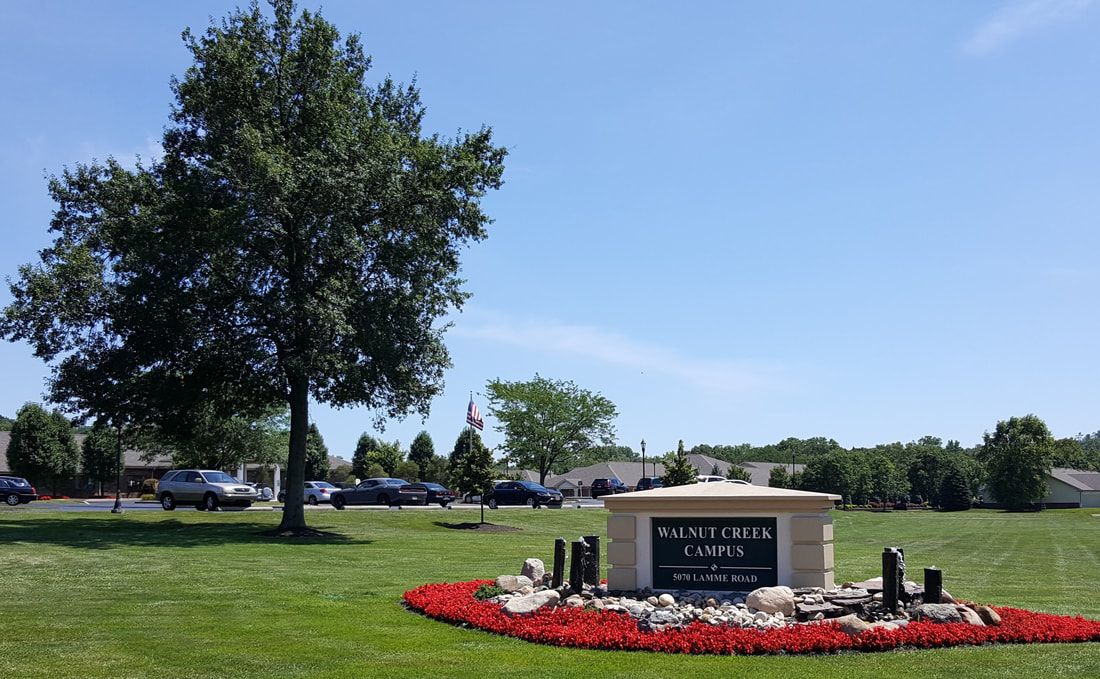
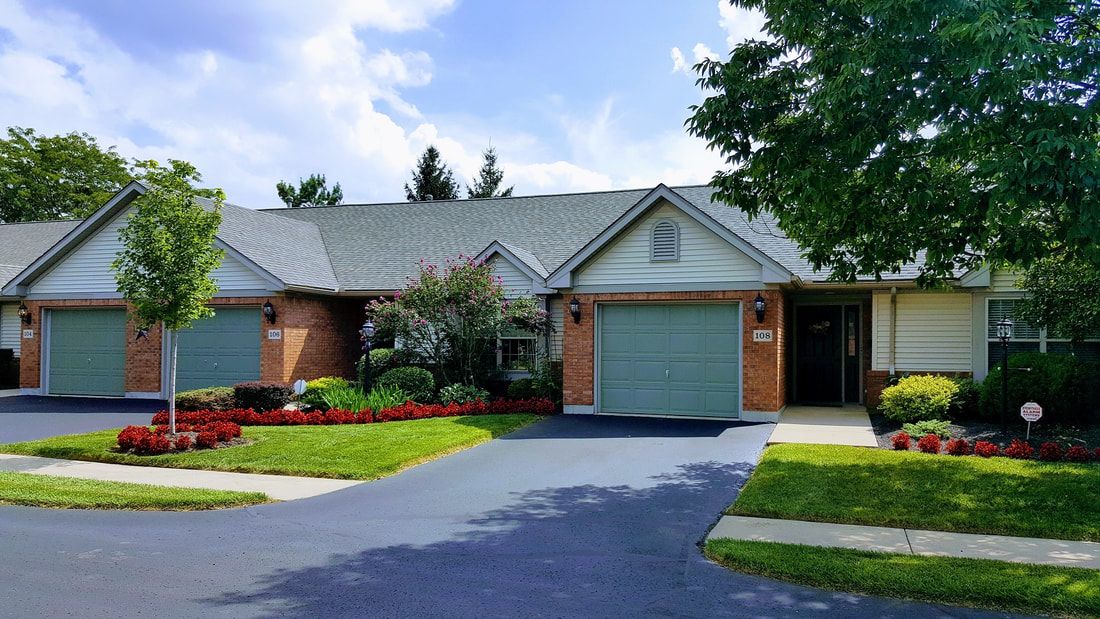
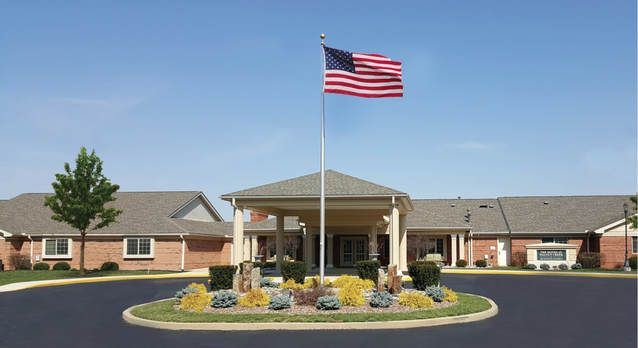
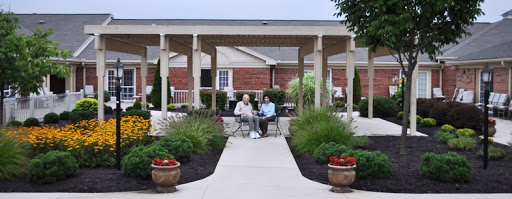
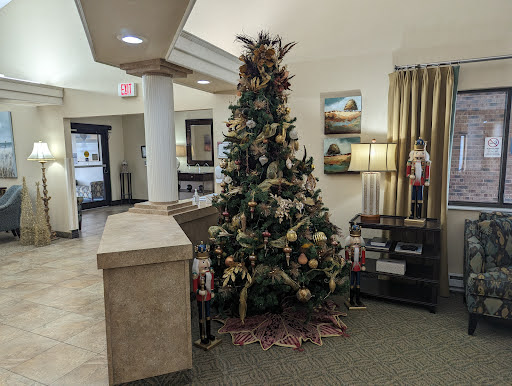
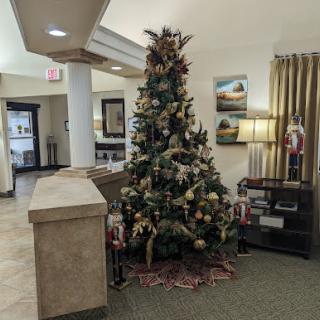
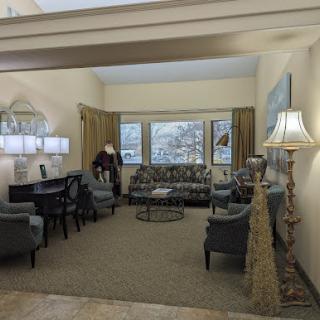
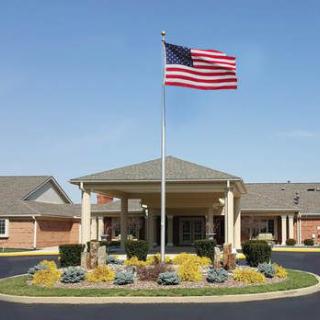
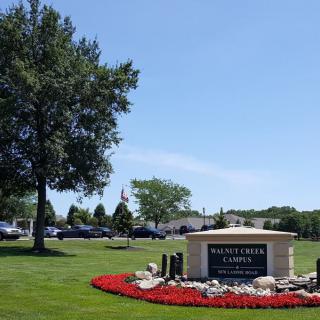
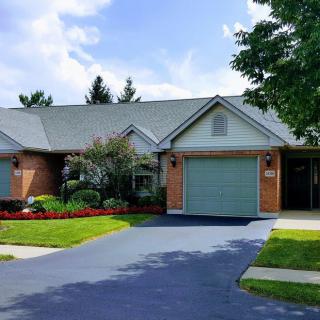
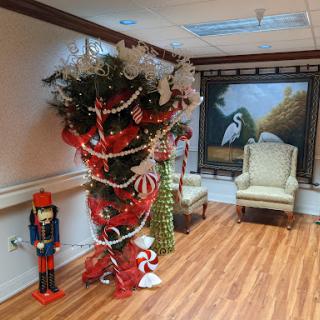
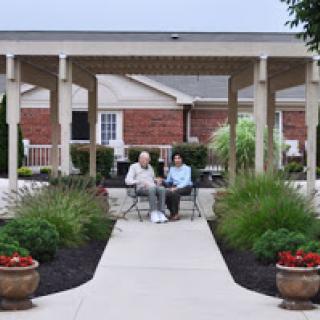
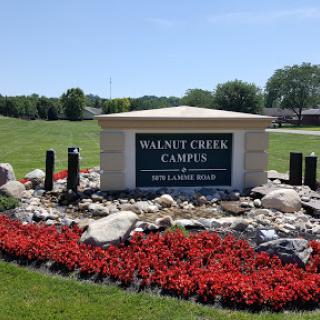
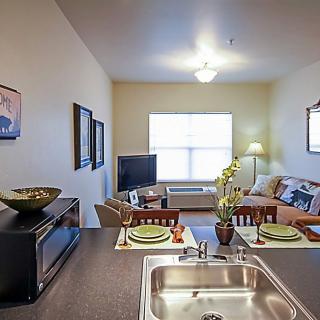
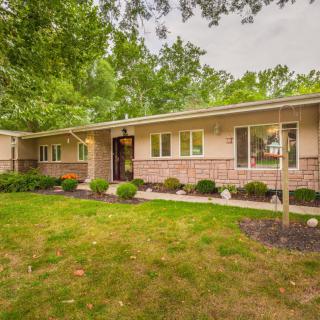
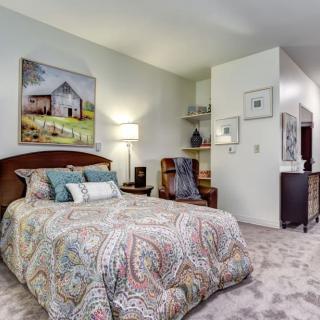
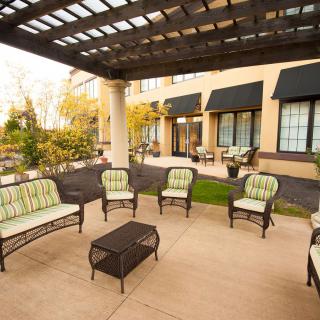
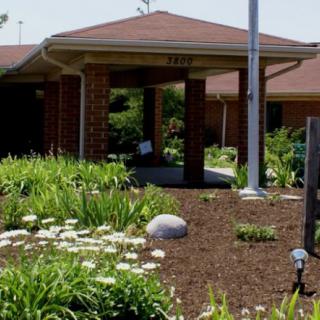
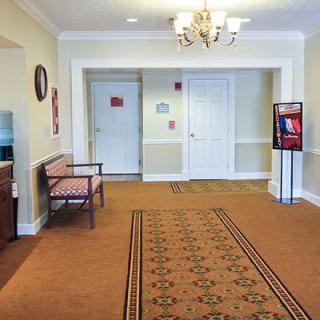
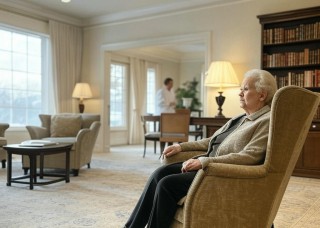
Walnut Creek Campus on seniors.fyi includes 8 photos including images showing landscaping, interior, flag, outdoor, tree, decor, living room, trees, and more.
Nearby Communities
Suites at Walnut Creek
Kettering, OH
3.7 from 32 reviews
Caring, attentive staff with a welcoming atmosphere and proximity to family; Medicaid certified.
Creekside Villas
Dayton, OH
3.5 from 33 reviews
$650 / month
Well-maintained, clean grounds with responsive staff that supports independent living.
The Wellington at Dayton
Dayton, OH
4.4 from 181 reviews
$2,295 to $5,200 / month
Friendly, caring staff; clean environment; engaging activities for residents.
Family Tree - Washington Township
Dayton, OH
$4,500 to $5,000 / month
Comprehensive care and rich amenities (high acuity care, diverse dining options, on-site activities, and broad devotional services).
Heartland Hospice Services
Dayton, OH
3.7 from 12 reviews
Great access to healthcare and local amenities.
Vienna Springs Health Campus
Miami Township, OH
4.7 from 41 reviews
Beautiful, modern facility with attentive staff and engaging activities.
The Carlyle House
Kettering, OH
4.2 from 34 reviews
$3,000 to $5,500 / month
Warm family atmosphere with caring staff and engaging activities.
Wood Glen Alzheimer's Community
Dayton, OH
2.5 from 41 reviews
Dementia-focused staff and a warm, community atmosphere.
Trinity Community at Miami Township
Dayton, OH
4.7 from 69 reviews
$2,400 to $2,650 / month
Well-maintained facilities with friendly staff and an active community; comparatively affordable for the area.
Dementia, primarily caused by Alzheimer's disease but also linked to other conditions, leads to cognitive decline impacting memory and daily functioning, with individuals experiencing varied awareness of their impairments. Despite memory loss, emotional connections persist, enabling responses to familiar stimuli, highlighting the need for caregivers to provide compassionate support that recognizes both limitations and retained emotional depth.
The article presents five subtle indicators of dementia, such as memory lapses and mood swings, to help families assess cognitive decline in loved ones. It emphasizes early detection, open communication, and seeking professional help while providing practical support steps.
Dementia encompasses progressive neurological disorders that impair cognitive functions and can lead to paranoia due to cognitive decline and emotional changes. The article discusses the triggers of paranoia in dementia, caregiver strategies for managing it, and the importance of distinguishing between dementia-related paranoia and other psychiatric conditions.
Get PricingAsk A QuestionSchedule A TourContact Senior Advisor
By clicking submit, you agree to our Partner's Terms of Use. You
also consent to receive calls and texts, which may be autodialed, from our Partner. Your consent is not a condition to
using our Partner's service. Please visit our Partner's Privacy Policy for information about their privacy practices.

 190 resident community capacity
 Studio apartments
 Assisted Living
 Continuing Care Retirement Community (CCRC)
 Independent Living
 Memory Care
 Skilled Nursing Facility
 Air-conditioning
 Beautician on-site
 Cable or satellite TV
 Computer center
 Fitness room
 Fully furnished
 Gaming room
 Garden
 Housekeeping services
 Kitchenette
 Laundry
 Move-in coordination
 Outdoor space
 Private bathrooms
 Restaurant-style dining
 Small library
 Telephone
 Wellness center
 Wi-Fi/high-speed internet available
 James M Cox Dayton International (15 miles away)
 Community operated transportation
 24-hour call system
 Activities of daily living assistance
 Assistance with bathing
 Assistance with dressing
 Assistance with transfers
 Diabetes diet
 Hospice care
 Medication management
 Physical therapy
 Special dietary restrictions
 Concierge services
 Planned day trips
 Religious services
 English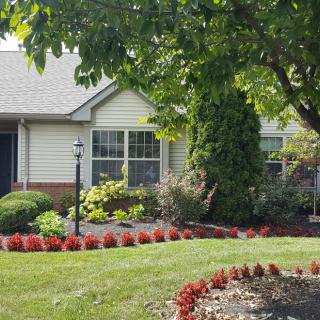
 Caring, attentive staff with a welcoming atmosphere and proximity to family; Medicaid certified.
 Delving into the Inner World of Dementia: Insights into Thoughts and Awareness
 Five Subtle Dementia Indicators to Observe: An In-Depth Guide to Understanding “Does My Mom Have Dementia?”
 Dementia, Paranoia, and Caregiver Guidance: Understanding the Connection