At Trinity Community, the monthly cost for a private room is $3,772, which positions it as a more affordable option compared to the average rates in Montgomery County ($3,974) and across Ohio ($4,771). This pricing reflects Trinity Community's commitment to providing high-quality care while maintaining accessibility for residents. The competitive cost structure not only highlights the organization's dedication to value but also offers potential residents a compelling choice within the regional landscape of senior living options.
Floor plans
Trinity Community
Montgomery County
Ohio
Private
$3,772
$3,974
$4,771
Assisted Living communities with a similar price nearby
Some families report long waits and weak responsiveness from staff.
Several reviews describe delayed responses when help is requested, including long call-light or alert-button wait times. A few residents’ family members say they had to repeatedly step in to keep care moving. In those accounts, the issue is framed less as a one-off mistake and more as inconsistent follow-through, especially outside of the times when families are present.
caveat5 reviews mention this
Concerns with medications and oxygen
Some reviews raise serious concerns about medications and respiratory care.
A subset of reviews report problems with medication administration and communication around care needs. Others describe oxygen not being provided as expected or being set up incorrectly, leading to worries about safety during stays. Taken together, these accounts emphasize breakdowns in timely updates and continuity between shifts, including situations where family members report having to intervene directly.
How we summarize
Counts show how many written reviews mention each theme; a review can touch several themes, and only frequently mentioned themes are displayed.
At Trinity Community, the monthly cost for a private room is $3,772, which positions it as a more affordable option compared to the average rates in Montgomery County ($3,974) and across Ohio ($4,771). This pricing reflects Trinity Community's commitment to providing high-quality care while maintaining accessibility for residents. The competitive cost structure not only highlights the organization's dedication to value but also offers potential residents a compelling choice within the regional landscape of senior living options.
The comprehensive features offered by Trinity Community are essential in supporting residents with dementia or Alzheimer's disease through tailored care and engagement. Continuous 24-hour supervision ensures that residents are safe and secure, while assistance with activities of daily living, such as bathing, dressing, and transfers, fosters dignity and helps maintain personal hygiene. Meal preparation and service address nutritional needs, promoting overall health, while medication management guarantees the proper administration of necessary prescriptions. The mental wellness program and specialized memory care programming focus on cognitive stimulation and emotional support tailored to individual capabilities, aiding in the enhancement of quality of life for those experiencing mild cognitive impairment or advanced stages of memory loss. Together, these services create a nurturing environment conducive to both physical well-being and mental engagement for residents facing the challenges of dementia-related conditions.
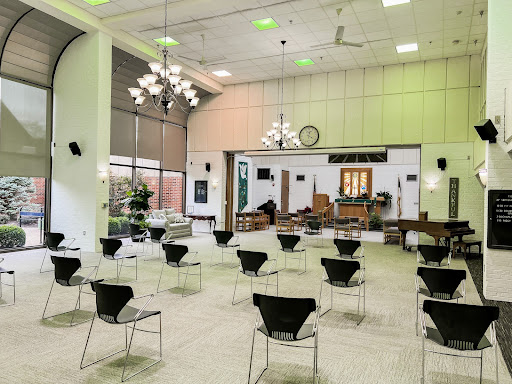
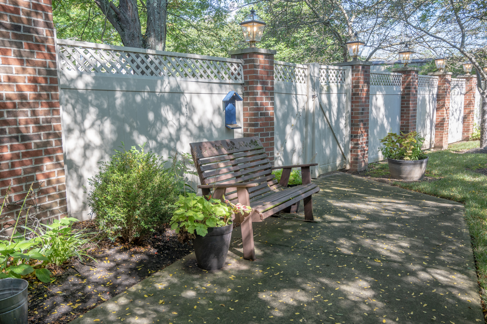
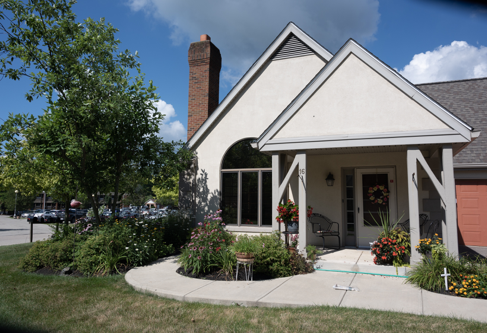
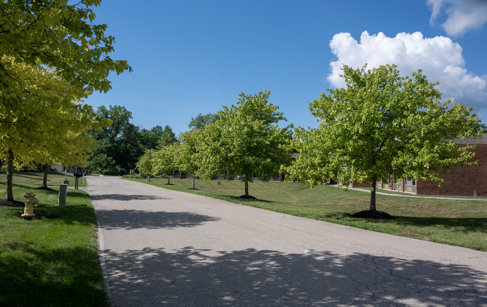
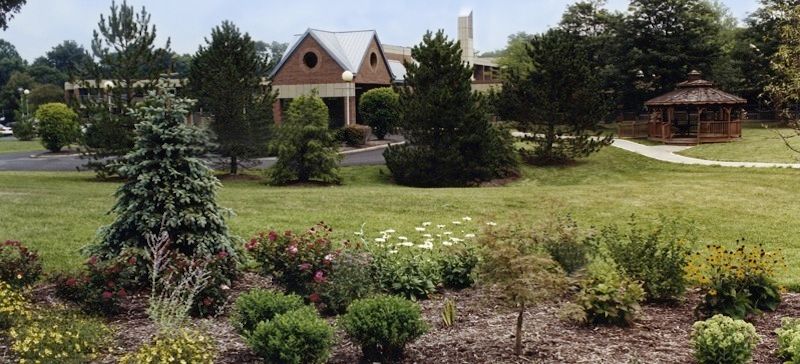
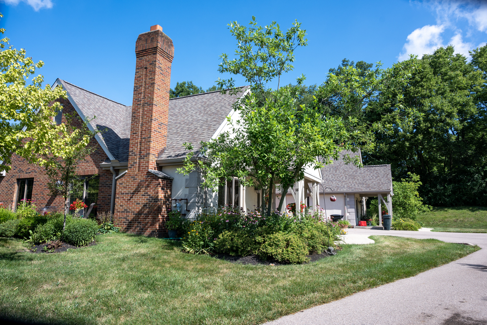
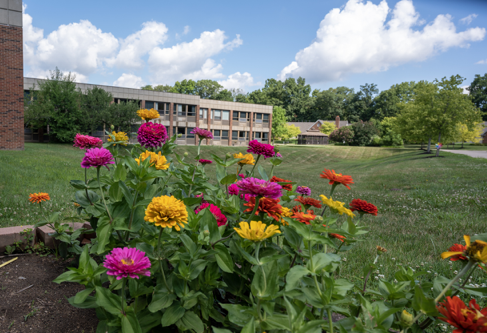
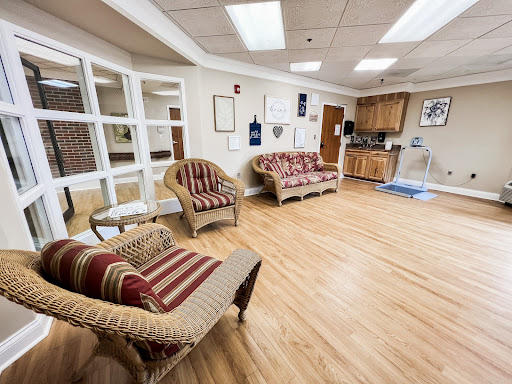
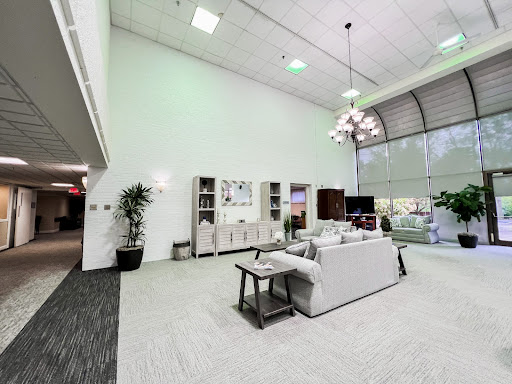
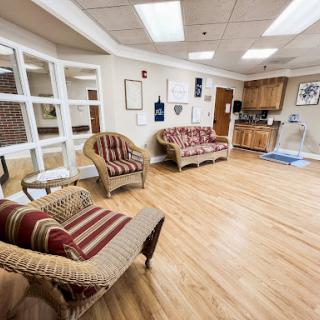
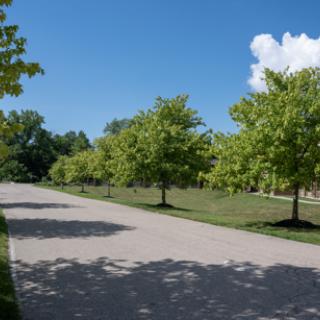
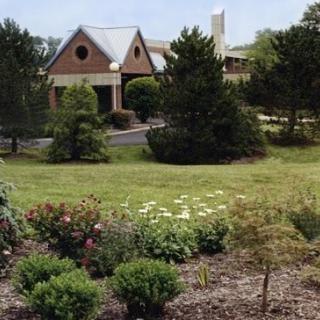
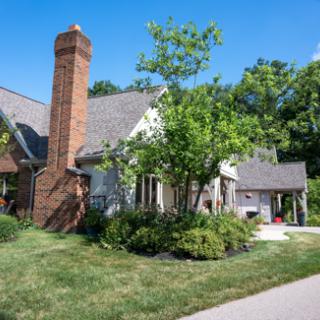
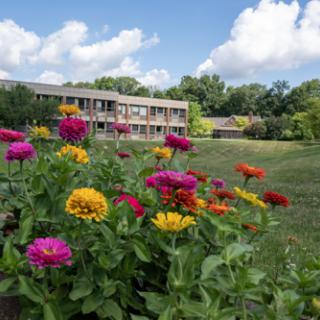
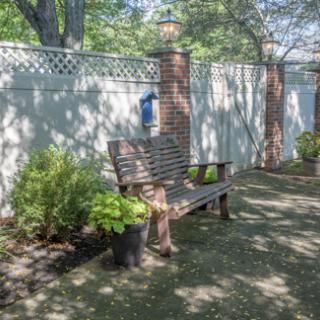
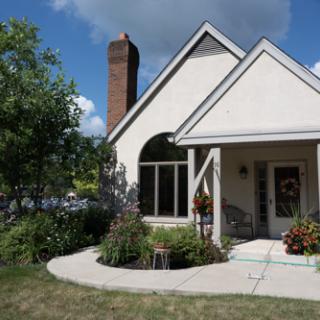
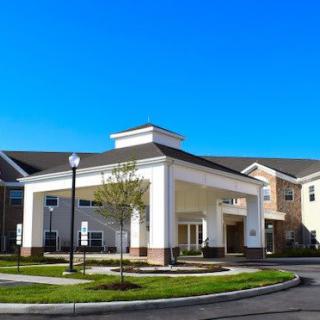
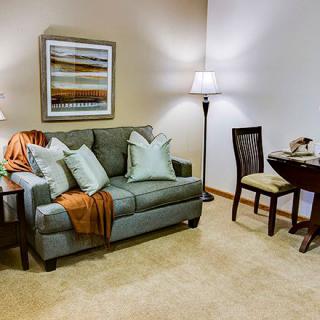
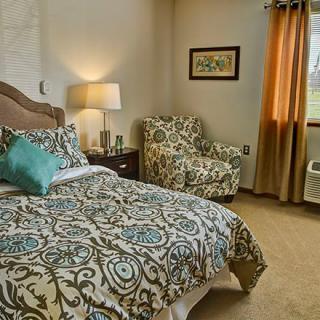
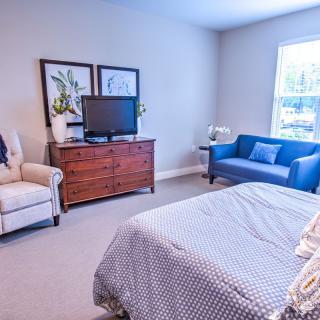
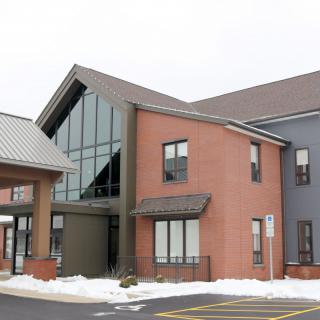
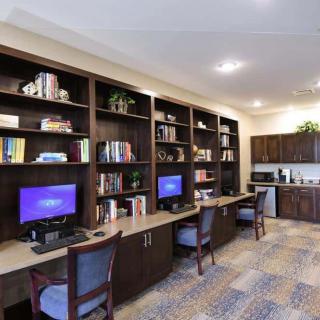
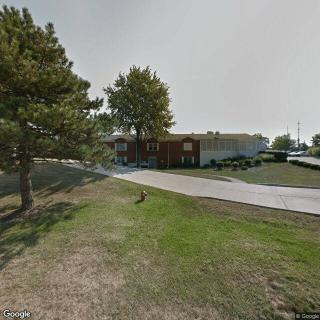
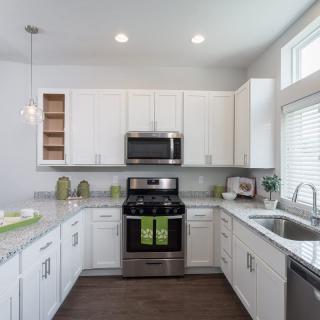
Trinity Community on seniors.fyi includes 11 photos including images showing landscaping, interior, garden, outdoor, nature, decor, architecture, living room, and more.
Nearby Communities
Trinity Community Beavercreek
Dayton, OH
4.3 from 142 reviews
$2,790 to $4,600 / month
Friendly, long-tenured staff with a comprehensive, multi-level care model and engaging activities.
Ballymeade Village
Beavercreek, OH
Intimate setting with personalized care and strong nearby amenities.
Brookdale Beavercreek
Beavercreek, OH
4.7 from 82 reviews
$3,445 to $3,855 / month
Friendly staff in a warm, home-like setting with engaging activities.
Aberdeen Village
Beavercreek, OH
Comprehensive care services (meals, medication management, dressing) with dietary accommodations and Wi-Fi/phone access.
HarborChase of Beavercreek
Beavercreek, OH
4 from 87 reviews
$3,800 to $6,825 / month
Beautiful, clean facility with resort-style dining and ample social spaces.
HarborChase Of Beavercreek
Beavercreek, OH
4.1 from 58 reviews
Beautiful, well-maintained facility with ample amenities and engaging activities.
Traditions of Beavercreek
Beavercreek, OH
4.3 from 112 reviews
$3,795 to $5,195 / month
Beautiful, well-maintained facility with friendly staff and engaging activities.
Village At The Greene
Dayton, OH
3.3 from 77 reviews
$4,950 to $5,820 / month
Beautiful, accessible, well-maintained with caring staff and engaging activities.
Dogwood Commons
Centerville, OH
5 from 50 reviews
$2,264 to $2,620 / month
Friendly, accommodating staff and residents; spacious, well-equipped units.
Vibrant Senior Living emphasizes active senior living communities that promote independence and engagement through diverse amenities and activities, fostering wellness and social interaction among older adults. These communities range from independent to assisted living, with a focus on personal growth, family involvement, financial planning, and leveraging technology to enhance residents' experiences.
Assisted living provides moderate support for seniors seeking independence, while memory care offers specialized support for individuals with dementia or cognitive impairments through structured routines and trained staff. Key differences include care approaches, environment security measures, staff training levels, activity types, and cost considerations.
Choosing between assisted living and nursing homes involves evaluating emotional and financial factors, with assisted living offering independence and support for daily activities at a lower cost, while nursing homes provide intensive medical care for individuals with significant health needs. The decision is influenced by personal preferences, health status, cognitive function, and varying Medicaid coverage across states.
Get PricingAsk A QuestionSchedule A TourContact Senior Advisor
By clicking submit, you agree to our Partner's Terms of Use. You
also consent to receive calls and texts, which may be autodialed, from our Partner. Your consent is not a condition to
using our Partner's service. Please visit our Partner's Privacy Policy for information about their privacy practices.



 123 resident community capacity
 Assisted Living
 Independent Living
 Memory Care
 Skilled Nursing Facility
 Air-conditioning
 Beauty salon
 Cable or satellite TV
 Computer center
 Dining room
 Fitness room
 Fully furnished
 Gaming room
 Garden
 Housekeeping services
 Kitchenette
 Move-in coordination
 Outdoor space
 Private bathrooms
 Restaurant-style dining
 Small library
 Telephone
 Wellness center
 Wi-Fi/high-speed internet available
 James M Cox Dayton International (17 miles away)
 Community operated transportation
 12-16 hour nursing
 24-hour call system
 Activities of daily living assistance
 Assistance with bathing
 Assistance with dressing
 Assistance with transfers
 Diabetes diet
 Medication management
 Mental wellness program
 Special dietary restrictions
 Concierge services
 Planned day trips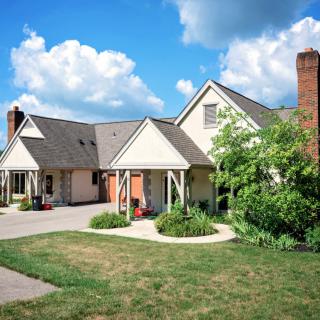
 Friendly, long-tenured staff with a comprehensive, multi-level care model and engaging activities.

 Vibrant Senior Living: A Comprehensive Guide for Active Older Adults
 Assisted Living and Memory Care: Understanding Their Core Differences
 Choosing the Right Senior Care: A Detailed Exploration of Assisted Living and Nursing Homes