Laurelwood Assisted Living Costs & Pricing
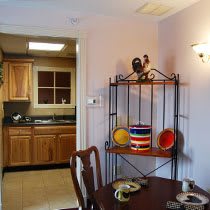
Laurelwood Assisted Living offers competitive pricing for its residents compared to the broader market in Montgomery County and across Ohio. For a studio apartment, the monthly cost at Laurelwood is $2,800, which is significantly lower than the county average of $3,476 and state average of $3,727. When it comes to private rooms, Laurelwood's rate of $3,925 is slightly below Montgomery County's average of $3,974 and considerably lower than Ohio's $4,771. Additionally, their one-bedroom units are priced at $4,100, which stands out against both Montgomery County's average of $3,599 and Ohio's typical rate of $3,712. Overall, Laurelwood offers a valuable option for those seeking quality assisted living accommodations with costs that can alleviate some financial strain while providing quality care.
| Floor plans | Laurelwood Assisted Living | Montgomery County | Ohio |
|---|
| Studio | $2,800 | $3,476 | $3,727 |
| Private | $3,925 | $3,974 | $4,771 |
| 1 Bedroom | $4,100 | $3,599 | $3,712 |
Memory care communities with a similar price nearby
-
from +$395 / mo
Fox Run Senior Living
$3,195 to $4,640 / month
20.8 miles away
-
from +$337 / mo
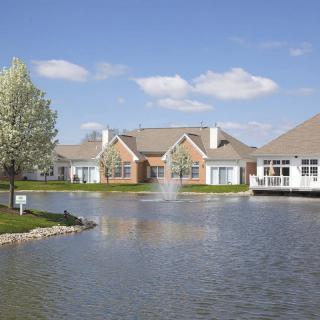
Chesterwood Village
$3,137 to $4,271 / month
21.3 miles away
-
from +$320 / mo
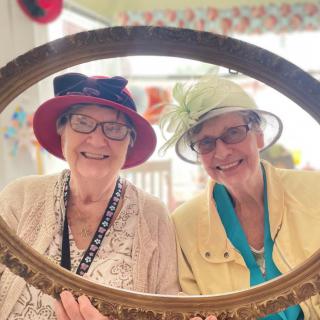
Symphony of Centerville
$3,120 to $4,160 / month
3.0 miles away
-
from +$200 / mo
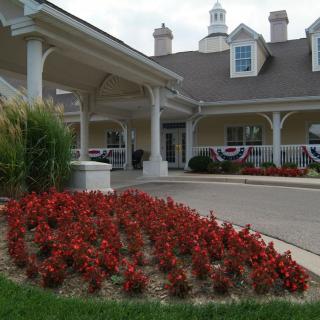
Spring Hills Middletown
$3,000 to $3,900 / month
11.3 miles away
-
from -$505 / mo
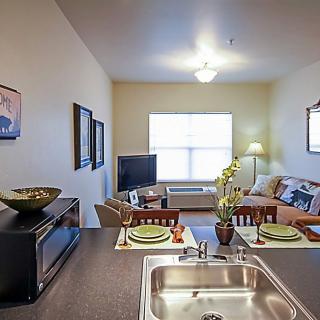
The Wellington at Dayton
$2,295 to $5,200 / month
2.2 miles away
Overall Review of Laurelwood Assisted Living
differentiator
13 reviews mention this
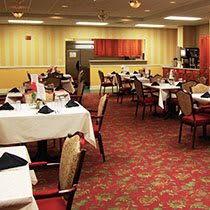
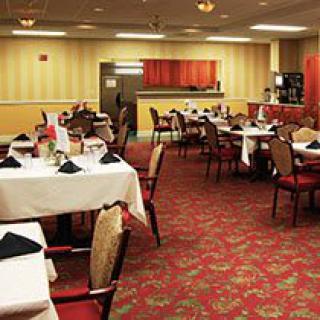
Dining feels restaurant-style
Restaurant-style dining is a standout for many residents and families.
Multiple reviews describe meals as restaurant-quality, with residents and visitors praising both taste and presentation. Several specifically call out special meals and events like holiday or themed dinners, and others mention a professional chef and dining that feels more engaging than cafeteria-style. A few reviews also criticize the menu at times, including residents not enjoying meals or reporting food that runs counter to preferences, so it can vary by taste.
common
28 reviews mention this
Friendly, caring staff
Residents and families repeatedly describe staff as friendly and genuinely caring.
Across reviews, families often say the staff is welcoming, responsive, and compassionate—especially nurses and aides. Many also mention practical support like helping with daily tasks and medication management, along with staff who take time to communicate and address concerns. A smaller set of reviews raises issues related to attention and consistency, but even those critiques still reflect that residents interact with real caregivers day to day.
common
22 reviews mention this
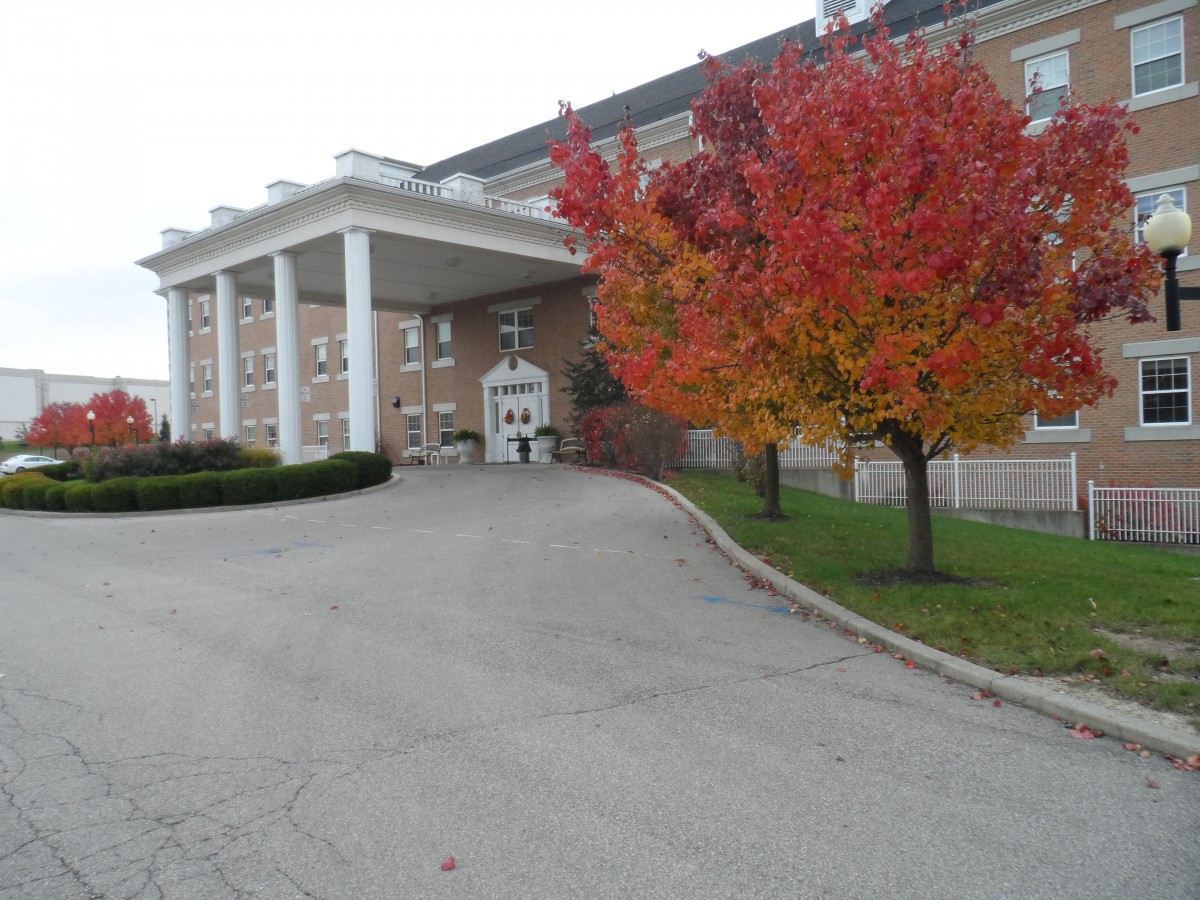
Clean, well-kept environment
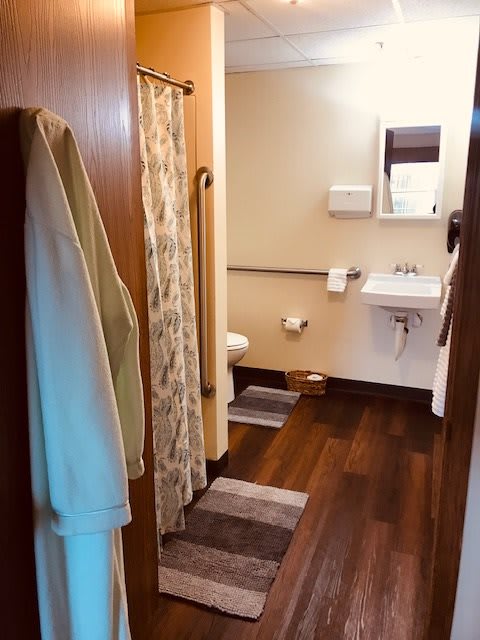
The facility’s cleanliness and upkeep are frequently mentioned in reviews.
Many reviewers say the community is clean, well maintained, and free of unpleasant odors when they visit. Several also describe rooms and common areas as kept up, and some highlight details like grab bars, pull cords, and responsive maintenance for day-to-day comfort and safety. A few negative reviews contradict this with concerns about cleanliness or neglect, especially in memory care, so cleanliness is a broadly positive theme but not universal.
common
18 reviews mention this
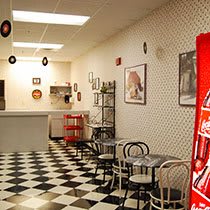
Activities keep residents engaged
Activities and outings are a consistent part of life here.
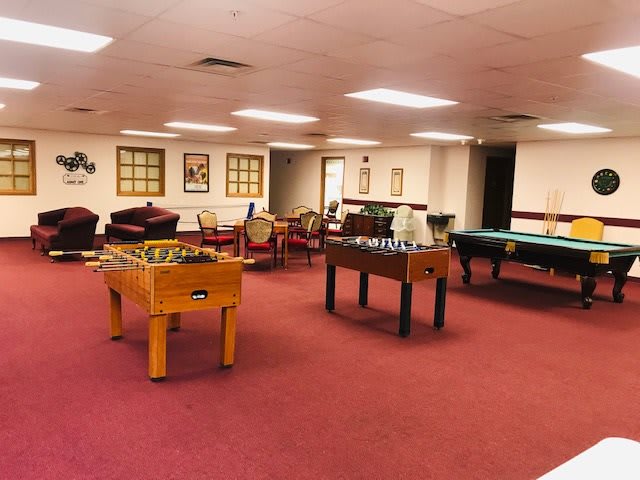
Residents and families commonly mention a busy schedule of events, including music, games, arts and crafts, and religious services. Several reviews describe social highlights such as birthday recognition, happy hours, and themed gatherings, plus opportunities for larger outings beyond the building. A few reviews say engagement was limited at times or that the community felt less active during a particular visit, but the overall pattern is that programming is visible and frequent.
differentiator
8 reviews mention this
Pricing is more affordable
Pricing comes in below county and state benchmarks for multiple unit types.
Reviews and tour impressions often frame Laurelwood as a better value compared with competing options, with some families specifically mentioning it being cheaper or more economical for their situation. This aligns with the listed price positioning showing lower rates than both county and state levels across studio, private, and one-bedroom options. The affordability theme shows up most often in decision-making around fit, rather than as a day-to-day comfort driver.
caveat
11 reviews mention this
Staffing and care consistency concerns
Some reviews raise concerns about staffing levels and day-to-day care consistency.
A recurring negative theme involves short staffing or inconsistent coverage, including comments about delays in attention and concerns about care in specific moments like dining support. There are also several memory-care-focused complaints describing neglect, missed basics, or issues with communication after hospital stays, which is a serious caution for families evaluating that unit type. Even with these concerns, other reviews describe competent, vigilant caregiving—so experiences may differ by time, unit, or staffing coverage.
How we summarize
Counts show how many written reviews mention each theme; a review can touch several themes, and only frequently mentioned themes are displayed.

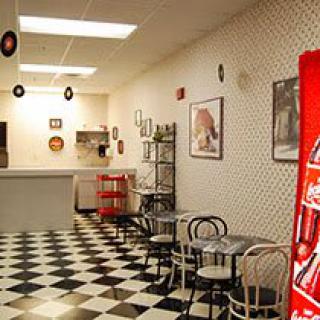
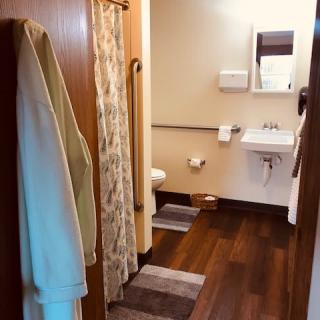
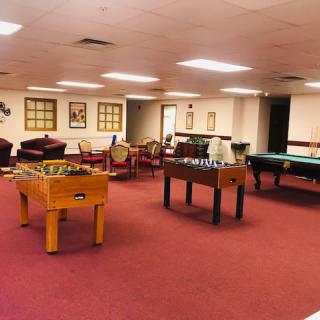
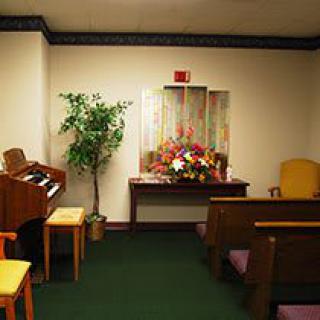
 1-bedroom apartments
 Assisted Living
 Memory Care
 Cats allowed
 Dogs allowed
 Activities off-site
 Air-conditioning
 Beautician on-site
 Cable or satellite TV
 Ground floor units
 Handicap accessible
 Indoor common areas
 Outdoor common areas
 Private bathrooms
 Respite or short term stays offered
 Wheelchair accessible showers
 Wi-Fi/high-speed internet available
 James M Cox Dayton International (18 miles away)
 Ambulatory care
 Diabetic care
 High acuity care
 Incontinence care
 Medication management
 Guest meals
 Art classes
 Cooking classes
 Day trips and outings
 Educational speakers / life long learning
 Forever fit
 Happy hour
 Karaoke
 Live dance or theater performances
 Live musical performances
 Live well programs
 Other religious services
 Wine tasting
 Dementia-focused staff and a warm, community atmosphere.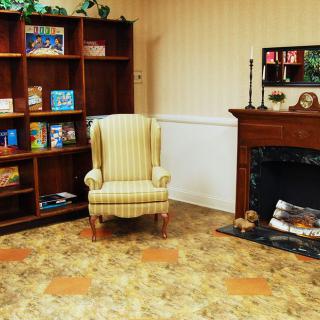

 8 Important Indicators That Memory Care May Be Necessary
 Delving into the Inner World of Dementia: Insights into Thoughts and Awareness
 Five Subtle Dementia Indicators to Observe: An In-Depth Guide to Understanding “Does My Mom Have Dementia?”