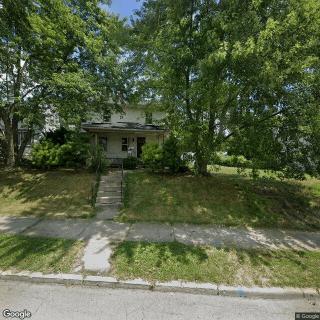
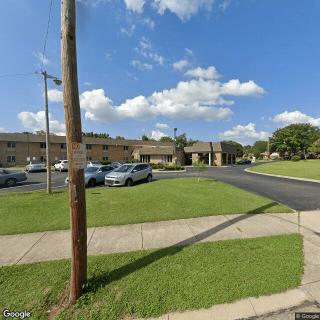
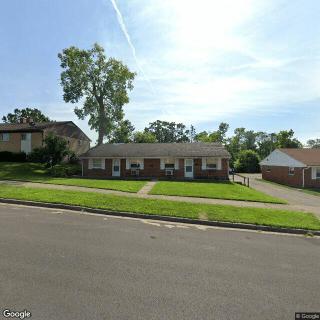
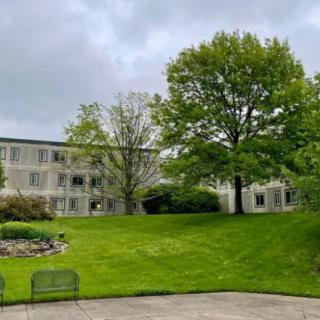
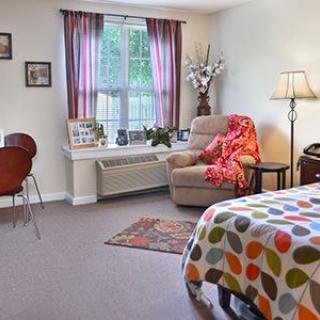
Austin Court in Dayton, OH
Save
Information last verified:
1079 Bertram Ave, Dayton, OH 45406
For more information about senior living options: (844) 490-3973
This community is best suited for no one who expects steady, respectful, resident-centered service in a senior living context. Based on the pervasive pattern in the feedback, it functions more as a place where cost trimming and bureaucratic friction overshadow daily care or meaningful assistance. Families should be prepared for inconsistent staff engagement, blunt or curt interactions, and a culture where residents occasionally must push to be heard. In short, the fit here is narrow: it works only if cost is the dominant barometer and if self-advocacy among residents or family proxies is continuously exercised to keep wheels turning. For anyone seeking reliable care coordination, compassionate communication, and proactive problem solving, this is not the right match.
Those evaluating options for aging relatives should explicitly consider alternatives if daily living support, prompt communication, and trustworthy accountability matter. Reviewers repeatedly describe front-line staff as rude or unhelpful, with some reports flagging unresponsiveness and poor phone coverage. A handful of interactions are noted as polite, but those positives are sporadic and do not counterbalance the broader pattern of frustration and perceived disengagement. For families with residents who require timely help, medication oversight, or a consistent point of contact, the impetus to explore other communities rises sharply. The message across reviews is clear: when service reliability is non-negotiable, this is not a first-choice option.
From a practical standpoint, the few pros that emerge, occasional courteous exchanges, moments of well-meaning staff interaction, and brief instances of smoother check-in, do not meaningfully offset the main drawbacks. The dominant themes are a high degree of staff turnover, questions about accountability, and a recurring sentiment that resident concerns can disappear into the queue rather than prompt action. The contrast between isolated positive touchpoints and the overall churn in many staff encounters makes it difficult to rely on predictable quality. In the decision calculus for an assisted living choice, reliability and consistency of care far outweigh limited, episodic kindnesses.
To separate signal from noise, prospective families should conduct a rigorous on-site assessment focused on process, not only personnel. Ask about wait times for routine needs and how quickly staff respond to urgent requests, and request concrete examples of how resident concerns have been escalated and resolved. Inquire about staff training, turnover rates, and the presence of an active resident or family advisory committee. Look for transparent complaint handling, measurable service goals, and routine oversight by a supervising administrator. The absence of clear, consistent accountability mechanisms is a red flag, and the best next step is to verify these systems with current residents and families who can share recent experiences beyond a single visit or a handful of interactions.
Candidly, families should weigh the value proposition against the operational realities described in reviews. If safety, dignity, and dependable care management are non-negotiable, there are clearly stronger options in the market, communities with reputations for responsive administration, steady staffing, and proactive problem solving. For residents whose needs are relatively light, whose families can tolerate a degree of administrative friction, or who prioritize cost and location above all else, this site may still be a workable stopgap. However, the fairness of the price-to-service balance is hard to justify when countless feedback threads center on unhelpful staff, troubling communication gaps, and a general sense of being underserved.
In sum, this community should be approached with cautious realism. It is not advised for families seeking reliable daily support, coordinated medical oversight, or a consistently respectful environment. The decision leans heavily toward alternatives that promise steadier staffing, clearer accountability, and a culture of resident advocacy. Those who pursue this option should do so with a concrete plan: visit multiple times at different hours, speak with several staff members and residents, demand transparent policies and performance data, and enter with a clear expectation that self-advocacy and diligent oversight will be needed to secure satisfactory outcomes. The right choice will come down to whether cost savings can justify the risk of intermittent service and the ongoing effort required to navigate a challenging administrative climate.
Austin Court is an assisted living community located in the vibrant city of Dayton, OH. Surrounded by a plethora of amenities and services, residents can enjoy a fulfilling and enriching lifestyle with easy access to various conveniences.
For those who love a good cup of coffee or a cozy brunch spot, Austin Court is situated in close proximity to three cafes. Whether it's enjoying a morning latte or catching up with friends over a delicious meal, residents have plenty of options nearby.
Nature enthusiasts will appreciate the presence of three beautiful parks nearby. These green spaces offer serene environments for leisurely walks, picnics, or simply soaking in the tranquility of nature.
Maintaining good health and well-being is made easier with six pharmacies within arm's reach. Residents can conveniently fill prescriptions or find over-the-counter medications without much hassle.
When it comes to healthcare, Austin Court has an advantage as it is surrounded by 27 physicians and eight hospitals. This ensures that residents have quick access to medical professionals and specialized care when needed.
Dining options abound with 32 restaurants in the vicinity. From fine dining establishments to casual eateries, residents can explore a variety of cuisines and savor delectable meals without venturing too far from home.
Transportation options are also readily available, with two transportation services nearby. This allows residents to easily travel around the city for appointments or outings without depending solely on their own vehicles.
Spiritual well-being is catered to as well, with two places of worship situated close by. Residents can participate in religious activities and find solace within their faith communities if desired.
Overall, Austin Court offers a convenient and comfortable lifestyle for its residents. With the abundance of amenities nearby including cafes, parks, pharmacies, physicians, restaurants, hospitals, transportation services, and places of worship – there is no shortage of opportunities for socializing, recreation, healthcare access, spiritual fulfillment, and culinary delights.
This part of Dayton, Ohio offers a convenient and diverse range of amenities for seniors considering living in the area. With multiple pharmacies such as Walgreens and CVS within close proximity, access to medications and healthcare supplies is easily accessible. Additionally, there are various dining options including familiar chains like McDonald's as well as local restaurants like Bar Granada and Table 33 for those looking to enjoy a meal out. For medical needs, there are several physicians offices nearby such as Schear Family Practice Network and Dayton Eye Associates. Places of worship like Grace United Methodist Church provide spiritual support, while parks like Deweese Park offer opportunities for recreation and outdoor activities. In terms of healthcare, there are reputable hospitals like Miami Valley Hospital and Grandview Medical Center nearby. For transportation needs, options such as Yellow Cab and U-Haul Moving & Storage are available. Overall, this area of Dayton provides a convenient and well-rounded environment for seniors seeking a comfortable living situation.
Austin Court is located at 1079 Bertram Ave, Dayton, OH 45406 in Montgomery County, Ohio
Skilled Nursing Facilities vs. Nursing Homes: Making Sense of the Differences

Skilled nursing facilities (SNFs) provide high-level medical care and rehabilitation for short-term recovery, typically covered by Medicare after hospitalization, while nursing homes focus on ongoing custodial care for chronic conditions, mainly funded by Medicaid or private payments. The staffing and regulatory structures differ significantly between the two, necessitating clarity for families in choosing appropriate long-term care options.
A Detailed Examination of Nursing Home Costs Across the U.S.

Nursing home care costs in the U.S. vary significantly based on location, level of care, and amenities, with private room prices ranging from approximately $6,700 to over $30,000 monthly. Families need to explore various payment options and conduct thorough research to manage these expenses effectively.
Exploring Nonmedical Home Care: Understanding Services, Costs, and Financial Approaches
Nonmedical home care provides assistance with daily activities and companionship for individuals wishing to maintain independence and quality of life at home, without medical intervention. Its growing popularity is driven by an aging population, the need for supportive environments for recovery, and the emotional benefits of caregiver companionship, while costs vary based on service frequency and location.