Friendship Village offers competitively priced living options compared to both Montgomery County and the broader state of Ohio. For instance, a studio apartment at Friendship Village is priced at $1,636 per month, which is significantly lower than the county average of $3,476 and the state average of $3,727. Similarly, one-bedroom units are available for $1,810, again presenting a much more affordable choice compared to Montgomery County's average of $3,599 and Ohio's average of $3,712. Even two-bedroom apartments at Friendship Village stand out at $2,018 monthly against county and state costs of $2,943 and $3,501 respectively. The value continues with private rooms priced at $2,880 - substantially less than the county's $3,974 and the state's lofty average of $4,771. Overall, Friendship Village provides an attractive alternative for those seeking quality accommodations without the inflated costs typically found in the region.
Floor plans
Friendship Village
Montgomery County
Ohio
Studio
$1,636
$3,476
$3,727
1 Bedroom
$1,810
$3,599
$3,712
2 Bedrooms
$2,018
$2,943
$3,501
Private
$2,880
$3,974
$4,771
Assisted Living communities with a similar price nearby
Several residents and families report trouble getting responses by phone or call system.
A recurring frustration is difficulty reaching the community when families call, with some reviewers saying messages were not returned for days or weeks. Other accounts describe call systems or assistance buttons going unanswered for long stretches. A few reviews also connect those responsiveness problems to delays in care and medication support during rehab and nursing stays.
caveat6 reviews mention this
Care quality feels inconsistent
Reviewers describe major gaps in medication and staffing during nursing or rehab.
While some reviews praise nursing as caring and supportive, multiple negative accounts describe unsafe or neglected care. Several reviewers mention medication issues, including missed medication or medication problems during rehab or nursing. Others describe understaffing and trouble getting the help they needed on the unit, including during restroom and overnight assistance.
common19 reviews mention this
Food is a clear mix
Food gets frequent mentions, ranging from “good” to complaints about temperature and preparation.
Many reviewers call the food good, enjoyable, or a positive part of the day, and several specifically mention dining staff being helpful. At the same time, some reviews report cold meals, undercooked food, or dining service problems such as slow delivery and meal items not being well prepared. Overall, dining appears to land as a meaningful strength for many families, but it is also one of the areas that shows variability across stays and shifts.
common3 reviews mention this
Pricing is often described as lower
Several reviews frame the cost as a strong point compared with other options.
A few reviewers say the price is great or among the best in the area, and one notes the price as average. The listing pricing also shows a broad range across unit types while staying far below county and state benchmarks. That combination aligns with the way multiple reviews talk about affordability, even though other reviews focus more on condition and staffing than on cost.
caveat10 reviews mention this
Facility cleanliness and upkeep
Reviews describe both a clean environment and serious maintenance or cleanliness problems.
Some reviewers praise the community as clean and welcoming, including impressions during tours and visits. Other reviews contrast that by describing unclean conditions and maintenance failures such as sewage backups, mold concerns, and pests, along with areas needing repair or remodeling. Even where reviewers were generally satisfied, several comments suggest the building is dated and in need of upgrades.
common16 reviews mention this
Staff friendliness stands out
Many reviews praise staff as friendly, caring, and helpful.
Across positive reviews, residents and families repeatedly describe staff members as warm and accommodating, with some naming specific team members who helped make the move easier. Several reviewers also describe staff as attentive and responsive in day-to-day interactions, including dining and activities. At the same time, negative reviews frequently pair staffing concerns with communication problems, so the staff experience appears to vary by unit, time, and level of care.
How we summarize
Counts show how many written reviews mention each theme; a review can touch several themes, and only frequently mentioned themes are displayed.
Features
Housing
212 resident community capacity
1-bedroom apartments
2-bedroom apartments
3-bedroom apartments
Detached homes
Studio apartments
Types of Care
Assisted Living
Continuing Care Retirement Community (CCRC)
Independent Living
Memory Care
Respite Care
Skilled Nursing Facility
Pets
Cats allowed
Dogs allowed
Amenities
Activities on-site
Air-conditioning
Beautician on-site
Beauty salon
Cable or satellite TV
Computer center
Devotional services off-site
Dining room
Fitness room
Full kitchen
Fully furnished
Gaming room
Garden
Housekeeping services
Indoor common areas
Kitchenette
Laundry
Move-in coordination
Outdoor space
Overnight guests
Party space
Private
Private bathrooms
Resident parking
Respite or short term stays offered
Restaurant-style dining
Small library
Telephone
Wellness center
Wi-Fi/high-speed internet available
Transportation
James M Cox Dayton International (6 miles away)
Community operated transportation
Transportation & parking
Transportation arrangement
Transportation arrangement (non-medical)
Transportation to doctors appointments
Care Services
12-16 hour nursing
24-hour call system
24-hour supervision
Activities of daily living assistance
Ambulatory care
Assistance with bathing
Assistance with dressing
Assistance with transfers
Diabetes diet
Diabetic care
Meal preparation and service
Medication management
Mental wellness program
Physical therapy
Special dietary restrictions
Dining
Diabetes diet
Meals provided
Special dietary restrictions
Activities
Activities on-site
Community-sponsored activities
Concierge services
Devotional activities offsite
Fitness programs
Planned day trips
Religious services
Resident-run activities
Scheduled daily activities
Languages Spoken
English
Nearby Places of Interest
Pharmacies
CVS Pharmacy (1 miles)
Meijer Pharmacy (2 miles)
CVS Pharmacy (2.6 miles)
Rite Aid (3 miles)
Walgreens (3.1 miles)
Kroger Pharmacy (3.2 miles)
Walgreens (3.5 miles)
Physicians
Primed Physicians (1.1 miles)
Northwest Dayton Eye Care DRS POWELL JAMBOR and Associates (1.2 miles)
Health Alternatives Associates (1.3 miles)
Dayton Eye Associates (1.4 miles)
Allergy & Asthma Center Of Dayton (1.5 miles)
Michael Verdon, Do, Facos (1.6 miles)
Dayton Lung & Sleep Medicine (1.6 miles)
Cafes
Panera Bread (1.9 miles)
Starbucks (2 miles)
Winans Chocolates + Co (6.4 miles)
Press (6.9 miles)
Restaurants
Chipotle Mexican Grill (2 miles)
McDonald's (2.4 miles)
Wings Sports Bar & Grill (4 miles)
McDonald's (4.1 miles)
Chick-Fil-A (4.2 miles)
Red Lobster (4.4 miles)
Submarine House (4.4 miles)
Hospitals
Miami Valley Hospital (2.3 miles)
Englewood Health Center (4.4 miles)
Grandview Medical Center (5.5 miles)
Miami Valley Hospital (5.5 miles)
Va Medical Center (5.6 miles)
Premier Health Partners (6.3 miles)
Dayton Children's (6.7 miles)
Parks
Centennial Park (3.8 miles)
Deweese Park (4.1 miles)
Kettering Field (5.5 miles)
RiverScape MetroPark (6.3 miles)
Places of Worship
Grace United Methodist (4.9 miles)
Mount Carmel Missionary Baptist Church (6.8 miles)
Friendship Village offers competitively priced living options compared to both Montgomery County and the broader state of Ohio. For instance, a studio apartment at Friendship Village is priced at $1,636 per month, which is significantly lower than the county average of $3,476 and the state average of $3,727. Similarly, one-bedroom units are available for $1,810, again presenting a much more affordable choice compared to Montgomery County's average of $3,599 and Ohio's average of $3,712. Even two-bedroom apartments at Friendship Village stand out at $2,018 monthly against county and state costs of $2,943 and $3,501 respectively. The value continues with private rooms priced at $2,880 - substantially less than the county's $3,974 and the state's lofty average of $4,771. Overall, Friendship Village provides an attractive alternative for those seeking quality accommodations without the inflated costs typically found in the region.
The comprehensive features offered by Friendship Village significantly enhance the quality of life for residents with dementia or Alzheimer's disease. The 24-hour supervision ensures that individuals are always monitored and supported, providing a safe environment to prevent wandering and accidents. Assistance with activities of daily living, such as bathing and dressing, fosters dignity while promoting independence tailored to each resident's capabilities. The help with transfers reduces the risk of falls, contributing to physical safety. Meal preparation and service not only addresses nutritional needs but also encourages social interaction during mealtimes, enhancing their overall well-being. Medication management is crucial for maintaining health stability, ensuring that residents receive the correct dosages at appropriate times. Additionally, a mental wellness program supports cognitive function through engaging activities that stimulate memory and social connections. Physical therapy aids in maintaining mobility and strength, further improving residents' physical health and quality of life by addressing their unique challenges associated with dementia or Alzheimer's disease.
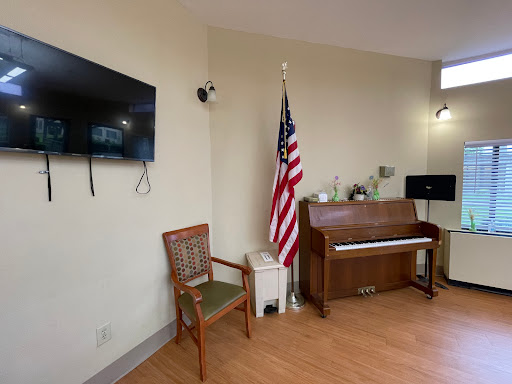
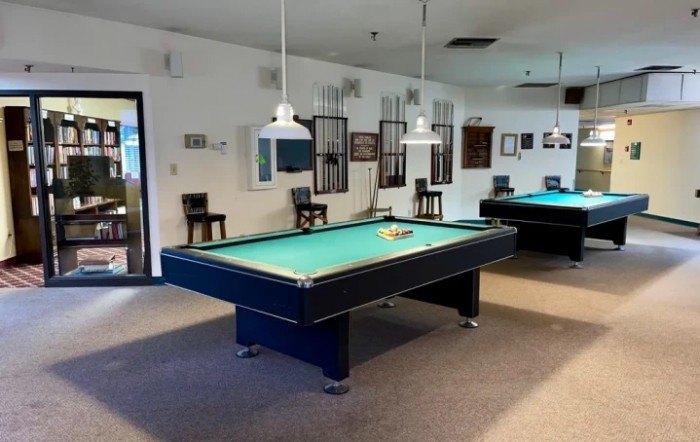
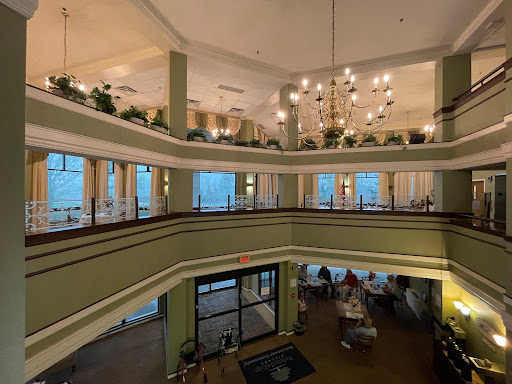
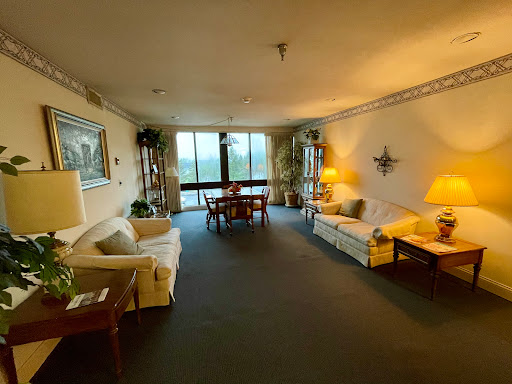
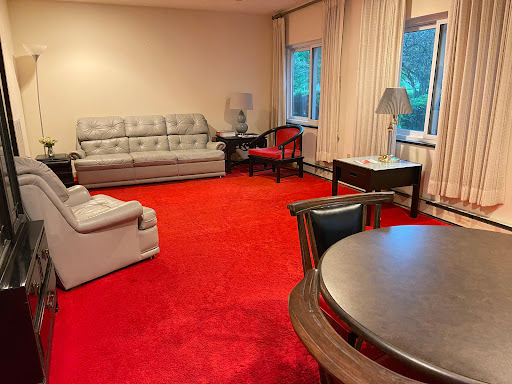
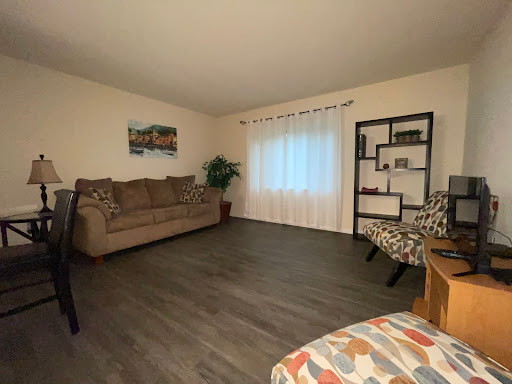
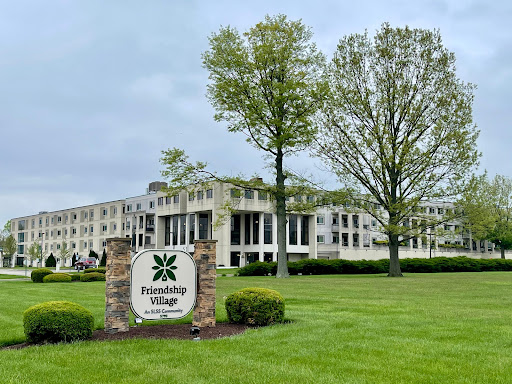
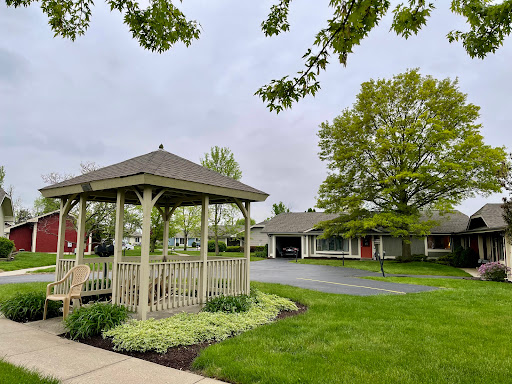
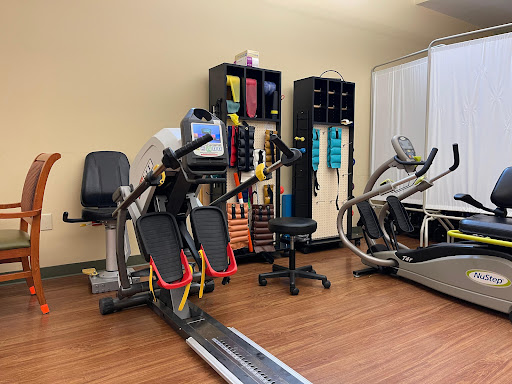
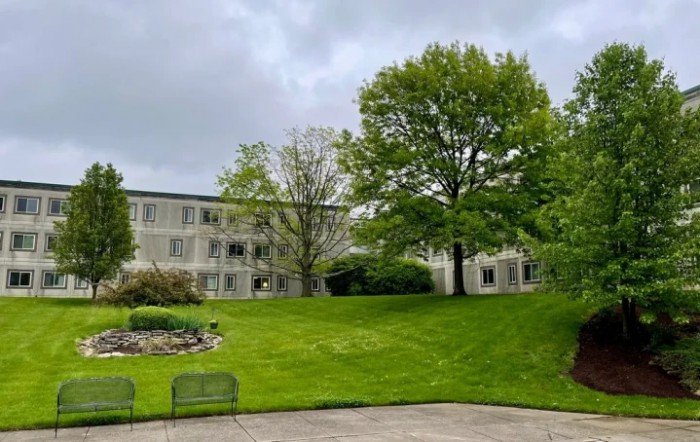
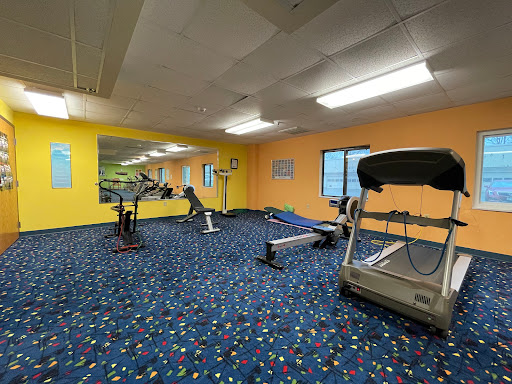
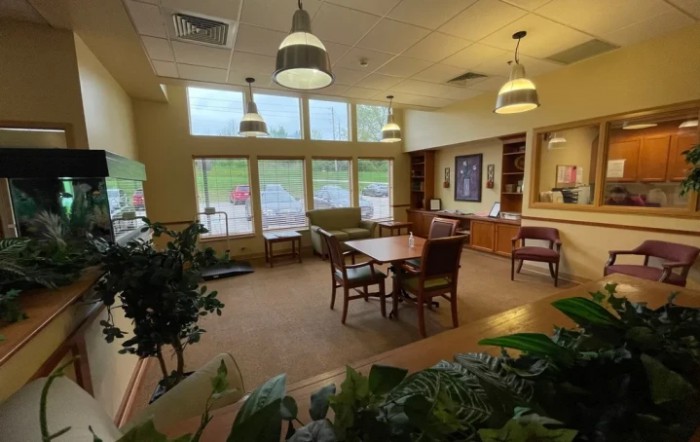
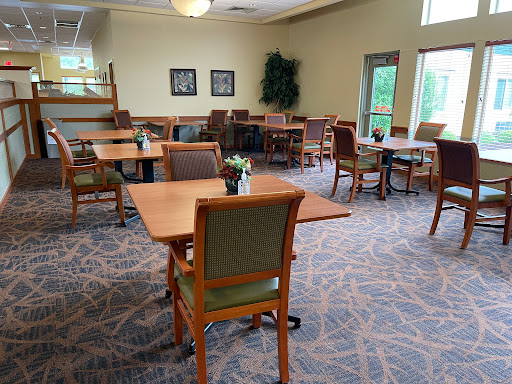
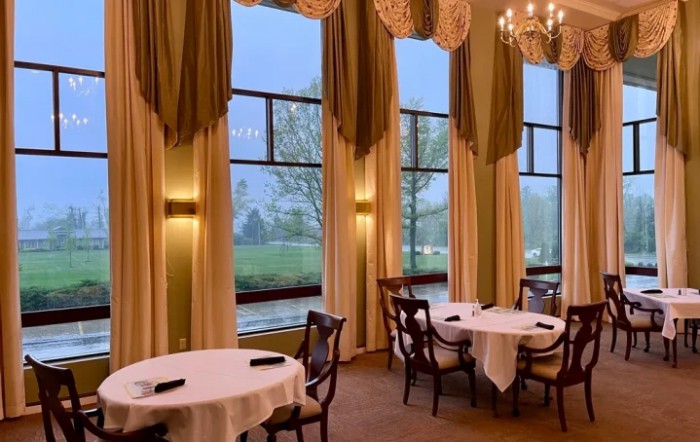
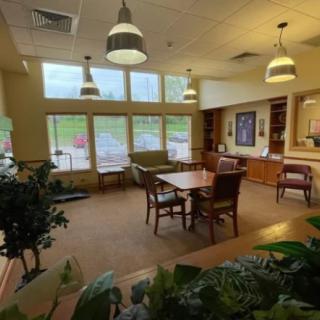
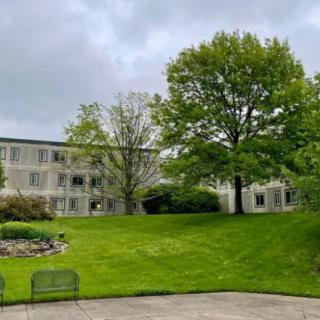
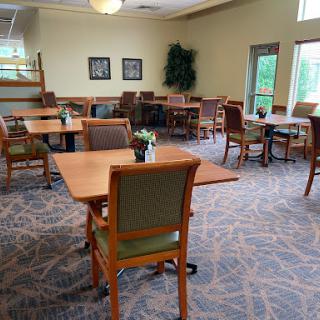
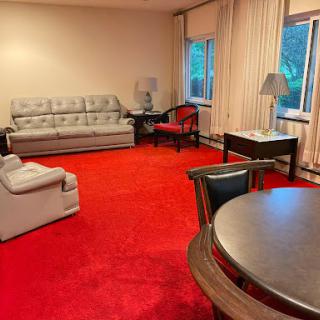
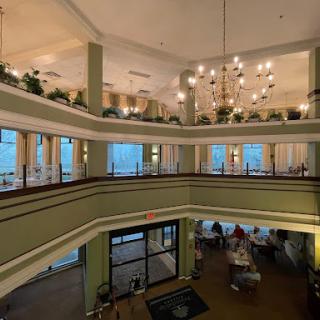
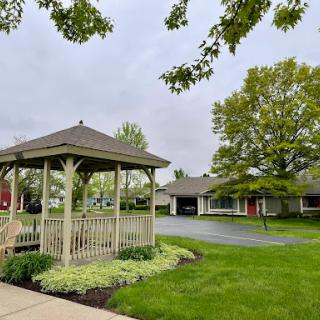
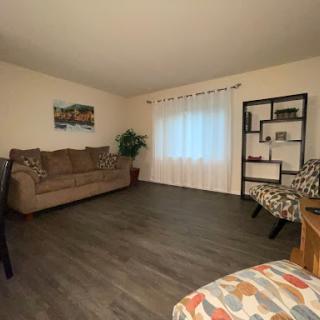
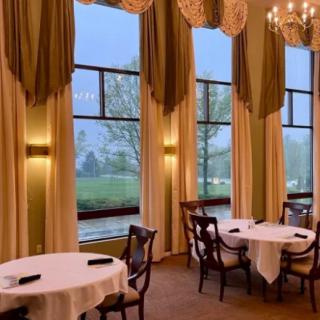
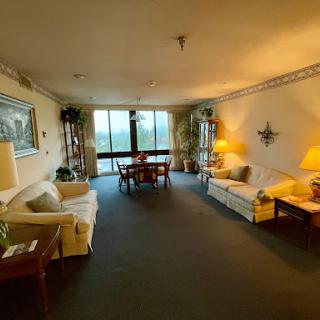
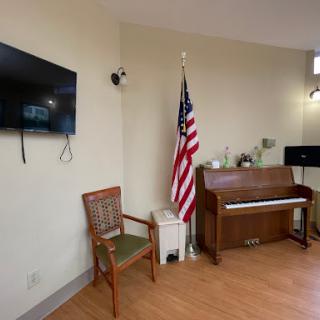
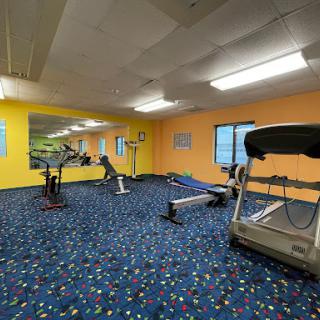
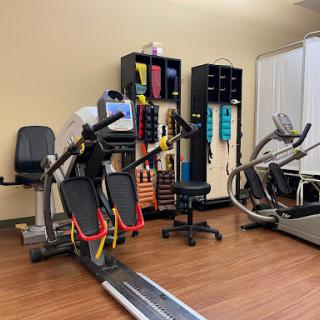
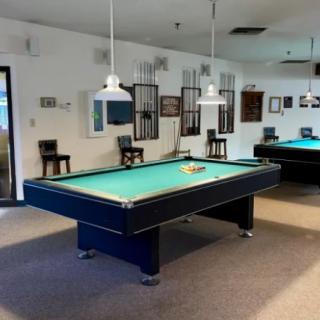
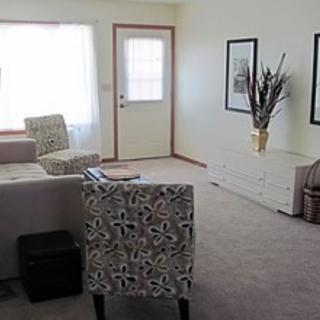
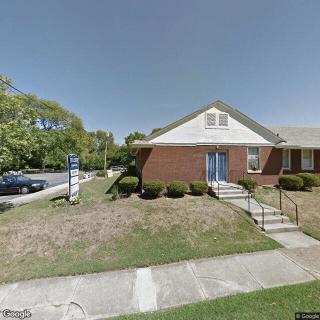
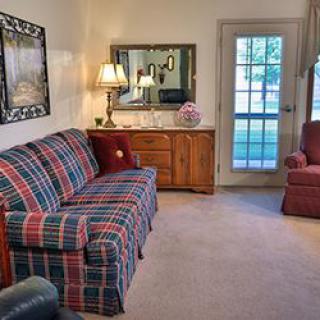
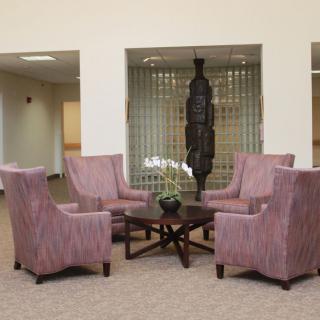
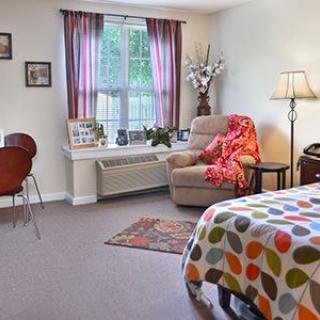
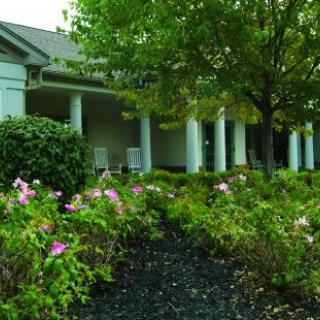
Friendship Village on seniors.fyi includes 14 photos including images showing interior, exercise equipment, windows, living room, landscaping, dining, gym, fitness, and more.
Nearby Communities
Echoing Woods Residential Center
Trotwood, OH
3.4 from 5 reviews
Excellent proximity to cafes, parks, pharmacies, physicians, restaurants, and hospitals.
Sisters of the Precious Blood
Dayton, OH
4.4 from 16 reviews
Warm, caring environment with easy access to healthcare, dining, parks, and spiritual services.
Shiloh Villas
Trotwood, OH
4.8 from 6 reviews
$581 / month
Very affordable two-bedroom rent compared with county and state averages.
Orchard at Shiloh
Trotwood, OH
4.6 from 7 reviews
Near extensive amenities and medical services, enabling an active, convenient lifestyle.
Jewish Federation Covenant Hse
Trotwood, OH
2 from 1 review
Nearby dining, parks, pharmacies, physicians, a place of worship, and hospitals.
Garden Court Nursing And Rehabilitation Center
Dayton, OH
2.5 from 20 reviews
Comprehensive on-site care and amenities, including 24/7 supervision, ADL support, dining options, wellness programs, and transportation.
The transition from assisted living to skilled nursing care is often prompted by complex medical needs that assisted living cannot meet, with key indicators including frequent health declines, increased falls, severe memory issues, and caregiver burnout. Families should recognize these signs early to discuss options with healthcare providers and prepare for the emotional and logistical aspects of moving to a facility that offers comprehensive medical support.
Dementia is characterized by cognitive decline, with nutrition playing a vital role in brain health; while no specific diet can prevent or reverse it, a nutrient-dense diet rich in antioxidants and healthy fats may support cognitive function. The MIND diet, which emphasizes beneficial foods and limits processed items, along with proper hydration and individualized meal strategies, can enhance the well-being of dementia patients.
Dementia affects memory and cognitive function in older adults, presenting challenges for caregivers due to behavioral changes such as confusion and mood swings. Compassionate, person-centered care that considers individual history and preferences, along with effective communication and environmental modifications, is essential for supporting both patients and their caregivers.
Get PricingAsk A QuestionSchedule A TourContact Senior Advisor
By clicking submit, you agree to our Partner's Terms of Use. You
also consent to receive calls and texts, which may be autodialed, from our Partner. Your consent is not a condition to
using our Partner's service. Please visit our Partner's Privacy Policy for information about their privacy practices.



 212 resident community capacity
 1-bedroom apartments
 Detached homes
 Assisted Living
 Continuing Care Retirement Community (CCRC)
 Independent Living
 Memory Care
 Respite Care
 Skilled Nursing Facility
 Cats allowed
 Dogs allowed
 Activities on-site
 Air-conditioning
 Beautician on-site
 Cable or satellite TV
 Computer center
 Devotional services off-site
 Dining room
 Fitness room
 Full kitchen
 Fully furnished
 Gaming room
 Garden
 Housekeeping services
 Indoor common areas
 Laundry
 Move-in coordination
 Outdoor space
 Overnight guests
 Party space
 Private
 Private bathrooms
 Resident parking
 Restaurant-style dining
 Small library
 Telephone
 Wellness center
 Wi-Fi/high-speed internet available
 James M Cox Dayton International (6 miles away)
 Community operated transportation
 12-16 hour nursing
 24-hour call system
 Ambulatory care
 Assistance with bathing
 Assistance with dressing
 Assistance with transfers
 Diabetes diet
 Diabetic care
 Medication management
 Mental wellness program
 Physical therapy
 Special dietary restrictions
 Concierge services
 Planned day trips
 English
 Excellent proximity to cafes, parks, pharmacies, physicians, restaurants, and hospitals.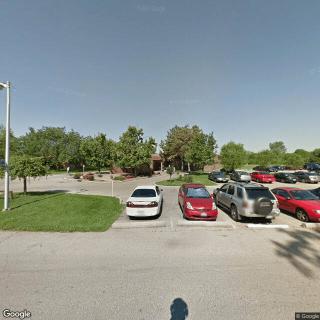

 8 Key Indicators That Suggest It May Be Time to Transition from Assisted Living to Skilled Nursing Care
 Nourishing the Mind: Essential Dietary Approaches for Dementia
 Understanding Dementia Behaviors: Practical Insights and Strategies for Caregivers