
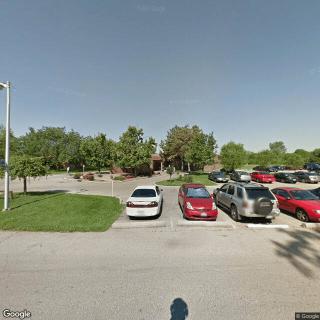
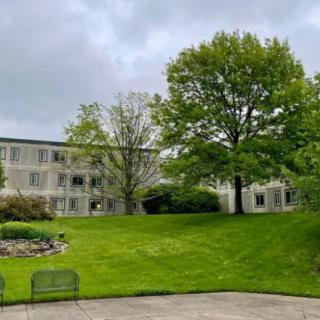
4960 Salem Ave, Dayton, OH 45416
To contact a resident: (937) 278-0871
For more information about senior living options: (866) 208-4318
Overall Review of Sisters of the Precious Blood
Pros
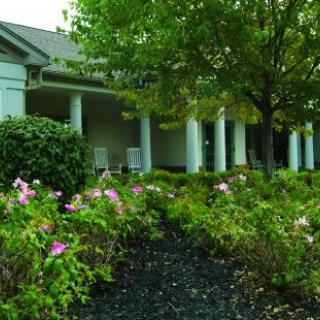
 The people are lovely and the place feels welcoming.
- Everything is warm and friendly.
- The activist sisters cherish the communities where they serve.
- The sisters are very hospitable and loving.
- They have good resources.
Cons
 The sisters pass the buck and send people away to another place when asked for help.
Review
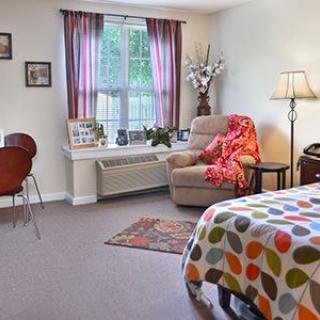
The Sisters of the Precious Blood in Dayton, OH is best suited for seniors who want a warm, community-centric living experience guided by a faith-based, activist-minded sisterhood. This is a setting where hospitality, personal warmth, and genuine connection are the core currency. It fits families seeking a home-like atmosphere with regular, approachable interaction with the Sisters and staff, and where social engagement and moral support feel baked into daily life. In short, it works well for residents who prize belonging, meaningful conversation, and a culture that treats caregiving as a shared mission.
Those considering alternatives should note a few realities. If a resident’s needs are heavily medicalized, requiring high-level nursing oversight, complex memory-care protocols, or highly structured, clinical programming, this community may not be the best fit. Similarly, families who insist on a secular environment with a very formal, impersonal care structure, or who require consistently faultless responsiveness in every interaction, may find gaps that other facilities fill more predictably. The environment here rewards warmth and personal touch, which can translate to occasional variability in task ownership and family-facing clarity. For some, a more tightly managed referral or discharge process elsewhere may feel more reassuring.
The strongest pros are the daily lived hospitality and the sense that residents are cherished. Reviews repeatedly highlight “lovely people and place,” with everything feeling warm and friendly. The Sisters come across as genuinely caring, hospitality and loving engagement are not perfunctory; they’re the operating standard. A second strength is the community-focused ethos: activist sisters who cherish the communities they serve convey a living example of service, which translates into practical generosity, neighborly support, and a palpable sense of purpose among staff and residents alike. For seniors who value social connectedness, spiritual or reflective opportunities, and a network of caring voices, these attributes offset the potential downsides of less rigid operational protocols.
Another notable benefit is the resourceful, communal atmosphere. The environment supports residents through informal networks, quick access to assistance, and a culture of not letting someone fall through the cracks. This translates into meaningful daily interactions and a perception that help is available when needed, not distant or outsourced to an impersonal call center. The combination of warmth, accessibility, and a mission-driven gaze toward the well-being of the community tends to produce high satisfaction among many residents and families, particularly those who place personal relationships at the heart of care.
Yet there are clear caveats to consider. The instruction to “not pass the buck” suggests that, at times, help can feel variably distributed or referral-heavy. Families should approach care planning with concrete questions about who handles what, and insist on a direct point of contact for daily needs or concerns. It’s wise to verify the level of medical oversight, confirm how coordination with outside clinicians works, and request clear timelines for follow-through on requests. Anticipate a few moments when staff may direct tasks to other team members rather than immediately resolving a concern on the spot. Those who require consistent, highly predictable operational reliability should screen for a more structured setting or request a trial period to confirm alignment.
Bottom line: for families seeking a warm, value-driven living environment with strong community ties, this Dayton-based Sisters community offers a compelling option. It excels in human connection, hospitality, and a mission-driven culture that can meaningfully enhance emotional and social well-being. If the priority is deep, personal engagement, spiritually informed support, and a sense of belonging, the pros far outweigh the potential irritants tied to referral navigation or highly clinical expectations. For residents who need intensive medical management, secular surroundings, or uncompromising process discipline, alternatives that emphasize clinical rigor and standardized workflows are worth exploring. This community remains a strong recommendation for those who view caregiving as a communal, relational act and place high value on warmth, generosity, and an active, caring sisterhood in daily life.
 Board and Care Home
 James M Cox Dayton International (7 miles away)


 Navigating Medicare Coverage for In-Home Care Services
 In-Home Care Costs in 2025: A Detailed State-by-State Exploration
 Understanding Home Health Care: A Comprehensive Guide