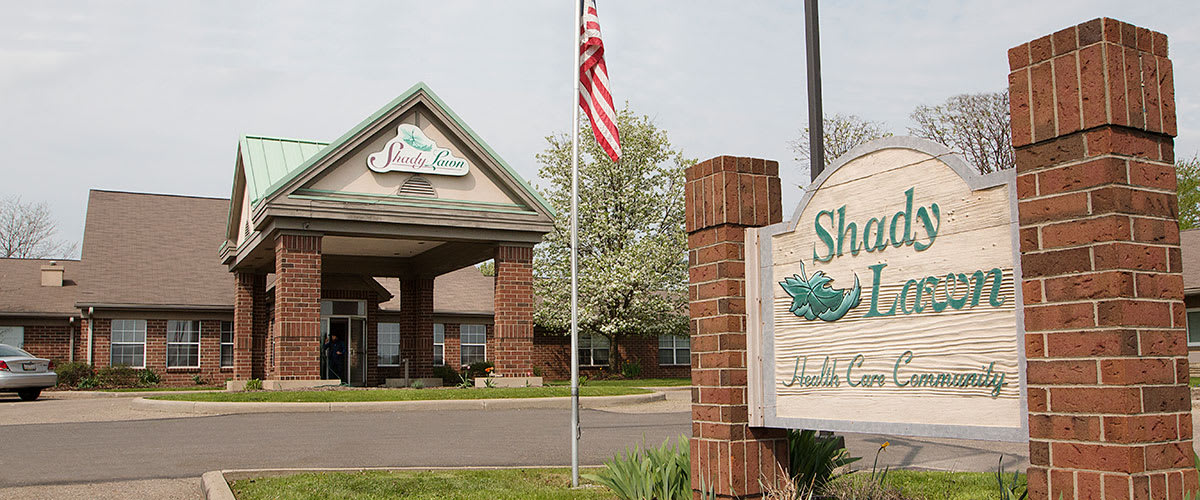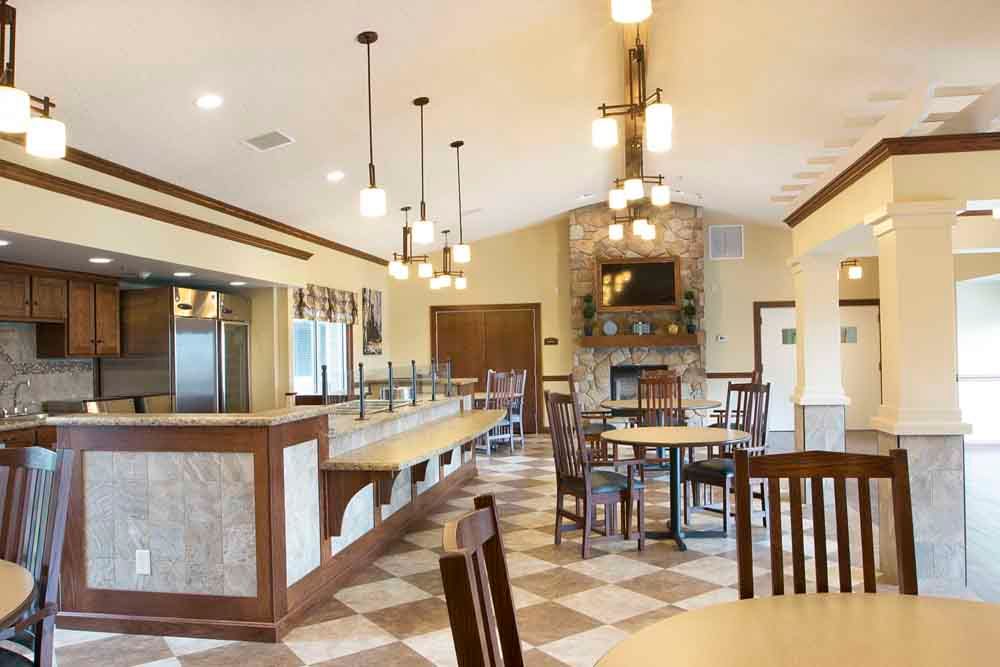
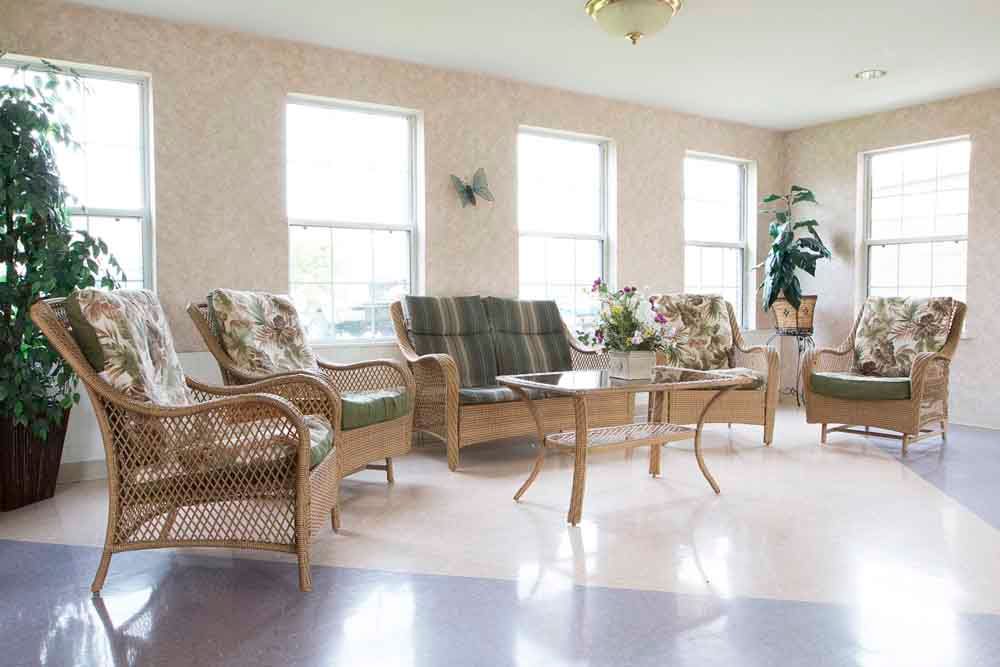
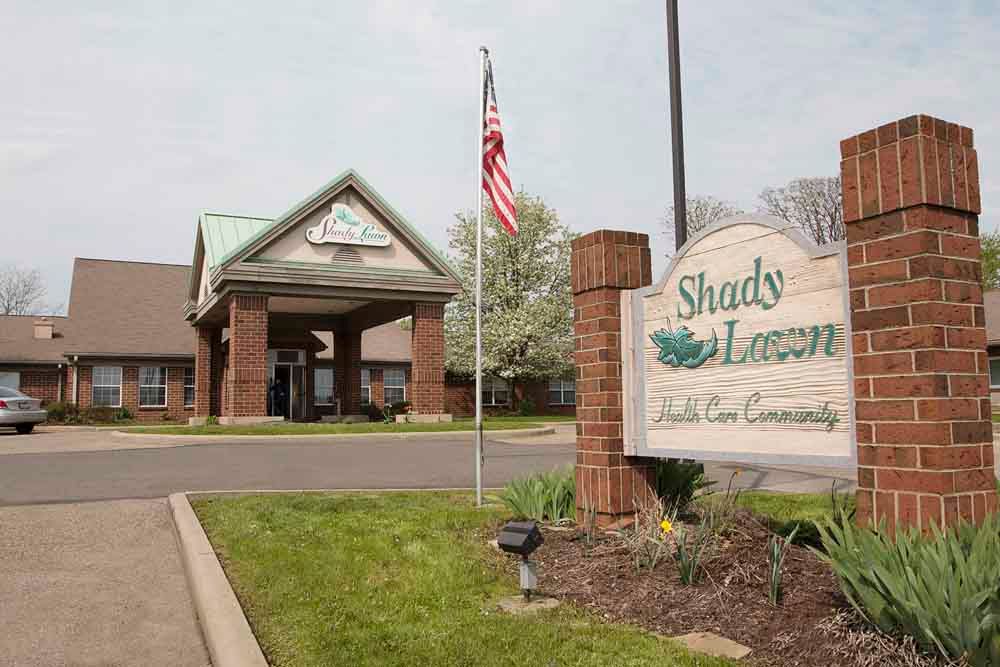
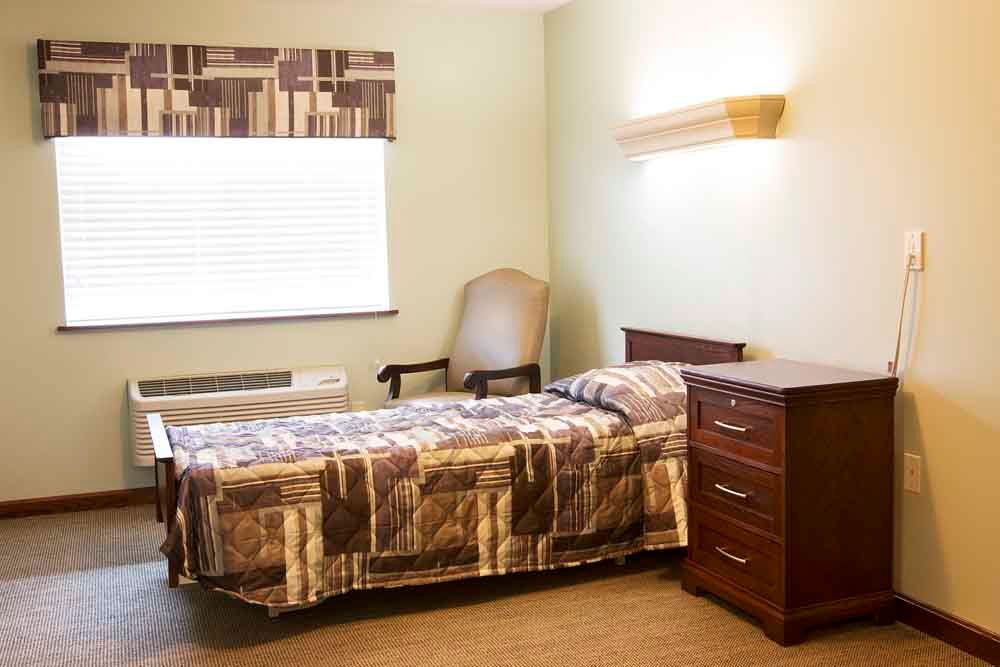
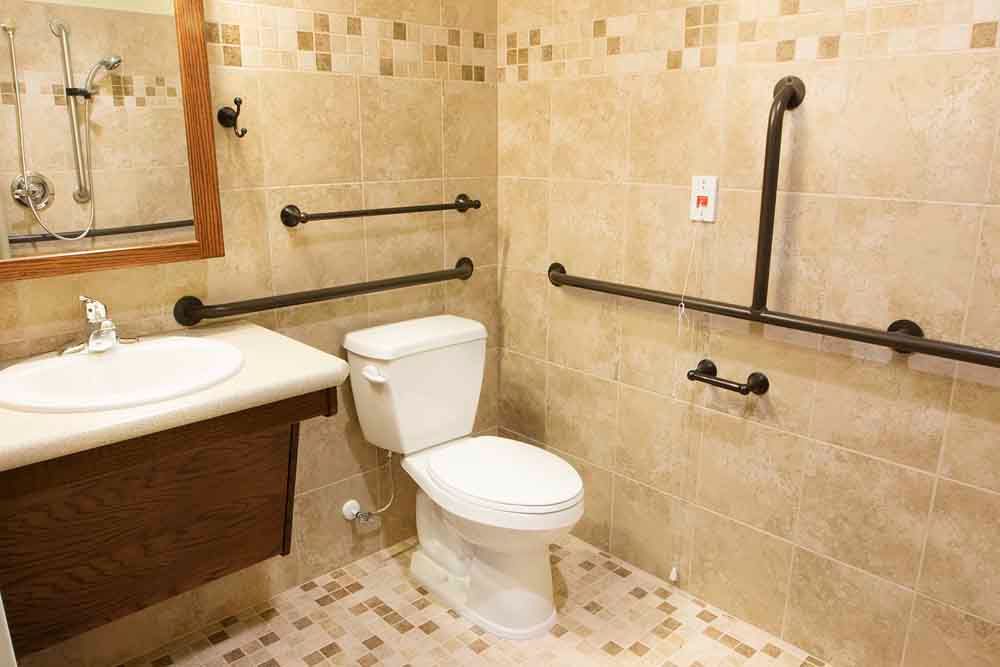
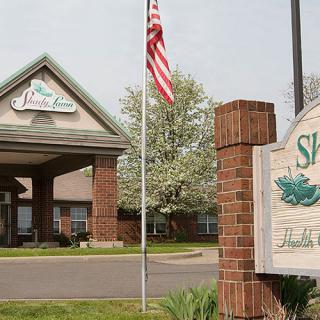

15028 Old Lincoln Way, Dalton, OH 44618
For more information about senior living options: (866) 208-4318
The Oaks At Shady Lawn Costs & Pricing
The Oaks At Shady Lawn presents a range of monthly costs that reflect its commitment to high-quality care and comfortable living. For a studio apartment, residents can expect to pay $3,804, which is notably higher than both the Wayne County average of $3,265 and the Ohio state average of $3,727. When it comes to one-bedroom accommodations, the cost rises further to $5,319, significantly exceeding both the county's median of $3,783 and the state's average of $3,712. This pricing underscores The Oaks At Shady Lawn's positioning within the market as a provider of premium services and amenities for its residents.
| Floor plans | The Oaks At Shady Lawn | Wayne County | Ohio |
|---|---|---|---|
| Studio | $3,804 | $3,265 | $3,727 |
| 1 Bedroom | $5,319 | $3,783 | $3,712 |
Skilled Nursing Facilities with a similar price nearby
-
from -$272 / mo
Massillon Danbury
$3,532 to $5,350 / month12.0 miles away -
from -$508 / mo

Amherst Meadows
$3,296 to $3,450 / month10.0 miles away -
from +$695 / mo
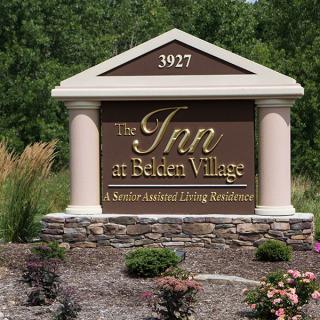
The Inn At Belden Village
$4,499 to $6,090 / month15.8 miles away -
from -$404 / mo
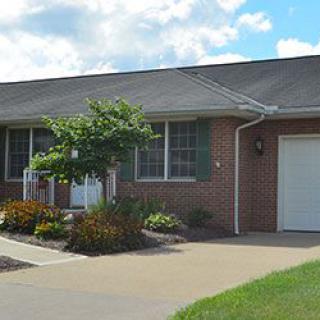
Western Reserve Masonic Community
$3,400 to $6,800 / month23.8 miles away -
from -$354 / mo
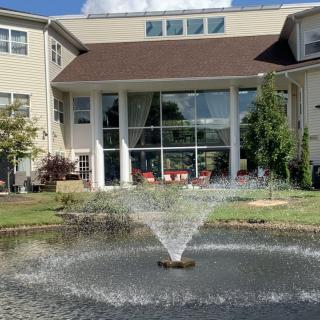
Country Club Retirement Center at Dover
$3,450 to $4,860 / month24.2 miles away
Overall Review of The Oaks At Shady Lawn
Pros
 The administrator is top notch; extremely knowledgeable and professional in all facets.
- Staff does an amazing job; very friendly and family-oriented environment.
- Great staff; amazing facility.
- Fantastic staff; beautiful facility.
- Great staff!
- Experienced nurses; friendly environment; good food; willing assistants; great place to stay.
- Amazing care!
Cons
 Administration prioritizes itself over frontline workers.
- The aide caring for the reviewer’s mom worked 16-hour days, suggesting she wasn't doing her job.
- Promises are broken constantly.
- Care conference meetings do not listen to anything family members say.
- Staff stopped covering the mom with a blanket when she was hot.
- The facility is understaffed and not clean.
- Employees were seen with their feet up on desks, playing on their phones, which was very unprofessional.
- The food was questionable.
Review
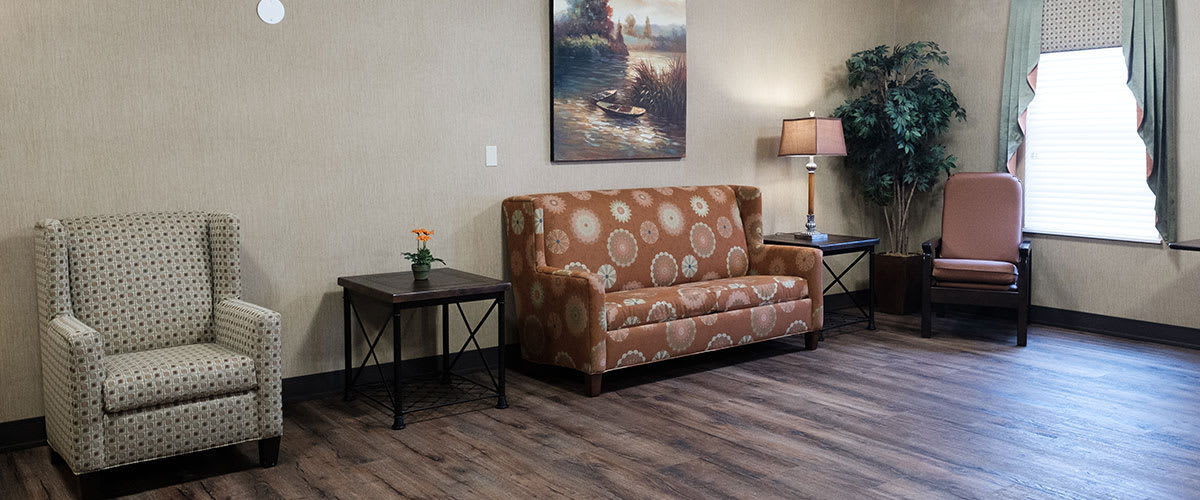
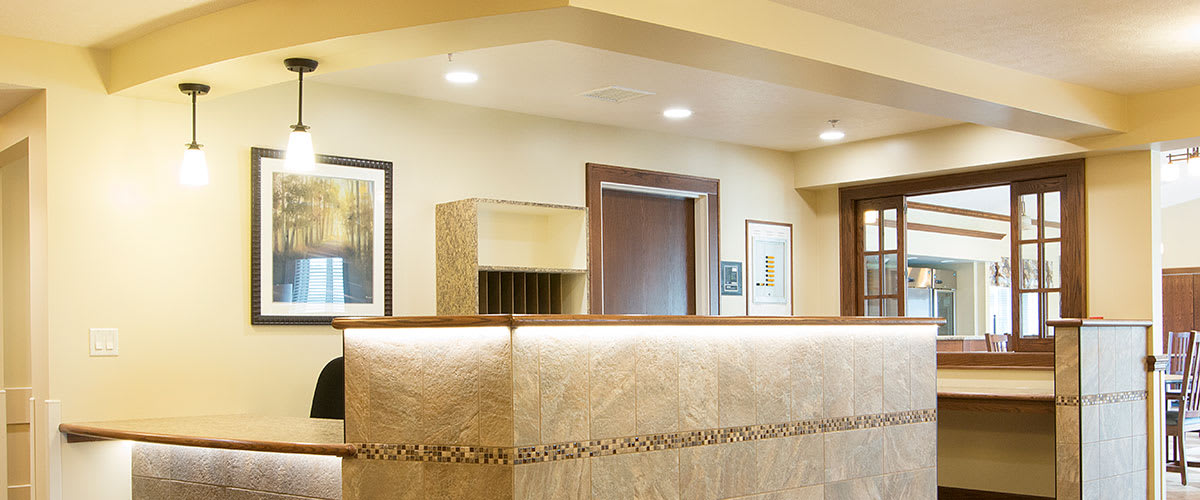
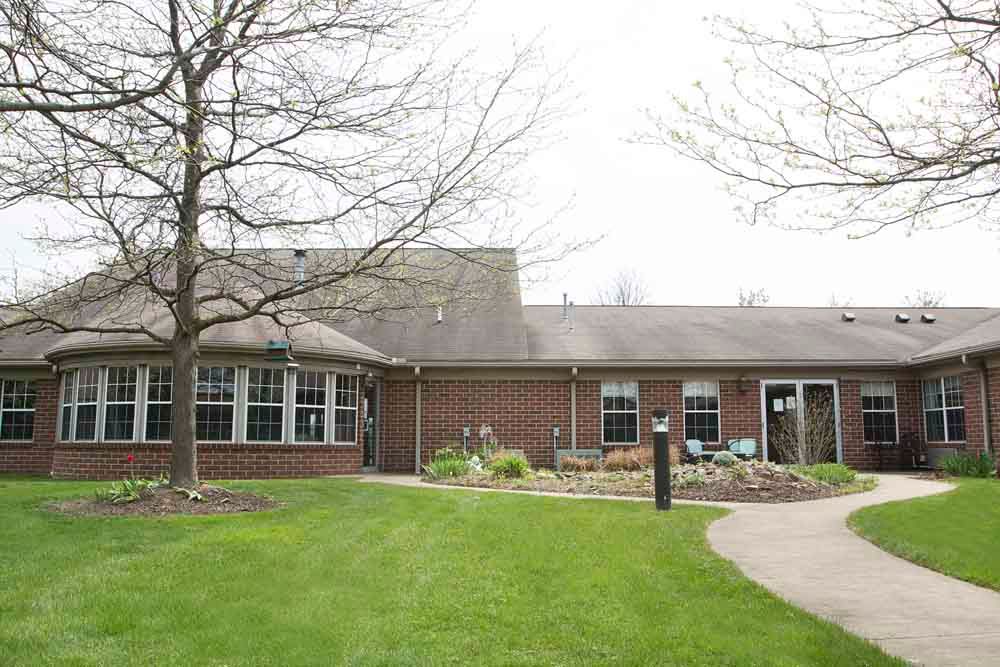
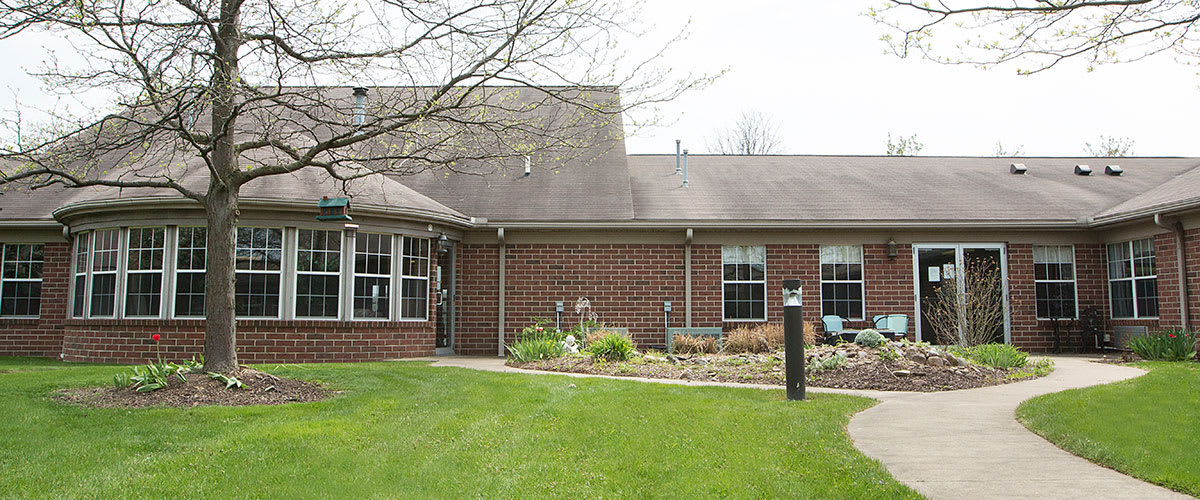
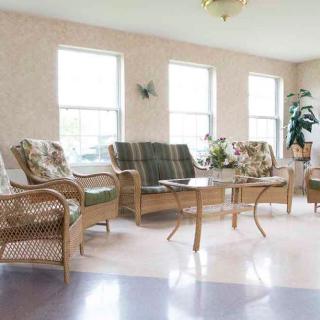
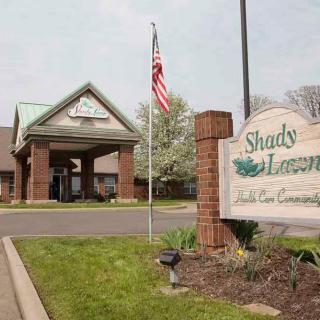
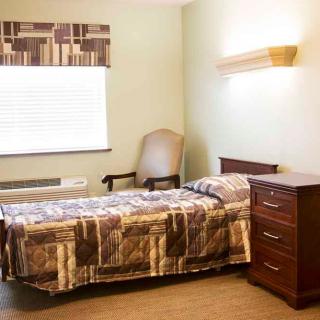
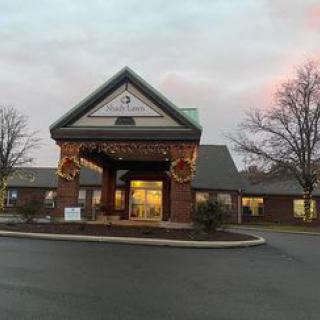
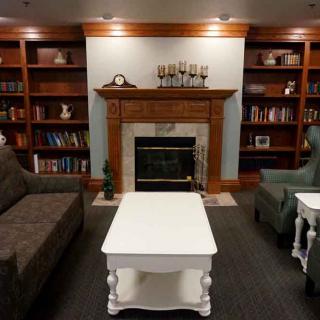
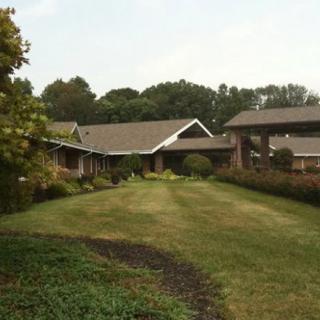
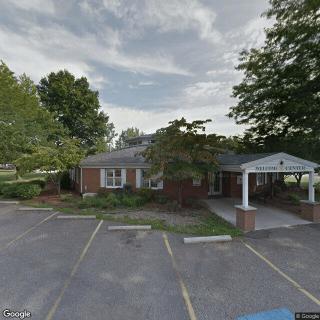
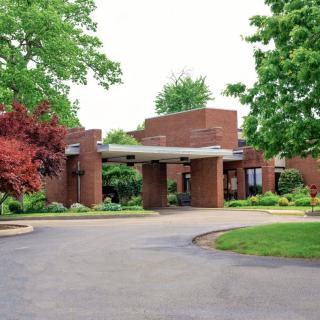
The Oaks At Shady Lawn in Dalton, OH, is best suited for families that value a polished, well-managed setting with a clearly capable administrator and a warm, family-oriented staff. Reviewers consistently point to the administrator as top notch, extremely knowledgeable and professional in all facets, and to a care team that is friendly and attentive. The facility reads as well-kept and the overall atmosphere feels welcoming, with nurses described as experienced and residents often praised for good meals and supportive aides. For families seeking governance, culture, and a reassuring front-end impression, this community is a strong match.
Yet there are clear red flags for anyone who prioritizes consistent, highly reliable day-to-day caregiving. Several reviewers flag understaffing and workload imbalances, including aides stretched to 16-hour shifts and promises that don’t always come to fruition. Care conferences, intended as forums for family input, are described as unresponsive or not listened to, and there are pointed anecdotes about basic comfort needs being overlooked (a resident left too hot and inadequately covered). A handful of experiences paint a picture of unprofessional moments, such as staff idling on desk tasks rather than engaging with residents. Taken together, these signals suggest daily caregiving can feel uneven, despite strong leadership.
The strength of the administration and the nursing presence does provide a crucial counterweight to the weaknesses on the front line. When governance and clinical oversight are the priority, families may feel confident that problems at the bedside are addressed at the policy level and that residents have access to skilled nurses. The positive notes about a friendly, family-like culture and solid facility conditions also help create a baseline of reliability and comfort. However, these advantages can be offset by the realities of staffing gaps and inconsistent front-line care, which undermine the steadiness many families seek in senior living.
For families evaluating options, several practical steps should guide the process. Seek a candid accounting of staffing ratios on all shifts and ask for concrete examples of how care plans are updated and communicated after family input. Request opportunities to observe a care shift at different times to gauge interaction with residents, and insist on seeing a current, written care plan that aligns with observed needs. Probe how heat or comfort complaints are handled and documented, and ask for a visible, accountable process when promises are made. Finally, compare menus, meal quality, and housekeeping standards across nearby communities to ensure the overall daily experience meets expectations.
The Oaks At Shady Lawn can be a compelling choice for families who prize leadership competency, a cordial atmosphere, and solid nursing resources. It becomes a more selective choice for those who cannot tolerate inconsistent caregiving or unfulfilled commitments. If reliability of hands-on care and transparent, responsive communication are non-negotiables, it is wise to broaden the search and compare other local options with higher staffing consistency and a track record of daily follow-through. In short: the positives create real value, but the cons demand diligent verification before committing.
Conclude with careful due diligence and informed negotiations. Schedule a protracted tour, speak with current residents and families, and press for a detailed staffing snapshot, along with a written, up-to-date care plan. Bring these questions to a care conference meeting request and insist on a clear action plan for any issues raised. The Oaks At Shady Lawn holds promise, particularly in leadership and ambiance; the ultimate decision hinges on whether frontline reliability can be consistently demonstrated and sustained over time.
 79 resident community capacity
 Assisted Living
 Skilled Nursing Facility
 Cats allowed
 Dogs allowed
 Activities off-site
 Air-conditioning
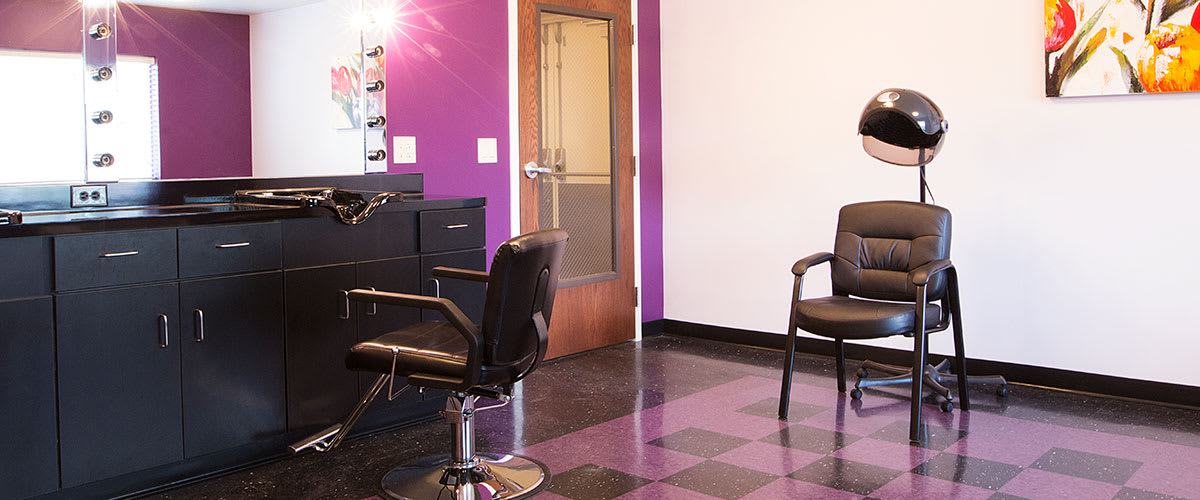
 Beautician on-site
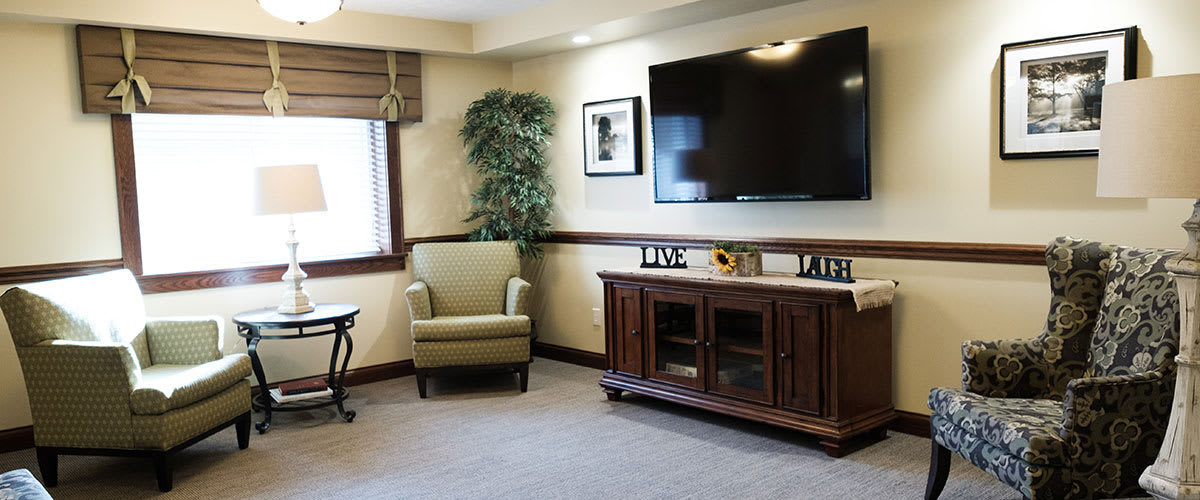
 Cable or satellite TV
 Computer center
 Devotional services off-site
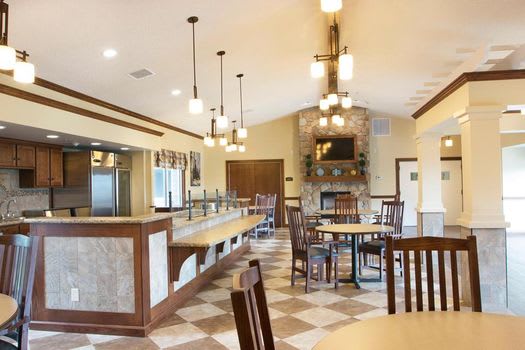
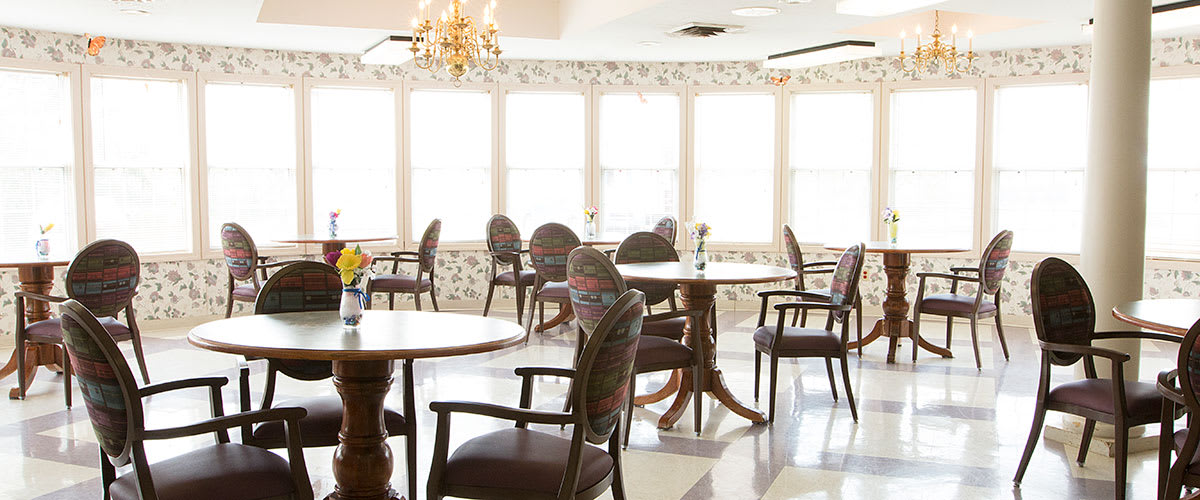
 Dining room
 Fitness room
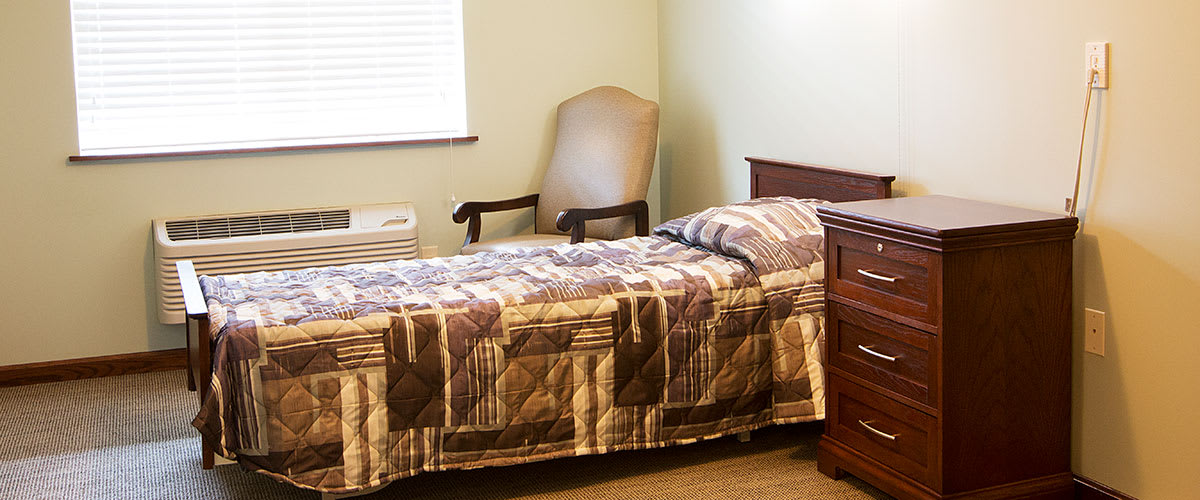
 Fully furnished
 Gaming room
 Garden
 Housekeeping services
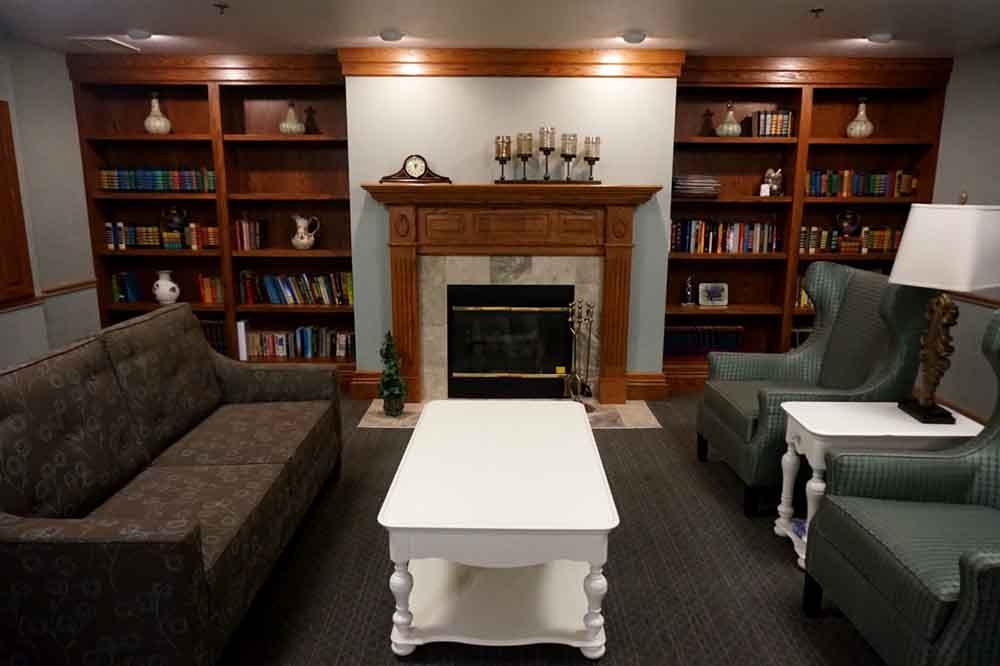
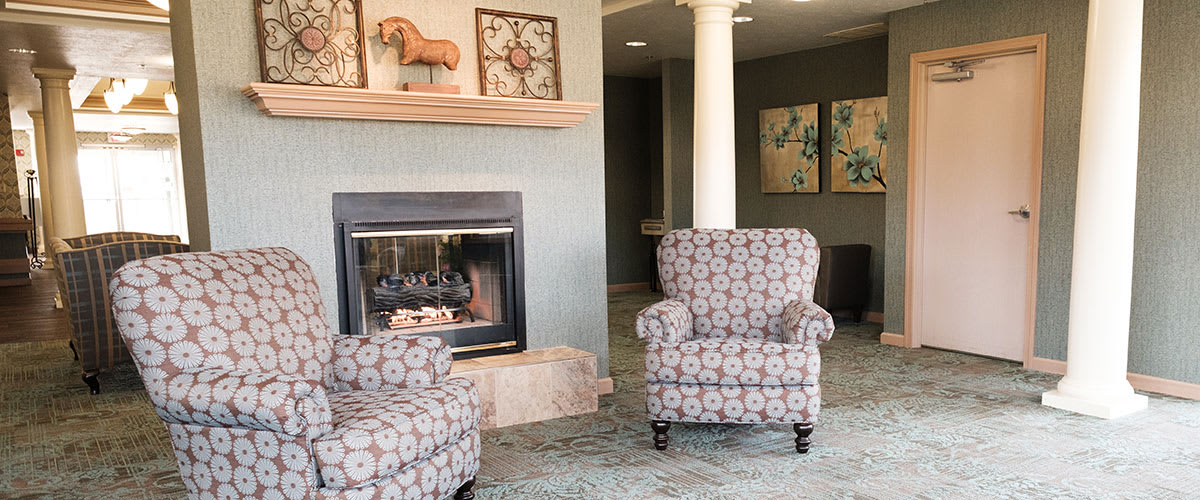
 Indoor common areas
 Kitchenette
 Move-in coordination
 Outdoor space
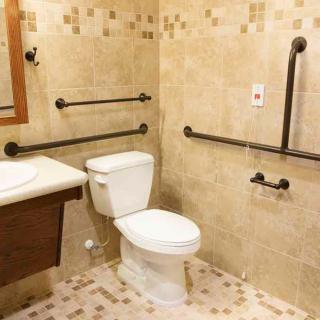
 Private bathrooms
 Restaurant-style dining
 Small library
 Telephone
 Wellness center
 Wi-Fi/high-speed internet available
 Akron-Canton Regional (16 miles away)
 Community operated transportation
 12-16 hour nursing
 24-hour call system
 Ambulatory care
 Assistance with bathing
 Assistance with dressing
 Assistance with transfers
 Diabetes diet
 Diabetic care
 Medication management
 Mental wellness program
 Special dietary restrictions
 BBQs or picnics
 Birthday parties
 Concierge services
 Day trips and outings
 Live musical performances
 Trivia games




 How and When Medicaid May Cover Assisted Living Costs
 A Detailed Exploration of Assisted Living Medicaid Waivers Across the United States
 Comprehensive Residential Support and Assisted Living Solutions for Individuals with Disabilities