
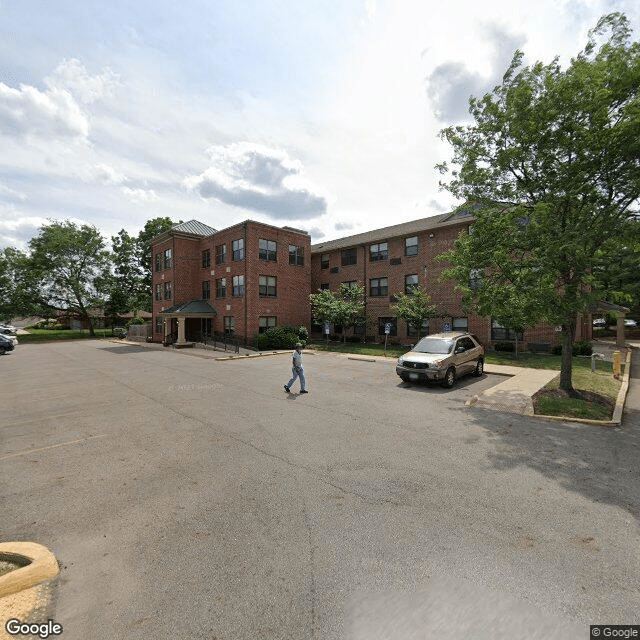
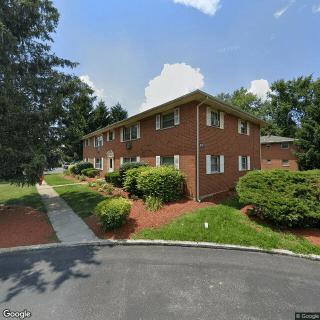
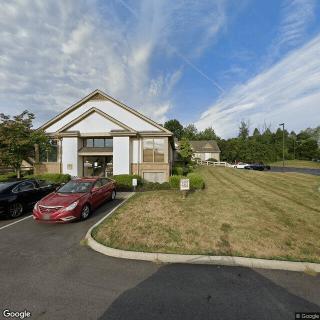
165 N Stygler Rd, Gahanna, OH 43230
To contact a resident: (614) 475-0552
For more information about senior living options: (866) 208-4318
National Church Residences Stygler Commons Costs & Pricing
National Church Residences Stygler Commons offers competitive pricing for its accommodations, particularly when compared to the broader Franklin County and Ohio averages. The monthly cost for a semi-private room is $4,212, which is notably lower than the county's average of $4,507 and aligns closely with the state average of $3,965. For those seeking more privacy, the private room rate at Stygler Commons is $5,054, again presenting a more affordable option than the Franklin County average of $5,499 while exceeding Ohio's state average of $4,771. These figures suggest that Stygler Commons provides value to residents in an environment that balances quality care with mindful pricing.
| Floor plans | National Church Residences Stygler Commons | Franklin County | Ohio |
|---|---|---|---|
| Semi-Private | $4,212 | $4,507 | $3,965 |
| Private | $5,054 | $5,499 | $4,771 |
Assisted Living communities with a similar price nearby
-
from -$602 / mo
Abbington Of Powell
$3,610 / month13.3 miles away -
from -$342 / mo
Ohio Living Sarah Moore
$3,870 to $5,400 / month21.3 miles away -
from -$337 / mo
Feridean Commons Senior Housing LTD
$3,875 to $6,375 / month10.4 miles away -
from -$339 / mo
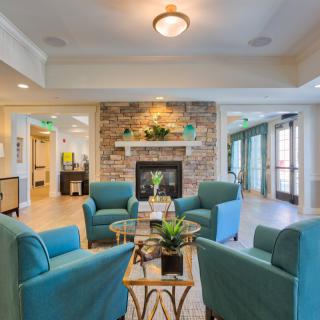
StoryPoint Gahanna
$3,873 to $4,952 / month3.1 miles away -
from +$788 / mo
Galena Manor
$5,000 / month13.4 miles away
Overall Review of National Church Residences Stygler Commons
Pros
 The mom loves the staff and feels very comfortable in her home, which makes her family feel great and happy.
- The staff are very nice, the facility is clean, and the sister is happy living in a place that is accommodating.
- The community is amazing, with incredible residents, families, and associates.
- Samantha goes above and beyond, always smiling and focused on helping the grandmother smile.
- The friend was well cared for, and the staff’s dedication was appreciated.
Cons
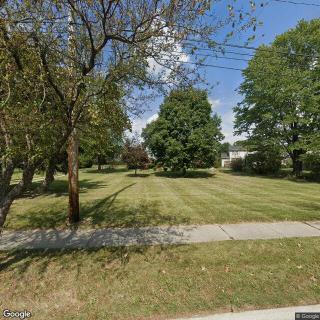
 The sidewalk still hasn’t been repaired.
- A senior man in a motorized electric wheelchair was left stuck on the sidewalk hazard, with coffee spilled on him and at risk of being hit by traffic.
- Another senior man who is deaf using a rollator had to travel through the parking lot to avoid the sidewalk issue.
- A motorized electric wheelchair fell over and injured someone.
- The facility is not equipped to care for the sick and provides no real medical services, with meds given only when staff feel like it.
- Most of the staff were rude, especially the nurses, and the facility smelled like cigarette smoke; only two staff members were noted as kind.
- The environment is unclean, smelling of human waste, with food that looks and tastes like garbage, and residents sleeping on hard cots.
- The reviewer would not recommend anyone to this place and gave it a negative rating.
Review
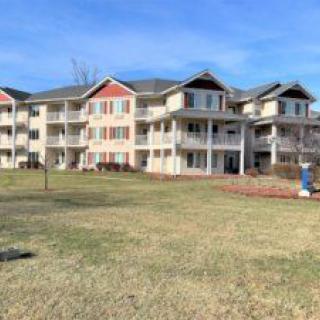
National Church Residences Stygler Commons in Gahanna is best suited for seniors who want a warm, person-centered environment where staff attentiveness and daily routine feel like a home setting. It works best for residents with moderate care needs who are comforted by friendly, engaged staff and a sense of community, and who do not require a high-level medical model on site. Families with reliable outside support and a willingness to monitor care quality can find stability here, especially when daily social interaction and dependable staff rapport are the top criteria. Those who prioritize a modern, highly medicalized facility or expect consistent, robust on-site nursing oversight should look elsewhere.
Pros that consistently surface include a staff culture described as caring and approachable, and a homey, clean-feeling atmosphere that makes residents feel at ease. Several voices note that caregivers are attentive, with staff going above in some cases to keep residents cheerful and comfortable. The sense of community and the long-standing nature of the operation contribute to a feeling of stability; families report that the building and common-sense operations give a reassuring baseline for daily living. For residents who value regular human contact, social engagement, and a familiar routine, these positives can translate into meaningful daily satisfaction.
The flip side centers on significant caveats about care quality and safety that have appeared in multiple accounts. Some reviews allege past episodes of neglect or mistreatment, with harsh language about cleanliness and the overall care environment. There are also complaints from former residents’ families about odors, food quality, and the adequacy of beds and medical attention. Outside-the-building concerns, specifically sidewalk and pedestrian-safety issues in the surrounding area, are described as ongoing quality-of-life irritants that could complicate access to the community. Taken together, these concerns raise questions about consistency in clinical oversight, housekeeping standards, and the reliability of emergency or medical response when needed.
These mixed signals matter most when considering whether the positives can offset the negatives. For someone who values warmth and personal connection and who has a safety net of family oversight and frequent visits, the strong staff-culture and home-like feel can compensate for some gaps in medical intensity. The history of stable operation and the visible dedication of certain staff members can translate into genuinely positive daily experiences for residents who stay engaged and whose medical needs remain moderate. However, for families prioritizing consistent, high-level nursing care, rapid problem resolution, and unambiguous cleanliness and safety, the drawbacks may overshadow the advantages.
Alternatives become compelling for anyone with higher medical needs or with serious concerns about resident safety and facility conditions. Prospective residents who require regular skilled nursing, wound care, memory-care specifics, or on-site physicians should compare other communities with a proven record of consistent clinical oversight. Those sensitive to neighborhood logistics, sidewalk access, or the broader safety of the surrounding streets may prefer facilities located in less problematic pedestrian corridors or with stronger partnerships with medical networks. In short, this community can work, but only if the care expectations align with what is reliably delivered.
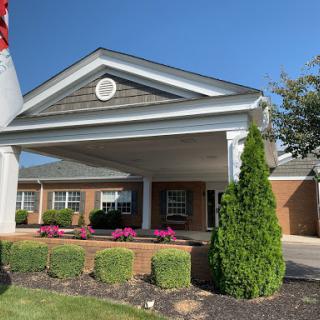
The practical takeaway is clear: Stygler Commons offers a genuinely welcoming, home-like environment supported by caring staff and a stable, long-standing operation. Yet it demands careful, hands-on evaluation before committing. A thorough tour should extend beyond common areas to include direct conversations with current residents and families, a close look at dining, housekeeping, and medication management routines, and a frank read on incident and safety logs. Inspect the sidewalk access and traffic patterns around the entrance, and ask specifically how staff manages medical concerns day to day. For the right resident, one who prioritizes warmth, social vitality, and dependable staff, the community can be a good fit. For those seeking constant, high-fidelity clinical care and impeccable facility conditions, alternatives should be pursued with urgency.
 Active Adult Communities (55+)
 Assisted Living
 Activities on-site
 Devotional services off-site
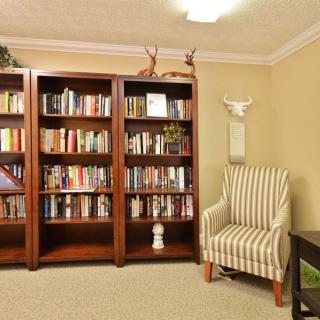
 Indoor common areas
 John Glenn Columbus International Airport (2 miles away)
 Ambulatory care
 Diabetic care
 Meals provided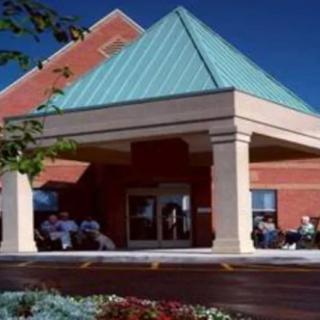
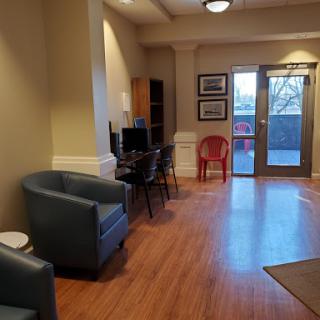
 Assisted Living Support for Veterans: A Complete and Detailed Overview
 Exploring the Contrasts Between Assisted Living and Skilled Nursing
 8 Key Indicators That Suggest It May Be Time to Transition from Assisted Living to Skilled Nursing Care