Central Ohio Life Care Center LLC in Columbus, OH
Save
2456 W Broad St, Columbus, OH 43204
For more information about senior living options: (844) 490-3973
Central Ohio Life Care Center LLC’s medical practice is best suited for seniors who prize a warm, relationship-driven primary-care home. When the care team is aligned, patients report attentive, personalized treatment and a sense that staff genuinely cares about long-term health. The weight-management program remains a practical asset for older adults focused on metabolic health and sustainable daily living. This setting works best for those who can tolerate occasional administrative hiccups in exchange for clinicians who listen, tailor plans, and build continuity over years. For families seeking flawless administrative reliability and constant, rapid specialist access, alternatives warrant serious consideration.
The strongest positives center on the clinical relationship. Many patients praise doctors, nurse practitioners, and nurses who take time to listen, craft concrete plans, and treat people with consideration, often likened to family. The office environment is described as comfortable, and the staff broadly comes across as professional and courteous when interactions go smoothly. Long-tenured patients often point to stable, ongoing care with providers who remember their history and respond to concerns with a thoughtful, problem-focused approach. The weight-management component stands out as a practical, action-oriented program that integrates into daily routines rather than feeling like a burden.
Yet the reviews do not shy from serious friction points. Administrative and communication gaps dominate frequent complaints: phone lines that go unanswered, delays in refills and referrals, and paperwork that seems scattered or incomplete. Several patients recount episodes where medications were not reconciled or correctly processed, occasionally leading to emergency-backed concerns or hospital visits. There are recurrent notes about staff attitudes and empathy levels, with some describing rude or disengaged behavior, and others reporting inconsistent follow-through on tasks like documentation or referral coordination. The sense of disorganization around records and referrals can undermine otherwise solid clinical care.
When the positives hold, they offset many of the drawbacks, particularly for seniors who already have established relationships with specific clinicians and who rely on a steady, person-centered approach to chronic conditions. A trusted provider who communicates clearly can drive meaningful disease management, and the weight-management program offers concrete, implementable strategies that align with aging in place. In scenarios where a patient’s needs revolve around compassionate listening, careful symptom assessment, and tailored treatment plans, the care experience can be highly effective and reassuring, even if administrative processes prove imperfect.
Families considering alternatives should weigh operational reliability as a priority. If consistent, timely communication, prompt referrals, and system-wide record accuracy are non-negotiables, other clinics with stronger back-office discipline may be more appropriate. For seniors who fear medication disruptions or who require frequent, cross-specialty coordination, the risk of lapses, however infrequent, could tip the balance toward a practice with a reputation for tighter administrative stewardship. Additionally, those seeking deeper integration with a senior-living ecosystem, onsite care coordination, social programming, and guaranteed access to a broader network of specialists, may find a better fit elsewhere.
In practical terms, due diligence pays off. Prospective patients should request introductions to the care team most likely to handle their day-to-day needs, and probe the expected response times for calls and refill requests. Clarify how referrals are tracked and who owns the process, and insist on a current medication reconciliation prior to any transition of care. A trial period can reveal whether the relationship-driven medical approach sustains itself amid inevitable administrative pressures. When the right clinician-patient alignment exists, this community delivers compassionate, attentive medical care and a workable weight-management framework; when it does not, families are well advised to pursue options that emphasize administrative reliability and broader specialist access.
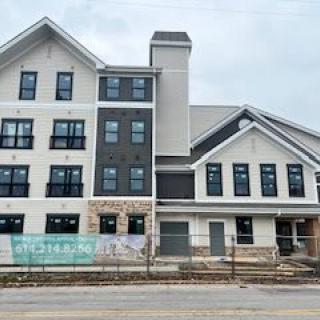
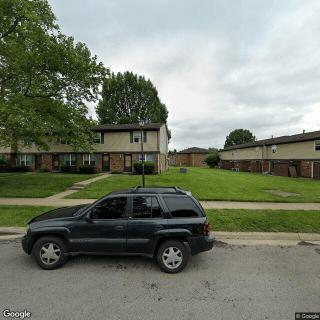
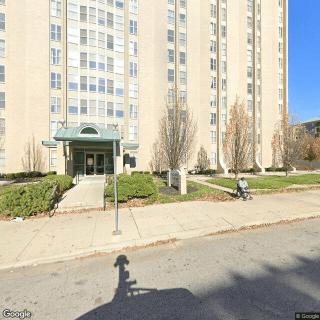
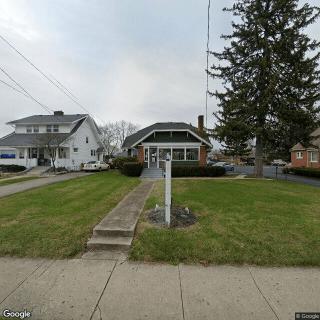
Central Ohio Life Care Center LLC is an assisted living community located in Columbus, OH. Our residents enjoy a peaceful and comfortable environment where they can receive high-quality care and support.
At Central Ohio Life Care Center LLC, we offer a range of amenities to enhance the well-being of our residents. Devotional services off-site are available for those who wish to nurture their spiritual needs, while our indoor common areas provide opportunities for socializing and relaxation.
We understand the unique needs of individuals with diabetes, which is why we specialize in providing diabetic care. Our dedicated staff members are trained to assist residents in managing their condition and ensuring their health and safety.
To promote an active lifestyle, we offer devotional activities offsite for those interested in engaging in spiritual practices. In addition, our community is surrounded by numerous attractions that cater to various interests. There are five cafes nearby where residents can enjoy a cup of coffee or a meal with friends or family. For nature lovers, there are six parks nearby where they can take leisurely walks or simply appreciate the beauty of the outdoors. Access to 18 pharmacies ensures that medication and other healthcare necessities are readily available. With 12 physicians nearby, our residents have convenient access to medical professionals for any healthcare needs that may arise.
For dining options, there are 31 restaurants nearby offering diverse cuisines for residents to explore and enjoy. Additionally, three places of worship provide opportunities for religious practices and connections within the community. Those seeking entertainment can visit one of the nearby theaters for live performances or movies.
The well-being of our residents is paramount, which is why we have four hospitals nearby in case of emergencies or specialized medical care. Our location ensures quick access to healthcare facilities if needed.
At Central Ohio Life Care Center LLC, we strive to create a warm and caring environment where our residents feel safe, supported, and engaged. We understand that each individual has unique preferences and needs; therefore, our dedicated staff members are committed to providing personalized care and attention to each resident.
This area of Columbus, Ohio offers a variety of amenities and services that may be appealing for senior living. With several physician offices and hospitals nearby, access to healthcare is conveniently located within a few miles. Pharmacies are also easily accessible for medication needs. In terms of recreation and entertainment, there are plenty of restaurants, cafes, and theaters in the vicinity. Additionally, numerous parks provide opportunities for outdoor activities and relaxation. Overall, this area provides a mix of healthcare options, dining choices, recreational opportunities, and cultural experiences that may be appealing for seniors looking to live in a vibrant community with convenient access to essential services.
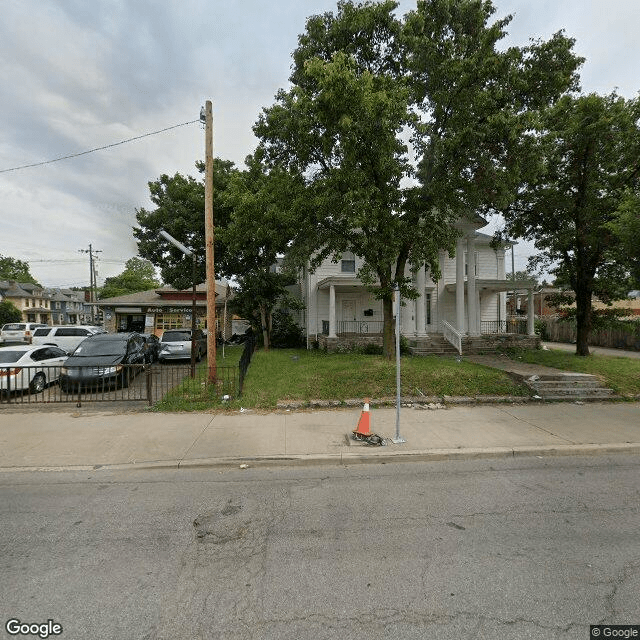
Central Ohio Life Care Center LLC is located at 2456 W Broad St, Columbus, OH 43204 in Franklin County, Ohio
Assisted Living Support for Veterans: A Complete and Detailed Overview

The guide highlights the importance of assisted living facilities for aging veterans needing daily support, discusses unique challenges they face, and outlines available financial assistance from the VA, including the Aid and Attendance program. It emphasizes understanding eligibility criteria and navigating the VA system to access necessary benefits effectively.
Exploring the Contrasts Between Assisted Living and Skilled Nursing

The article compares assisted living and skilled nursing facilities, detailing their differing levels of assistance, medical support, cost structures, and day-to-day experiences. It emphasizes that assisted living is for those needing help with daily activities while maintaining independence, whereas skilled nursing facilities provide intensive medical care with 24-hour staff supervision.
The transition from assisted living to skilled nursing care is often prompted by complex medical needs that assisted living cannot meet, with key indicators including frequent health declines, increased falls, severe memory issues, and caregiver burnout. Families should recognize these signs early to discuss options with healthcare providers and prepare for the emotional and logistical aspects of moving to a facility that offers comprehensive medical support.