Winter Spring Health Services is an assisted living community in Cleveland, OH.
Information last verified:
13509 Highlandview Avenue, Cleveland, OH 44135
For more information about senior living options: (866) 208-4318
2.6 from 116 reviews
5 stars
36
4 stars
10
3 stars
4
2 stars
5
1 stars
61
Overall Review of Winter Spring Health Services
common12 reviews mention this
Staffing and care quality feels mixed
Residents describe both genuinely caring staff and instances of unprofessional or neglectful behavior.
Many reviews say staff members can be kind, supportive, and responsive, and several people single out specific nurses, counselors, or aides for help during their stay. At the same time, other reviewers describe rudeness, staff mocking or threatening patients, and situations where they felt problems weren’t addressed. A recurring thread is that the experience can vary by unit and by the specific staff on shift.
caveat10 reviews mention this
Communication with families is inconsistent
Several reviews say families struggle to reach the facility or get updates.
Multiple reviewers report calling for updates or messages and not getting responses, or being told they can only leave messages. Some describe being kept out of the communication loop about care decisions or discharge timing, which left them feeling locked out. A few comments also mention that communication processes and promised 1:1 access didn’t match what families were told.
caveat9 reviews mention this
Medication management draws major complaints
Residents and families frequently raise concerns about medication handling and doctor access.
Some reviewers praise medication management as part of stabilizing care and describe getting the right regimen or medication adjustments. Others report medication being withheld, switched frequently, or not handled properly, including claims of unsafe levels and missed follow-through. Several also say they didn’t see doctors consistently, with nurse practitioners handling most interactions instead of deeper explanations or follow-up.
common7 reviews mention this
Therapy structure is a main focus
Reviews repeatedly mention group therapy as a key part of the program.
A number of reviewers describe structured group sessions and say therapy helped them learn coping skills or make progress during inpatient or outpatient care. Some specifically praise DBT/CBT-based groups and the impact of meeting others going through similar experiences. Others criticize that therapy felt limited or inconsistent at times, especially when they expected more individualized attention or daily sessions.
caveat7 reviews mention this
Food is described either decent or inadequate
Food quality shows up as both a positive and a recurring complaint.
Several reviews say the food was decent or even good for a facility setting, sometimes mentioning substitutions or regular access to snacks and drinks. Other reviewers describe unpleasant or processed food, limited dietary accommodations, or issues related to nutrition and basic health like hydration. The mixed feedback suggests dining can vary by stay, dietary needs, or unit.
How we summarize
Counts show how many written reviews mention each theme; a review can touch several themes, and only frequently mentioned themes are displayed.
Features
Housing
15 resident community capacity
Types of Care
Assisted Living
Board and Care Home
Amenities
Cable or satellite TV
Fully furnished
Garden
Housekeeping services
Move-in coordination
Outdoor space
Transportation
Cleveland-Hopkins International (4 miles away)
Care Services
24-hour supervision
Activities of daily living assistance
Assistance with bathing
Assistance with dressing
Assistance with transfers
Diabetes diet
Meal preparation and service
Medication management
Special dietary restrictions
Dining
Diabetes diet
Special dietary restrictions
Activities
Community-sponsored activities
Scheduled daily activities
Nearby Places of Interest
Pharmacies
Walgreens (1.7 miles)
Rite Aid (1.7 miles)
Marc's Stores (1.9 miles)
CVS Pharmacy (2.4 miles)
Marc's Stores (2.5 miles)
MetroHealth Parma Medical Center - Pharmacy (2.6 miles)
Walgreens (2.6 miles)
Physicians
Cuyahoga County Board of Health (2 miles)
Ent Allergy Health (5.1 miles)
Southwest Family Physicians (5.4 miles)
Restaurants
Ferris Deli & Restaurant (2.1 miles)
Mahall's Twenty Lanes (2.5 miles)
Barrio (2.7 miles)
McDonald's (2.8 miles)
McDonald's (3 miles)
Winking Lizard Tavern (3.1 miles)
Forage Public House (3.2 miles)
Hospitals
CCF Fairview Hospital (2.1 miles)
Cleveland Clinic - Fairview Hospital (2.1 miles)
Trauma ICU (4.8 miles)
Cleveland Clinic - Lutheran Hospital (5.2 miles)
Places of Worship
St Ignatius of Antioch Church (2.3 miles)
St. Rocco's Church (4.4 miles)
Cafes
Rising Star Coffee Roasters (2.5 miles)
Starbucks (2.8 miles)
Starbucks (3.2 miles)
Panera Bread (3.4 miles)
Starbucks (3.7 miles)
Ready Set Roasters (3.9 miles)
Metropolitan Coffee (4.6 miles)
Parks
Niagara Park (2.7 miles)
Cleveland Metroparks - Big Creek Reservation (2.9 miles)
Metroparks Rocky River Reservation North (3 miles)
Primate Playground (3.5 miles)
Lakewood Park (3.7 miles)
Bohlken Park (3.7 miles)
Bain Park (3.8 miles)
Transportation
Hertz Rent A Car (3 miles)
National Car Rental (3 miles)
Cleveland Rental Car Center (3 miles)
Cleveland-Hopkins International Airport (CLE) (3.2 miles)
Assisted living communities offer diverse activities beyond traditional games to enhance seniors' physical health, cognitive well-being, emotional enrichment, and social connections, including fitness classes, creative expression, and intergenerational interactions. These enriching programs foster community bonds and support residents' independence and happiness.
The article differentiates between assisted living and memory care, explaining that assisted living supports seniors with daily activities while promoting independence, whereas memory care provides specialized services for individuals with dementia, focusing on secure environments and cognitive support. It also addresses staff training, safety considerations, costs, family involvement, and transition strategies for families navigating these care options.
Family caregivers face emotional, legal, and practical challenges when elderly parents refuse assisted living, often due to fears of losing autonomy. Open conversations and professional assessments can help address these concerns while exploring alternatives and ensuring safety, potentially leading to legal guardianship if necessary.
Get PricingAsk A QuestionSchedule A TourContact Senior Advisor
By clicking submit, you agree to our Partner's Terms of Use. You
also consent to receive calls and texts, which may be autodialed, from our Partner. Your consent is not a condition to
using our Partner's service. Please visit our Partner's Privacy Policy for information about their privacy practices.

 15 resident community capacity
 Assisted Living
 Board and Care Home
 Cable or satellite TV
 Fully furnished
 Garden
 Housekeeping services
 Move-in coordination
 Outdoor space
 Cleveland-Hopkins International (4 miles away)
 24-hour supervision
 Activities of daily living assistance
 Assistance with bathing
 Assistance with dressing
 Assistance with transfers
 Diabetes diet
 Meal preparation and service
 Medication management
 Special dietary restrictions
 Strong access to healthcare, dining, and transit.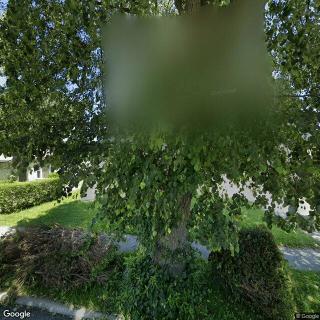

 Beyond the Bingo Hall: 50+ Enriching Activities for Seniors in Assisted Living
 Understanding the Distinctions: Assisted Living and Memory Care Explained
 Guiding Elderly Parents Who Refuse Assisted Living: 6 Practical Steps