
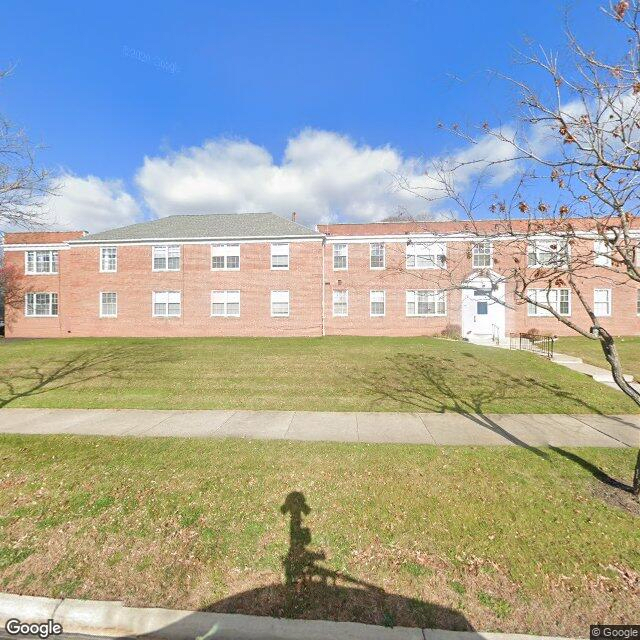
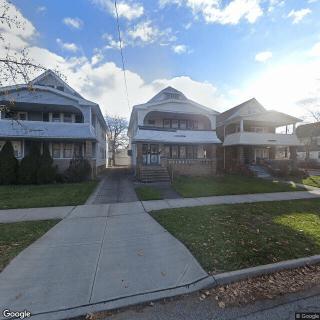
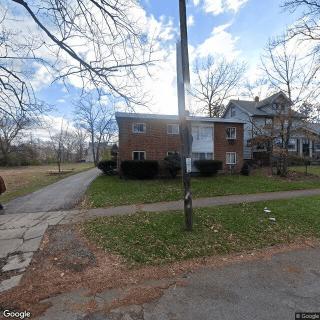
16705 Van Aken Blvd, Cleveland, OH 44120
To contact a resident: (216) 283-1813
For more information about senior living options: (866) 208-4318
Overall Review of Statesman Apartments II
Pros
 They like their apartment and find it nice.
 - They appreciate that HUD rental subsidies are great for low‑income tenants.
- They are glad the back building door was repaired after reporting the issue.
- They recognize that certain concerns were addressed, such as safety improvements, after taking action.
Cons
 Residents report severe leakage in the master bedroom with mold, remaining unrepaired for almost a year.
- The property has ongoing drug dealing and drug use on-site, with threats to residents and safety concerns.
- Management is rarely on site and unhelpful, allowing issues to go unresolved.
- A back building door lock was broken for nine months, allowing unauthorized entry and causing fear.
- The building failed inspections for not fixing leaks; maintenance requests were ignored despite health concerns.
- Some residents were threatened with eviction for not allowing maintenance work, adding stress.
- Substantial electric bills persist despite subsidies; the $89 monthly subsidy does not cover two utility bills.
- Windows perform poorly and there is significant air leakage, making the living space uncomfortable.
Review
Statesman II Apartments in Cleveland is best suited for renters who must rely on HUD-subsidized housing and are willing to trade comfort for price. The community clearly attracts very low-income residents who need affordable rental options, but the price paid appears to be health, safety, and daily stability. When conditions align with a workable apartment and a tolerable living environment, there may be a feel of reasonable value; however, that comfort hinges on issues that frequently override any savings, making this a choice for the bold or the financially constrained rather than for anyone prioritizing health and peace of mind.
Those most in need of alternatives are seniors, disabled residents, or families with health concerns. The reports describe persistent leaks and mold that have triggered asthma and other health issues, with medical documentation repeatedly urged but not adequately acted upon. The risk is not merely cosmetic; it translates into ongoing exposure to mold, dampness, and poor indoor air quality. Add to that a security landscape dominated by reported drug dealing and the presence of felons on or near the property, and the living environment becomes unstable and potentially dangerous. For anyone with mobility needs, cognitive impairment, or a heightened sensitivity to toxins, the risk calculus is unfavorable.
The few observable positives, such as a resident who likes the apartment itself, do not practically offset the core drawbacks. Subsidized rent is undeniably appealing in a market where rents are rising, and for some individuals that subsidy is the sole enabler to obtain a roof over the head. Yet the financial relief is illusory if health conditions worsen or safety cannot be guaranteed. The building’s chronic maintenance failures, including a back door left broken for months, broken windows, and unreliable security measures, erode any sense of reliable, stress-free living. In short, affordability is undercut by pervasive neglect and genuine hazards.
The key pros largely fail to offset the main cons. Substantial health risks from mold and moisture intrusion, paired with health conditions like asthma, outweigh the cost savings of a subsidized lease. The persistent maintenance delays, lack of visible on-site management, and failure to resolve safety concerns create a cycle of frustration and fear rather than a stable home. The presence of illegal activity and threats to residents cannot be dismissed as minor inconveniences; they directly impair safety, peace of mind, and even daily routines. The modest utility subsidy, while helpful on paper, does little to cover the reality of high electricity costs and unreliable living conditions. Taken together, the tariff of risks far exceeds the tariff of savings.
For families and individuals weighing a move, a careful approach is essential. If pursuing Statesman II, demand a concrete remediation plan with specific timelines for mold treatment, leak repair, and unit modernization, along with verifiable inspections and follow-up. Seek confirmation about on-site management presence and response times, and request recent building inspection reports and any HUD-action records. Talk to current residents about actual conditions, safety incidents, and how quickly issues are resolved. Compare options with other subsidized properties that emphasize property management accountability, security enhancements, and reliable maintenance. Consider visiting during different hours to assess management accessibility, and evaluate alternative housing that balances affordability with documented health protections and safer surroundings.
Bottom line: Statesman II is not a fit for anyone prioritizing health, safety, and predictable living conditions. It may be the only viable option for some extremely budget-constrained households, but the health risks, safety concerns, and management gaps create a living environment that often negates the financial advantage. If choosing this community, enter with eyes wide open, insist on enforceable fixes, and keep parallel options in view. The prudent path is to explore other subsidized housing choices first, and only retreat to Statesman II after a rigorous, documented risk assessment and a clearly defined action plan with measurable improvements.
 Active Adult Communities (55+)
 Cleveland-Hopkins International (15 miles away)



 Compassionate Conversations: How to Comfort Someone Who Is Grieving
 Home Health Care Aides: Understanding Their Role and Supporting Your Family
 Urinary Tract Infections in Older Adults: Comprehensive Insights on Symptoms, Treatment, and Prevention