
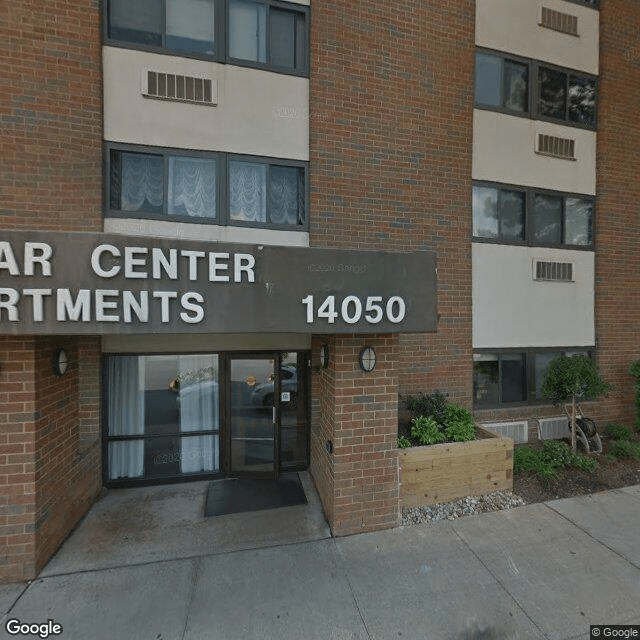
14050 Cedar Rd, Cleveland, OH 44118
To contact a resident: (216) 382-2514
For more information about senior living options: (866) 208-4318
Cedar Center Apartment Costs & Pricing
Cedar Center Apartment presents a notable pricing structure that significantly exceeds the average costs seen both in Cuyahoga County and across Ohio. For instance, a studio apartment at Cedar Center is priced at $6,780 per month, which is nearly double the county's average of $3,632 and the state average of $3,727. Similarly, one-bedroom units also reflect this trend, costing $7,395 compared to Cuyahoga County's rate of $3,410 and Ohio's state average of $3,712. The differences become even more pronounced with semi-private and private accommodations; Cedar Center charges $8,800 and $10,500 respectively for these options versus much lower averages of $3,582 and $4,004 in the county and $3,965 and $4,771 statewide. This disparity suggests that Cedar Center Apartment may offer enhanced amenities or services that justify its premium rates.
| Floor plans | Cedar Center Apartment | Cuyahoga County | Ohio |
|---|---|---|---|
| Studio | $6,780 | $3,632 | $3,727 |
| 1 Bedroom | $7,395 | $3,410 | $3,712 |
| Semi-Private | $8,800 | $3,582 | $3,965 |
| Private | $10,500 | $4,004 | $4,771 |
Senior living communities with a similar price nearby
-
from +$700 / mo

Arden Courts of Parma
$7,480 / month15.2 miles away -
from +$995 / mo

Arden Courts of Chagrin Falls
$7,775 / month10.9 miles away -
from -$830 / mo
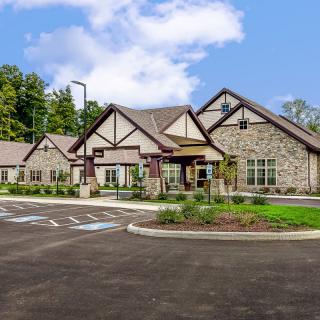
Maplewood At Twinsburg
$5,950 / month15.3 miles away -
from +$364 / mo
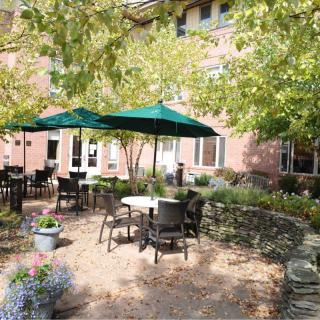
Willensky Residence of Menorah Park
$7,144 to $8,615 / month2.3 miles away -
from -$960 / mo
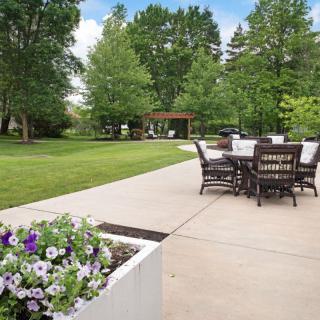
Sunrise at Parma
$5,820 to $8,785 / month12.8 miles away
Overall Review of Cedar Center Apartment
Pros
 They note that logging in again goes smoothly and there is no more captcha.
- They acknowledge that removing the captcha marks a positive improvement in access.
- They attribute this improvement to the power of a printed word.
Cons
 The reviewer states the place is not welcoming to Black Americans and is racist.
- They lament that racism persists and that people may never change.
- The reviewer describes an incident in the laundry room where staff acted racist toward them.
- They characterize the staff as racist elderly people.
- The reviewer was very disappointed by the captcha on the apartment’s website.
- They criticize the lack of response to their multiple inquiries.
Review
Cedar Center Apartment is best suited for seniors who are highly budget-focused, relatively independent, and willing to tolerate a tense social climate. The current reputation, however, makes clear that this is not a welcoming or reliably supportive environment. For families prioritizing dignity, respectful interactions, and responsive management, this community is a poor fit. The dominant themes in the feedback point to an atmosphere where residents and staff may be perceived as hostile or unhelpful, which elevates stress rather than easing it for someone seeking a calm, caring living situation.
Those who may want to consider alternatives include families and potential residents who cannot accept persistent reports of racial tension and unaddressed grievances. Reviews describe overt racial hostility among residents and staff, and at least one account details an uncomfortable encounter in the laundry area that underscores broader concerns about safety, trust, and fairness. In addition, repeated complaints about slow or absent responses to inquiries suggest a pattern of weak administrative engagement. For anyone weighing care needs, schedules, or long-term comfort, these factors argue strongly for looking elsewhere.
On the upside, there are hints of minor operational fixes that reflect responsiveness to feedback. One reviewer notes a prior website friction (captcha) was resolved, and the newer login experience proved smoother. While such changes indicate a willingness to address small irritants, they do not compensate for the larger, more consequential issues that color daily life here. The positive notes exist, but they are outweighed by persistent concerns about climate, conduct, and communication, making the practical impact of any small tweaks negligible for most prospective residents.
The principal drawbacks are clear and substantial. The repeated claims of racism, whether among residents or generalized to the community, create an environment that feels unsafe and unwelcoming for people of color. Added to this is a pattern of staff or management non-responsiveness to inquiries, which undermines trust and complicates routine tasks like scheduling, care coordination, or repairs. A specific incident in the laundry room further illustrates how misunderstandings or biased attitudes can disrupt daily routines and erode confidence in the facility’s ability to treat residents and visitors fairly. Taken together, these elements form a formidable barrier to the peace of mind expected in senior living.
Practical next steps emerge for families evaluating options. Visit with a careful plan: observe interactions between residents and staff, ask direct questions about how accusations of discrimination are handled, and request concrete examples of how care requests are processed and tracked. Verify the presence of visible anti-harassment policies, privacy protections, and escalation pathways. Compare with other communities where resident councils, transparent incident reporting, and proactive management oversight are standard. If Cedar Center remains a consideration, insist on guided tours that include conversations with multiple residents and a clear, written commitment to equitable treatment and timely communication.
In the final assessment, Cedar Center Apartment does not offer a safe harbor for families seeking an inclusive, responsive living environment. The combination of alleged racism, inconsistent responsiveness, and real-world disruptions to daily routines suggests a higher risk profile than is acceptable for most seniors and their families. Alternatives that foreground a respectful culture, proactive management, and reliable communication are strongly recommended. If budget constraints or proximity compel a closer look, proceed with explicit guarantees about anti-discrimination practices, documented processes for care coordination, and a thorough, firsthand assessment of the community’s current climate before making any commitment.
 Active Adult Communities (55+)
 Cleveland-Hopkins International (18 miles away)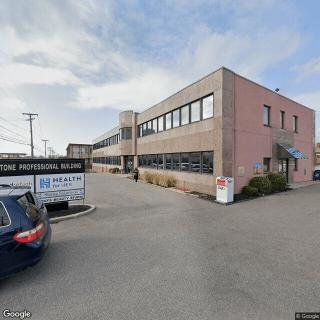


 Understanding the Nuances of Palliative Care and Hospice: A Comprehensive Exploration
 Fecal Incontinence in Older Adults: A Comprehensive Guide
 Recognizing the Journey: Understanding and Navigating Anticipatory Grief