
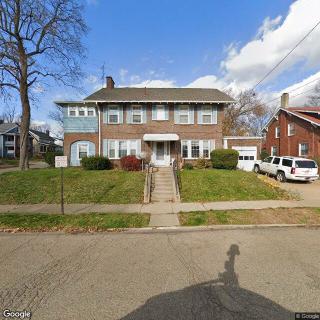
820 34th Street Nw, Canton, OH 44709
For more information about senior living options: (866) 208-4318
Overall Review of Stone Crossing Care Center By Lamplight Communitie
Pros
 There are no positive statements about the facility in the review.
Cons
 The facility is by far the worst assisted living facility in Canton, Ohio.
- The reviewer would give this place no stars.
- No one should place a loved one in this home.
- The facility did not provide therapy at all.
- A resident was discharged with papers saying he had no medication, only to learn two hours later that he was on 14 different pills.
- The staff does not care, and the care shown is poor; the reviewer fears they may not be able to get their father back on the right path.
Review
Stone Crossing Care Center by Lamplight Communitie in Canton, Ohio is best suited for families that face limited options and can commit to a vigilant, hands-on advocacy approach. This is a setting where relatives must be prepared to monitor care closely, demand timely responses, and persist in pursuing clarity around medication and therapy. In short, it works only for households willing to assume a supervisory role that eclipses what the staff may deliver on a consistent basis. For families unable or unwilling to stay highly involved, this community becomes a high-risk choice with uncertain outcomes.
Those weighing alternatives should note that the primary red flags point to reliability gaps in core care tasks. Residents who depend on reliable medication management, scheduled therapies, and transparent, proactive communication should look elsewhere. This community is unlikely to meet the needs of seniors who require steady, professional oversight for complex regimes or rehabilitation goals. People considering long-term placement for dementia care, significant mobility issues, or chronic medical stability should actively compare options with facilities that demonstrate stronger accountability and demonstrated clinical continuity.
The most troubling specifics from the available feedback center on medication handling and therapy. A resident was discharged with discharge papers indicating no medications, only to have it revealed hours later that the person was on a regimen of 14 different pills. That kind of discrepancy signals a breakdown in basic pharmacy coordination and a vulnerability to dangerous drug interactions. In addition, the same narrative indicates that therapy, an essential component of maintaining function and independence, was not provided at all. When rehabilitation services are withheld or inconsistently delivered, the risk to safety, daily functioning, and progress cannot be overstated. These lapses are not minor operational hiccups; they are fundamental failures in resident care.
Given the scant positive feedback available, the cons substantially outnumber any potential upside. The facility carries a low overall rating (2.3 with two one-star reviews) and the narrative emphasis is unmistakably about neglect and mismanagement. Even without delving into every unverified detail, the tone and outcomes described point decisively away from a reliable, reassuring living environment. Prospective families should not expect a balanced trade-off where cost savings or convenience justify ongoing risk to health and safety. In this context, the negatives are systemic enough to overshadow any possible, undocumented strengths.
If considering a stay here, implement a concrete, step-by-step due diligence plan. Schedule a direct meeting with the administrator to spell out expectations for daily nursing oversight, medication reconciliation procedures, and the schedule and documentation of therapies. Request copies of recent state inspections, incident reports, and any corrective action plans. Bring a trusted clinician or pharmacist to evaluate medication management practices and a social worker to review care plans and escalation processes. Insist on trial periods with clear exit strategies and roommate/transition plans, along with agreed-upon penalties for missed services. Finally, have a robust contingency in place to switch communities if measurable improvements arenā€™t evident within a defined timeframe.
Bottom line: for most families, Stone Crossing Care Center by Lamplight Communitie is not a dependable match. The combination of alleged medication mismanagement and the absence of rehabilitative therapy, paired with a tone of indifference toward resident well-being, creates a risk profile that outweighs any unclear advantages. Alternatives with more transparent care, stronger regulatory track records, and demonstrable adherence to medication and therapy protocols should be the default path. If choosing this community anyway, enter with unwavering vigilance, explicit expectations, and a firm readiness to pursue an immediate transition at the first sign of ongoing inadequacy.
 75 resident community capacity
 Assisted Living
 Air-conditioning
 Beauty salon
 Cable or satellite TV
 Computer center
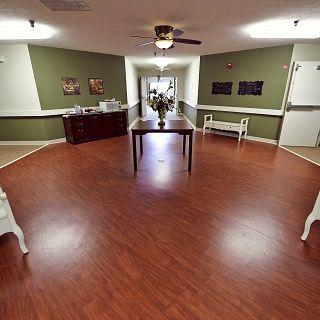
 Dining room
 Fitness room
 Fully furnished
 Gaming room
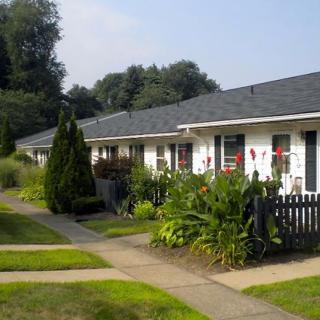
 Garden
 Housekeeping services
 Kitchenette
 Move-in coordination
 Outdoor space
 Private bathrooms
 Restaurant-style dining
 Small library
 Telephone
 Wellness center
 Wi-Fi/high-speed internet available
 Akron-Canton Regional (7 miles away)
 Community operated transportation
 12-16 hour nursing
 24-hour call system
 Activities of daily living assistance
 Assistance with bathing
 Assistance with dressing
 Assistance with transfers
 Diabetes diet
 Medication management
 Mental wellness program
 Special dietary restrictions
 Concierge services
 Planned day trips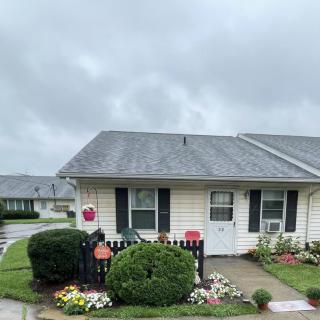

 Exploring the Contrasts Between Assisted Living and Skilled Nursing
 8 Key Indicators That Suggest It May Be Time to Transition from Assisted Living to Skilled Nursing Care
 Vibrant Senior Living: A Comprehensive Guide for Active Older Adults