For more information about senior living options: (866) 208-4318
3.8 from 47 reviews
5 stars
18
4 stars
15
3 stars
7
2 stars
0
1 stars
7
East Park Retirement Community Costs & Pricing
East Park Retirement Community offers competitive pricing for its living arrangements when compared to the broader costs of care in Cuyahoga County and the state of Ohio. For a one-bedroom unit, residents pay $800 per month, which is significantly lower than the county average of $3,410 and the state average of $3,712. Similarly, the two-bedroom option at East Park is priced at $1,090, again presenting a more affordable choice compared to Cuyahoga County's average cost of $3,458 and Ohio's statewide average of $3,501. Even for studio apartments, where residents are charged $2,950 monthly, East Park remains an attractive option against county and state figures that stand at $3,632 and $3,727 respectively. This pricing structure highlights East Park Retirement Community's commitment to providing quality living spaces for seniors at a fraction of the cost typically seen in the region.
Floor plans
East Park Retirement Community
Cuyahoga County
Ohio
1 Bedroom
$800
$3,410
$3,712
2 Bedrooms
$1,090
$3,458
$3,501
Studio
$2,950
$3,632
$3,727
Assisted Living communities with a similar price nearby
Residents repeatedly mention good meals and dining options at the community.
Dining comes up often, with several residents describing the food as good and noting the ability to have meals as part of life at the community. Families also point to special diet help and the day-to-day practicality of eating on-site. A smaller set of reviews is less positive, including complaints about the look of meals and repetitive lunch offerings.
common20 reviews mention this
Staff are helpful and cordial
Many reviews describe staff who are friendly, caring, and responsive.
Across reviews, residents and families frequently describe staff as friendly, compassionate, and helpful, with good follow-through on day-to-day needs. Some reviews also call out cleanliness alongside the way staff interact with residents. There are also critical reviews, including concerns about being ignored or not handled appropriately, particularly in memory care.
common10 reviews mention this
Clean facility is a recurring point
Cleanliness and overall upkeep show up as consistent themes in reviews.
Multiple reviews describe the community as clean, well kept, and maintained, including apartments being cleaned and tidy common areas. Even when decor is mentioned as older, reviewers still often return to cleanliness as a positive. A few negative reviews include examples of poor cleaning, which stands out against the more typical impressions.
caveat5 reviews mention this
Memory care communication and medication concerns
Some families report problems with communication and medication management in memory care.
Several critical reviews focus on memory care communication, describing promises to update families that were not carried through. Medication management is also mentioned, including concerns about ineffective or unsafe handling. One review also describes a broader pattern of care issues tied to symptoms and hygiene, which contrasts with the positive experiences others describe.
common5 reviews mention this
Affordability is a frequent positive
Pricing is often described as more affordable than alternatives.
A number of reviews frame East Park as a cheaper option compared with other nursing homes, and some describe the overall value as good. Residents also mention accessible meal options for a reasonable price. This aligns with the pricing range shown for different apartment types, which positions the community well below county and state benchmarks.
How we summarize
Counts show how many written reviews mention each theme; a review can touch several themes, and only frequently mentioned themes are displayed.
Features
Housing
80 resident community capacity
Types of Care
Assisted Living
Continuing Care Retirement Community (CCRC)
Independent Living
Memory Care
Skilled Nursing Facility
Amenities
Activities on-site
Air-conditioning
Beauty salon
Cable or satellite TV
Computer center
Devotional services off-site
Fitness room
Fully furnished
Gaming room
Garden
Housekeeping services
Indoor common areas
Kitchenette
Move-in coordination
Outdoor space
Private bathrooms
Restaurant-style dining
Small library
Telephone
Wellness center
Wi-Fi/high-speed internet available
Transportation
Cleveland-Hopkins International (3 miles away)
Community operated transportation
Transportation arrangement
Transportation arrangement (non-medical)
Care Services
24-hour call system
24-hour supervision
Activities of daily living assistance
Ambulatory care
Assistance with bathing
Assistance with dressing
Assistance with transfers
Diabetes diet
Diabetic care
Incontinence care
Meal preparation and service
Medication management
Special dietary restrictions
Dining
Diabetes diet
Meals provided
Special dietary restrictions
Activities
Activities on-site
Community-sponsored activities
Concierge services
Devotional activities offsite
Fitness programs
Planned day trips
Resident-run activities
Scheduled daily activities
Nearby Places of Interest
Pharmacies
Marc's Stores (0.9 miles)
Marc's Stores (1.2 miles)
MetroHealth Parma Medical Center - Pharmacy (1.5 miles)
CVS Pharmacy (1.6 miles)
Walmart Pharmacy (2.8 miles)
CVS Pharmacy (2.8 miles)
Walgreens (3.1 miles)
Physicians
Ent Allergy Health (1.5 miles)
Cuyahoga County Board of Health (1.7 miles)
Southwest Family Physicians (2.2 miles)
Allergy Diagnostic (6.6 miles)
Restaurants
Taco Bell (1.9 miles)
McDonald's (2 miles)
Raising Cane's Chicken Fingers (2 miles)
Chick-Fil-A (3.2 miles)
Kosta & Vics Restauran (3.3 miles)
McDonald's (4.1 miles)
Niko's Bar & Gyros (5.2 miles)
Parks
James Day Park (2 miles)
Cleveland Metroparks - Big Creek Reservation (2.2 miles)
Surrarrer Park (3.3 miles)
Metroparks Mill Stream Run Reserve North (3.6 miles)
Bain Park (4.6 miles)
Rocky River Reservation (4.7 miles)
Strongsville Wildlife Area (4.9 miles)
Transportation
Cleveland-Hopkins International Airport (CLE) (2.4 miles)
East Park Retirement Community offers competitive pricing for its living arrangements when compared to the broader costs of care in Cuyahoga County and the state of Ohio. For a one-bedroom unit, residents pay $800 per month, which is significantly lower than the county average of $3,410 and the state average of $3,712. Similarly, the two-bedroom option at East Park is priced at $1,090, again presenting a more affordable choice compared to Cuyahoga County's average cost of $3,458 and Ohio's statewide average of $3,501. Even for studio apartments, where residents are charged $2,950 monthly, East Park remains an attractive option against county and state figures that stand at $3,632 and $3,727 respectively. This pricing structure highlights East Park Retirement Community's commitment to providing quality living spaces for seniors at a fraction of the cost typically seen in the region.
The features offered by East Park Retirement Community play a crucial role in supporting residents with dementia or Alzheimer's disease by addressing their unique needs and promoting their overall well-being. Assistance with dressing and bathing helps maintain individual dignity while ensuring proper hygiene, which can be challenging for residents. Medication management is vital for adherence to treatment plans, preventing confusion that can arise from complex regimens. Meal preparation and service focus on providing nutritious meals tailored to dietary needs, helping to enhance physical health. Support for activities of daily living ensures that residents engage in necessary routines, fostering a sense of normalcy and independence. Assistance with transfers contributes to the safety of individuals who may struggle with mobility, while 24-hour supervision offers peace of mind for both residents and families by ensuring immediate assistance when needed. Lastly, incontinence care addresses a sensitive issue with compassion and respect, thereby maintaining the comfort and self-esteem of residents in their daily lives.
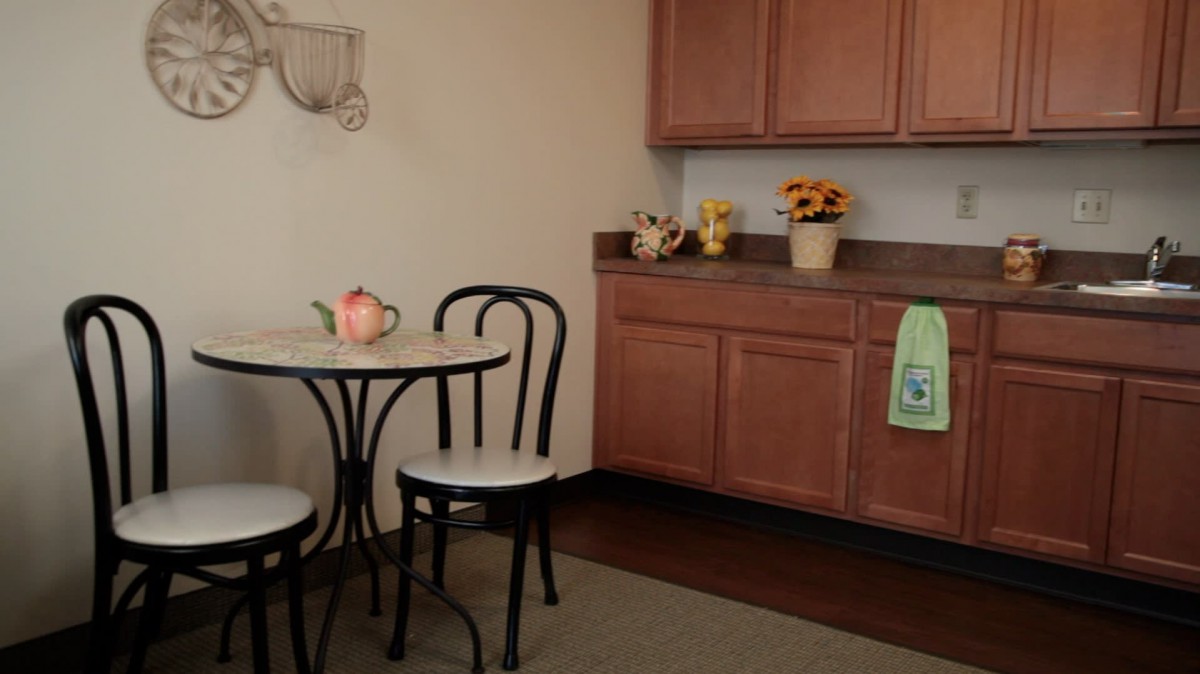
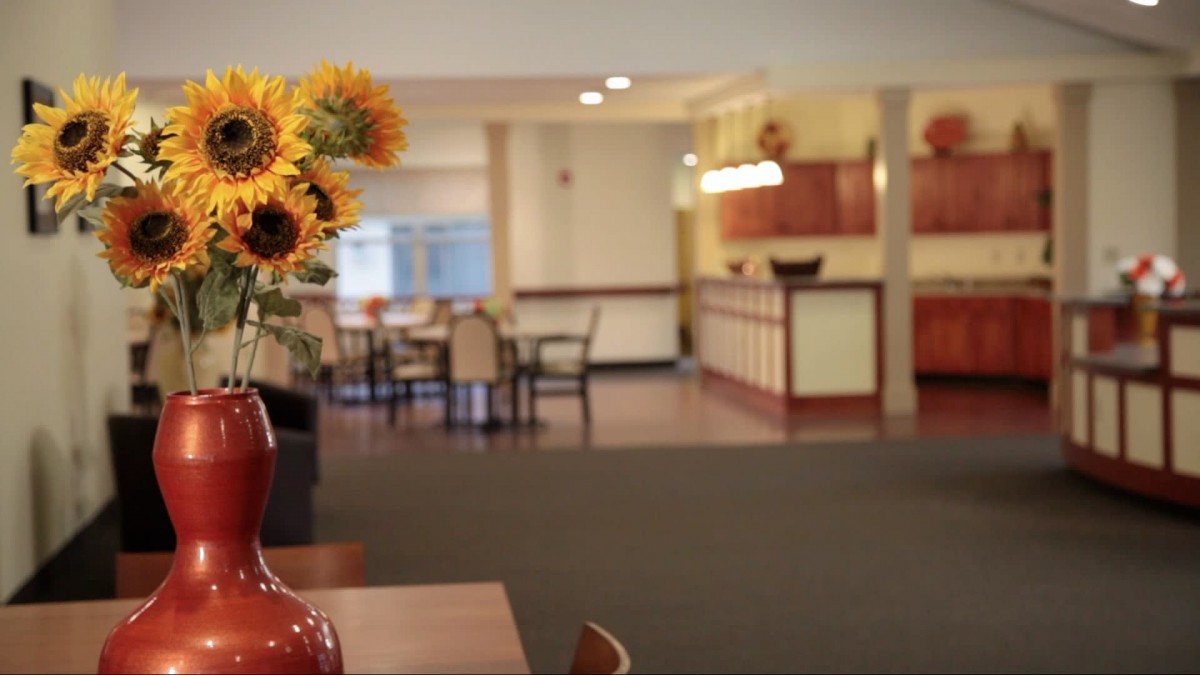
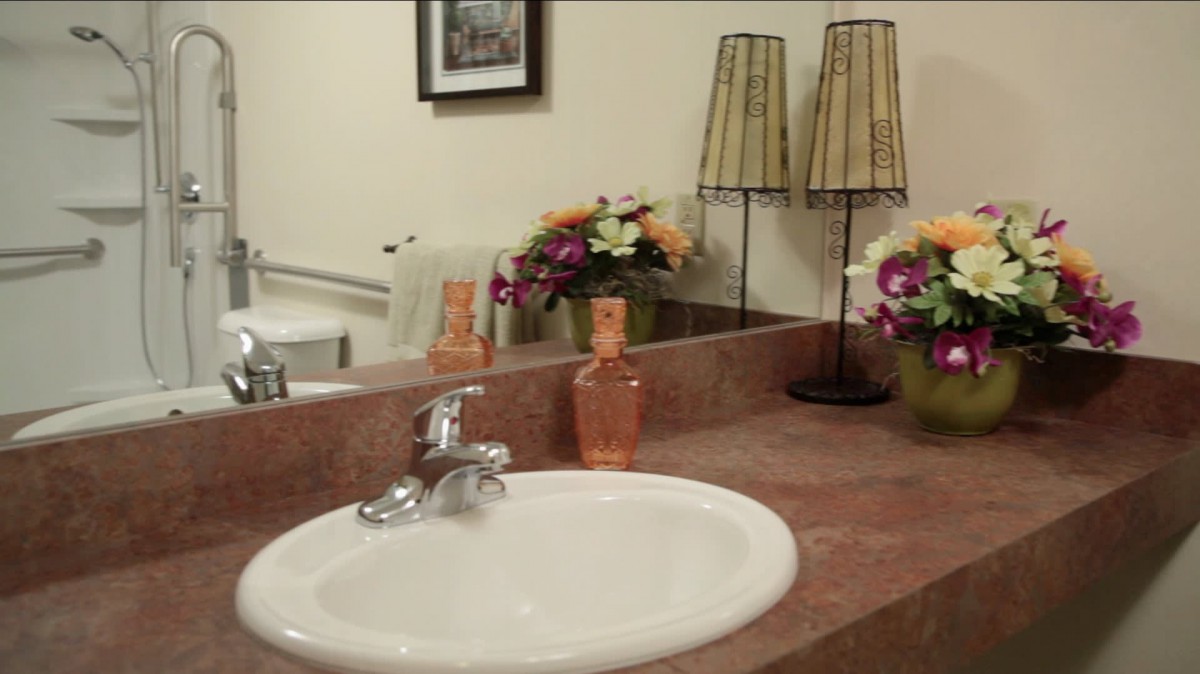
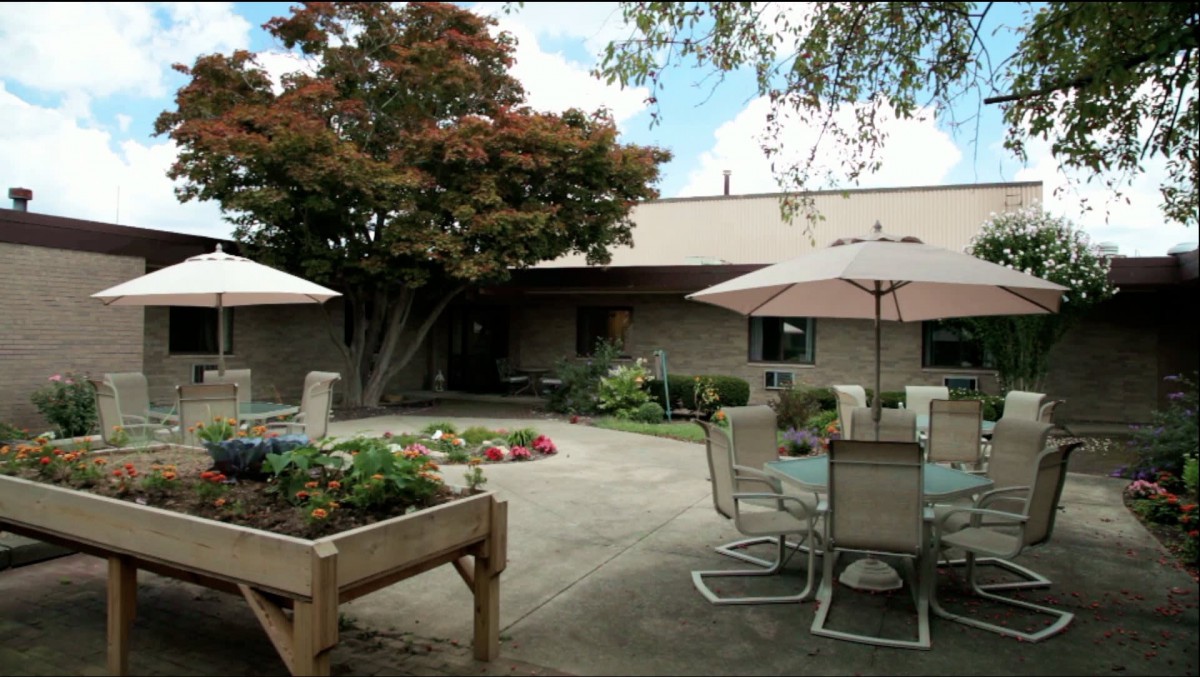
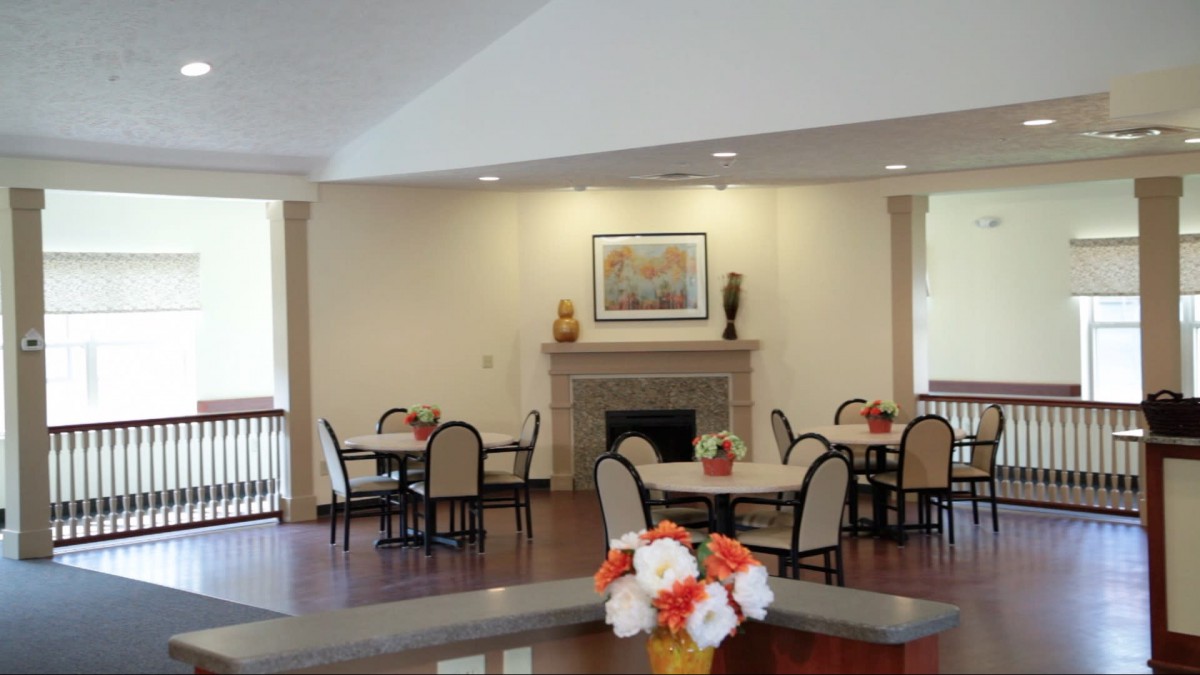
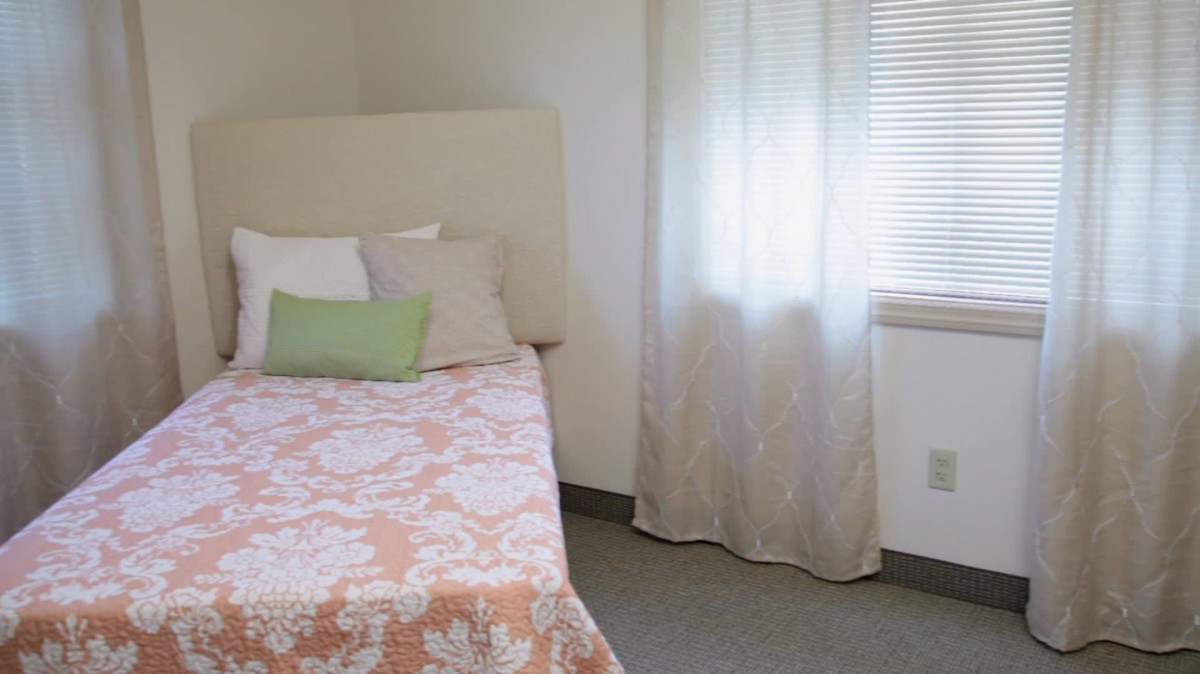
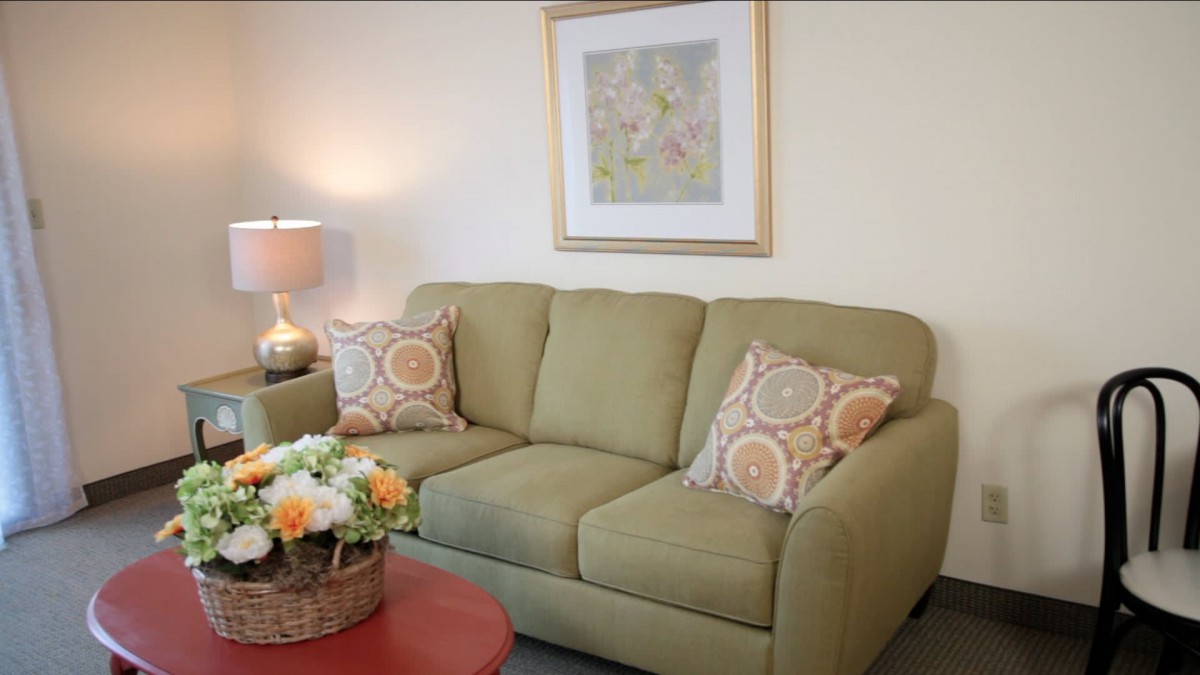
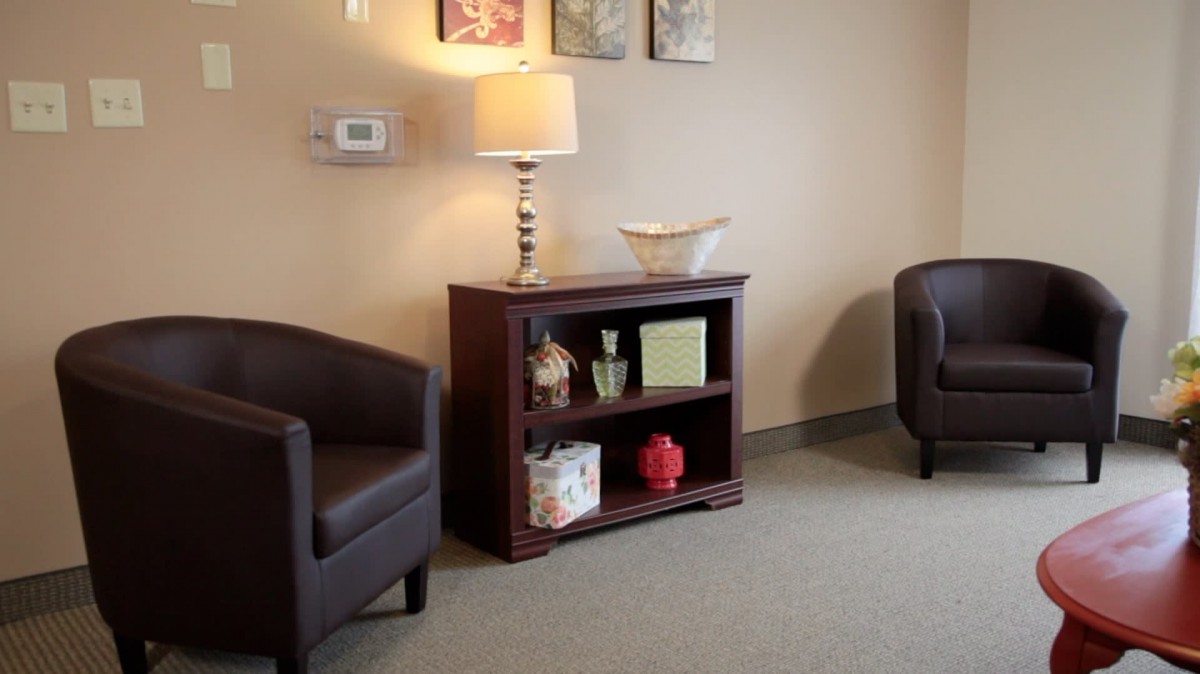
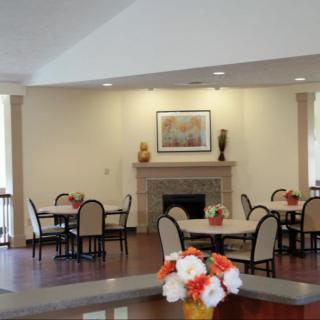
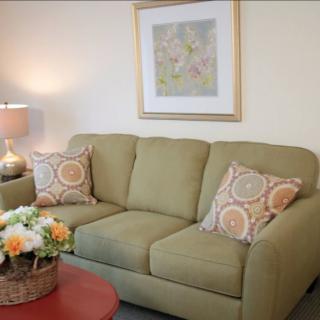
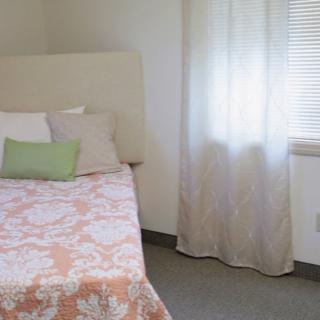
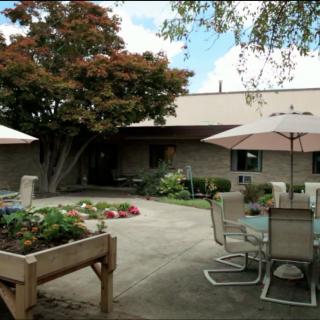
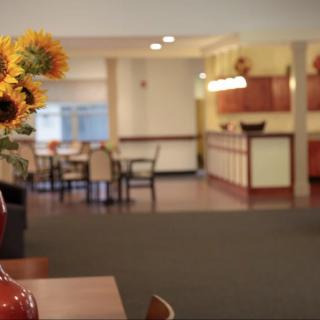
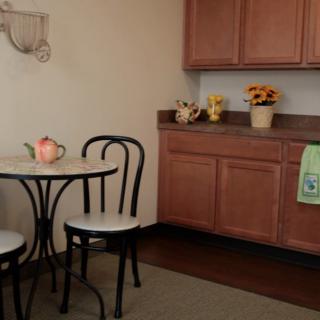
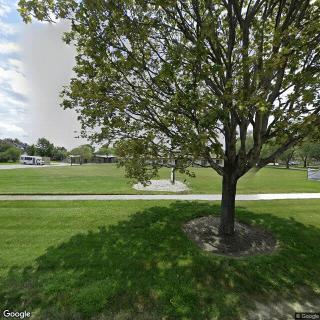
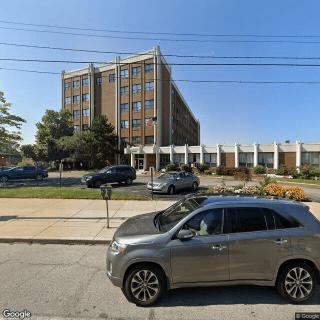
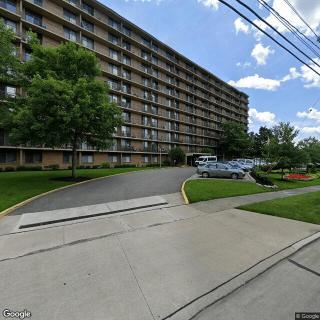
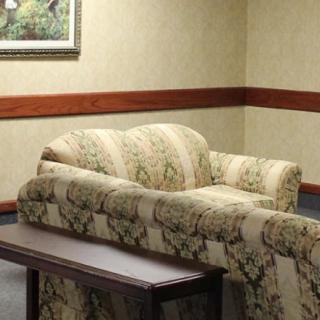
East Park Retirement Community on seniors.fyi includes 9 photos including images showing decor, interior, dining, bedroom, fireplace, windows, living room, artwork, and more.
Nearby Communities
East Park Premier Assisted Living
Brook Park Circle, OH
4.1 from 15 reviews
Specialized memory care with 24/7 supervision and ADL support; furnished apartments with kitchenette and housekeeping; restaurant-style dining with dietary options; engaging activities and mental wellness program.
East Park Care Center
Brook Park, OH
4 from 22 reviews
Friendly floor staff and proactive family communication.
North Park Senior Living
Brookpark, OH
3.7 from 28 reviews
$775 to $3,150 / month
Friendly, attentive staff; clean facility; good value with larger-than-average rooms.
Windsor House Senior Living
Brook Park, OH
3.6 from 12 reviews
Fully furnished apartments, spacious dining, and comprehensive care with transportation and activities.
Home Instead Senior Care - Parma, OH
Parma, OH
4.9 from 76 reviews
Nearby amenities and easy access to healthcare.
BrightStar Care - Cuyahoga West
Cleveland, OH
Convenient location with access to cafes, parks, pharmacies, physicians, restaurants, transportation, and a hospital.
Park Creek Center
Cleveland, OH
3.5 from 26 reviews
Caring staff in a clean, home-like environment with engaging activities.
Independence Place I & II
Cleveland, OH
4.4 from 64 reviews
Spacious layouts with balcony and in-unit amenities; very clean.
Aristocrat Berea Healthcare And Rehabilitation
Berea, OH
3.2 from 38 reviews
Comprehensive, 24/7 care with private accommodations and restaurant-style dining.
The transition from assisted living to skilled nursing care is often prompted by complex medical needs that assisted living cannot meet, with key indicators including frequent health declines, increased falls, severe memory issues, and caregiver burnout. Families should recognize these signs early to discuss options with healthcare providers and prepare for the emotional and logistical aspects of moving to a facility that offers comprehensive medical support.
Dementia is characterized by cognitive decline, with nutrition playing a vital role in brain health; while no specific diet can prevent or reverse it, a nutrient-dense diet rich in antioxidants and healthy fats may support cognitive function. The MIND diet, which emphasizes beneficial foods and limits processed items, along with proper hydration and individualized meal strategies, can enhance the well-being of dementia patients.
Dementia affects memory and cognitive function in older adults, presenting challenges for caregivers due to behavioral changes such as confusion and mood swings. Compassionate, person-centered care that considers individual history and preferences, along with effective communication and environmental modifications, is essential for supporting both patients and their caregivers.
Trees, Garden, Patio, Outdoor Furniture, and Umbrellas
Kitchen and Cabinets
Fireplace
Get PricingAsk A QuestionSchedule A TourContact Senior Advisor
By clicking submit, you agree to our Partner's Terms of Use. You
also consent to receive calls and texts, which may be autodialed, from our Partner. Your consent is not a condition to
using our Partner's service. Please visit our Partner's Privacy Policy for information about their privacy practices.


 80 resident community capacity
 Assisted Living
 Continuing Care Retirement Community (CCRC)
 Independent Living
 Memory Care
 Skilled Nursing Facility
 Activities on-site
 Air-conditioning
 Beauty salon
 Cable or satellite TV
 Computer center
 Devotional services off-site
 Fitness room
 Fully furnished
 Gaming room
 Garden
 Housekeeping services
 Indoor common areas
 Kitchenette
 Move-in coordination
 Outdoor space
 Private bathrooms
 Restaurant-style dining
 Small library
 Telephone
 Wellness center
 Wi-Fi/high-speed internet available
 Cleveland-Hopkins International (3 miles away)
 Community operated transportation
 24-hour call system
 Ambulatory care
 Assistance with bathing
 Assistance with dressing
 Assistance with transfers
 Diabetes diet
 Diabetic care
 Incontinence care
 Medication management
 Special dietary restrictions
 Concierge services
 Planned day trips
 Specialized memory care with 24/7 supervision and ADL support; furnished apartments with kitchenette and housekeeping; restaurant-style dining with dietary options; engaging activities and mental wellness program.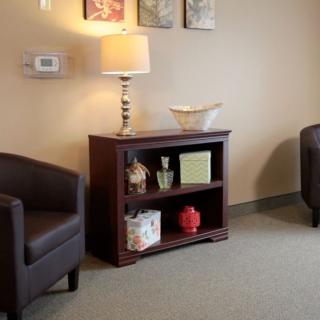

 8 Key Indicators That Suggest It May Be Time to Transition from Assisted Living to Skilled Nursing Care
 Nourishing the Mind: Essential Dietary Approaches for Dementia
 Understanding Dementia Behaviors: Practical Insights and Strategies for Caregivers