
550 Haven Dr, Archbold, OH 43502
To contact a resident: (419) 445-6313
For more information about senior living options: (866) 208-4318
Overall Review of Wyse Commons
Pros
 The facility provides plenty of activities for residents.
- The activities area is cute and inviting.
- The dining room is pleasant.
- The gym is a nice amenity.
Review
Wyse Commons in Archbold is best suited for seniors who want an active, socially oriented living environment where daily life centers on structured programming, convenient dining, and accessible fitness options. The property’s intimate, “cute” activities area and on-site gym suggest a campus that emphasizes engagement over isolation, with enough on-site supports to keep retirees moving through a varied schedule. This setting rewards residents who thrive on companionship, predictable routines, and light, practical recreation, without demanding the level of medical acuity found in larger, more clinical communities. It is especially appealing to those who prize a lively cadence to each day and prefer a tighter-knit atmosphere over sprawling, anonymous campuses.
Those who should consider alternatives are residents who expect robust medical oversight, extensive care transitions, or specialized memory- and dementia-care services. If 24/7 nursing supervision or a wide array of on-site therapies is non-negotiable, a larger or more medically oriented community may suit better. Families seeking diverse amenities, extensive transportation options, or a broad continuum of care, including advanced wound care, physical therapy on demand, or dedicated memory care, might find Wyse Commons lacking in scope. In short, the option fits a largely independent or lightly assisted senior who wants convenience and companionship, not a strong hospital-like care environment.
The standout positives from the available information center on engagement and accessibility. The resident quickly notes “plenty to do,” signaling a robust activity calendar and meaningful opportunities to socialize, learn, and pursue hobbies. The presence of a dedicated activities area, an intimate dining room, and a gym creates a practical hub for daily life, reducing friction between meal times, entertainment, and fitness. This combination supports both physical health and mental well-being by making movement and social connection routine, which is especially valuable for seniors at risk of isolation. In such a setting, structured days can help preserve autonomy while lowering the burden of planning for family caregivers.
However, the absence of detail about care levels, staffing, transportation, and meal quality represents meaningful unknowns. Prospective residents should confirm whether assistance with activities of daily living, medication management, and incidental needs is available on the same campus or only through referrals. The limited information about staff-to-resident ratios or emergency response readiness leaves important questions unanswered for families monitoring safety and responsiveness. Without broader data, there is a reasonable concern that the appealing social calendar could outstrip the practical caregiving capacity for residents who drift from independence toward higher assistance requirements.
Still, the core strengths, the social programming, the accessible dining environment, and the dedicated fitness space, can substantially offset the potential downsides for the right person. A compact, activity-rich setting tends to foster familiarity and accountability: neighbors know each other, staff become familiar with routines, and participation becomes easier. For a senior who wants predictable structure and plenty of on-site engagement, those advantages can reduce the need for travel, empower sustained routines, and maintain a sense of purpose. Where medical complexity is moderate, Wyse Commons stands a strong chance of delivering a satisfying balance between independence and light support.
In the end, Wyse Commons serves as a practical pick for Archbold-area seniors who prize an active lifestyle within a close-knit community. It is less suitable for those who require extensive medical services or specialized dementia care in a campus setting. Families prioritizing robust clinical infrastructure or a broad continuum of care will want to explore other options, while those who value daily engagement, a welcoming dining atmosphere, and on-site fitness will find the pros compelling. The next steps are clear: verify the specific care offerings, tour the building to assess the activity calendar and dining experience, and request a straight-forward outline of costs, included services, and any potential add-ons.
 Assisted Living
 Independent Living
 Skilled Nursing Facility
 Activities on-site
 Devotional services off-site
 Indoor common areas
 Ambulatory care
 Diabetic care
 Meals provided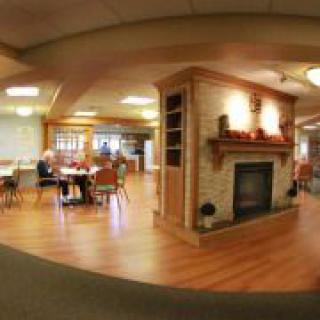


 Vibrant Senior Living: A Comprehensive Guide for Active Older Adults
 When to Transition from Assisted Living to Memory Care: Key Indicators, Steps, and Finding the Right Community
 Assisted Living and Memory Care: Understanding Their Core Differences