
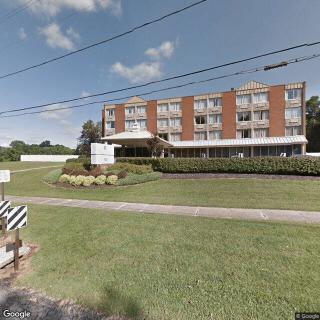
694 Annapolis Avenue, Akron, OH 44310
To contact a resident: (330) 800-3665
For more information about senior living options: (866) 208-4318
Overall Review of Dearly Important People
Pros
 DIP Home Care stepped right in and assisted with his day-to-day needs.
- They provided essential support after his fall and rehab.
- He is grateful for their help and cannot imagine where he would be without them.
- Their intervention has made a meaningful difference in his daily life.
Cons
 He suffered from a fall at work.
Review
Dearly Important People in Akron, OH appears best suited for seniors who have recently left rehab and know they will need dependable help with daily tasks as they transition back to home life. The standout message from the available experience is a rapid, hands-on handoff to a home-care provider that can handle routine activities, reinforcing the idea that ongoing support doesn’t require immediate, full-time placement in a higher level of care. For families navigating post-discharge planning, this community, paired with a capable home-care partner, offers a practical path to regain independence while retaining a safety net. The one clear testimonial shows a beneficiary who felt rescued by the timely involvement of DIP Home Care, underscoring the value of reliable day-to-day assistance during recovery.
Those who should consider alternatives are families facing more complex medical needs. If ongoing skilled nursing, wound care, intravenous therapy, or constant medical oversight is required, options with on-site nursing staff or more intensive clinical programming will likely serve better. Similarly, families hoping for robust social engagement, memory-care programming, or a campus-style living environment with frequent group activities may find the current setup less satisfying unless such amenities are readily available on-site or through strong community partnerships. In short, a plan centered on home-care support for daily tasks works well for recovery stages, but it may fall short for high-acuity needs or highly structured social care.
The core strength here is the ability to bridge hospital-to-home transitions with reliable in-home support. The testimonial highlights immediate assistance with day-to-day needs, which can reduce anxiety for recovering individuals and relieve family caregivers who would otherwise shoulder a heavy load. This kind of continuity matters: it keeps routines intact, helps sustain independence, and minimizes the risk of avoidable setbacks by ensuring tasks such as personal care, light housekeeping, meal preparation, and transportation can be managed consistently. In this sense, the main pro, trusted,Responsive in-home care, directly offsets the risk of isolation and regression that accompanies abrupt discharge without a clear plan.
Yet, the evidence remains narrow, and that matters for decision-making. The single, favorable review does not illuminate cost structures, caregiver-to-client ratios, or the availability of 24/7 coverage. It also leaves open questions about what happens if needs escalate beyond daily task support, or if a medical episode requires quicker escalation to more intensive services. Families evaluating this model should push for explicit details: exact services included under “day-to-day needs,” hours of operation, how caregivers are assigned and supervised, contingency plans for caregiver absences, and how coordination with Dearly Important People works when medical or rehabilitation services intensify.
Practical due diligence becomes the deciding factor. Prospective residents or their families should request a written care plan that defines service scope, frequency, and boundaries, plus a transparent cost estimate with any add-on charges. Ask for referrals or case studies from families who used DIP Home Care in similar recovery scenarios, and seek a trial period to gauge fit. Crucially, confirm how communication will flow between the home-care provider and any on-site teams at Dearly Important People, including how quickly issues are escalated and resolved. The right arrangement will feel seamless, not fragmented, and will leave the recovering person surrounded by reliable accountability.
In the Akron context, Dearly Important People paired with a responsive home-care partner can deliver meaningful peace of mind for families pursuing a low-stress, recovery-forward route. This model shines when the priority is maintaining independence while layering in practical support that covers daily living tasks. It becomes less compelling when medical complexity, intensive supervision, or a rich on-site community life is non-negotiable. The decision hinges on a clear understanding of service boundaries, cost transparency, and a concrete plan for escalation if the care needs intensify. For those who want to facilitate a smooth post-discharge trajectory with trusted in-home help, this is worth pursuing, provided the specifics are laid out and agreed upon before any transition.
 Akron-Canton Regional (14 miles away)







 9 Stimulating Memory Activities for Seniors: Puzzles, Cards, and Much More
 Managing Nursing Home Expenses After Medicare Coverage Ends
 Is a Geriatric Care Manager the Right Choice for Your Family?