
202 West Glenn Street, Zebulon, NC 27597
For more information about senior living options: (866) 208-4318
Overall Review of Edythe's Care Home
Pros
 It is a great place to live, with great residents and staff.
- It is a very beautiful place with polite and friendly staff who greet visitors at the door.
- It is an absolutely adorable, very clean community with caring staff and convenient access to hospitals, shopping malls, and the airport.
- Management is professional and easy to work with; the facility is clean and neat, and the environment is quiet.
- The staff are friendly and helpful, and the people who work there are very sweet.
- It is a wonderful, affordable community with all-inclusive rates.
Cons
 The facility is described as a sad case where residents should not have to live in their last days.
- The place allegedly has no proper food and is infested with bed bugs, roaches, and mice, and the cost of living there needs investigation.
- Staff are accused of altering a resident's insulin needs and failing to monitor blood sugars for two months, while criticizing her for eating.
- The reviewer claims three months of rent were paid while the resident was away, only to be deemed not assisted after returning.
- The rating reportedly dropped from four stars to 1.7 during their time there.
- It is described as horrible, with doors hard to access, staff often at meals, and slow response to calls, including long waits at the front door.
Review
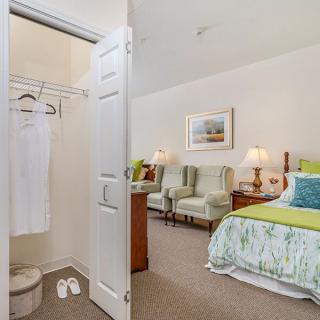
Edythe's Care Home in Zebulon, NC is best suited for families seeking an affordable, welcoming, neighborhood-style assisted living option where residents and staff are known to one another and daily life centers on social connection and ease of access to services. The community seems to deliver a warm, people-first atmosphere with a clear emphasis on proximity to major hospitals, shopping, and even the airport, benefits that reduce logistical stress for families. It is well-matched to seniors who value an all-inclusive, budget-conscious plan and a setting that feels like a small, familiar neighborhood. For these families, the appeal lies in a pleasant environment where staff are frequently described as courteous and residents appear to form meaningful relationships, all within a price point that makes ongoing care more sustainable.
Given those strengths, certain families should explicitly consider alternatives. Those who depend on steady, highly professional medical oversight should look elsewhere, as multiple reviews flag concerns around health management, including insulin adjustments and blood-glucose monitoring gaps. Transportation for outings is reportedly limited or unavailable, which can restrict activity and independence for seniors who want a richer daily routine outside the building. There are accounts of delayed assistance, particularly on weekends, and front-door access problems that complicate visits and overall safety. For care plans that hinge on rapid response or strict safety protocols, Edythe’s may fall short, and a more tightly staffed, transport-capable option would be prudent to pursue.
The strongest positives begin with cost and convenience. The all-inclusive pricing is repeatedly cited as an actual savings compared with more premium facilities, and the location’s accessibility to hospitals, retail centers, and transit hubs is regularly praised. The staff and residents are described as welcoming, with families noting frequent, genuine warmth and a sense of community that supports social engagement and emotional security. The physical setting is often characterized as clean, neat, and aesthetically pleasing, with management portrayed as professional and cooperative in coordinating care and visits. These factors collectively translate to lower daily stress for families who want a predictable, low-friction path to senior living without sacrificing basic quality of life.
Yet the downsides are not easily dismissed. Pest concerns, ranging from bed bugs to roaches and mice, surface repeatedly, painting a troubling picture of sanitation that affects resident comfort and peace of mind. Reports of understaffing or inconsistent response times to calls for help create a sense of vulnerability around daily needs and safety, with weekends emerging as particularly challenging. Door access problems undermine the intended open-invite atmosphere for family visits and can erode trust in the facility’s ability to safeguard residents. Medical oversight issues, such as delayed blood sugar monitoring or shifts in insulin management, suggest that clinical governance may not be as thorough as families expect. Finally, the absence of resident transportation limits the ability to sustain enriching activities beyond the building’s walls, a notable constraint for seniors who prize autonomy and external engagement.
The core pros and cons form a mixed equation. On the pro side, affordability, proximity, and a friendly, social environment provide real, tangible offsets for many families, especially those balancing cost with a desire for a supportive community. For residents who thrive on daily interaction and have modest medical needs, these positives can translate into a satisfying living experience that feels like a cooperative, well-run neighborhood. On the con side, however, the most consequential risks, medical oversight gaps, sanitation concerns, and restricted mobility, carry serious implications for health, safety, and long-term quality of life. These factors do not vanish because the price is attractive; they demand careful consideration, and in some cases, they may decisively tilt the decision toward exploring other options with stronger clinical governance and higher standards of cleanliness and safety.
In practical terms, a firm, action-oriented path should guide the decision. Start by visiting at different times, including weekends, to observe staff staffing levels, call-bell responsiveness, and how promptly maintenance issues are addressed. Secure documentation on pest-control histories and sanitation protocols to verify that past concerns have been fully mitigated and future risks minimized. Probe medical supervision directly: who reviews chronic conditions, how diabetes management is coordinated, and what the escalation process looks like for urgent medical needs. Confirm transportation arrangements for off-site activities and clarify visiting policies to avoid repeated front-door friction. If these questions cannot be answered to a high standard, or if any lingering concerns surface about safety or medical oversight, it is prudent to expand the search to alternatives with stronger reliability in these crucial areas. Edythe’s Care Home can be a viable pick for families prioritizing affordability, a friendly social climate, and convenient access to services; for those prioritizing uncompromising medical oversight, proactive safety measures, and guaranteed ease of visitation, stronger options should be pursued.
 6 resident community capacity
 Assisted Living
 Board and Care Home
 Cable or satellite TV
 Dining room
 Fully furnished
 Garden
 Housekeeping services
 Move-in coordination
 Outdoor space
 Telephone
 Wi-Fi/high-speed internet available
 24-hour supervision
 Activities of daily living assistance
 Assistance with bathing
 Assistance with dressing
 Assistance with transfers
 Diabetes diet
 Meal preparation and service
 Medication management
 Special dietary restrictions
 Transportation arrangement (medical)
 Transportation to doctors appointments







 Beyond the Bingo Hall: 50+ Enriching Activities for Seniors in Assisted Living
 Understanding the Distinctions: Assisted Living and Memory Care Explained
 Guiding Elderly Parents Who Refuse Assisted Living: 6 Practical Steps