For more information about senior living options: (866) 208-4318
3.6 from 53 reviews
5 stars
32
4 stars
4
3 stars
0
2 stars
0
1 stars
17
Salem Terrace Costs & Pricing
Salem Terrace offers competitive pricing for its residential accommodations, particularly when compared to the broader market in Forsyth County and across North Carolina. For semi-private rooms, Salem Terrace charges $3,150 per month, which is notably lower than the county average of $3,863 and the state average of $3,584. Similarly, for one-bedroom units, Salem Terrace's monthly rate of $3,465 stands out as more affordable than both Forsyth County's rate of $3,909 and North Carolina's average of $4,055. This positioning not only highlights Salem Terrace's commitment to providing value but also makes it an appealing option for those seeking quality care without exceeding their budget.
Floor plans
Salem Terrace
Forsyth County
North Carolina
Semi-Private
$3,150
$3,863
$3,584
1 Bedroom
$3,465
$3,909
$4,055
Overall Review of Salem Terrace
differentiator2 reviews mention this
Pricing feels comparatively fair
Several reviews describe pricing and value as fair.
A couple of residents and families mention that the cost felt fair or that value for money was ideal. The community’s price range is presented as below county and state benchmarks for the units shown, which fits those impressions.
common31 reviews mention this
Staff is described as caring
Residents and families frequently describe caring, responsive staff.
Many reviews praise staff for being friendly, attentive, compassionate, and helpful, including during stressful situations. A smaller set of reviews counters that with complaints about rudeness and poor customer service, so experiences appear mixed. The community also offers help with activities of daily living and medication management, which aligns with the attention reviewers attribute to day-to-day caregiving.
common3 reviews mention this
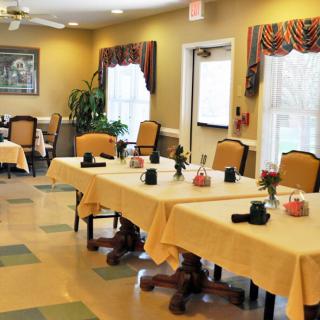
Dining gets both praise and complaints
Dining is a recurring point, with some praising the food.
Some reviewers say the food looks good and that dining feels satisfactory. Others report issues in the dining room, including concerns about cleanliness. The community offers restaurant-style dining and room service, and it also lists multiple special-diet dining options that may matter to families comparing menus and meal support.
caveat3 reviews mention this
Activities can vary by staffing
Residents mention community activities, but availability has changed.
Several reviews describe scheduled social time such as games and visits from church groups, plus opportunities for outings and day trips. One review also notes that activities were paused when an activity director retired, which suggests programming can shift. The community lists a broad activities calendar (including scheduled daily activities and planned day trips), but reviews indicate real-world scheduling depends on staffing.
caveat14 reviews mention this
Cleanliness concerns show up often
Cleanliness is where reviews most consistently disagree.
Some reviewers praise the building for being clean, well maintained, and improved after renovations, and others mention cleaning crews visiting rooms. Other reviews describe dirty common areas, dirty dining conditions, and even bed bug concerns, with complaints severe enough to mention serious safety and care breakdowns. With resident rooms and shared spaces mentioned in multiple reviews, upkeep appears to be a meaningful part of the overall experience.
How we summarize
Counts show how many written reviews mention each theme; a review can touch several themes, and only frequently mentioned themes are displayed.
Features
Housing
142 resident community capacity
Types of Care
Assisted Living
Memory Care
Amenities
Activities off-site
Activities on-site
Air-conditioning
Bath tubs
Beautician on-site
Beauty salon
Cable or satellite TV
Computer center
Devotional services off-site
Devotional services on-site
Dining room
Fitness room
Fully furnished
Gaming room
Garden
Ground floor units
Housekeeping services
Indoor common areas
Kitchenette
Move-in coordination
Outdoor common areas
Outdoor space
Private bathrooms
Respite or short term stays offered
Restaurant-style dining
Small library
Telephone
Wellness center
Wheelchair accessible showers
Wi-Fi/high-speed internet available
Transportation
Piedmont Triad International (19 miles away)
Community operated transportation
Transportation & parking
Transportation arrangement
Transportation arrangement (non-medical)
Transportation to doctors appointments
Care Services
12-16 hour nursing
24-hour call system
24-hour supervision
Activities of daily living assistance
Ambulatory care
Assistance with bathing
Assistance with dressing
Assistance with transfers
Diabetes diet
Diabetic care
High acuity care
Meal preparation and service
Medication management
Mental wellness program
Special dietary restrictions
Dining
Diabetes diet
Guest meals
Low / no sodium
Meals provided
No Sugar
Restaurant style dining
Room service
Special dietary restrictions
Special dining programs
Vegetarian
Activities
Art classes
Bible study group
Catholic services
Community-sponsored activities
Concierge services
Day trips and outings
Devotional activities offsite
Devotional activities on-site
Educational speakers / life long learning
Fitness programs
Games
Karaoke
Live musical performances
Planned day trips
Protestant services
Resident-run activities
Scheduled daily activities
Visiting chaplain or priest
Languages Spoken
English
Nearby Places of Interest
This part of Winston Salem, North Carolina offers a convenient and diverse range of amenities for seniors looking to settle in the area. With various dining options such as Burger King, Chick-Fil-A, and Olive Garden located within a few miles radius, there are plenty of choices for dining out. Additionally, pharmacies like South Park Family Pharmacy and Walgreens are easily accessible for medical needs. For healthcare services, there are reputable physicians such as Bethany Medical & Pain Clinic and Wake Forest Baptist Health - Internal Medicine nearby. The area also provides opportunities for leisure activities with parks like Miller Park and Salem Lake Trail available for outdoor recreation. In terms of entertainment, AMC Hanes 12 theater is close by for movie enthusiasts. Overall, this part of Winston Salem offers a well-rounded community with essential services and conveniences for seniors looking to enjoy their retirement years in a vibrant setting.
Restaurants
Burger King (0.8 miles)
Chick-Fil-A (0.8 miles)
Dairi-O of Winston Salem (1.3 miles)
Cook Out (1.7 miles)
Sonic Drive-In (2.9 miles)
Olive Garden (3.1 miles)
McDonald's (3.1 miles)
Pharmacies
South Park Family Pharmacy (1.2 miles)
Walgreens (2.3 miles)
CVS Pharmacy (3 miles)
Walgreens (4.3 miles)
CVS Revco D.S. (4.3 miles)
Walgreens (6.3 miles)
Express Scripts Holding Co. (8.6 miles)
Physicians
Bethany Medical & Pain Clinic (2.2 miles)
Orthocarolina (2.4 miles)
Center For Clinical Research (2.5 miles)
Urology Partners (2.6 miles)
Forsyth Endocrine Consultants (2.6 miles)
Wake Forest Baptist Health - Internal Medicine - Highland Oaks (2.7 miles)
Brookview Hills Internal Medicine (2.7 miles)
Cafes
Starbucks (2.8 miles)
Starbucks (4 miles)
Starbucks (4.6 miles)
Krankies Coffee (5.1 miles)
Panera Bread (17.3 miles)
Starbucks (21.2 miles)
Starbucks (22.1 miles)
Places of Worship
St John's Lutheran School (2.9 miles)
Immaculate Heart of Mary Catholic Church (14.5 miles)
Salem Terrace offers competitive pricing for its residential accommodations, particularly when compared to the broader market in Forsyth County and across North Carolina. For semi-private rooms, Salem Terrace charges $3,150 per month, which is notably lower than the county average of $3,863 and the state average of $3,584. Similarly, for one-bedroom units, Salem Terrace's monthly rate of $3,465 stands out as more affordable than both Forsyth County's rate of $3,909 and North Carolina's average of $4,055. This positioning not only highlights Salem Terrace's commitment to providing value but also makes it an appealing option for those seeking quality care without exceeding their budget.
The range of features at Salem Terrace, such as 24-hour supervision and assistance with activities of daily living, plays a crucial role in supporting residents with dementia or Alzheimer's disease. Continuous supervision ensures a safe environment, allowing residents to navigate their surroundings without the risk of wandering or accidents. Assistance with bathing and dressing fosters personal dignity while addressing the challenges faced in maintaining hygiene and self-care. The help with transfers is vital for mobility and comfort, minimizing physical strain on both residents and caregivers. Meal preparation and service are tailored to individual dietary needs, ensuring proper nutrition while simplifying mealtime routines. Medication management is essential for adherence to prescribed treatments, reducing confusion related to medication schedules. Lastly, a mental wellness program promotes cognitive engagement and emotional support, encouraging social interaction and enhancing overall well-being for those living with memory impairments.
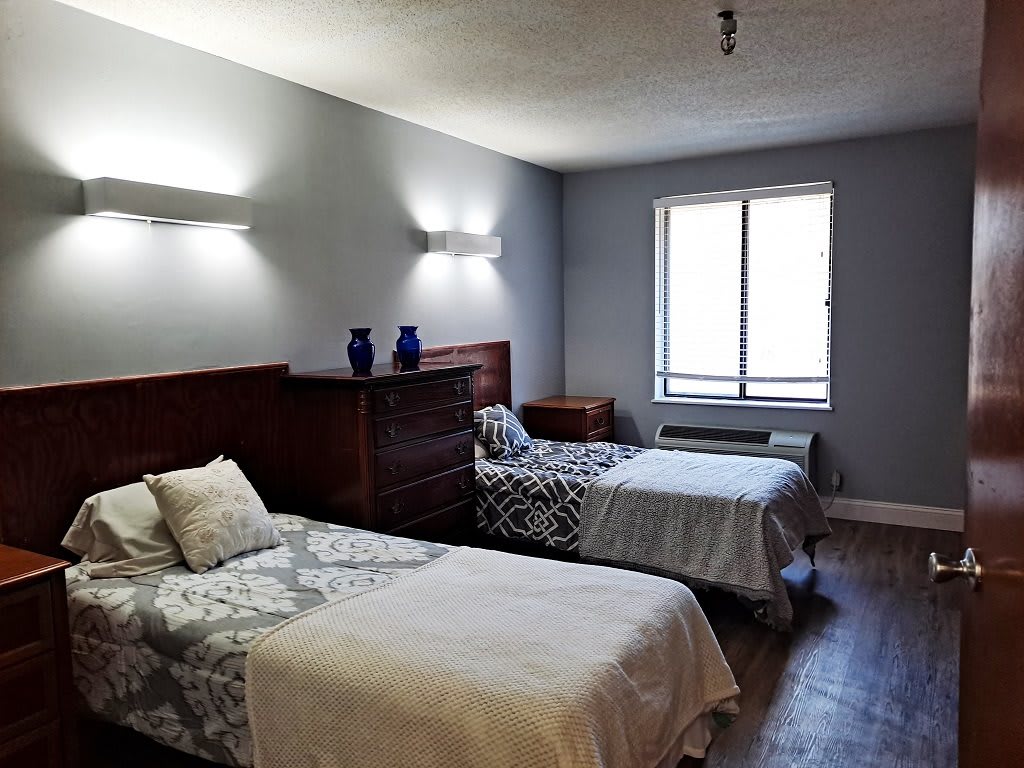
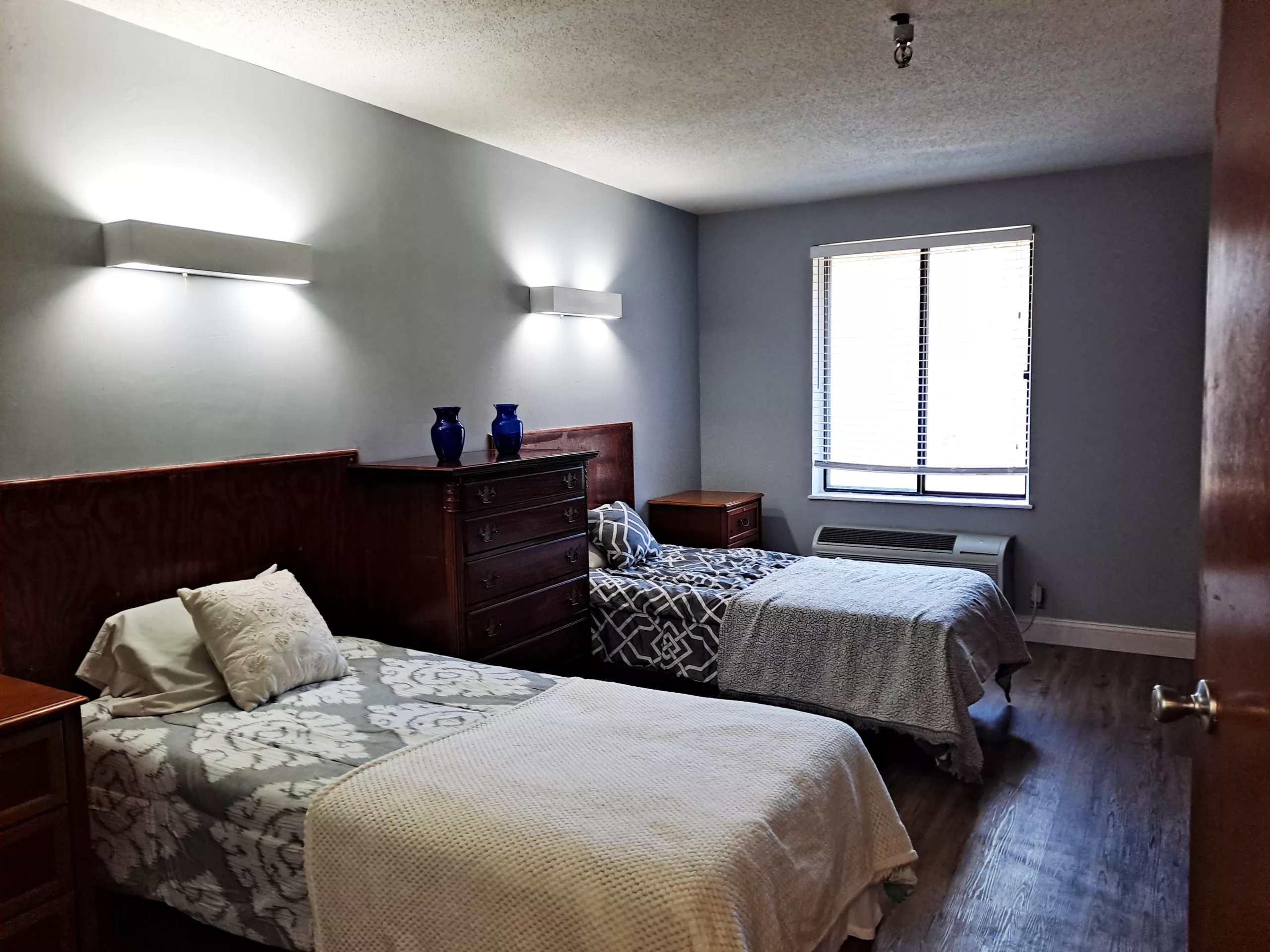
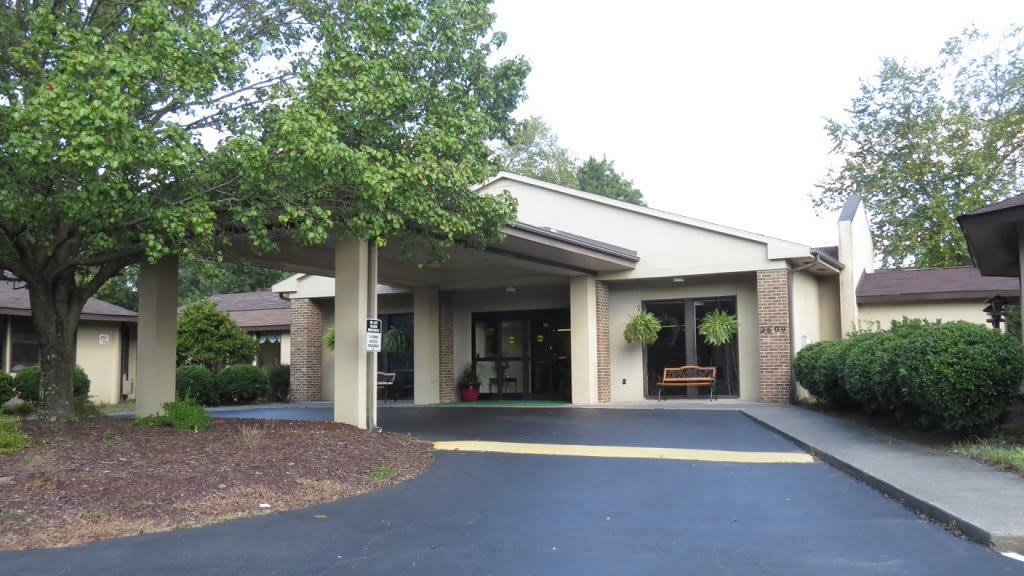
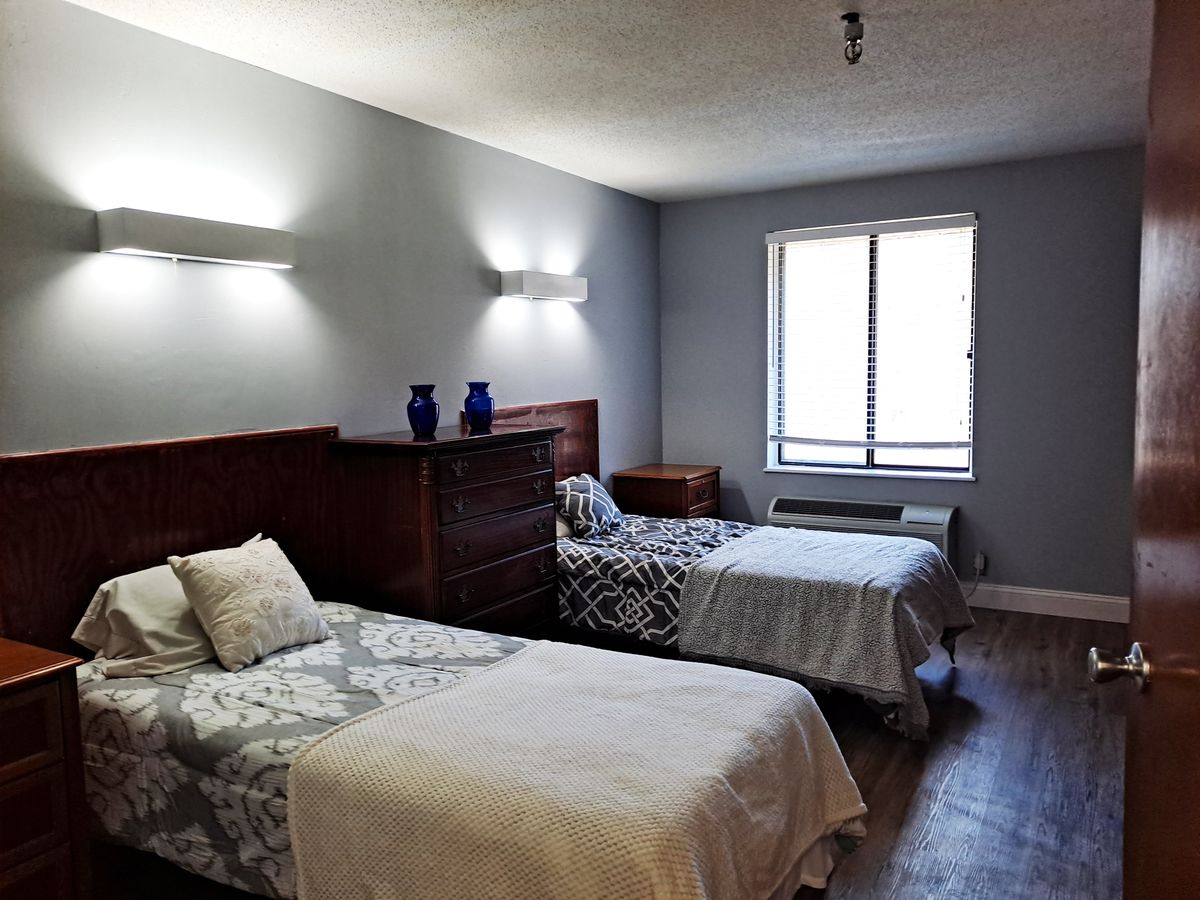
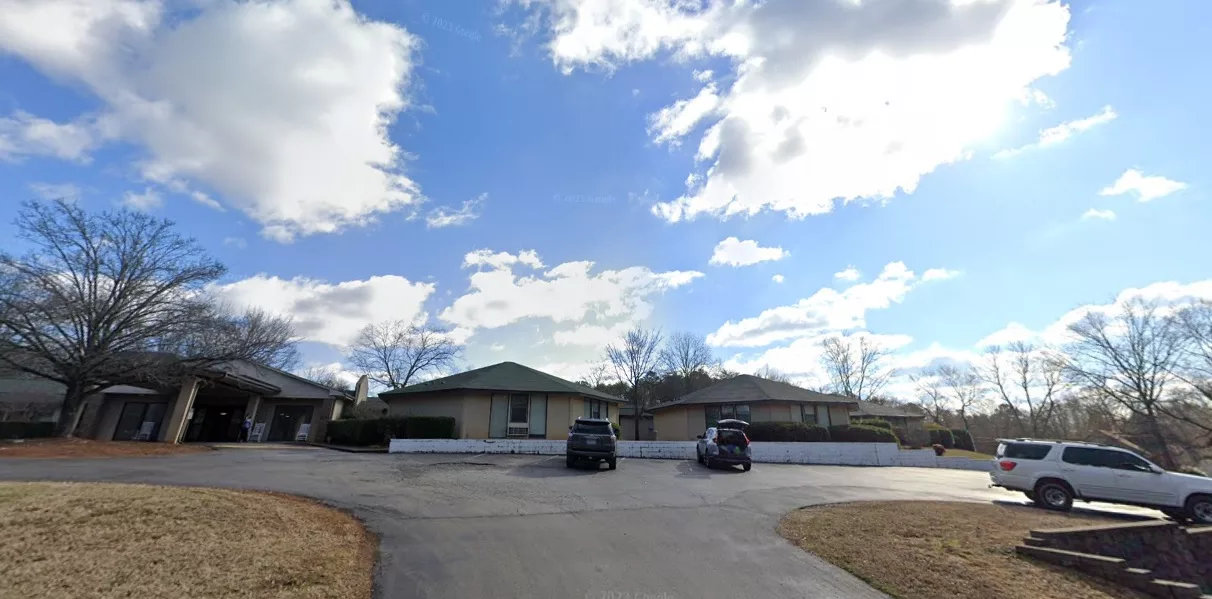
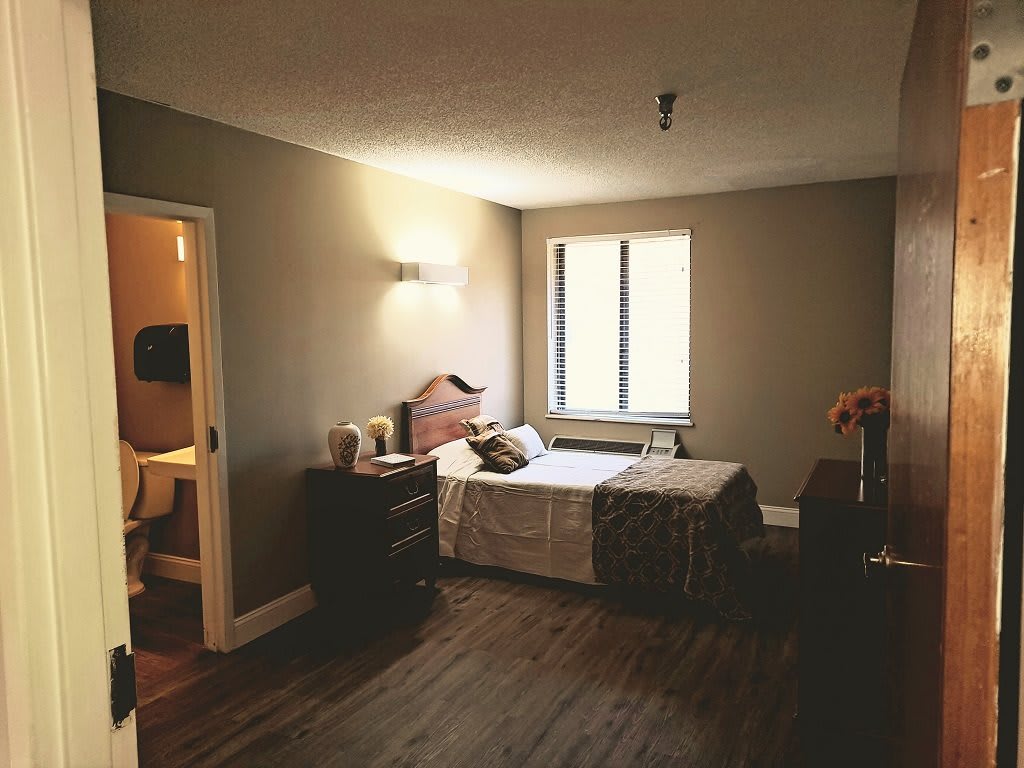
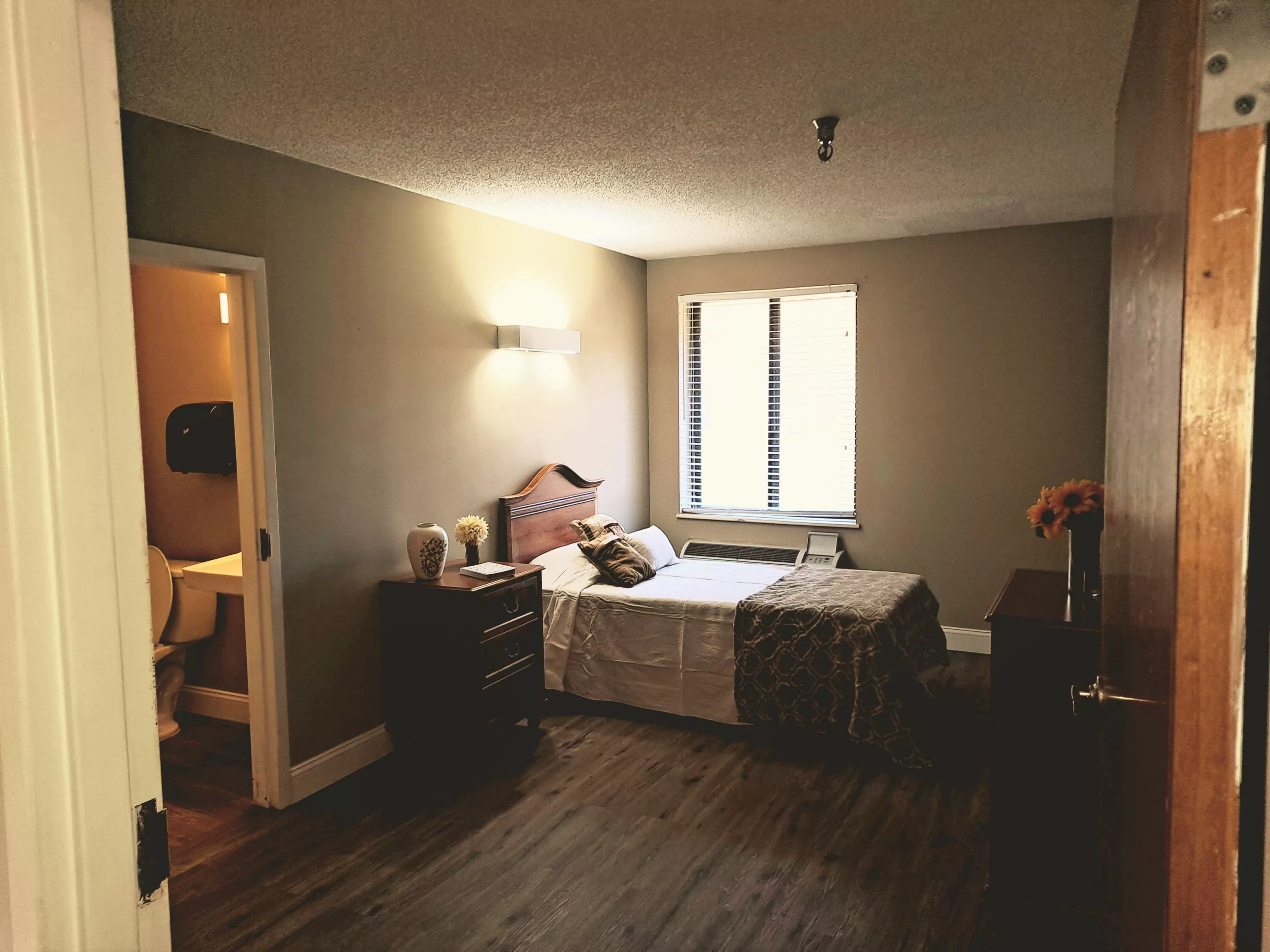
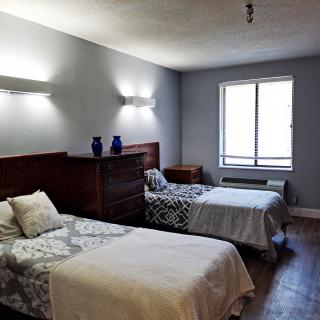
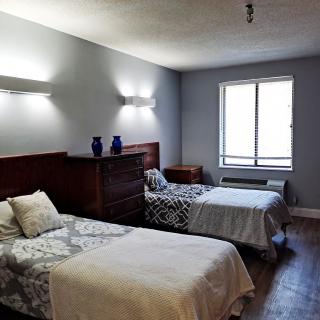
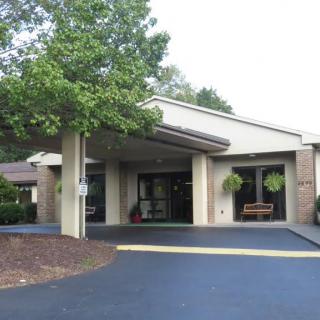
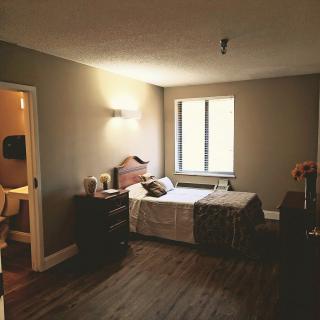
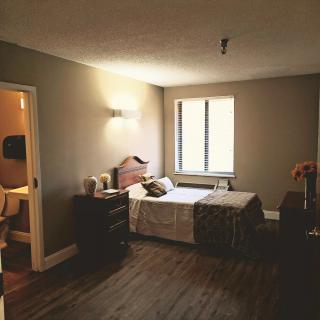
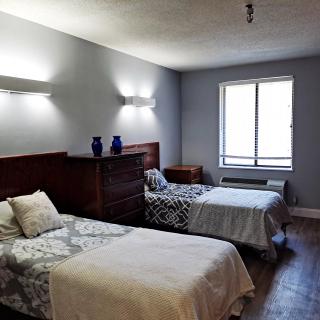
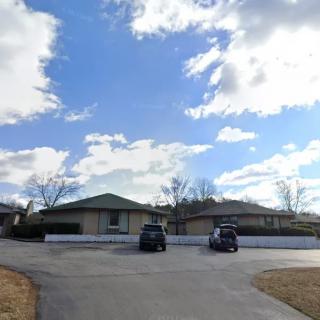
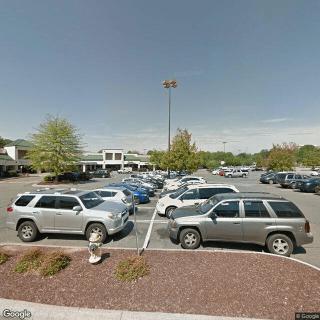
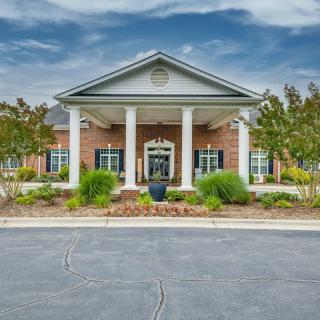
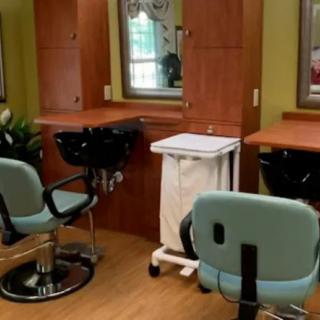
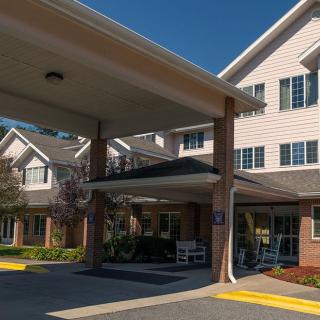
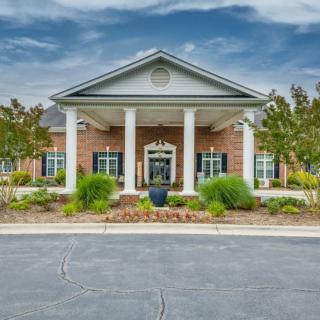
Salem Terrace on seniors.fyi includes 9 photos including images showing bedroom, interior, windows, decor, minimalist, building, entrance, landscaping, and more.
Nearby Communities
Millhaven Landing
Winston Salem, NC
5 from 2 reviews
Small, personalized community with tailored meals and medication management.
Homestead Hills
Winston Salem, NC
4.4 from 197 reviews
$1,925 to $3,175 / month
Friendly, caring staff and a vibrant, well-maintained community with diverse activities.
Premier Home Health Care - Winston-Salem
Winston-Salem, NC
4.3 from 6 reviews
Proximity to dining, pharmacies, healthcare, and attractions (cafes, hospitals, restaurants, theater).
Mallard Ridge Assisted Living & Memory Care
Clemmons, NC
4.8 from 79 reviews
Specialized memory care with 24/7 supervision and comprehensive programming
Bayada Nurses
Winston-Salem, NC
4 from 1 review
Improved service quality with a strong local presence and transparent pricing.
The Oaks - Winston Salem
Winston Salem, NC
2.8 from 96 reviews
Extensive amenities and 24/7 care with restaurant-style dining and private, furnished apartments.
Southfork Assisted Living
Winston Salem, NC
4 from 27 reviews
$1,975 to $2,950 / month
Clean facility with good dining and specialized memory care support.
Holiday Creekside Terrace
Winston Salem, NC
4.3 from 163 reviews
$2,539 to $4,349 / month
Friendly, resident-focused leadership and well-kept grounds with engaging activities.
The guide outlines the complexities of Medicaid coverage for assisted living, highlighting significant state-to-state variations, limited coverage often restricted to personal care services, and the existence of specialized waivers for certain needs like memory care. It advises families to consult local Medicaid offices for options while emphasizing the importance of understanding state-specific regulations and facility policies.
Medicaid coverage for assisted living varies by state and is primarily available to low-income individuals, with eligibility dependent on strict income and asset limits. Some states offer HCBS waivers for specific services in assisted living, but families must generally cover room and board costs, and should verify facility acceptance of Medicaid while considering potential waiting lists.
Medicaid waivers for assisted living services provide vital support for seniors and individuals with disabilities in need of long-term care, with varying state-specific eligibility criteria and benefits. These waivers cover personal care and case management but often do not fully cover room and board, leading to waiting lists for many applicants.
Get PricingAsk A QuestionSchedule A TourContact Senior Advisor
By clicking submit, you agree to our Partner's Terms of Use. You
also consent to receive calls and texts, which may be autodialed, from our Partner. Your consent is not a condition to
using our Partner's service. Please visit our Partner's Privacy Policy for information about their privacy practices.

 142 resident community capacity
 Assisted Living
 Memory Care
 Activities off-site
 Air-conditioning
 Bath tubs
 Beautician on-site
 Cable or satellite TV
 Computer center
 Devotional services off-site
 Dining room
 Fitness room
 Fully furnished
 Gaming room
 Garden
 Ground floor units
 Housekeeping services
 Indoor common areas
 Kitchenette
 Move-in coordination
 Outdoor common areas
 Private bathrooms
 Respite or short term stays offered
 Restaurant-style dining
 Small library
 Telephone
 Wellness center
 Wheelchair accessible showers
 Wi-Fi/high-speed internet available
 Piedmont Triad International (19 miles away)
 Community operated transportation
 12-16 hour nursing
 24-hour call system
 Ambulatory care
 Assistance with bathing
 Assistance with dressing
 Assistance with transfers
 Diabetes diet
 Diabetic care
 High acuity care
 Medication management
 Mental wellness program
 Special dietary restrictions
 Art classes
 Bible study group
 Concierge services
 Day trips and outings
 Educational speakers / life long learning
 Games
Games Karaoke
 Live musical performances
 English
 Small, personalized community with tailored meals and medication management.
 Understanding Medicaid Coverage for Assisted Living: A Comprehensive Guide
 How and When Medicaid May Cover Assisted Living Costs
 A Detailed Exploration of Assisted Living Medicaid Waivers Across the United States