
504 Poe Street, Wilson, NC 27893
For more information about senior living options: (866) 208-4318
Overall Review of Called 2 Care Family Care Home 3
Pros
 All of the things have been done since then, except one.
Cons
 The reviewer would absolutely not recommend them.
- The reviewer was told by an eye doctor that cataracts needed to be removed, but that was not done.
- The reviewer was told they needed a colonoscopy, but it was not performed.
- The reviewer received only one shingles vaccine shot and did not get the second until leaving Barnes and moving to Oklahoma.
- Since leaving Barnes, the reviewer has gotten all of the things done except one.
Review
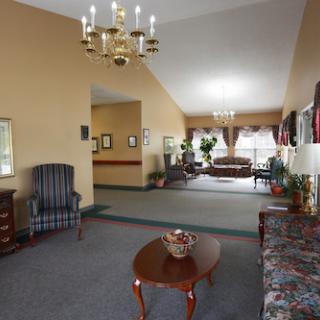
This community is best suited for seniors who want a small, home-like setting in Wilson and who can stay engaged with their own healthcare coordination. It works best for residents who value intimate daily supervision, personal attention from staff, and a neighborhood-feel environment over a larger, more institutional assisted-living atmosphere. Families should look here if the priority is a warm, family-styled atmosphere and if someone in the circle is comfortable actively managing medical appointments and screenings outside the facility.
Those considering alternatives are wise to weigh options with stronger on-site medical coordination and clearer protocols for preventive care. The most explicit warning from current reporting is that essential medical needs and preventive services may not be addressed promptly within this setting. For seniors who rely on timely cataract treatment, routine colonoscopies, or complete vaccination schedules, a facility with dedicated medical management, on-site or readily available visiting clinicians, and tighter accountability will likely serve better. Residents with complex or frequent medical requirements should compare facilities that demonstrate measurable, proactive medical oversight.
A core potential strength of this community is the intimate, smaller-scale environment it offers. A family-care home designation suggests a setting where staff can know residents well, tailor daily routines, and provide a degree of comfort and personalization that larger campuses often struggle to match. For families who prioritize a homelike culture, predictable interactions, and the chance for caregivers to form ongoing relationships with residents, these elements can translate into meaningful quality of life and daily reassurance.
Yet the principal drawback centers on medical coordination. The most troubling account describes missed or delayed essential medical actions, cataract-related surgery not performed when advised, a necessary colonoscopy not completed, and gaps in completing a shingles vaccination series, followed by a transition elsewhere that allowed those needs to be addressed. That pattern raises a concrete risk for residents whose health hinges on timely diagnoses, routine screenings, and preventive care. Even if the facility excels in daily living support, the absence of reliable medical oversight can erode long-term health stability and family peace of mind.
Pros in the right light do not fully offset these cons for everyone. If a residentā€™s health is already stable, with robust external oversight, family members or external clinicians who actively coordinate appointments and follow through on recommendations, the small, personal setting can deliver a surprisingly high quality of life. However, for seniors who depend on swift access to medical interventions, or who require regular, doctor-directed care pathways, the lack of dependable in-house medical coordination remains a decisive drawback. In that calculus, the benefits of a cozy, home-like environment are meaningful but not sufficient to justify the risk of missed care.
Families evaluating this option should enter with clear expectations and a concrete plan for medical management. Ask about who coordinates appointments, how quickly specialists are engaged, and what systems exist to track preventive care (vaccinations, screenings, and routine labs). Request a candid look at staffing schedules, caregiver ratios, and how emergencies are handled after hours. Verify licensing status, inspect the care plan development process, and talk to current residents and families about medical communication and responsiveness. When aligned with a strong external medical support structure, this setting can be a comforting, dependable home, otherwise, it is prudent to search for an option with more integrated medical oversight and documented accountability.
 6 resident community capacity
 Assisted Living
 Board and Care Home
 Cable or satellite TV
 Dining room
 Fully furnished
 Garden
 Housekeeping services
 Move-in coordination
 Outdoor space
 Telephone
 Wi-Fi/high-speed internet available
 24-hour supervision
 Activities of daily living assistance
 Assistance with bathing
 Assistance with dressing
 Assistance with transfers
 Diabetes diet
 Meal preparation and service
 Medication management
 Special dietary restrictions
 Transportation arrangement (medical)
 Transportation to doctors appointments




 Understanding the Distinctions: Assisted Living and Memory Care Explained
 Guiding Elderly Parents Who Refuse Assisted Living: 6 Practical Steps
 Your Comprehensive Guide to Luxury Assisted Living: Elevated Facilities, Amenities, and Costs