At Forest Ridge, the costs for accommodation reflect a thoughtful consideration of both local and state standards. For a semi-private room, residents will find the monthly rate set at $3,595, which positions it slightly below the average of Wilkes County at $3,674 and just above the North Carolina state average of $3,584. Meanwhile, those opting for a studio can expect to pay $4,785 per month; this rate exceeds both the county's average of $3,453 and the state's average of $4,020. Overall, while Forest Ridge offers competitive pricing for semi-private options, its studio accommodations come at a premium compared to regional benchmarks. This pricing strategy reflects the unique offerings and amenities that Forest Ridge provides to its residents.
Floor plans
Forest Ridge
Wilkes County
North Carolina
Semi-Private
$3,595
$3,674
$3,584
Studio
$4,785
$3,453
$4,020
Memory care communities with a similar price nearby
Residents and families consistently describe attentive, supportive staff who make transitions feel easier.
Many reviews praise the staff as friendly, caring, and responsive, with families mentioning respect toward residents and strong support during moves and follow-ups. Several residents describe day-to-day check-ins and communication, including staff visiting and keeping families informed about changes. A smaller set of reviews raise serious concerns about staff sufficiency and oversight, including complaints about indifference, medication issues, and problems that families felt went unanswered.
common15 reviews mention this
Clean facility and well-kept rooms
Reviews frequently point to cleanliness and well-kept spaces as part of the everyday experience.
Multiple residents and families say the facility is clean and the rooms are tidy and well cared for. In contrast, one critical review describes cleanliness and safety failures, including trash not being emptied and an unlocked entrance concern. Overall, cleanliness comes through as a frequent positive theme, with a minority of reviews describing noticeable breakdowns.
common6 reviews mention this
Food is described as healthy
Dining stands out in reviews, with families describing food as healthy and enjoyable.
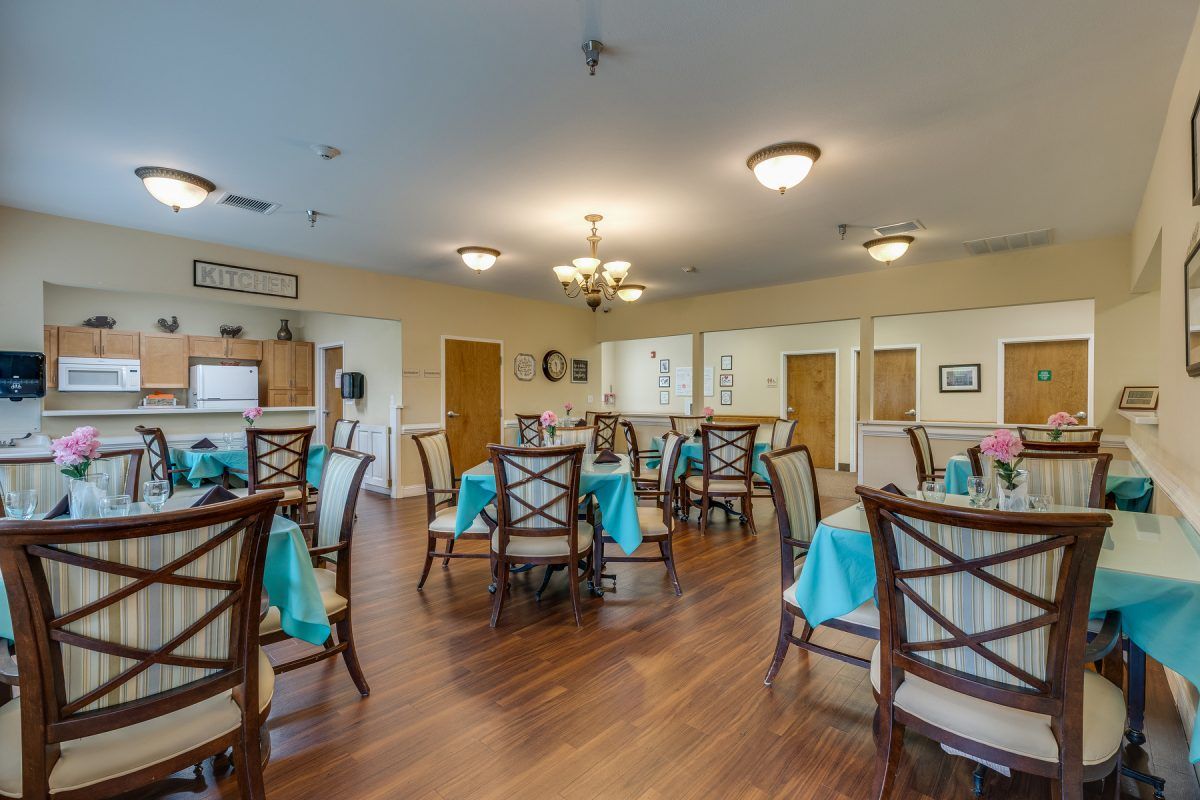
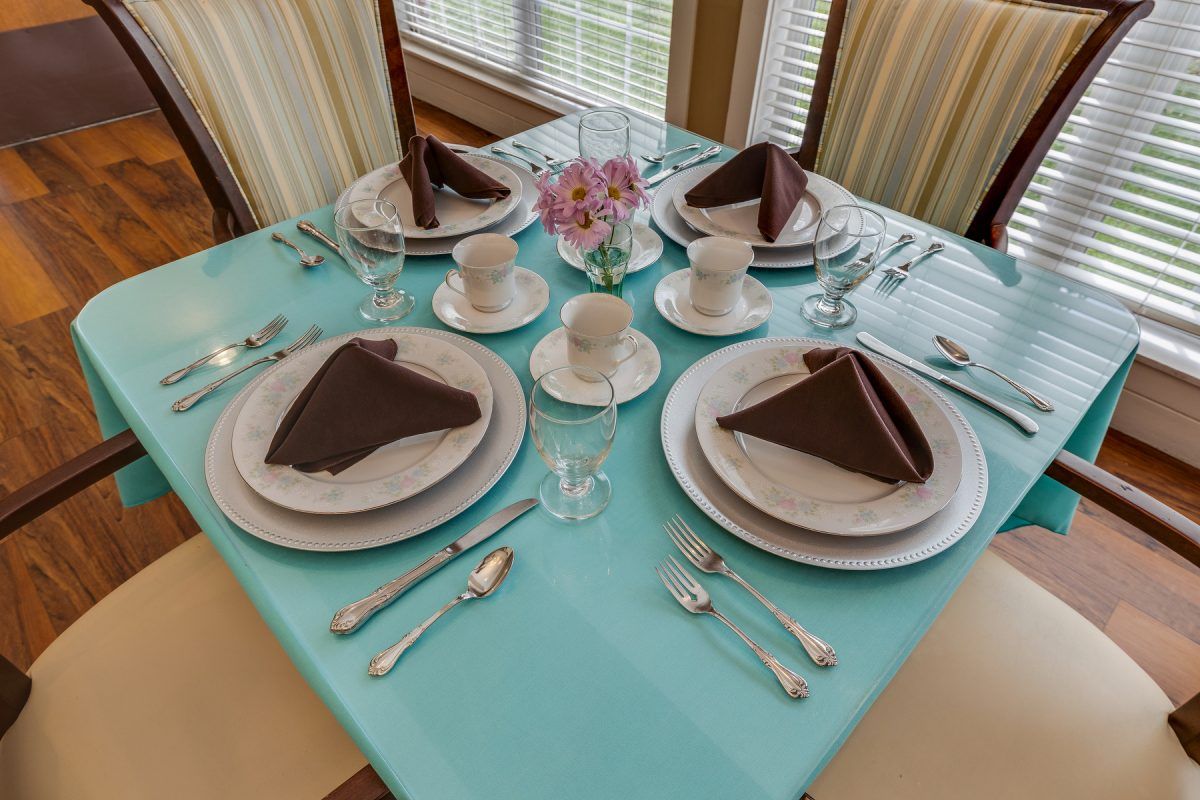
Several reviews directly mention meals as healthy and delicious, and some describe residents liking the food once they arrived. The community also offers restaurant-style dining and a range of dietary options in both the dining and care services lists, which aligns with the emphasis on meal support in resident experiences. While most dining comments are positive, the overall review mix includes broader care concerns in a few entries rather than specific complaints about meals.
common6 reviews mention this
Activities help residents stay engaged
Residents and families describe regular activities, outings, and programs that keep people involved.
A number of reviews say residents enjoy scheduled activities and field trips, including community outings and resident participation. Some comments also highlight return of activities and ongoing offerings in memory care. A few reviews note limits or dissatisfaction elsewhere, but activity programming itself appears often in the positive feedback.
differentiator4 reviews mention this
Memory care gets specific praise
Memory care residents and families describe sustained support from a dedicated staff team.
Reviews from families with loved ones in the memory care unit describe consistent, professional care and a clean environment over time. Several comments also connect memory care with meaningful engagement, including activities and the return of field trips. The community’s care services include specialized memory care programming and mental wellness support, which matches what these families highlight.
caveat4 reviews mention this
Staffing and medication oversight concerns
A recurring minority of reviews express concerns about supervision, staffing levels, and medication errors.
While many reviews are positive about staff, some critical entries describe inadequate staffing or lack of supervision, including concerns about safety in the dining room. Other concerns mentioned include medication errors and unfulfilled expectations around communication with families. These reviews are serious and stand apart from the otherwise frequent praise for responsiveness.
caveat2 reviews mention this
Pricing feels high for some
Some families flag cost as a drawback, including nonrefundable fees and an expensive overall price.
A few reviews directly describe the community as on the expensive side and complain about a nonrefundable community fee. This theme lines up with the published pricing ranges and how they compare to county and state benchmarks across unit types. If cost is a deciding factor, these mixed comments suggest it’s worth clarifying all fees upfront during the move process.
How we summarize
Counts show how many written reviews mention each theme; a review can touch several themes, and only frequently mentioned themes are displayed.
Features
Housing
60 resident community capacity
Types of Care
Assisted Living
Independent Living
Memory Care
Pets
Cats allowed
Dogs allowed
Amenities
Activities off-site
Activities on-site
Air-conditioning
Bath tubs
Beautician on-site
Beauty salon
Cable or satellite TV
Computer center
Devotional services off-site
Devotional services on-site
Dining room
Fitness room
Fully furnished
Gaming room
Garden
Garden view
Ground floor units
Housekeeping services
Indoor common areas
Kitchenette
Move-in coordination
Outdoor common areas
Outdoor space
Private bathrooms
Respite or short term stays offered
Restaurant-style dining
Small library
Telephone
Wellness center
Wheelchair accessible showers
Wi-Fi/high-speed internet available
Transportation
Community operated transportation
Transportation arrangement
Transportation arrangement (non-medical)
Transportation to doctors appointments
Care Services
12-16 hour nursing
24-hour call system
24-hour supervision
Activities of daily living assistance
Ambulatory care
Assistance with bathing
Assistance with dressing
Assistance with transfers
Diabetes diet
Diabetic care
High acuity care
Incontinence care
Meal preparation and service
Medication management
Mental wellness program
Mild cognitive impairment
Special dietary restrictions
Specialized memory care programming
Dining
Diabetes diet
Guest meals
International cuisine
Kosher
Low / no sodium
Meals provided
No Sugar
Restaurant style dining
Room service
Special dietary restrictions
Special dining programs
Vegetarian
Activities
Art classes
Community-sponsored activities
Concierge services
Cooking classes
Day trips and outings
Devotional activities offsite
Devotional activities on-site
Educational speakers / life long learning
Fitness programs
Karaoke
Live dance or theater performances
Live musical performances
Live well programs
Planned day trips
Resident-run activities
Scheduled daily activities
Stretching classes
Videos
Nearby Places of Interest
This part of West Jefferson, North Carolina, offers a variety of amenities that may be appealing to seniors looking for a peaceful and community-oriented place to live. There are several places of worship nearby, providing opportunities for spiritual growth and connection. In terms of healthcare, there are multiple physicians' offices and pharmacies within a reasonable distance, ensuring access to medical care. Restaurants and cafes in the area offer a range of dining options for socializing and enjoying meals outside the home. Additionally, there are parks and theaters for recreational activities and entertainment. Overall, this area provides a good balance of essential services and leisure opportunities for seniors seeking a comfortable and welcoming environment to call home.
Places of Worship
Big Laurel Christian Union (12.1 miles)
Southern Baptist Convention (13.8 miles)
Sonshine & Reign Ministries (15.1 miles)
Southern Baptist Convention (16.1 miles)
Southern Baptist Convention (16.7 miles)
Nelson Chapel Baptist Church (17 miles)
Southern Baptist Convention (17.6 miles)
Physicians
Whitetop Community Health (17.2 miles)
Mountain Youth Academy (21.3 miles)
Our Sparta Blue Ridge Medical Group (21.3 miles)
Blue Ridge Cardiology (21.3 miles)
New River Family Medicine (23.8 miles)
Restaurants
Suba's (18.5 miles)
El paso restaurante (18.9 miles)
Lois's Country Cafe (19.9 miles)
The Pines of Sparta (20.6 miles)
Horizon Bistro (20.9 miles)
Pines Restaurant of Sparta (20.9 miles)
Muddy Creek Cafe (20.9 miles)
Hospitals
Johnson County Hospital (18.8 miles)
Alleghany Memorial Hospital (21.4 miles)
Pharmacies
Boone Drugs (18.9 miles)
Epic Pharmacies (19.3 miles)
Walgreens (19.9 miles)
Halsey Drug Company (21 miles)
Good Neighbor Pharmacy (21 miles)
Walgreens (21.1 miles)
Woody's Pharmacy (24.1 miles)
Cafes
Brown's Cafe (19.5 miles)
Sparky's Coffeehouse (20.9 miles)
Backwoods Bean Coffee Shop (20.9 miles)
New Zealand Cafe (21.2 miles)
Theaters
Heritage Hall (19.6 miles)
Parks
Town of Mountain City Recreation Building (19.7 miles)
At Forest Ridge, the costs for accommodation reflect a thoughtful consideration of both local and state standards. For a semi-private room, residents will find the monthly rate set at $3,595, which positions it slightly below the average of Wilkes County at $3,674 and just above the North Carolina state average of $3,584. Meanwhile, those opting for a studio can expect to pay $4,785 per month; this rate exceeds both the county's average of $3,453 and the state's average of $4,020. Overall, while Forest Ridge offers competitive pricing for semi-private options, its studio accommodations come at a premium compared to regional benchmarks. This pricing strategy reflects the unique offerings and amenities that Forest Ridge provides to its residents.
The array of features at Forest Ridge is meticulously designed to address the unique challenges faced by residents with dementia or Alzheimer's disease. The 24-hour supervision ensures that residents receive constant support and immediate assistance during moments of confusion or distress, fostering a safe environment. Activities of daily living assistance--including help with bathing, dressing, and transfers--promote dignity and individuality while addressing the practical needs of residents. Incontinence care is handled with sensitivity, ensuring comfort without compromising privacy. Meal preparation and service not only meet nutritional needs but also create structured routines that are beneficial for cognitive function. Medication management helps prevent errors and assures compliance, essential for maintaining health stability. Additionally, the mental wellness program encourages engagement through stimulating activities tailored to various cognitive levels, including specialized memory care programming that focuses on improving recall abilities and enhancing quality of life for those experiencing mild cognitive impairment or more advanced stages of dementia. Together, these features cultivate an environment conducive to both physical well-being and emotional security, vital for individuals navigating the complexities of memory loss.
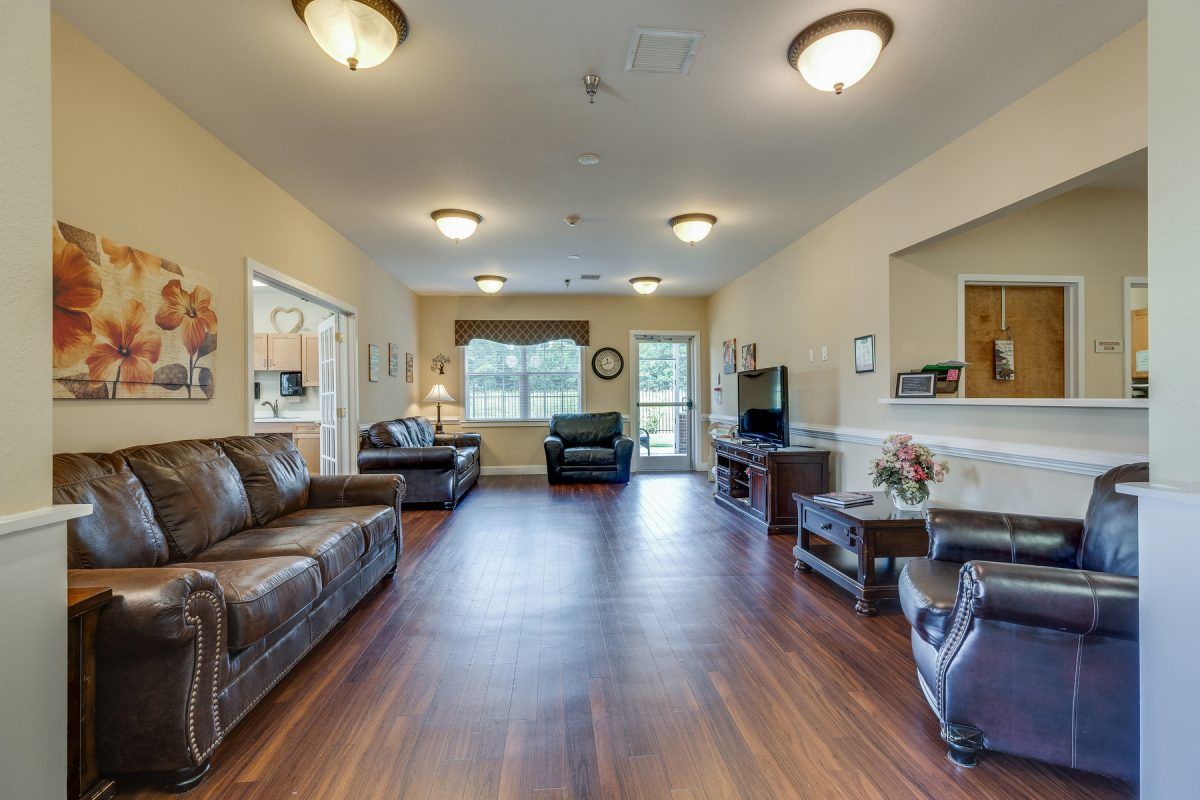
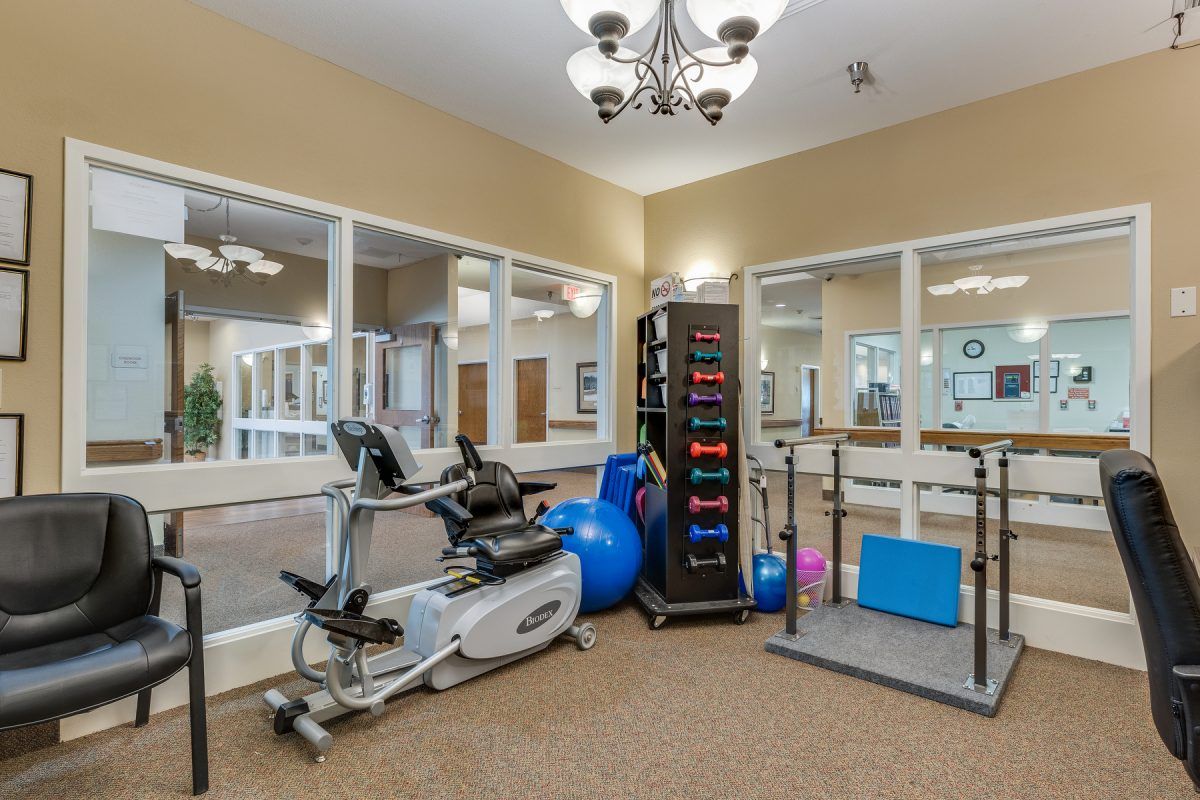
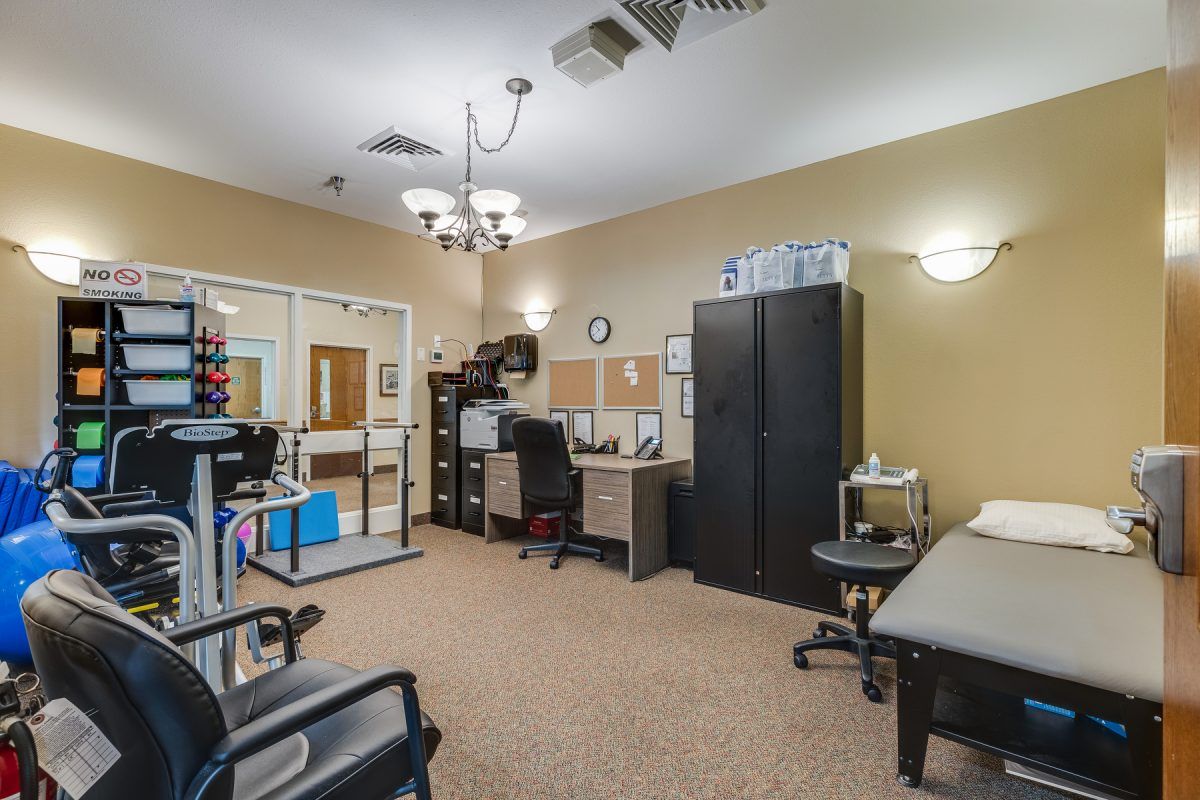
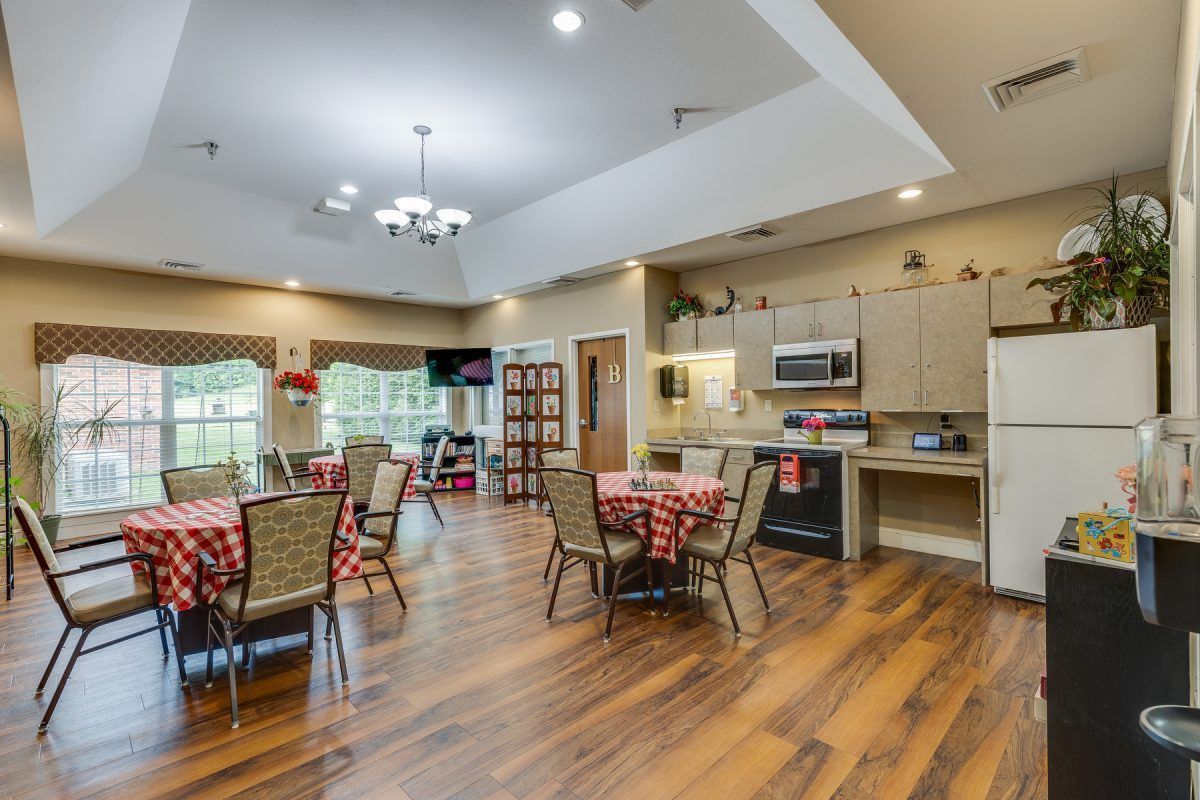
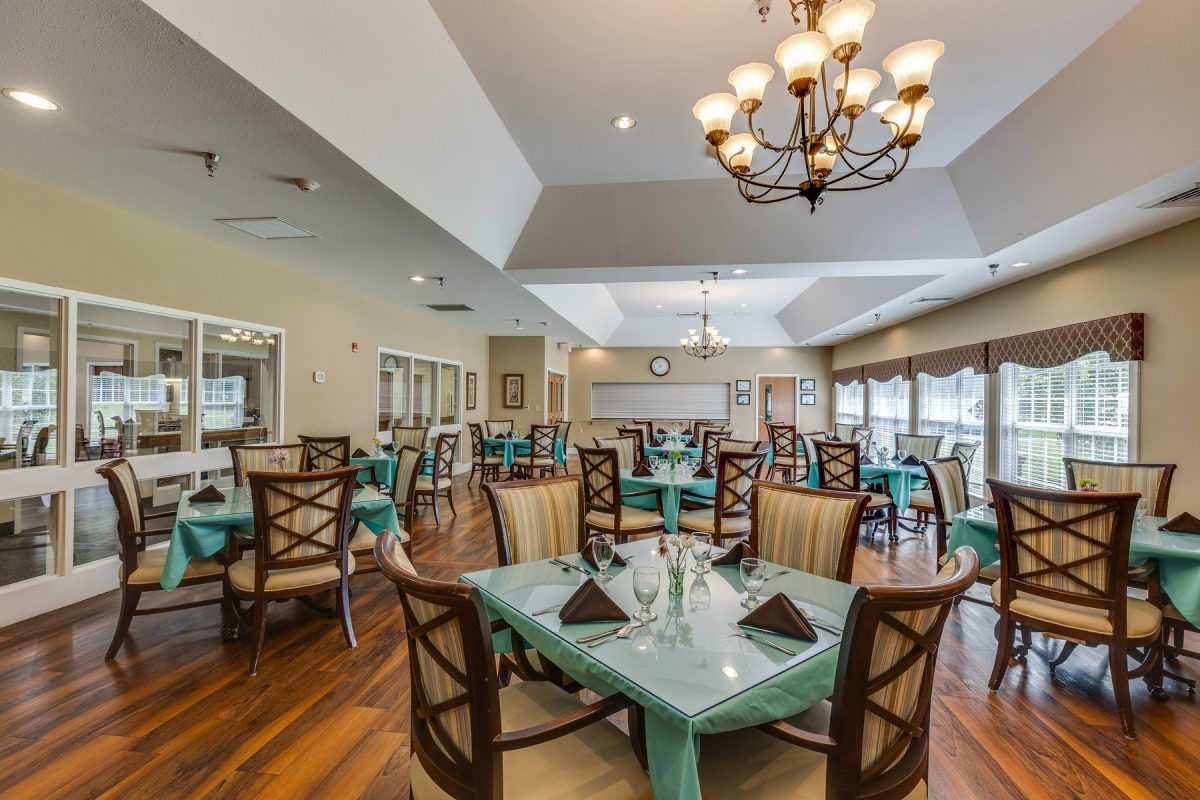
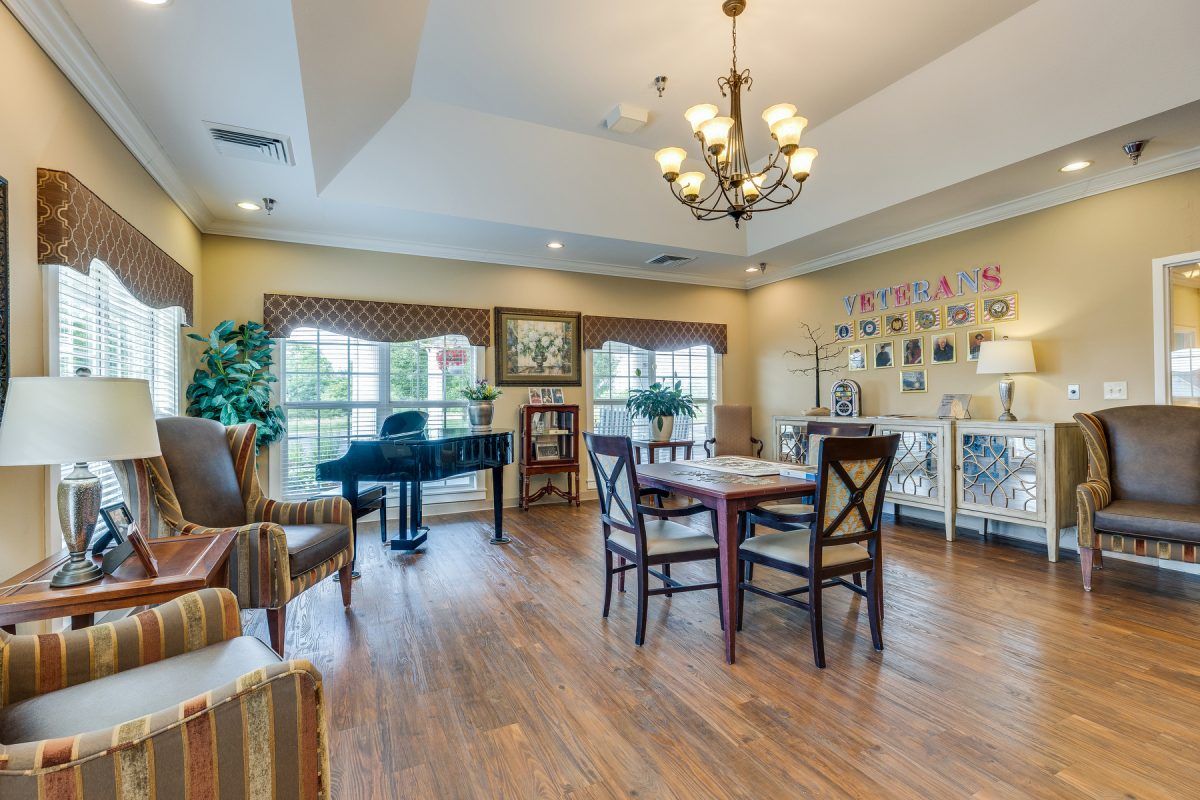
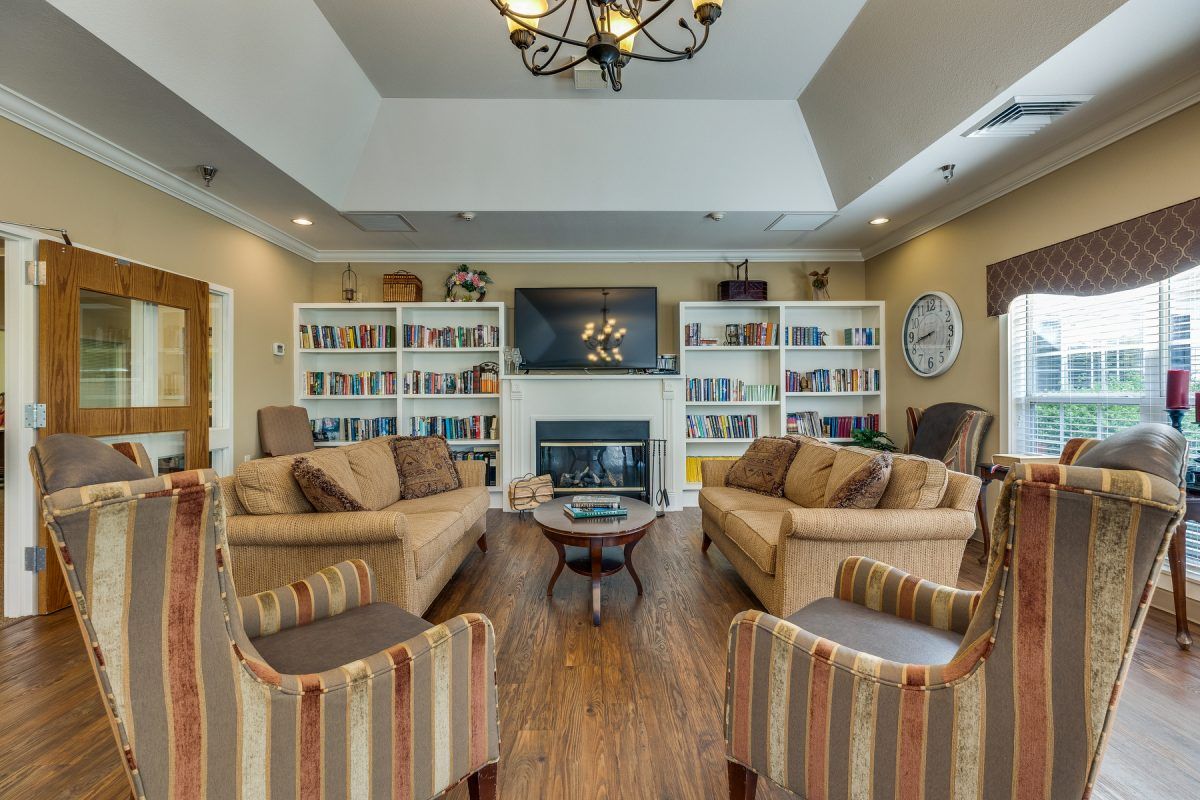
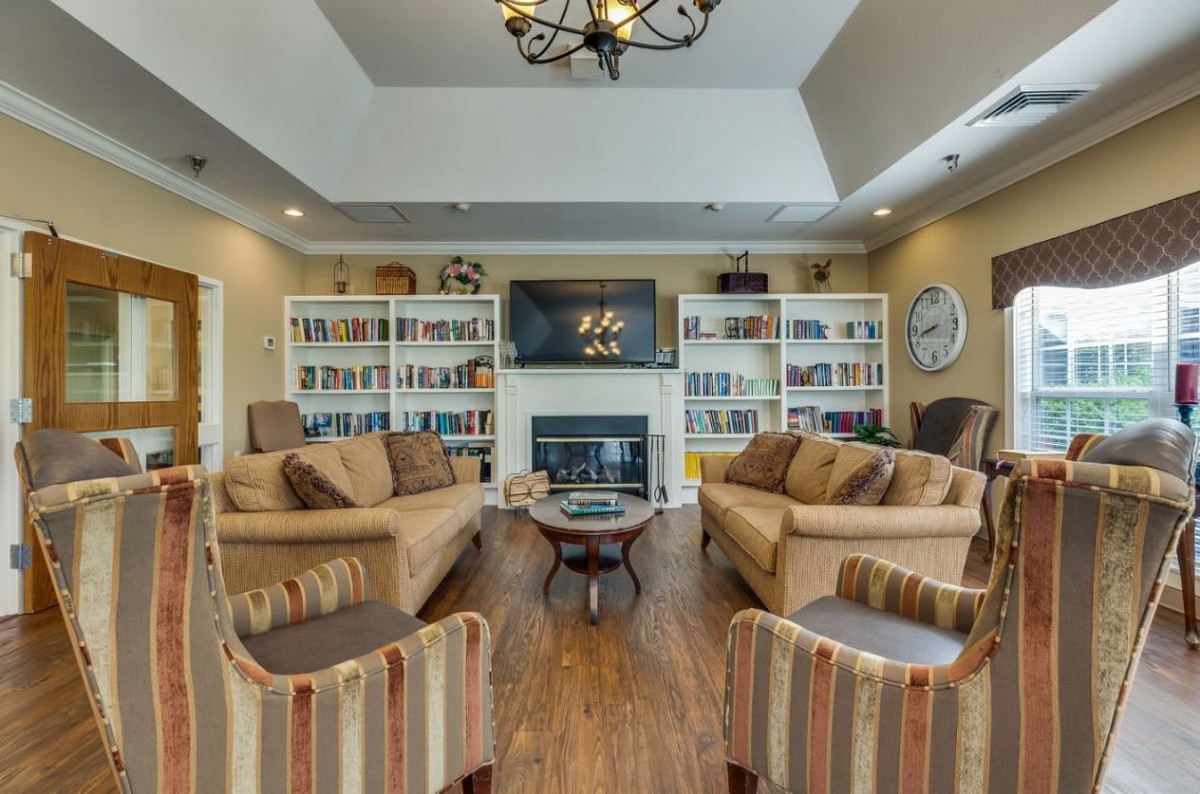
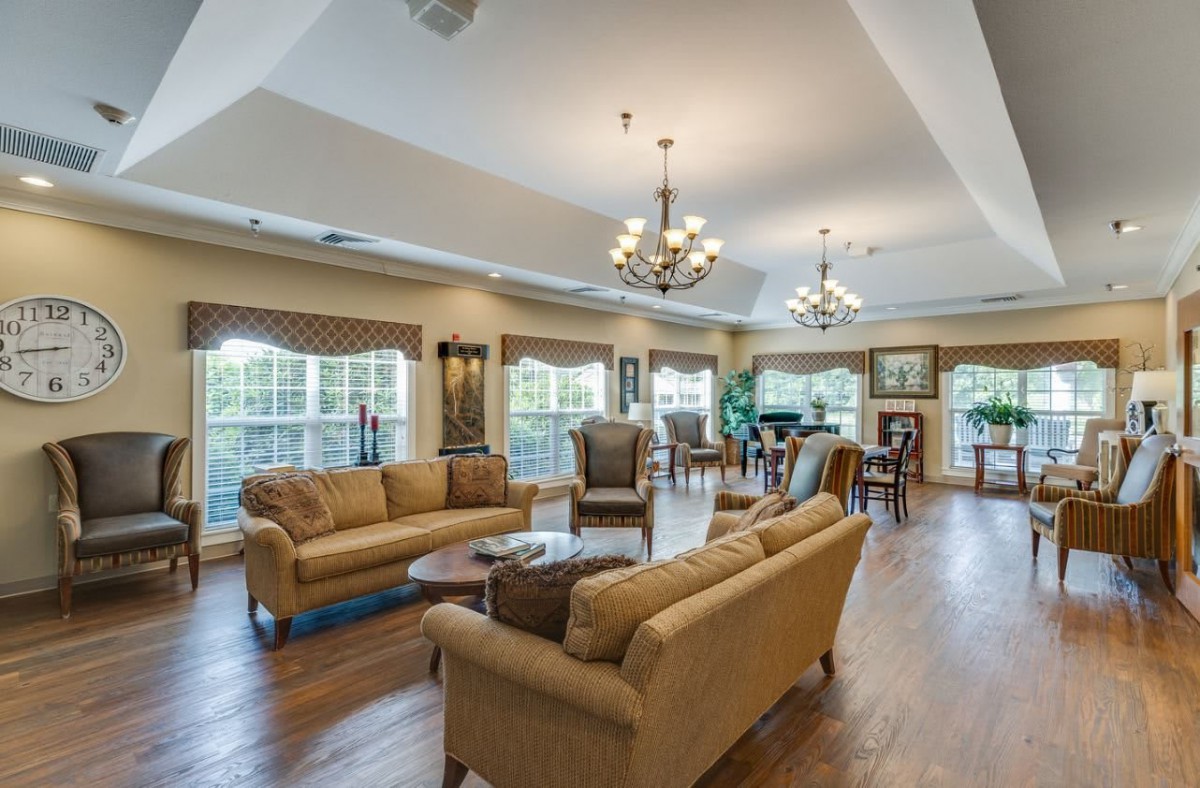
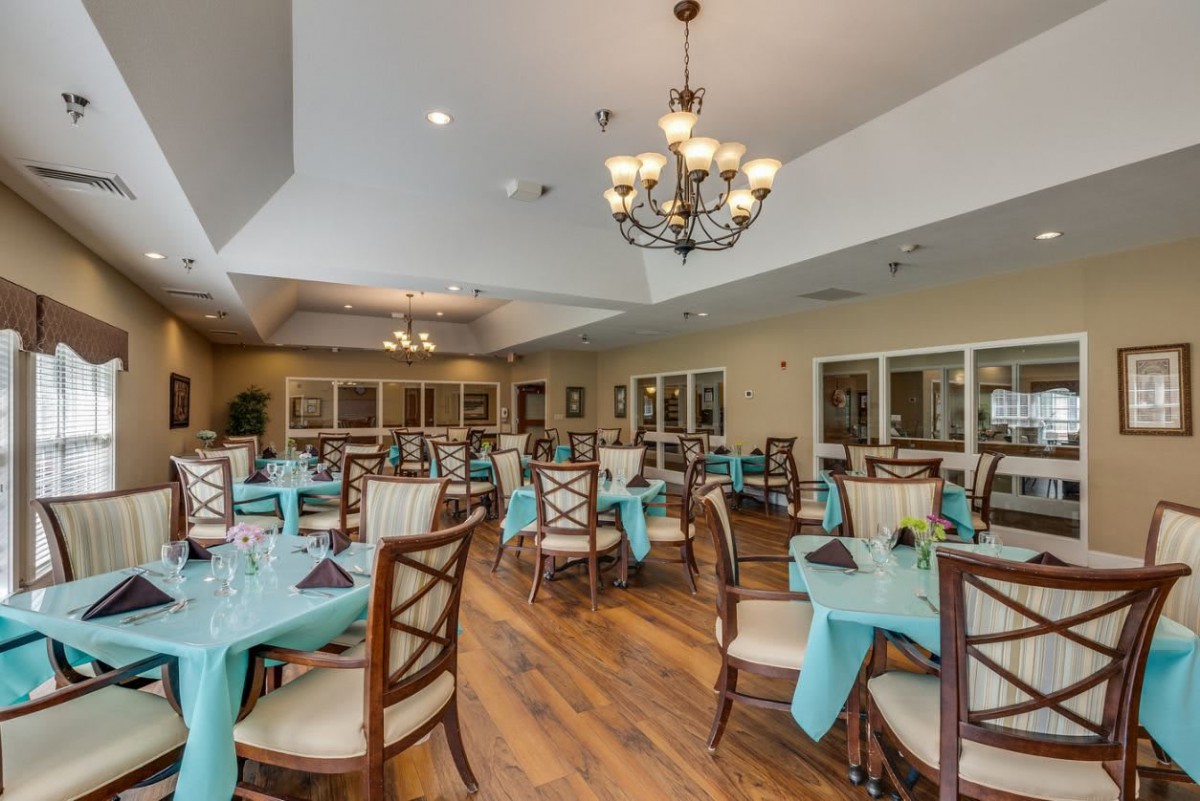
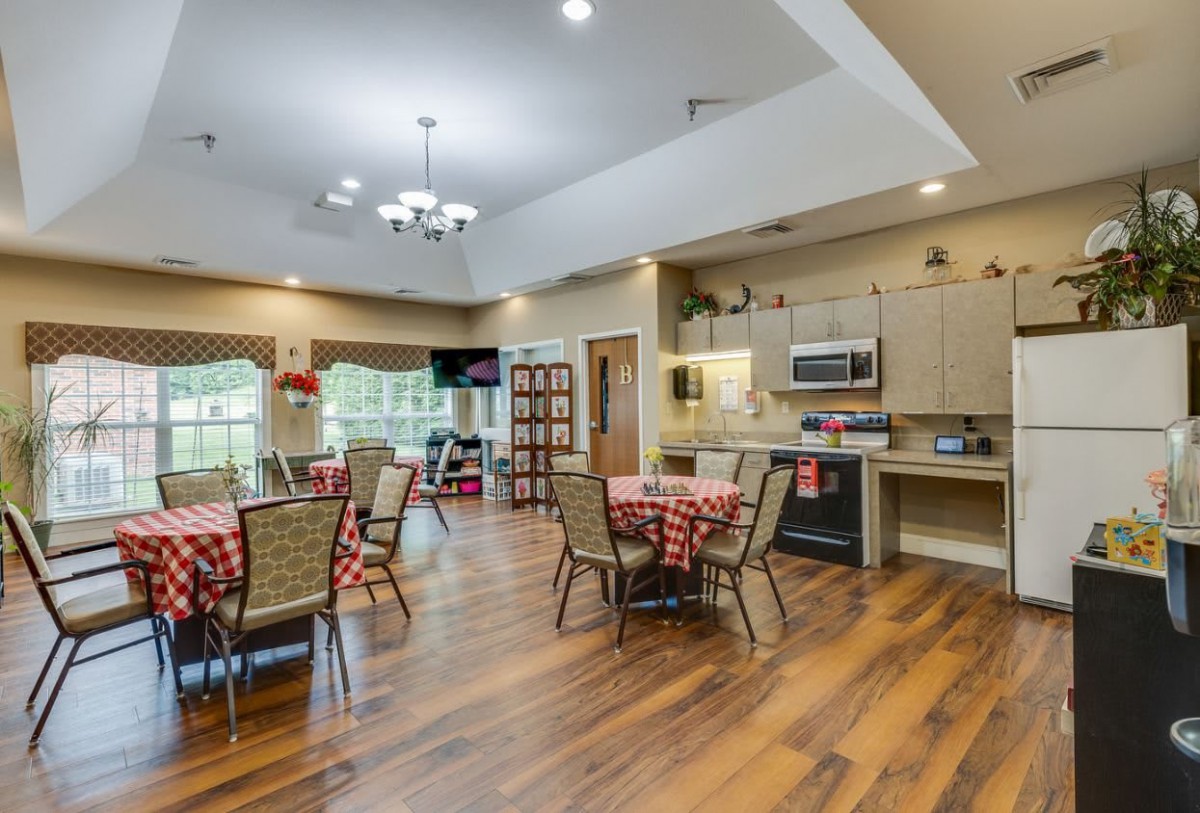
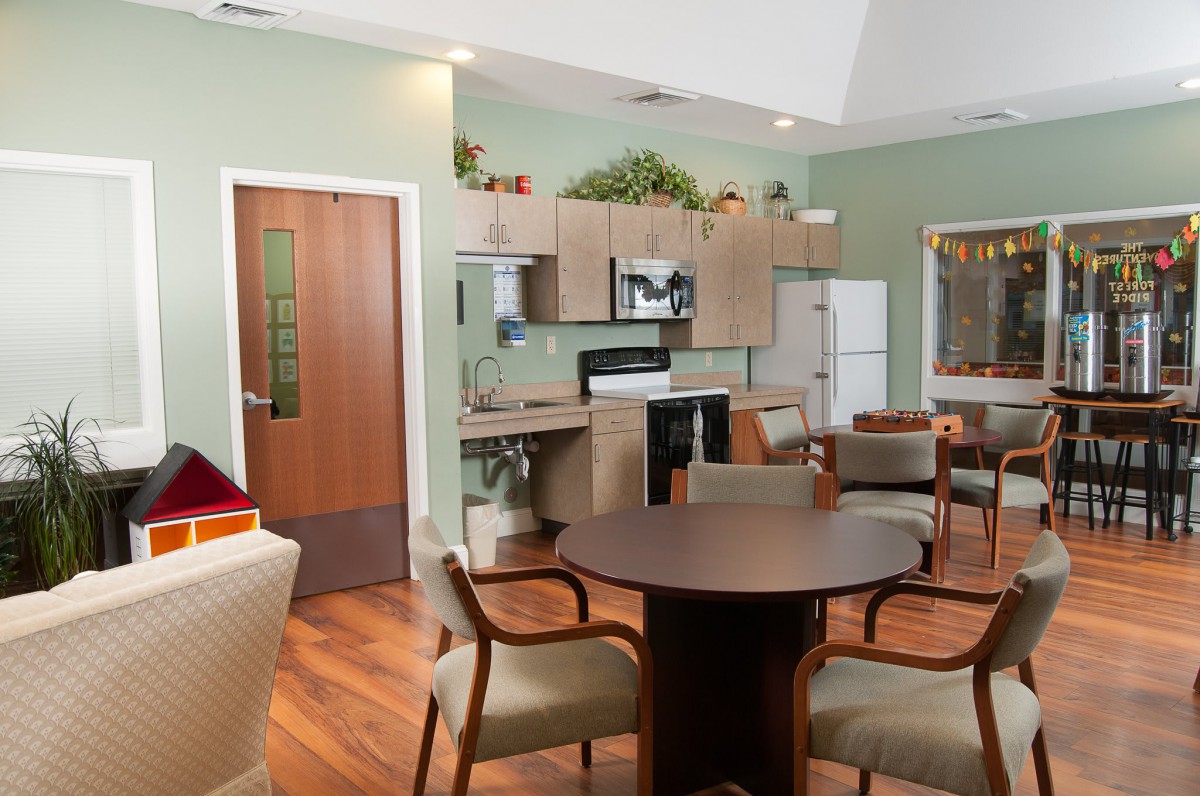
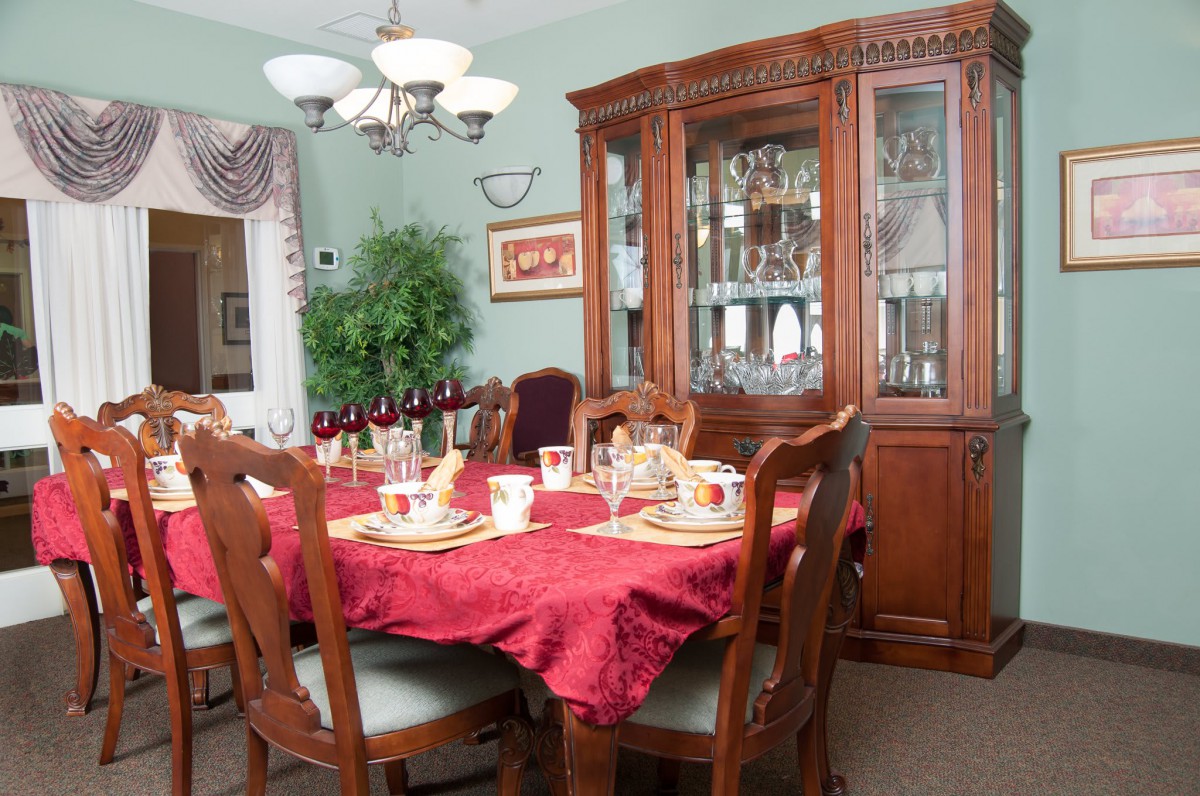
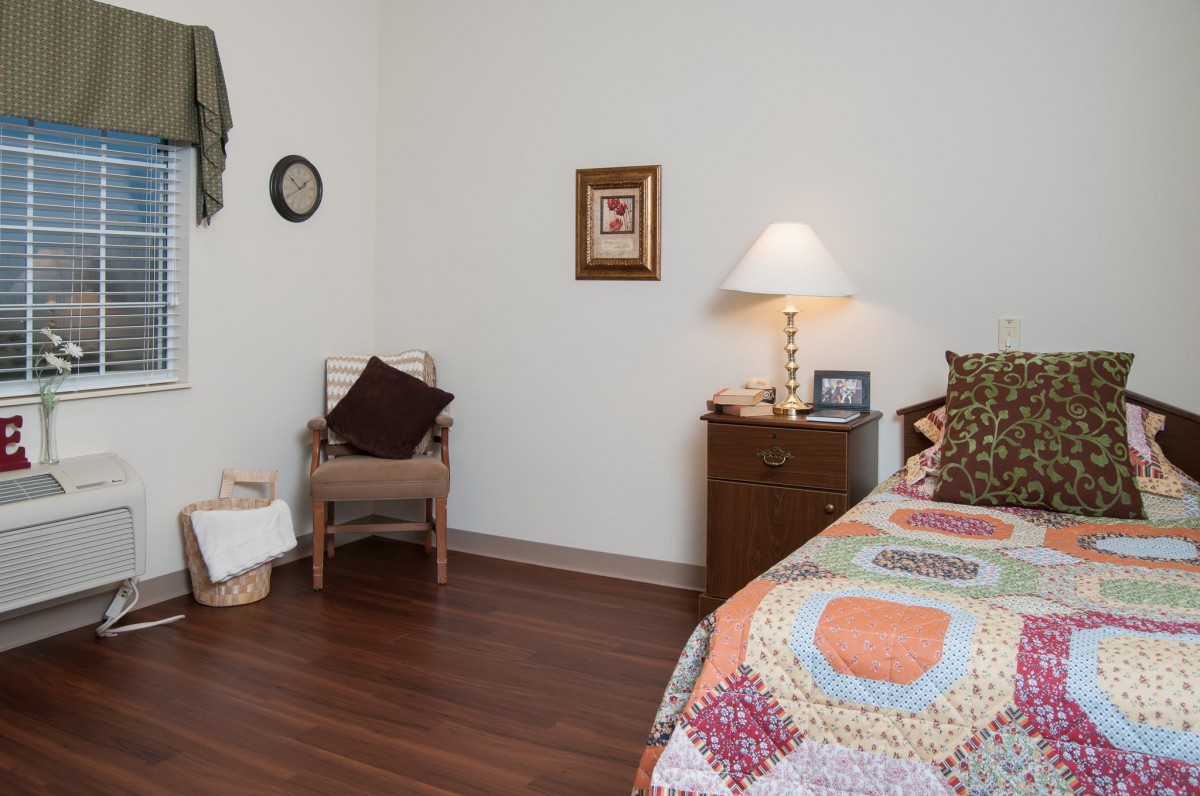
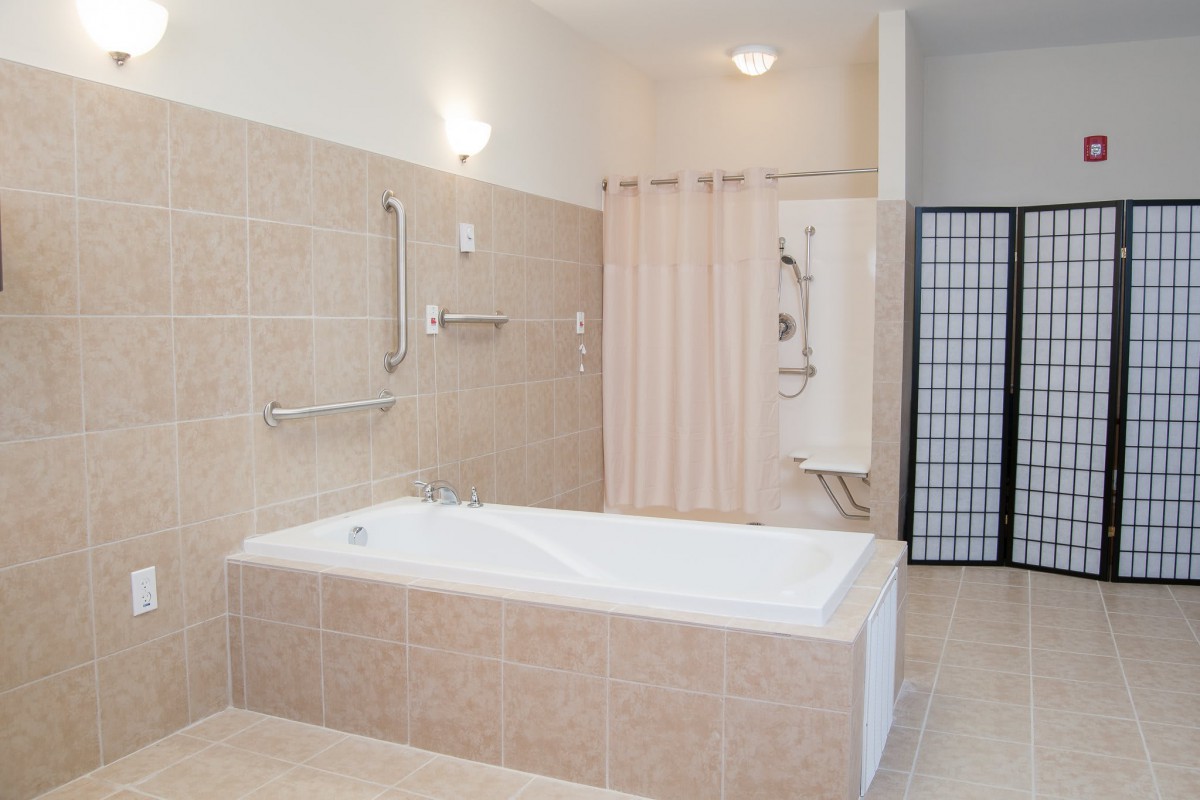
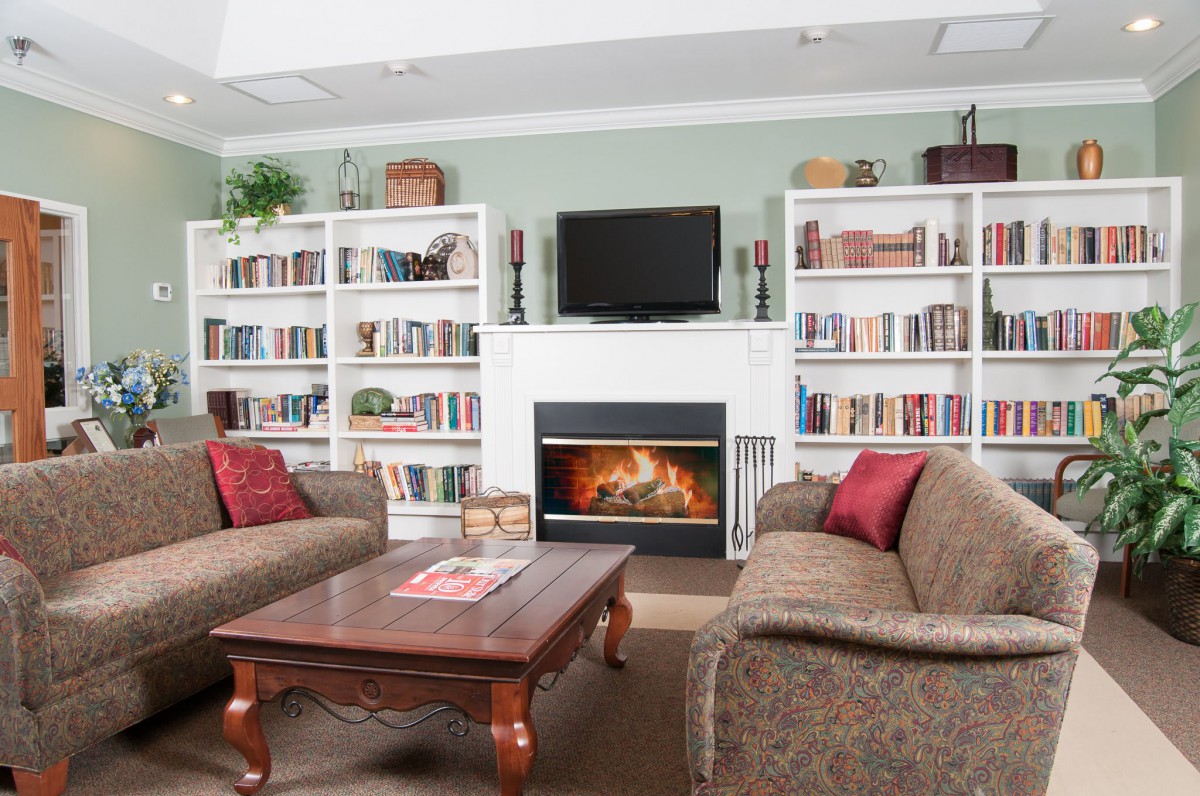
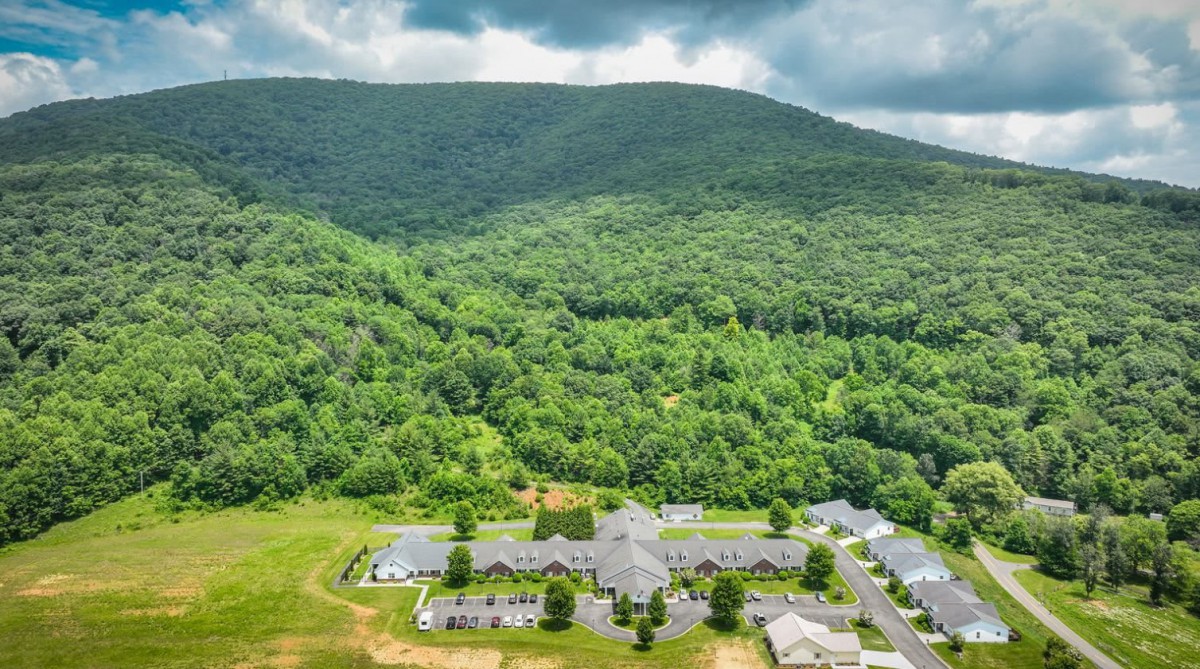
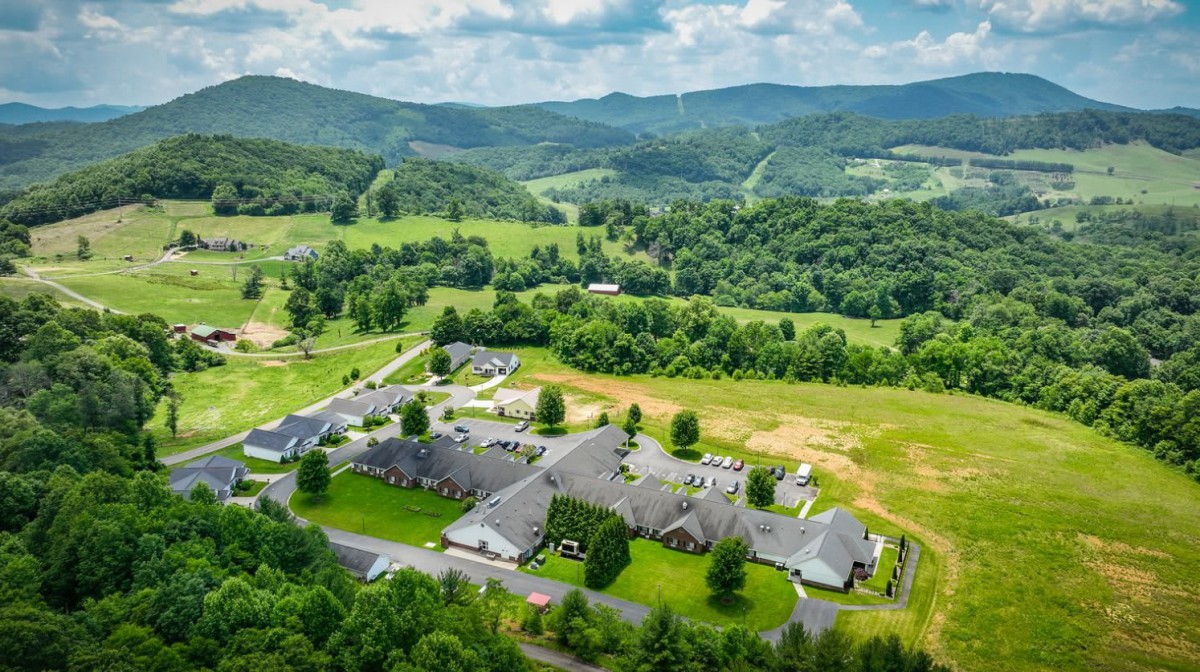
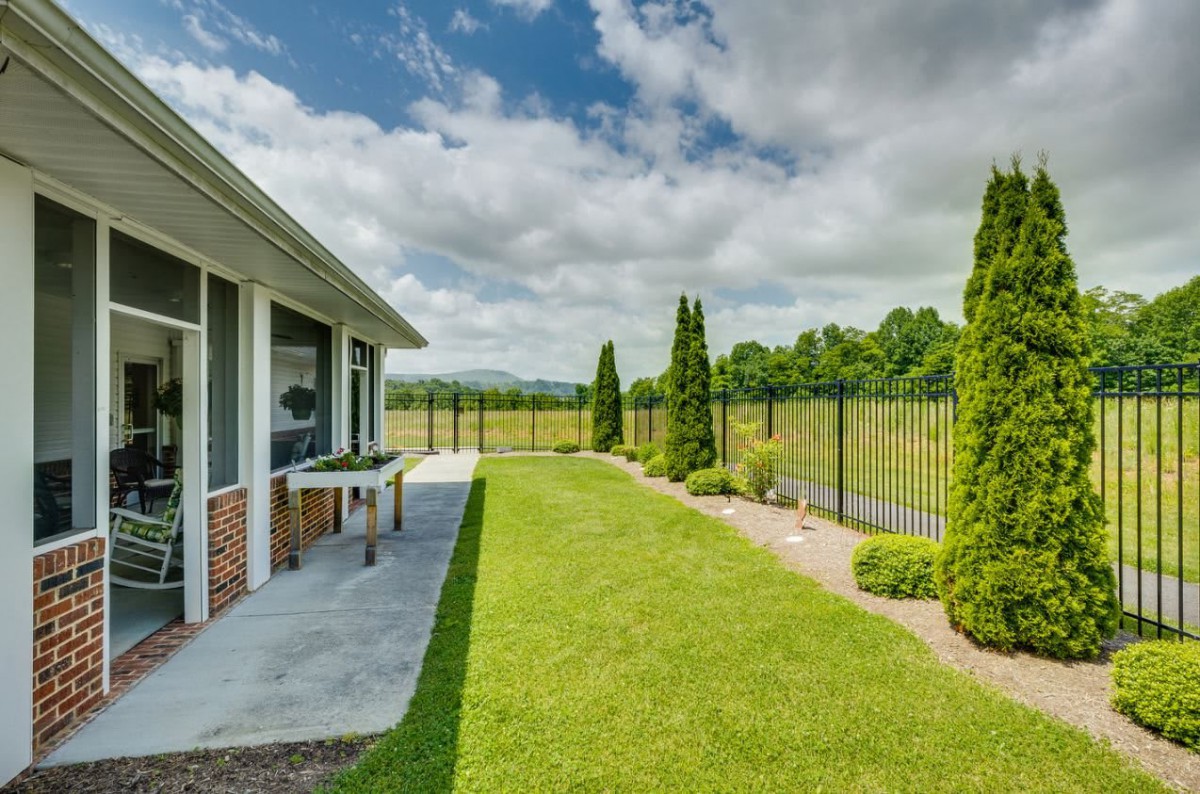
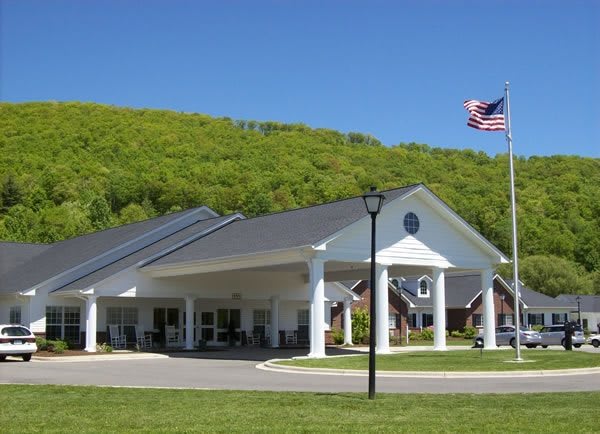
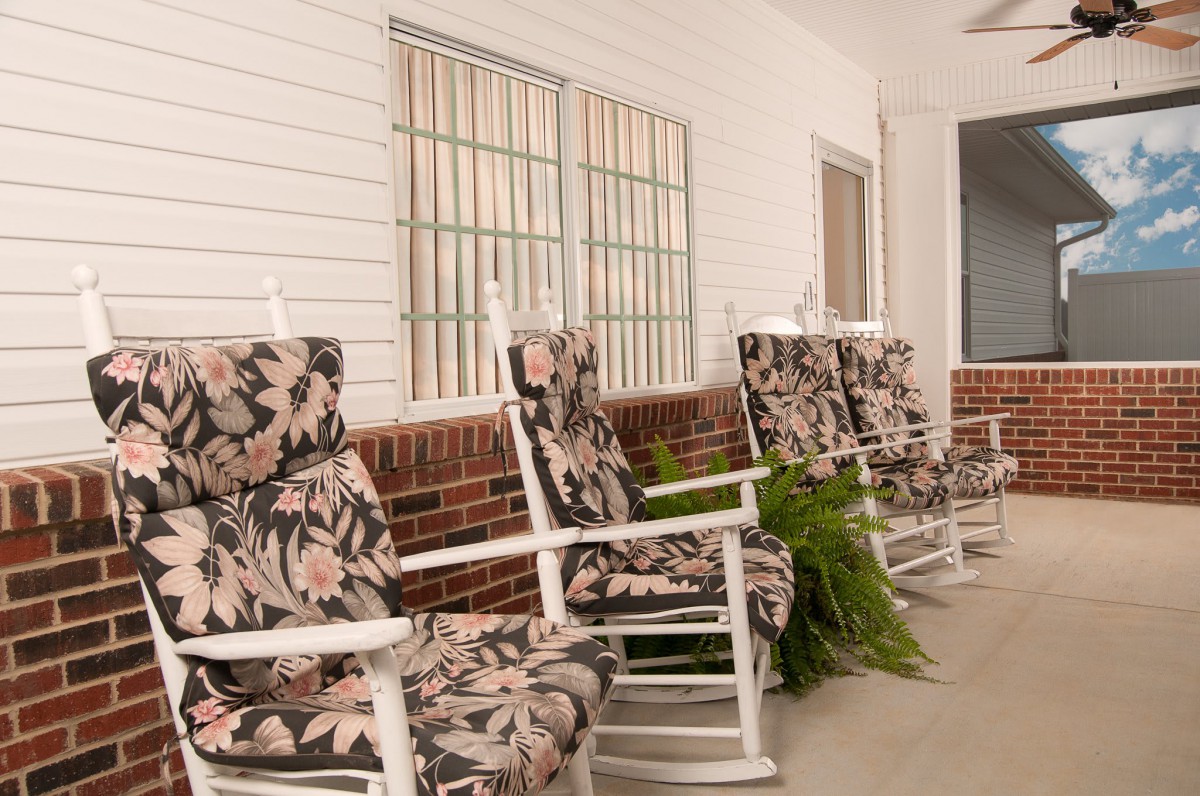
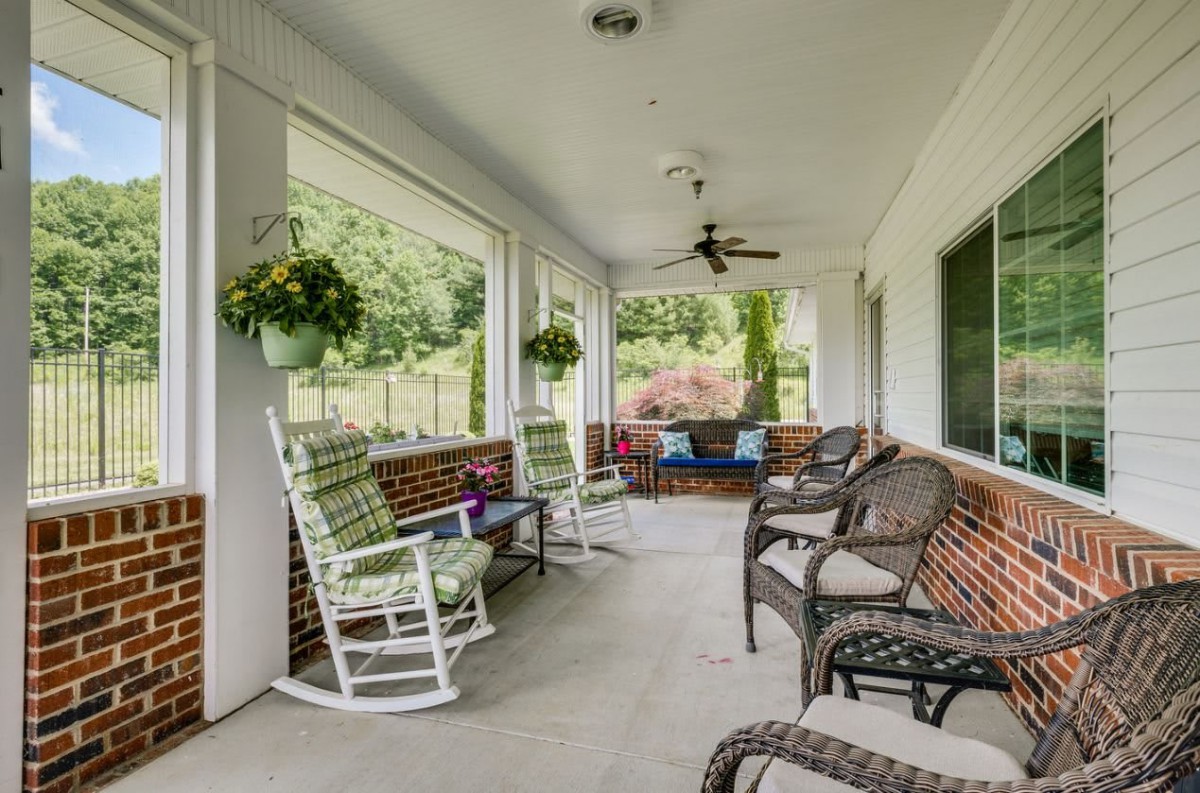
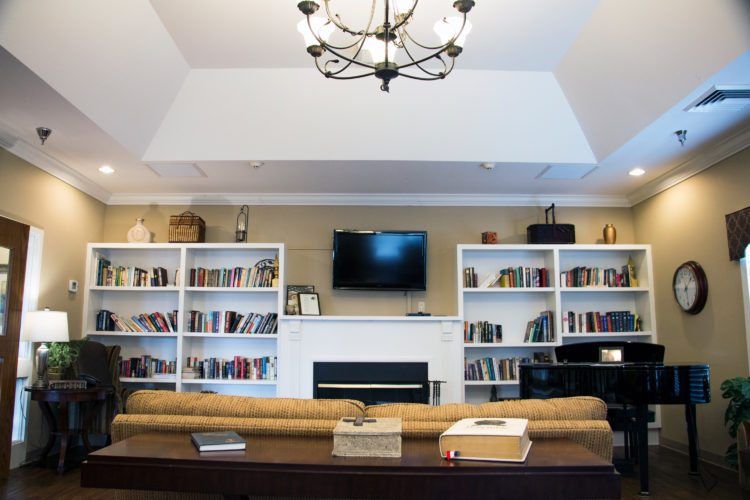
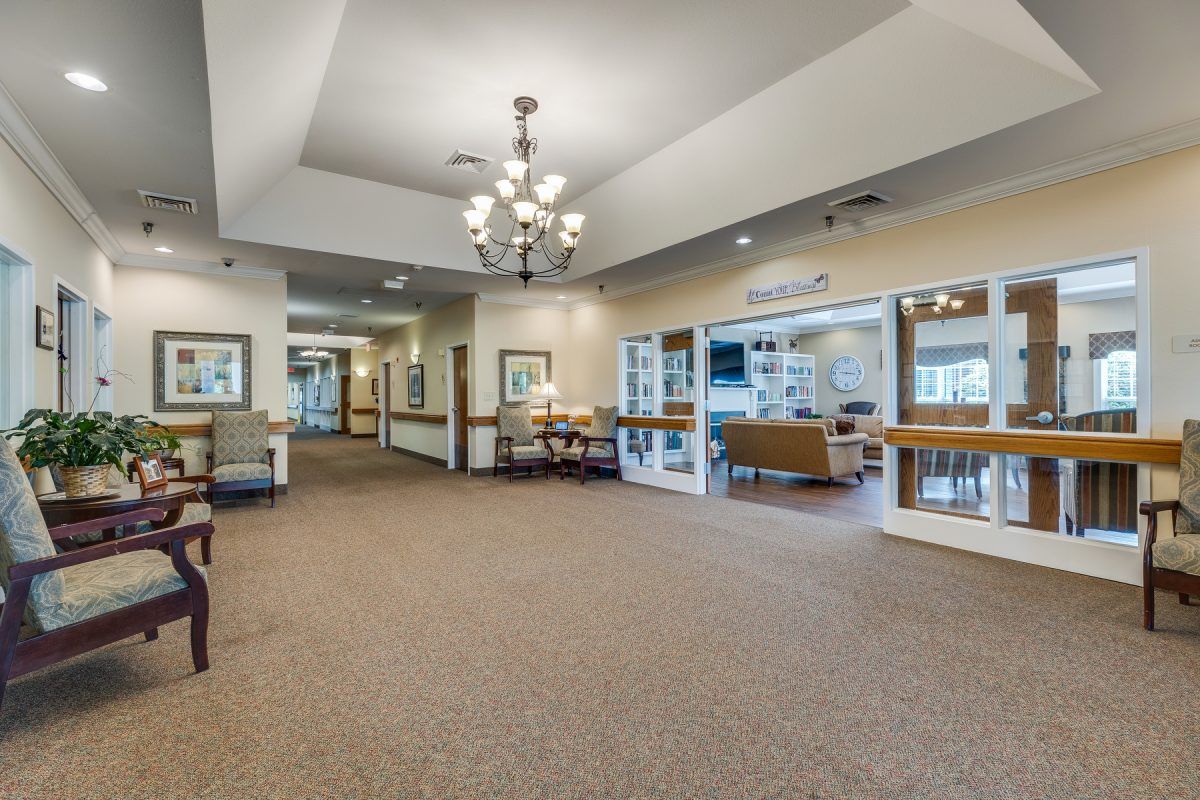
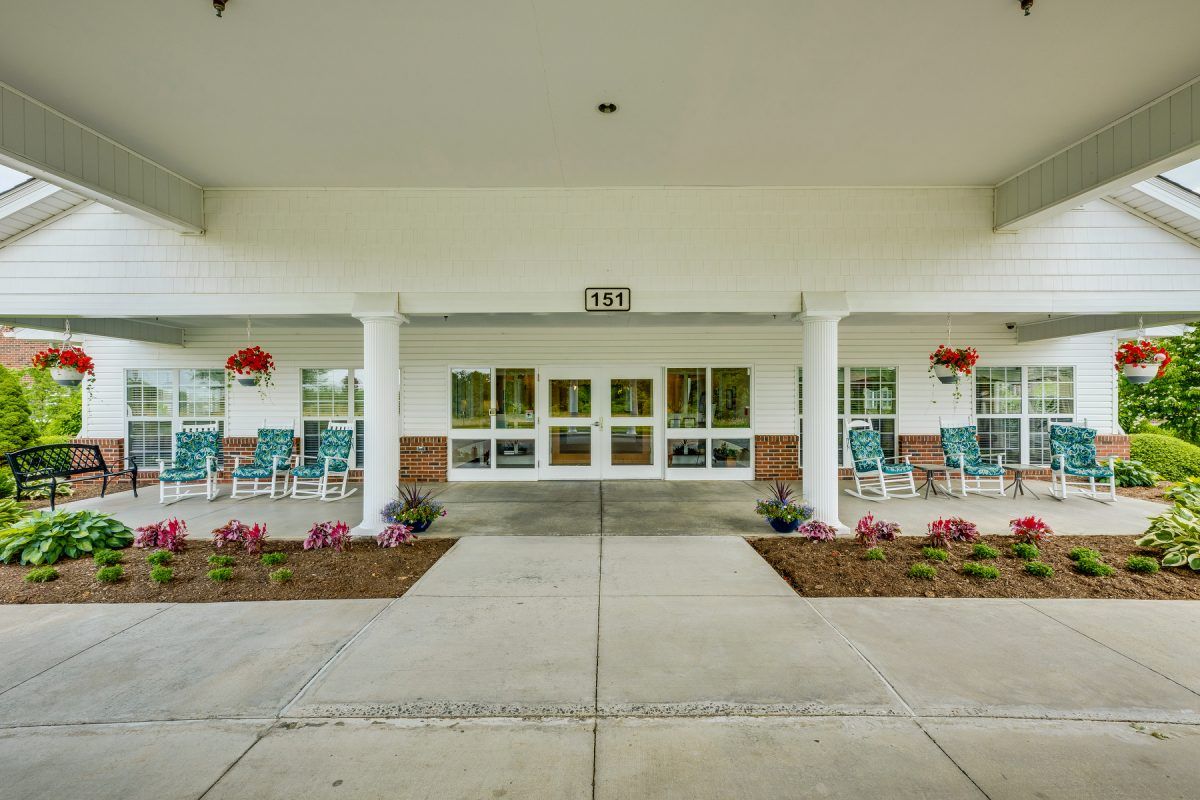
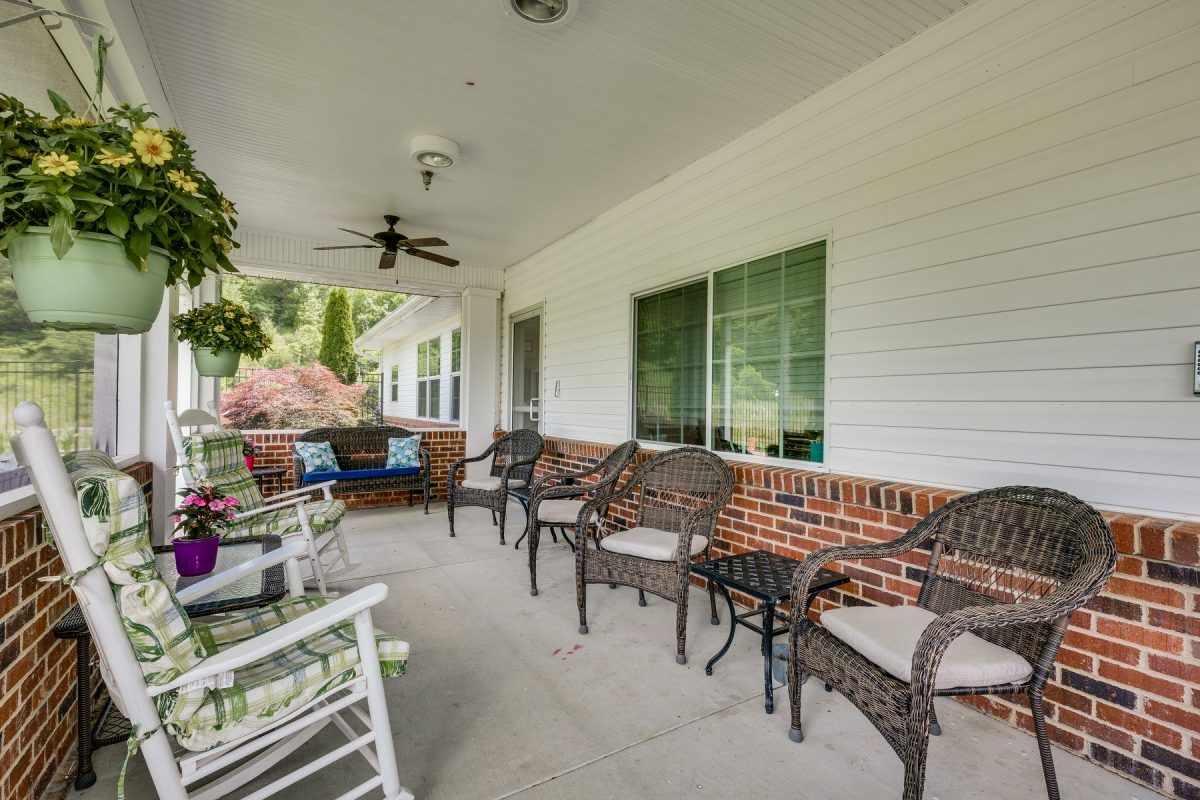
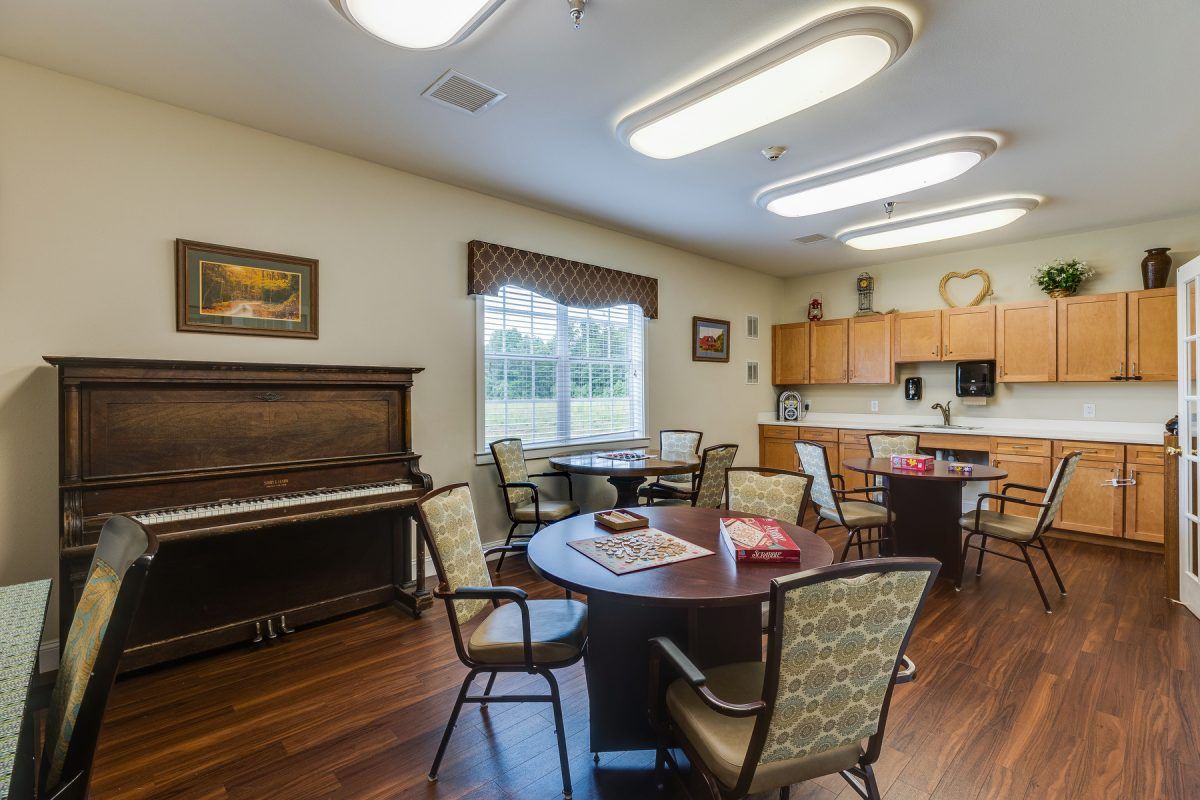
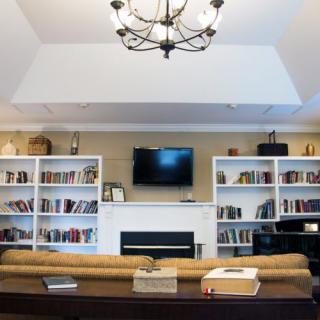
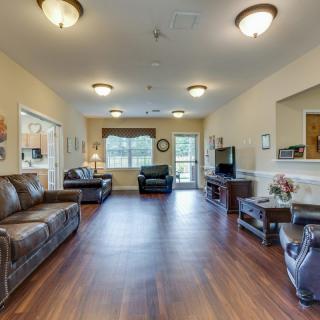
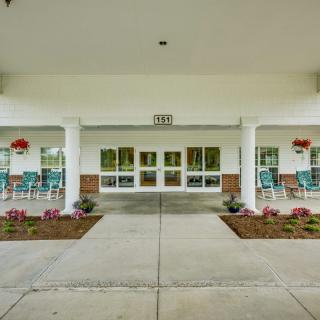
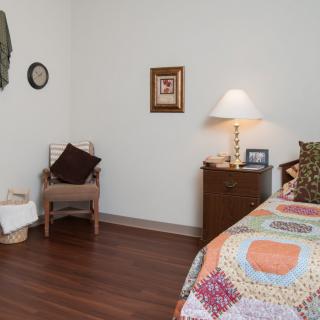
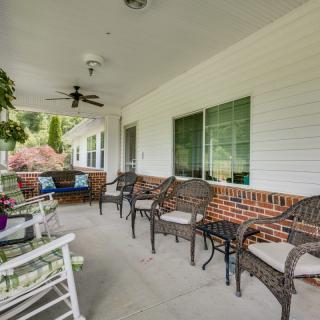
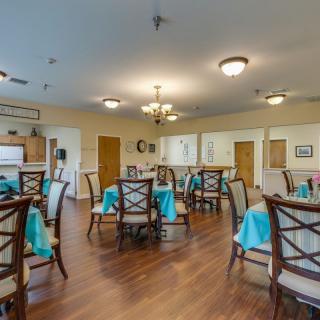
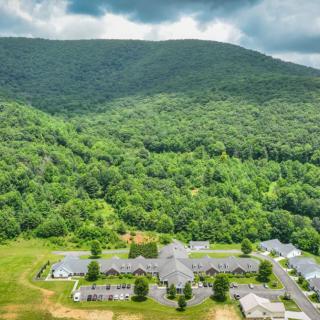
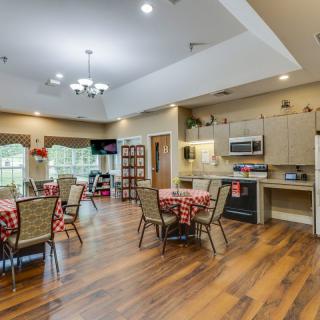
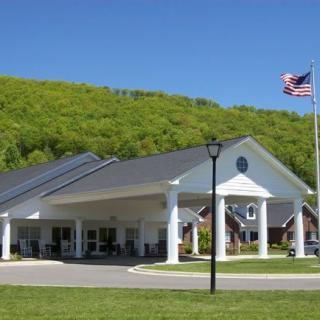
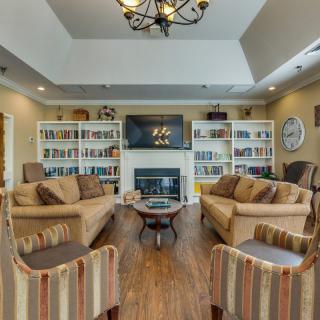
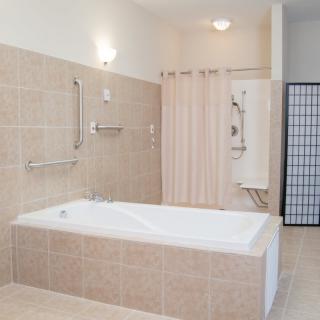
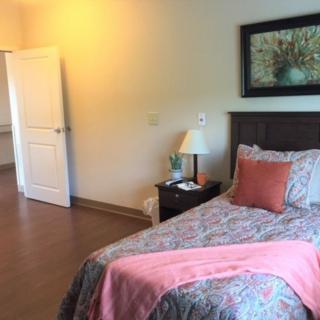
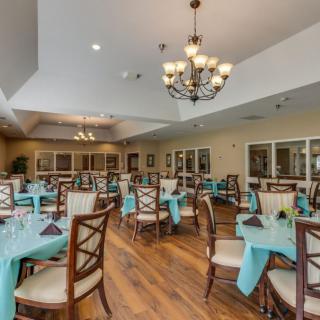
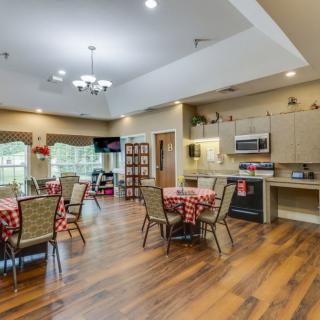
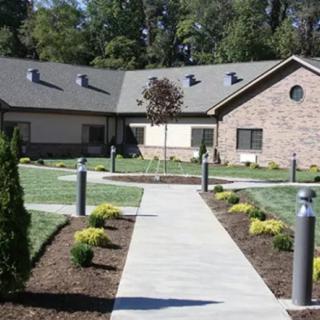
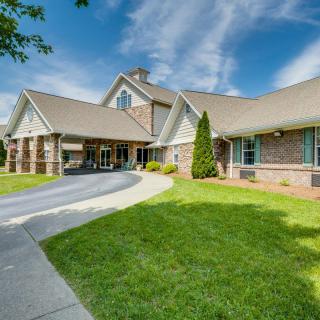
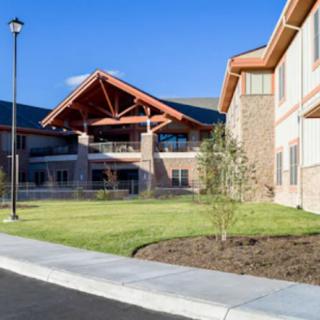
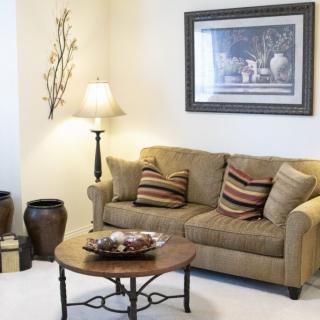
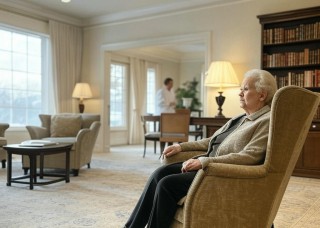
Forest Ridge on seniors.fyi includes 30 photos including images showing interior, decor, dining, chandelier, landscaping, windows, living room, television, and more.
Nearby Communities
Ashe Assisted Living And Memory Care
West Jefferson, NC
4.1 from 11 reviews
Engaging activities with attentive staff in a clean, welcoming environment.
Ashe Assisted Living
West Jefferson, NC
Specialized memory care with trained staff; diabetic care and social/meal amenities.
Emerald Health Care of Ashe
Jefferson, NC
4.4 from 36 reviews
Skilled nursing care facility
Margate Health And Rehab Center
Jefferson, NC
4.6 from 41 reviews
Strong rehab with caring, responsive staff in a home-like setting.
Ashe Family Care Homes 2
Todd, NC
Homelike setting with fully furnished rooms and outdoor space; personalized care
Ashe Family Care Home 3
Todd, NC
24-hour personalized care with tailored meals and daily activities.
Deerfield Ridge Assisted Living
Boone, NC
4.4 from 63 reviews
$4,550 to $6,395 / month
Compassionate staff, clean and well-kept environment, with engaging activities.
The Foley Center At Chestnut Ridge
Blowing Rock, NC
4.2 from 67 reviews
Personalized care with grooming, engaging activities, and strong family communication.
Rose Glen Village
Wilkesboro, NC
4.8 from 18 reviews
$1,475 to $2,600 / month
Friendly staff, engaging activities, and clean, well-maintained facilities.
The article presents five subtle indicators of dementia, such as memory lapses and mood swings, to help families assess cognitive decline in loved ones. It emphasizes early detection, open communication, and seeking professional help while providing practical support steps.
Dementia encompasses progressive neurological disorders that impair cognitive functions and can lead to paranoia due to cognitive decline and emotional changes. The article discusses the triggers of paranoia in dementia, caregiver strategies for managing it, and the importance of distinguishing between dementia-related paranoia and other psychiatric conditions.
Memory care activities are essential for improving the quality of life of seniors with cognitive impairments, as they stimulate cognitive function, promote well-being, and encourage social interaction through tailored strategies. These activities combine structured exercises with spontaneous tasks, sensory engagement, physical workouts, creative pursuits, and intergenerational interactions to enhance emotional connection and a sense of purpose.
Get PricingAsk A QuestionSchedule A TourContact Senior Advisor
By clicking submit, you agree to our Partner's Terms of Use. You
also consent to receive calls and texts, which may be autodialed, from our Partner. Your consent is not a condition to
using our Partner's service. Please visit our Partner's Privacy Policy for information about their privacy practices.


 60 resident community capacity
 Assisted Living
 Independent Living
 Memory Care
 Cats allowed
 Dogs allowed
 Activities off-site
 Air-conditioning
 Bath tubs
 Beautician on-site
 Cable or satellite TV
 Computer center
 Devotional services off-site
 Dining room
 Fitness room
 Fully furnished
 Gaming room
 Garden
 Ground floor units
 Housekeeping services
 Indoor common areas
 Kitchenette
 Move-in coordination
 Outdoor common areas
 Private bathrooms
 Respite or short term stays offered
 Restaurant-style dining
 Small library
 Telephone
 Wellness center
 Wheelchair accessible showers
 Wi-Fi/high-speed internet available
 Community operated transportation
 12-16 hour nursing
 24-hour call system
 Ambulatory care
 Assistance with bathing
 Assistance with dressing
 Assistance with transfers
 Diabetes diet
 Diabetic care
 High acuity care
 Incontinence care
 Medication management
 Mental wellness program
 Special dietary restrictions
 Art classes
 Concierge services
 Cooking classes
 Day trips and outings
 Educational speakers / life long learning
 Karaoke
 Live dance or theater performances
 Live musical performances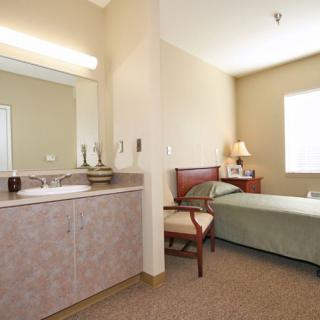
 Engaging activities with attentive staff in a clean, welcoming environment.
 Five Subtle Dementia Indicators to Observe: An In-Depth Guide to Understanding “Does My Mom Have Dementia?”
 Dementia, Paranoia, and Caregiver Guidance: Understanding the Connection
 Engaging Memory Care Activities That Enhance Quality of Life