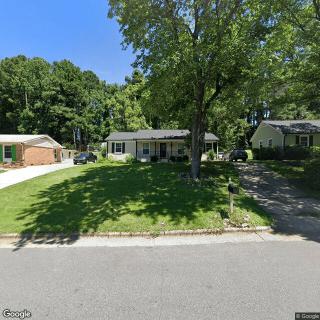
Living Well Family Care Home in Raleigh, NC

Save
Living Well Family Care Home

Living Well Family Care Home in Raleigh, NC

Information last verified:

5932 Sandy Forks Road, Raleigh, NC 27609

For more information about senior living options: (844) 490-3973

5 from 1 review

Living Well Family Care Home Costs & Pricing

Living Well Family Care Home offers competitive pricing for residential care, with monthly costs that are notably lower than the average rates in Wake County, as well as the broader state of North Carolina. For a semi-private room, Living Well charges $3,000, which is significantly less than the Wake County average of $4,391 and aligns closely with the state average of $3,584. When it comes to private accommodations, Living Well's fee of $4,600 is still quite favorable compared to the local county rate of $4,658 and is competitive within the state where private rooms average around $4,425. This pricing structure reflects a commitment to providing quality care while remaining accessible for families navigating their options for assisted living.

Floor plansLiving Well Family Care HomeWake CountyNorth Carolina
Semi-Private$3,000$4,391$3,584
Private$4,600$4,658$4,425

Overall Review of Living Well Family Care Home

Pros

  • pro It is a great place to work.
  • pro The residents and their families are welcomed.
  • pro It feels like home.

Review

Living Well Family Care Home in Raleigh, NC is best suited for seniors who prize a small, home-like environment where caregivers know residents well, and where families are welcomed into daily life. The setting is intimate enough that routines can be tailored, conversations feel personal, and a sense of belonging can emerge quickly. For families seeking emotional warmth, visible staff engagement, and a living arrangement that mirrors home rather than a hospital, this community delivers an experience that supports comfort and continuity. The single, strongly positive rating from a firsthand reviewer underscores the core strength: people are treated with a familial, respectful approach that makes residents feel safe and valued. In Raleigh, this option stands out for those who prioritize relationships over institutional scale.

However, some residents will want alternatives. The most salient considerations are the scope of medical oversight and the availability of specialized programming. If a senior requires consistent 24/7 nursing supervision, complex wound care, dialysis, or intensive memory-care services, larger assisted living communities or dedicated memory-care facilities generally deliver more robust clinical resources. Likewise, if the plan calls for an ambitious activity calendar, transportation to appointments, or on-site rehabilitation with frequent therapy visits, the capacity of a tiny family-style home may fall short. Families should evaluate whether an emphasis on warmth and personalization aligns with current care needs, or whether the ongoing quest for clinical depth will necessitate looking elsewhere.

On the upside, the primary advantages flow from the home-like culture. A welcome mat extended to residents and their families signals an environment where social engagement is continuous and unforced, not choreographed. The setting supports daily routines and meaningful conversations, reducing feelings of abandonment often reported in larger campuses. The staff’s apparent commitment, evidenced by the statement that it is “a great place to work”, typically translates into steady caregivers who know preferences, histories, and quirks, which lowers the risk of miscommunication and anxiety. For loved ones, the ability to drop in, participate in meals, and be part of daily decisions adds a practical, emotional layer of reassurance. In short, personalized attention and a sense of being seen are the strongest pro here.

Still, the main cons are inherent to the footprint of a small family home. Limited scale often means fewer clinical resources on-site, which can slow the ramp-up of medical services or specialized therapies if needs shift. There may be fewer amenities, less structured programming, and a narrower range of routines compared with larger communities. Transportation options, on-site therapies, or memory-care-specific programming might not be as readily available. These factors can be a real limitation for residents who require more intensive support or who thrive on a busier, more movement-rich calendar. Prospective residents should not assume equivalence with larger campuses across every care dimension.

That said, the favorable elements frequently offset these constraints for the right resident. The intimate staffing model tends to produce higher caregiver-resident ratios in practice, with quicker responses and deeper familiarity. Family involvement often remains straightforward and welcomed, reducing confusion and isolation. The benefit of a home atmosphere is particularly meaningful for individuals who resist the antiseptic feel of larger facilities or who wish to maintain familiar routines. When care needs remain within what the small home can safely manage, the payoff is consistent, relationship-centered care, with a predictable pace and a stabilizing daily rhythm that supports dignity and autonomy.

Decision-makers should approach with a clear checklist: confirm the current care level and whether it aligns with the resident’s needs, inquire about staffing patterns and back-up coverage, and request a tour that includes meal experiences, activity demonstrations, and family interaction opportunities. Ask to see care plans, medication management practices, and how transitions to higher levels of care would be handled. If warmth, a true home environment, and close-knit caregiver relationships top the list, Living Well Family Care Home represents a compelling fit. If the priority centers on robust medical resources, dementia specialization, or a broad amenity set, alternatives with larger clinical footprints should be pursued.

Features

Housing

  • 6 resident community capacity 6 resident community capacity

Types of Care

  • Assisted Living Assisted LivingAssisted living facilities provide crucial support and care for seniors who may need help with daily tasks such as medication management, bathing, and meal preparation. These communities offer a safe and comfortable environment where seniors can maintain their independence while receiving the assistance they need to thrive in their golden years.
  • Board and Care Home Board and Care HomeBoard and care homes provide a smaller, more intimate setting for seniors who require assistance with daily tasks but do not need the level of care offered by a nursing home. They offer personalized care, meals, and social activities in a homelike environment, ensuring that seniors receive individualized attention and support in their golden years.

Amenities

  • Cable or satellite TV Cable or satellite TVCable or satellite TV is important for seniors because it provides entertainment, news, and companionship, helping to combat loneliness and boredom. It also offers a wide range of programming options tailored to different interests and preferences.
  • Dining room Dining roomDining rooms are important for seniors as they provide a space for socialization, connection, and nutritious meals. They offer opportunities for residents to bond over shared meals, foster a sense of community, and promote healthy eating habits. Dining rooms also ensure that seniors have access to well-balanced meals tailored to their dietary needs and preferences.
  • Fully furnished Fully furnishedFully furnished senior living communities are important for seniors because they provide convenience, comfort, and a hassle-free moving experience. Seniors can easily settle into their new living space without the stress of having to buy and move furniture. This allows them to focus on enjoying their new home and community.
  • Garden GardenGardens are important for seniors as they provide a peaceful and therapeutic environment for relaxation, physical activity, and socialization. Being in nature has been shown to reduce stress, improve mood, and promote overall well-being. Gardens also offer opportunities for seniors to engage in gardening activities, which can improve mobility, flexibility, and cognitive function. Additionally, gardens create a sense of community and connection with others who share a passion for plants and outdoor spaces.
  • Housekeeping services Housekeeping servicesHousekeeping services are important for seniors because they help maintain a clean and safe living environment, promote independence, and reduce the risk of accidents or illnesses. Additionally, having assistance with household chores can alleviate physical strain and allow seniors to focus on other aspects of their well-being.
  • Indoor common areas Indoor common areasIndoor common areas are crucial for seniors as they provide a space for socialization, recreation, and community engagement, promoting overall well-being and reducing feelings of isolation and loneliness.
  • Move-in coordination Move-in coordinationMove-in coordination is important for seniors because it helps ease the transition into their new living environment. It ensures that all logistics, such as packing, organizing movers, and setting up utilities are taken care of, allowing seniors to focus on settling in and adjusting to their new home. Having a smooth move-in process can alleviate stress and anxiety, making the transition smoother and more enjoyable for seniors.
  • Outdoor common areas Outdoor common areasOutdoor common areas are important for seniors as they provide a space for socialization, physical activity, and relaxation. Being outside in nature can improve mood and overall well-being, while also encouraging movement and engagement with others. These spaces can help combat feelings of isolation and promote a sense of community among residents.
  • Outdoor space Outdoor spaceOutdoor spaces are important for seniors as they provide opportunities for physical activity, social interaction, exposure to natural light and fresh air, and a sense of connection to nature. Having access to outdoor spaces can improve overall well-being and quality of life for older adults living in senior communities.
  • Private PrivatePrivacy is important for seniors as it allows them to maintain their independence, dignity, and sense of control over their own lives. It also gives them the space and freedom to relax, reflect, and engage in activities that bring them joy and fulfillment. Creating private spaces within senior living facilities is crucial for promoting overall well-being and quality of life.
  • Telephone TelephoneTelephones are important for seniors as they provide a lifeline for communication with loved ones, emergency services, and healthcare providers. They offer a sense of security and independence, enabling seniors to stay connected and access assistance when needed.
  • Wi-Fi/high-speed internet available Wi-Fi/high-speed internet availableWi-Fi/high-speed internet is important for seniors to stay connected with loved ones, access online resources, and participate in virtual activities to combat feelings of loneliness and isolation. It also allows them to easily manage healthcare needs, access entertainment, and engage in lifelong learning opportunities.

Transportation

  • Raleigh-Durham International (9 miles away) Raleigh-Durham International (9 miles away)

Care Services

  • 24-hour supervision 24-hour supervision24-hour supervision is important for seniors to ensure their safety, well-being, and access to immediate assistance in case of emergencies or health issues. This constant support provides peace of mind for both seniors and their loved ones, allowing them to age in place with dignity and security.
  • Activities of daily living assistance Activities of daily living assistanceActivities of daily living assistance are important for seniors because they provide essential support with tasks such as eating, bathing, dressing, and mobility. This assistance helps seniors maintain their independence, dignity, and overall quality of life as they age.
  • Ambulatory care Ambulatory care"Ambulatory care services provide essential medical support and treatment to seniors without requiring hospitalization, allowing them to maintain their independence and quality of life while managing chronic conditions or receiving routine medical care."
  • Assistance with bathing Assistance with bathingAssistance with bathing is crucial for seniors as it helps maintain personal hygiene, prevents infections, and ensures their overall well-being and comfort. It also provides a sense of dignity and independence for seniors who may struggle with this task on their own.
  • Assistance with dressing Assistance with dressingAssistance with dressing is important for seniors because it helps maintain their independence, promotes personal hygiene, prevents accidents and injuries, and improves overall quality of life. This service ensures that seniors can continue to dress comfortably and confidently, despite any physical limitations they may have.
  • Assistance with transfers Assistance with transfersAssistance with transfers is crucial for seniors as it helps prevent falls and injuries, maintains their independence, and ensures they can safely navigate their living environment. It also provides peace of mind for both seniors and their loved ones.
  • Coordination with health care providers Coordination with health care providersCoordination with health care providers is crucial for seniors to ensure proper medical care, medication management, and overall well-being. This collaboration helps prevent overlapping treatments, track progress more effectively, and provide comprehensive support tailored to individual needs.
  • Diabetes diet Diabetes dietA diabetes diet is crucial for seniors as it helps manage blood sugar levels, reduce risks of complications, and improve overall health and well-being. By following a balanced and nutritious diet tailored to their specific needs, seniors can better control their diabetes and enhance their quality of life.
  • Diabetic care Diabetic careDiabetic care is crucial for seniors as they are more susceptible to developing diabetes due to aging and other health conditions. Proper management of diabetes can help prevent complications such as heart disease, vision loss, and nerve damage, improving the overall quality of life for seniors in senior living communities.
  • Incontinence care Incontinence careIncontinence care is essential for seniors to maintain their dignity, hygiene, and overall quality of life. By addressing incontinence issues promptly and effectively, seniors can enjoy a sense of independence and comfort in their daily activities.
  • Meal preparation and service Meal preparation and serviceMeal preparation and service are crucial for seniors as they may have limited mobility or energy to cook nutritious meals. Having access to healthy and convenient food options can ensure they are getting the proper nutrition needed to maintain their overall health and well-being.
  • Medication management Medication managementMedication management is crucial for seniors to ensure they are taking the right medications at the correct dosages and times. This helps prevent adverse drug interactions, reduces the risk of medication errors, and promotes overall health and well-being. Proactive management also allows for adjustments as needed based on changing health conditions or new prescriptions.
  • Special dietary restrictions Special dietary restrictionsSpecial dietary restrictions are important for seniors because age-related changes in metabolism and health conditions can make it difficult for their bodies to process certain foods. By following a diet tailored to their specific needs, seniors can maintain their overall health and well-being, manage chronic conditions, and reduce the risk of complications such as malnutrition or food interactions with medications.
  • Transportation arrangement (medical) Transportation arrangement (medical)Transportation arrangements for medical purposes are essential for seniors as they may have difficulty driving themselves to appointments or accessing public transportation. Having reliable and safe transportation options ensures that seniors can receive timely medical care and maintain their health and well-being.
  • Transportation to doctors appointments Transportation to doctors appointmentsTransportation to doctors' appointments is crucial for seniors as it ensures they have access to necessary medical care and support for their health needs. Without reliable transportation, seniors may struggle to attend important appointments, leading to potential delays in treatment and health complications. Providing transportation services helps seniors maintain their overall well-being and quality of life.
Dining

  • Diabetes diet Diabetes dietA diabetes diet is crucial for seniors as it helps manage blood sugar levels, reduce risks of complications, and improve overall health and well-being. By following a balanced and nutritious diet tailored to their specific needs, seniors can better control their diabetes and enhance their quality of life.
  • Meals provided Meals provided"Meals provided" are crucial for seniors in assisted living communities as it ensures they have access to nutritious, balanced meals without the stress of meal planning and preparation. This can help promote overall health and well-being for seniors who may have limited mobility or cognitive abilities.
  • Special dietary restrictions Special dietary restrictionsSpecial dietary restrictions are important for seniors because age-related changes in metabolism and health conditions can make it difficult for their bodies to process certain foods. By following a diet tailored to their specific needs, seniors can maintain their overall health and well-being, manage chronic conditions, and reduce the risk of complications such as malnutrition or food interactions with medications.

Activities

  • Community-sponsored activities Community-sponsored activitiesCommunity-sponsored activities are important for seniors as they provide opportunities for social interaction, mental stimulation, and physical activity. These activities can help improve overall well-being, combat loneliness and isolation, and promote a sense of belonging and purpose among older adults.
  • Scheduled daily activities Scheduled daily activitiesScheduled daily activities are important for seniors because they provide structure, socialization, mental stimulation, and physical activity. Engaging in regular activities can improve overall well-being and quality of life for seniors living in a community setting.

Description

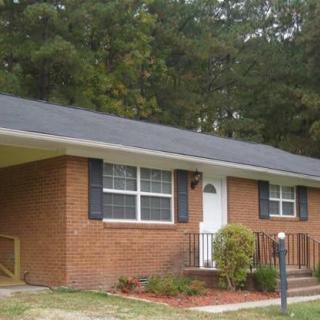
Living Well Family Care Home in Raleigh, NC is a vibrant and welcoming assisted living community that offers board and care home services. Our cozy and fully furnished residence provides a comfortable and homely environment for our residents to thrive in.

At Living Well Family Care Home, we understand the importance of maintaining a healthy lifestyle, which is why we offer a range of amenities to enhance the well-being of our residents. Our dining room serves delicious meals prepared with special attention to dietary restrictions, ensuring that everyone's nutritional needs are met. In addition, our housekeeping services keep the living spaces clean and tidy.

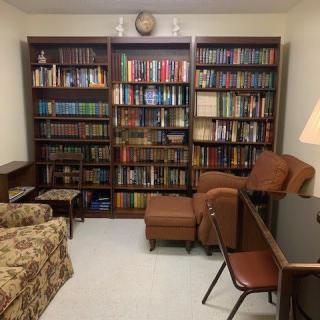
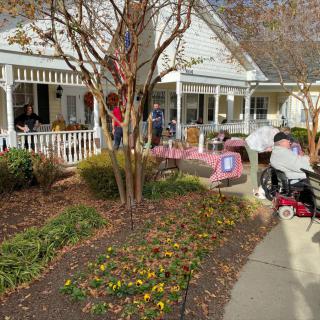
Our indoor common areas provide comfortable lounges where residents can socialize with each other or engage in activities. For those who enjoy spending time outdoors, our garden and outdoor common areas offer a serene setting to relax or participate in outdoor activities.

We prioritize the health and safety of our residents by providing assistance with daily living activities such as bathing, dressing, and transfers. Our dedicated staff also coordinates with healthcare providers to ensure that our residents receive the necessary medical attention and diabetic care as needed. Medication management services are available to assist with proper administration.

Living Well Family Care Home is conveniently located near various amenities including cafes, parks, pharmacies, physicians' offices, restaurants, transportation options, places of worship, theaters, and hospitals. Residents can easily access these facilities for their personal needs or entertainment.

With scheduled daily activities, our community promotes an active lifestyle while fostering a sense of community among residents. Whether it's participating in group exercises or engaging in social events within our tight-knit community, there is always something enjoyable happening at Living Well Family Care Home.

Come join us at Living Well Family Care Home in Raleigh, NC and experience the comfort of a caring community where your loved ones will feel right at home.

Nearby Places of Interest

This part of Raleigh, North Carolina is a diverse and convenient area for senior living with a variety of healthcare options nearby including dermatology, radiology, internal medicine, wound care, surgery, and audiology services. There are also several pharmacies within a short distance for medication needs. The neighborhood offers a range of dining choices from fast food to upscale restaurants, as well as cafes for socializing. The numerous parks in the vicinity offer opportunities for outdoor recreation and relaxation. In terms of transportation, there is a car rental service close by and the Raleigh-Durham International Airport is easily accessible for travel needs. Additionally, there are theaters for entertainment and cultural enrichment in the area. Overall, this part of Raleigh provides a well-rounded and convenient environment for senior residents to enjoy their retirement years.

Physicians

  • Midtown Dermatology (0.1 miles)
  • Wake Radiology Diagnostic Imaging (2.2 miles)
  • Family Medical Associates of Raleigh (2.7 miles)
  • ENT & Audiology Associates (4.6 miles)
  • Wake Internal Medicine Consultants (4.7 miles)
  • Rex Wound Care Center (4.8 miles)
  • Rex Surgical Specialists (4.8 miles)

Restaurants

  • McDonald's (0.9 miles)
  • Metro Diner (1 miles)
  • Salt & Lime Cabo Grill (1 miles)
  • Chick-Fil-A (1.2 miles)
  • Vivace (1.6 miles)
  • Panda Express (2 miles)
  • Goodberry's Frozen Custard (2.1 miles)

Places of Worship

  • Gethsemane Lutheran Church (1.3 miles)
  • Beacon Baptist Church (5 miles)

Pharmacies

  • Walgreens (1.5 miles)
  • Walmart Pharmacy (2.3 miles)
  • CVS Pharmacy (2.4 miles)
  • Walgreens (4 miles)
  • CVS Pharmacy (4.2 miles)
  • Walgreens (4.3 miles)
  • CVS Pharmacy (4.7 miles)

Parks

  • Eastgate Park (1.7 miles)
  • Williams Park (1.8 miles)
  • Brookhaven Nature Park (2.8 miles)
  • Durant Nature Park (3.6 miles)
  • Marsh Creek Park (4.6 miles)
  • Buffaloe Road Athletic Park (5.4 miles)
  • Method Road Park & Community Center (5.8 miles)

Hospitals

  • Duke Raleigh Hospital (2.5 miles)
  • UNC Specialty Women's Center at Rex (5 miles)
  • WakeMed Heart Center (5.9 miles)
  • WakeMed Health & Hospitals (6 miles)

Cafes

  • Panera Bread (3 miles)
  • Starbucks (3.6 miles)
  • Starbucks (3.8 miles)
  • Starbucks (5.1 miles)
  • Starbucks (6.1 miles)
  • Panera Bread (8.8 miles)

Transportation

  • Enterprise Rent-A-Car (3.1 miles)
  • RDU - Terminal 2 (8.8 miles)
  • Raleigh-Durham International Airport (RDU) (8.8 miles)

Theaters

  • Cinemark Raleigh NC (4.5 miles)
  • Alamo Drafthouse Raleigh (6 miles)

Frequently Asked Questions

How much does it cost to live at Living Well Family Care Home in Raleigh, NC?
Where is Living Well Family Care Home?

Nearby Communities

  • Caring Senior Service

    Caring Senior Service

    Raleigh, NC

    4.7 from 14 reviews
     

    pro Vibrant, inclusive assisted living with extensive amenities and convenient access to dining, parks, and nearby health services.

  • Heal Thy Self I

    Heal Thy Self I

    Raleigh, NC

     
    $1,500 to $2,000 / month

    pro Affordable private rooms with on-site devotional services and meals.

  • Maxim Healthcare

    Maxim Healthcare

    Raleigh, NC

    3.4 from 48 reviews
     

    pro Some friendly staff and in-home support.

  • TheKey Raleigh

    TheKey Raleigh

    Raleigh, NC

    4.8 from 48 reviews
     

    pro Convenient access to healthcare, dining, parks, and transit nearby.

  • Above The Horizon Home Care LLC

    Above The Horizon Home Care LLC

    Raleigh, NC


    pro Convenient location with abundant nearby amenities (restaurants, parks, healthcare, worship, hospitals).

  • Absolute Care Staffing Health Agency,  Inc

    Absolute Care Staffing Health Agency, Inc

    Raleigh, NC


    pro Convenient access to a wide range of nearby amenities (restaurants, medical facilities, parks, worship, theater).

  • Brookdale North Raleigh

    Brookdale North Raleigh

    Raleigh, NC

    4.5 from 105 reviews
    $2,615 to $5,360 / month

    pro Strong sense of community with friendly staff and diverse daily activities.

  • Cadence at North Raleigh

    Cadence at North Raleigh

    Raleigh, NC

    4.6 from 94 reviews
    $4,060 to $7,490 / month

    pro Friendly, attentive staff and engaging activities in a clean, welcoming community.

  • The Cypress Of Raleigh

    The Cypress Of Raleigh

    Raleigh, NC

    4.7 from 55 reviews
     

    pro Beautiful, well-maintained grounds with extensive amenities, security, and engaging activities across care options.

Related Resources

  • aid and attendance vaAn Extensive Exploration of the VA Aid and Attendance Benefit

    The VA Aid and Attendance benefit provides financial support to veterans needing assistance with daily living due to medical conditions or disabilities, augmenting standard VA pensions for services like in-home care. Eligibility is based on service duration, wartime status, income, and medical needs, with a detailed application process required to access funds for caregiving and home modifications.

  • senior move managementSenior Transition Services: Understanding Their Role, Cost, and Importance

    Senior move management services assist older adults in the relocation process by providing emotional support and organizational help, addressing unique challenges like downsizing and moving from long-term homes. These specialists collaborate with real estate agents and manage logistics, making the transition smoother for seniors and their families.

  • independent living vs assisted livingExploring the Path to Senior Living: A Comprehensive Look at Independent Living and Assisted Living

    The article examines senior housing options, detailing the distinctions between independent living and assisted living, along with the emerging "independent assisted living" model that blends both approaches. It highlights the importance of assessing individual needs, preferences, and financial factors in making informed decisions about suitable living arrangements for seniors.