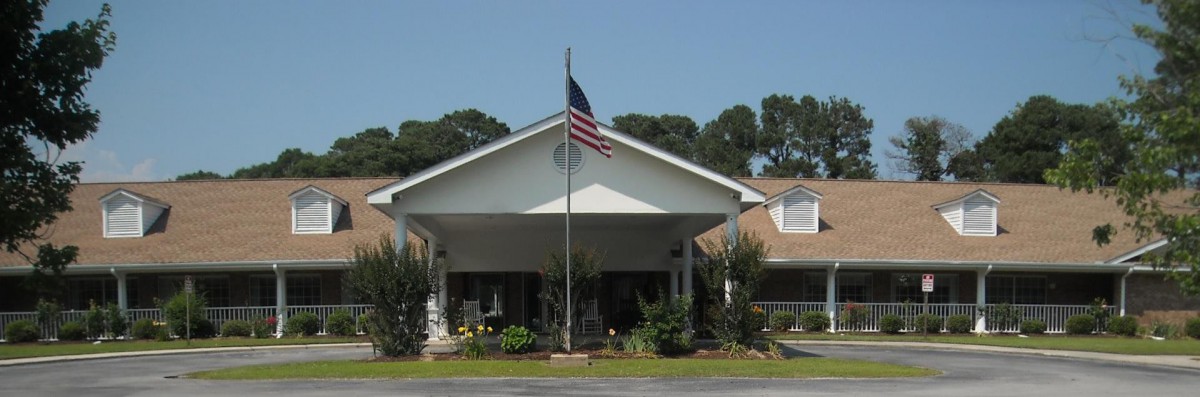

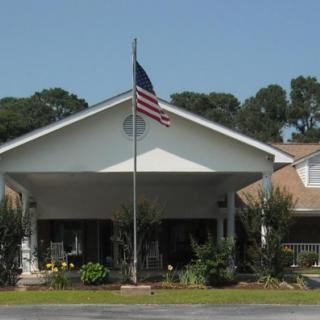
3020 Market Street, Newport, NC 28570
For more information about senior living options: (866) 208-4318
Carteret House Costs & Pricing
Carteret House offers competitive pricing for its residents, particularly when compared to broader averages in Carteret County and across North Carolina. For a semi-private room, the cost at Carteret House is $2,520 per month, significantly lower than both the county's average of $4,985 and the state average of $3,584. Similarly, the studio rooms at Carteret House are priced at $3,750, which is also more affordable than the county's average of $5,233 and North Carolina's average of $4,020. This positioning not only highlights Carteret House as an economically viable option but also underscores its commitment to providing quality care without compromising residents' financial stability.
| Floor plans | Carteret House | Carteret County | North Carolina |
|---|---|---|---|
| Semi-Private | $2,520 | $4,985 | $3,584 |
| Studio | $3,750 | $5,233 | $4,020 |
Memory care communities with a similar price nearby
-
from -$120 / mo
The Gardens Of Pamlico
$2,400 to $3,000 / month23.9 miles away -
from +$475 / mo
Croatan Village
$2,995 to $4,350 / month17.8 miles away
Overall Review of Carteret House
Pros
 The administrator is very friendly and cares about her residents, and the quality of care from the staff is unmatched.
- The teams at Carteret House provide refreshing care, with standards set and follow-through that is outstanding.
- The staff were kind and the residents seemed well taken care of and happy.
- The facility was warm and welcoming, with friendly, caring staff and residents.
- Under Melissa Arnold's leadership, the facility is clean, fully staffed, and residents are respected and well cared for; staff were attentive, empathetic, respectful, and accommodating.
- Visitors noted agreeable surroundings, exceptional cleanliness and maintenance, and residents who appeared happy.
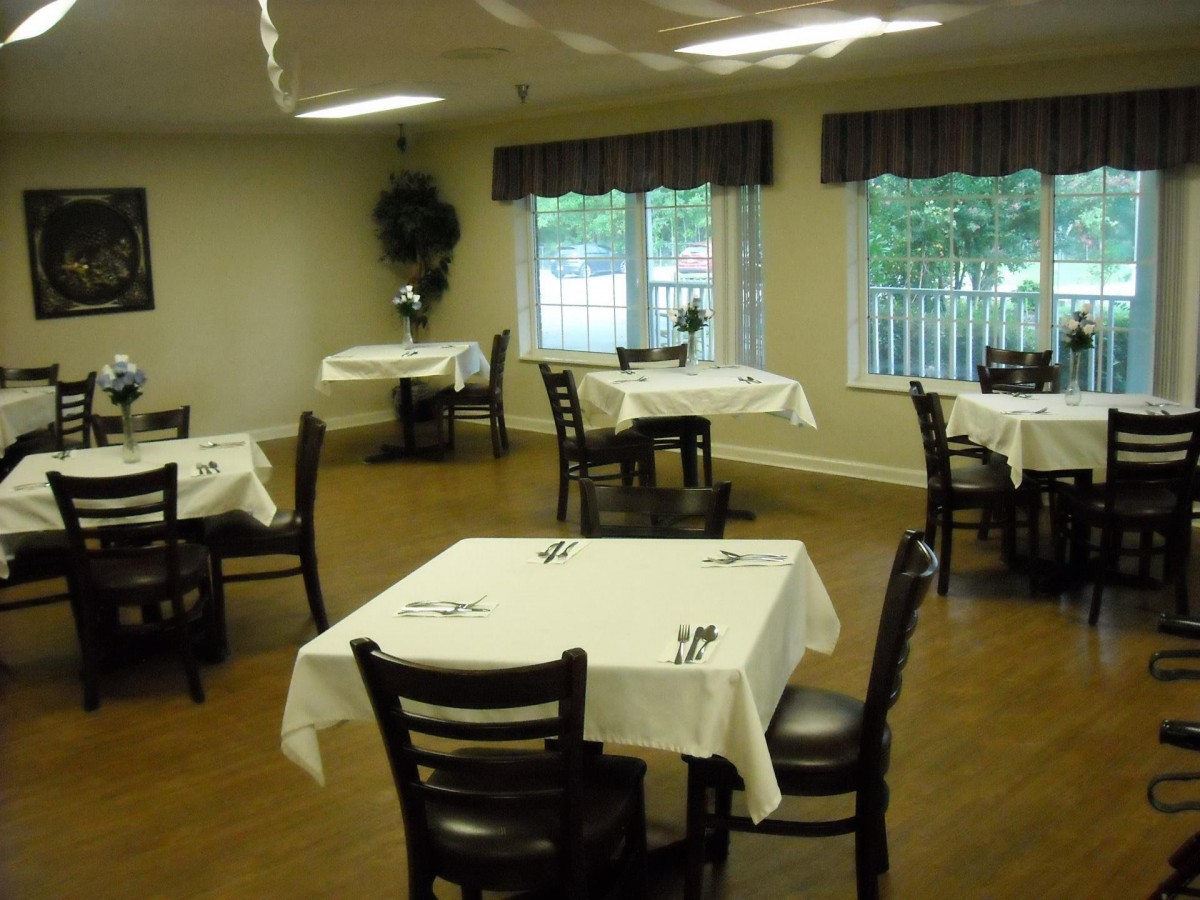
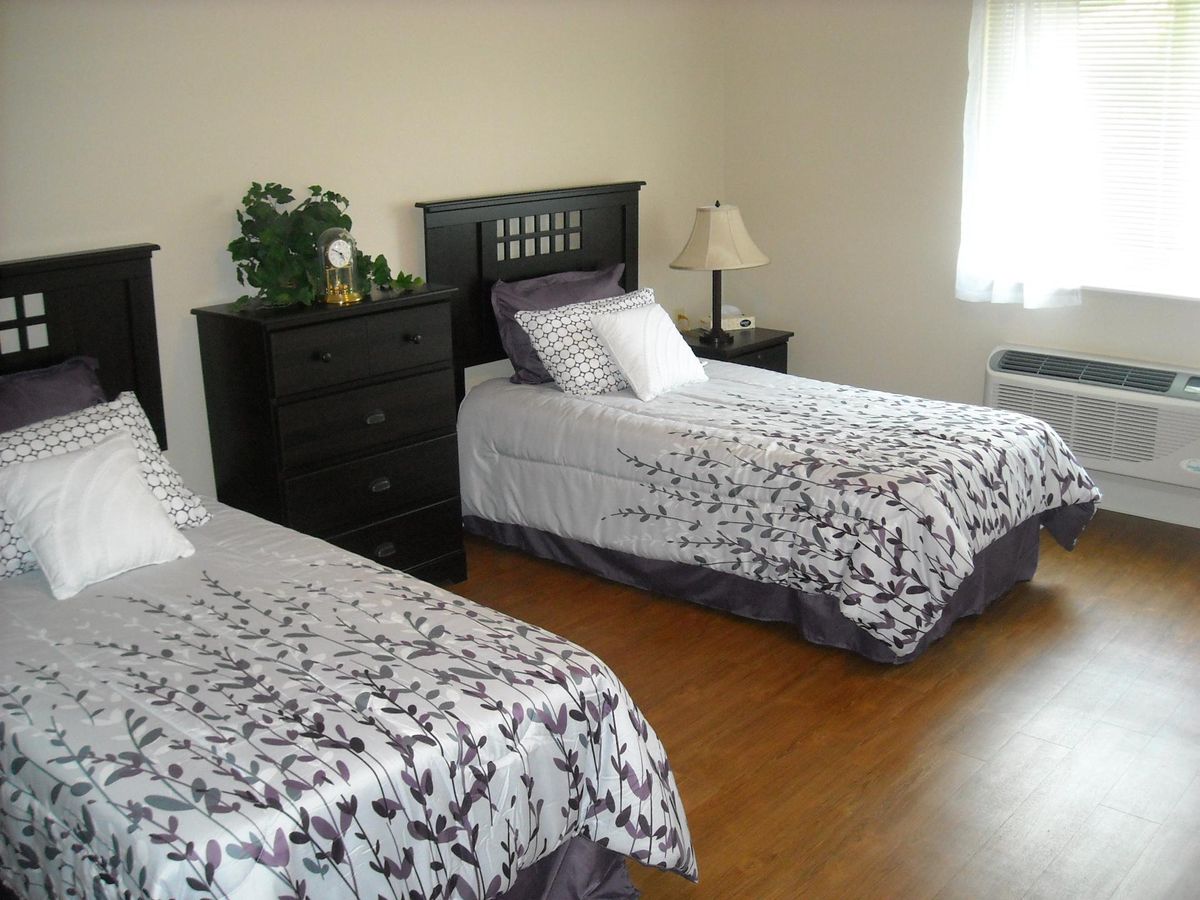
- The director was nice and informative, the facility clean, staff friendly, rooms spacious, activities plentiful, and the menu wonderful.
Cons
 The facility consistently lets medications run out, leaving residents to suffer withdrawals.
- The RCC is described as unqualified and incompetent to communicate with doctors, families, or residents.
- Management is blamed for most problems, including medication issues and lack of communication to families, with high staff turnover; visitors are advised not to bring loved ones there.
- The care is described as wretched, with disrespect toward residents and families and charts not being followed.
- The environment is unsafe and unwelcoming, with a strong smell of smoke and a lack of welcoming amenities.
- There are serious safety concerns: medications stolen by trusted med techs, rooms searched, and multiple fires with alarms disabled.
- The facility has fallen into disarray and filth due to poor management.
Review
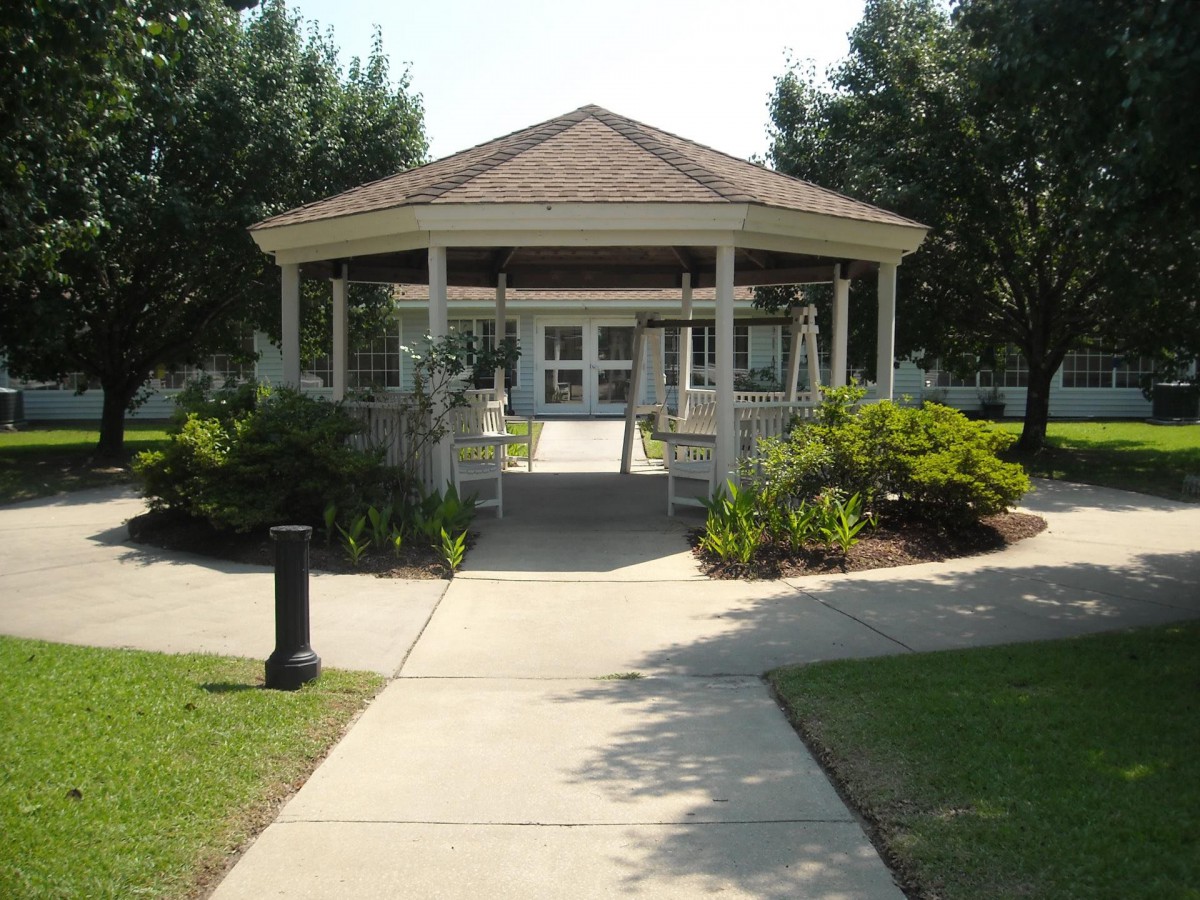
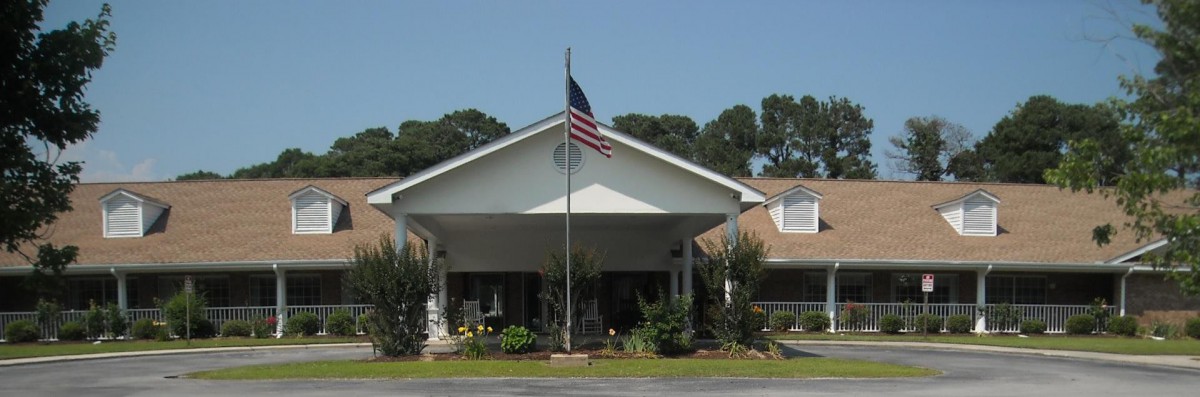
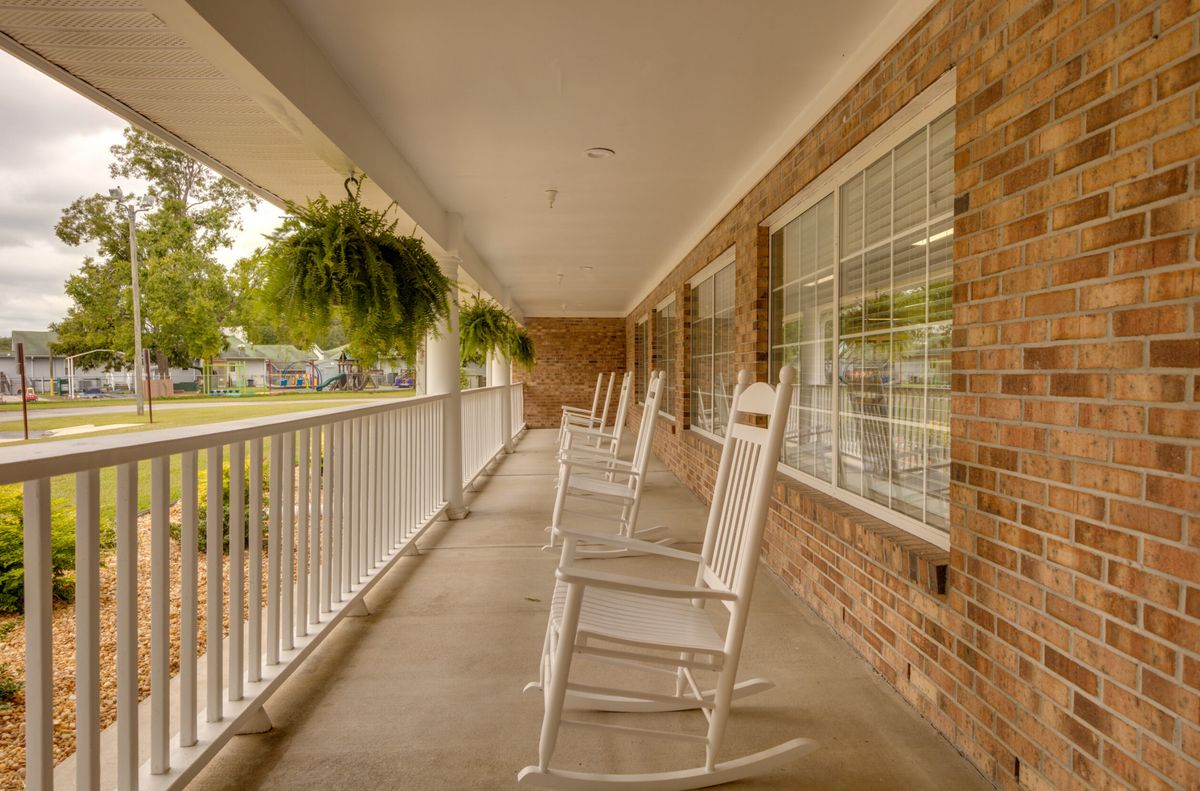
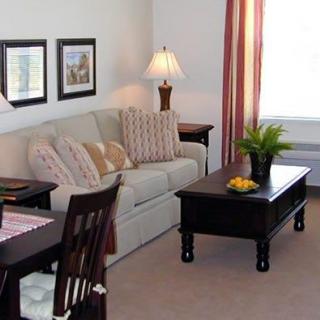
Carteret House in Newport, NC is best suited for seniors who want a warm, resident-focused environment with meaningful staff engagement and a capacity for excellent care when leadership is steady and attentive. The community tends to shine when administrators set clear standards and stay connected to daily care. Families report that, at its best, the care team works cohesively, residents are treated with respect, and hospice moments are handled with empathy and competence. For a loved one who benefits from personal attention, regular interaction with a proactive director, and a home-like setting, with ample activity and comfortable, well-appointed rooms, Carteret House can be a very strong fit.
Those who may want to consider alternatives include families prioritizing flawless medication safety and unflagged clinical oversight. Across reviews, there are repeated warnings about medication management and communication gaps, including instances of medications running out, orders not being followed, and information not reaching family members or physicians promptly. Several accounts describe staff turnover and perceived leadership problems that translate into inconsistent care. For residents with fragile health or complex med regimens, these potential gaps can be costly, making a facility with a proven, step-by-step medication process a safer choice.
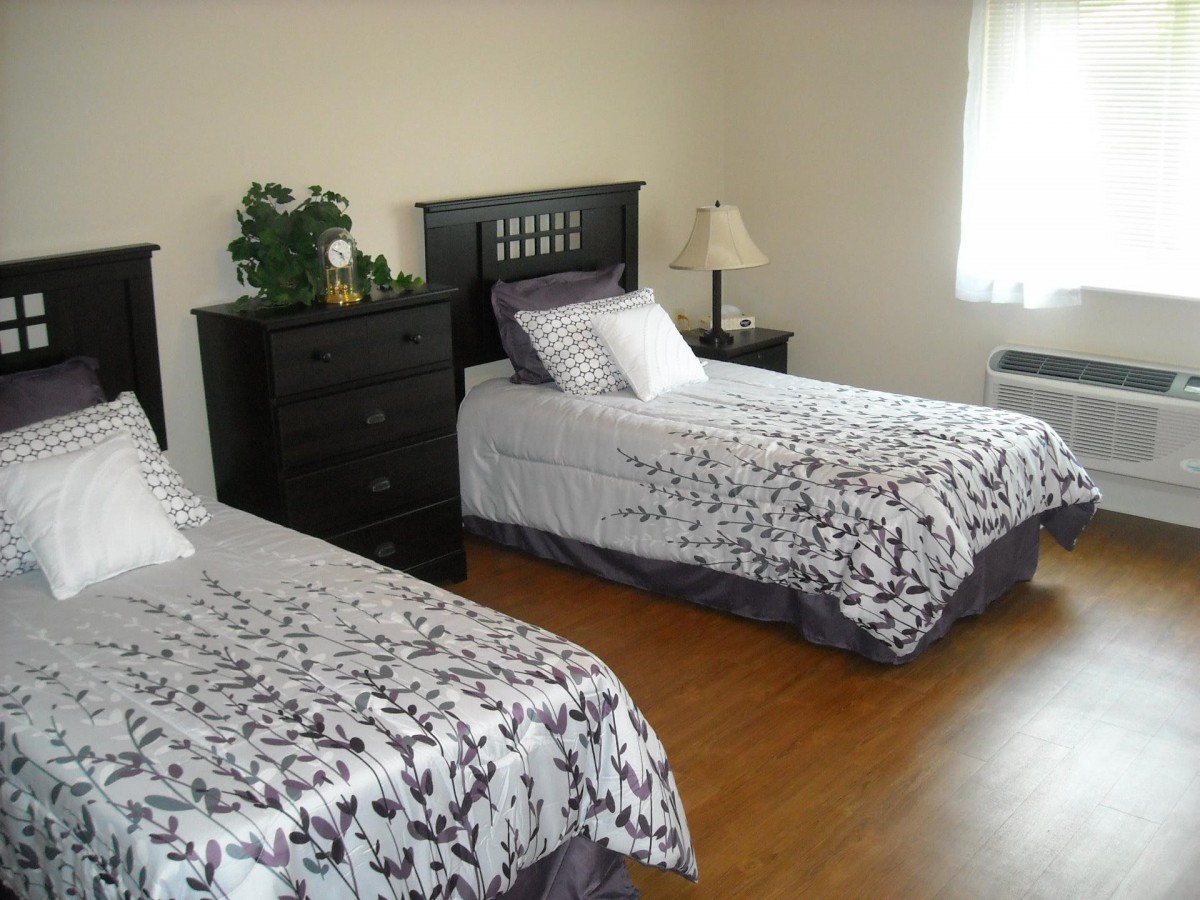
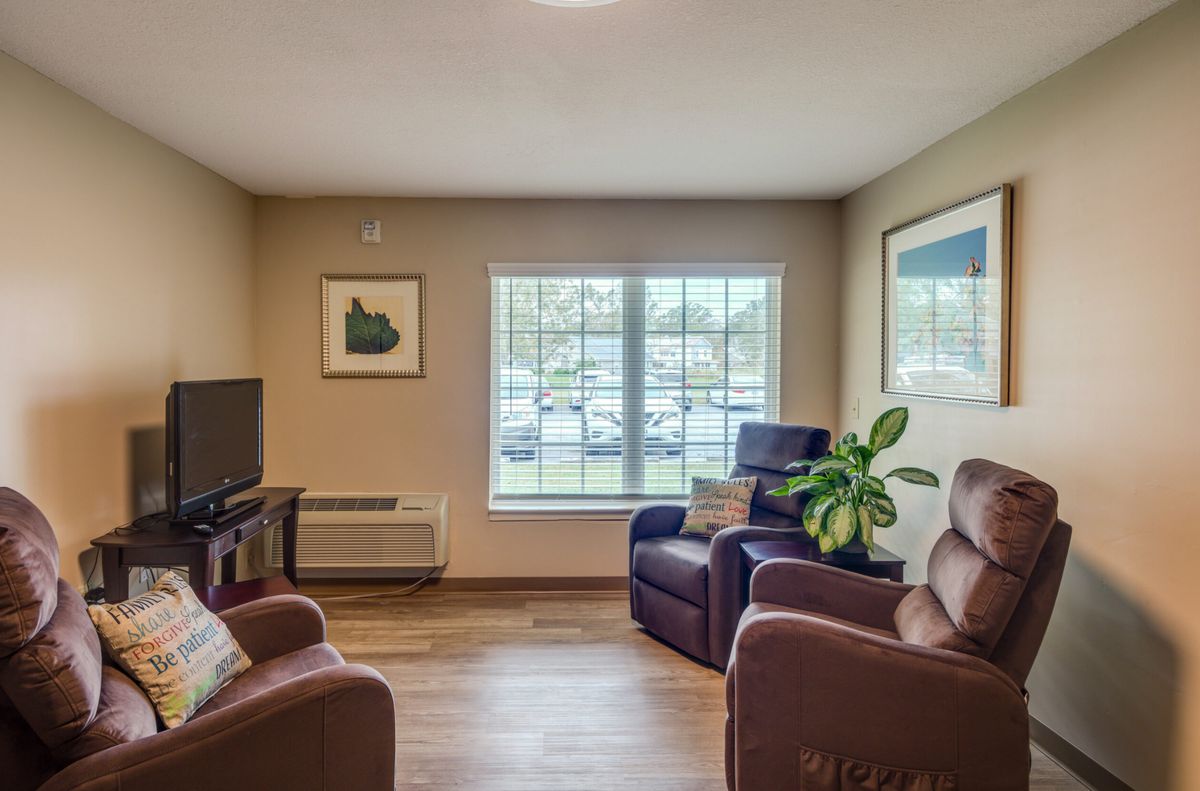
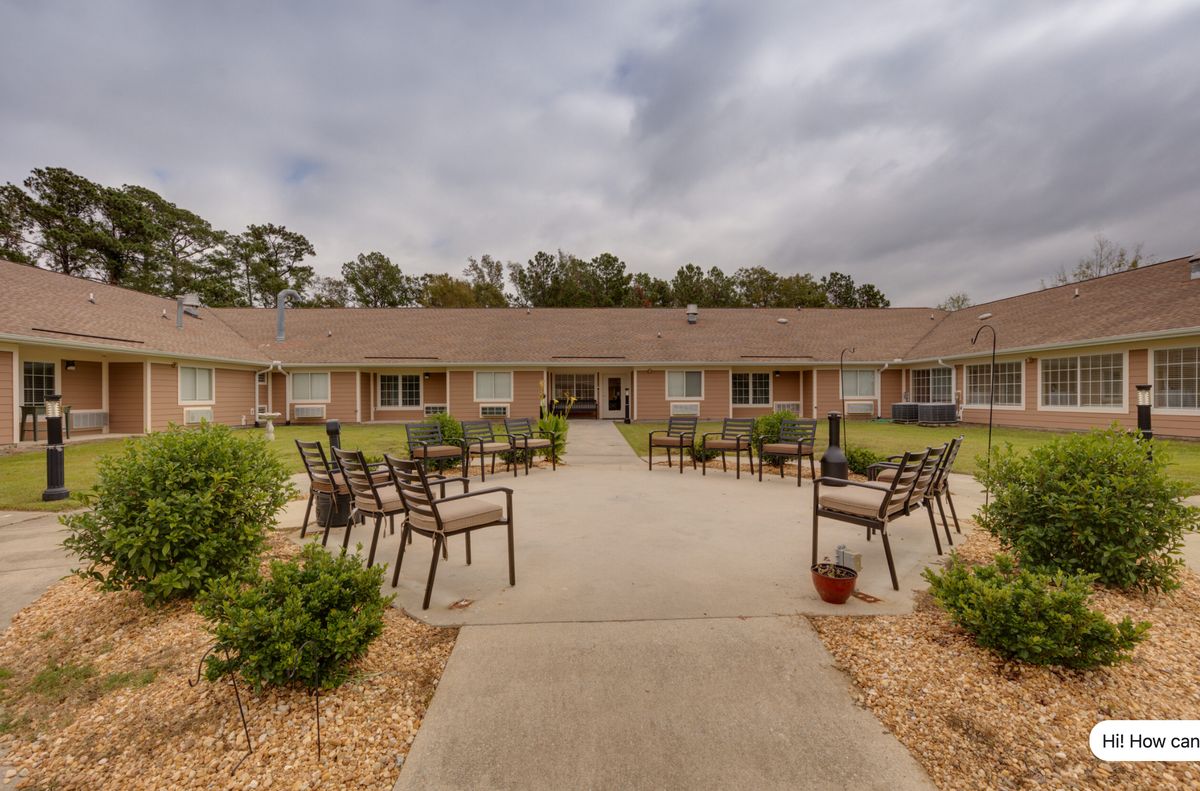
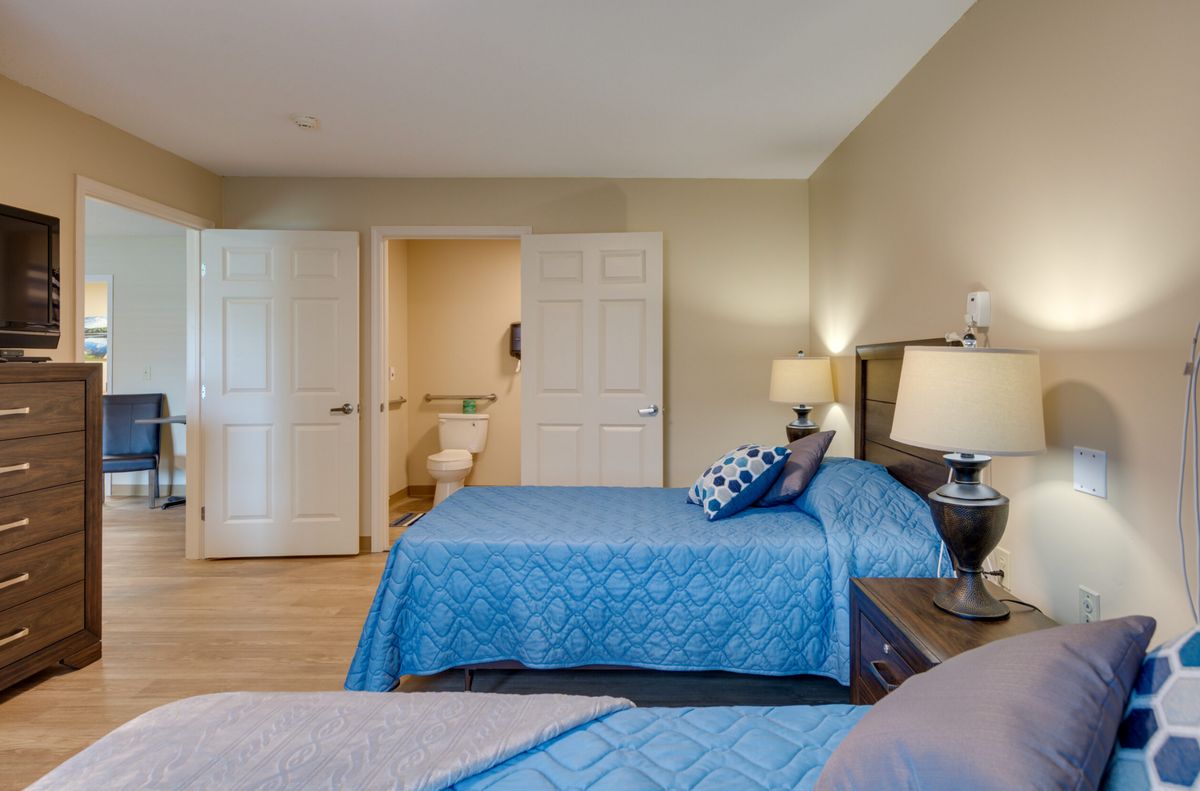
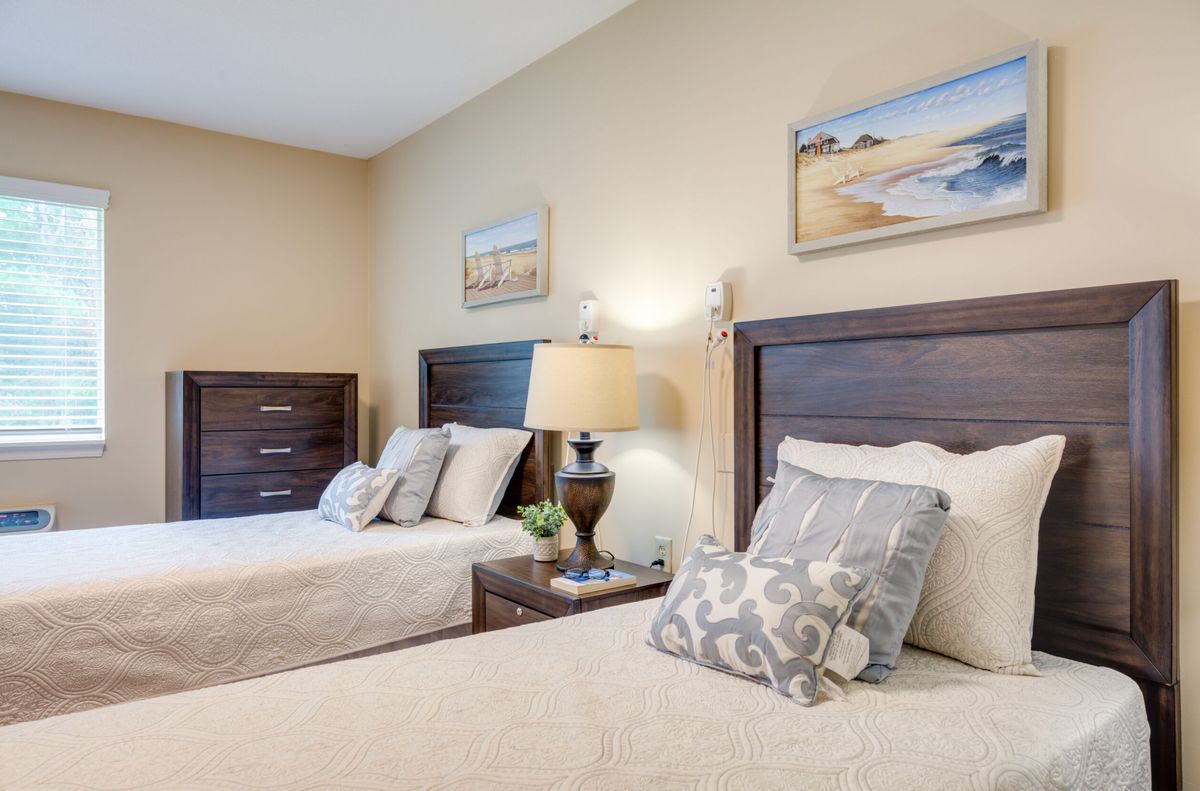
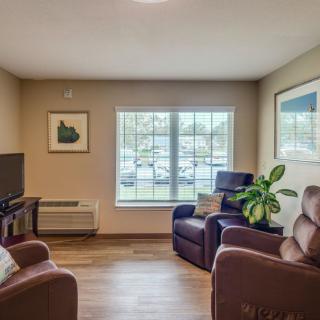
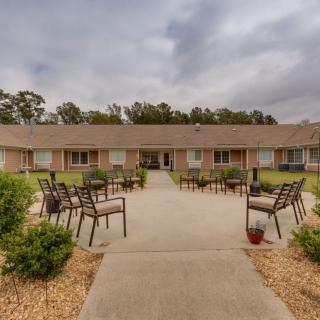
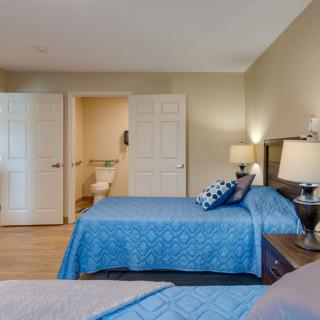
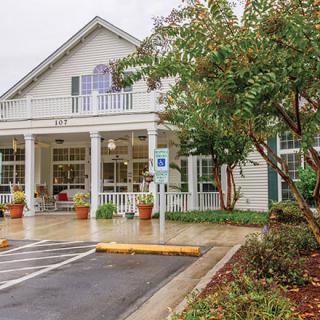
The strongest defenses Carteret House offers lie in its proven moments of quality care and the hope of stable leadership. Positive reports highlight a friendly administrator who genuinely cares for residents, care that feels unmatched when performed well, and staff who function as a coherent team. Visibly clean spaces, well-maintained two-bedroom suites with shared living areas, and appealing menus and activities create a compelling living experience. Notably, when Melissa Arnold and her team have been at the helm, the facility has been described as clean, fully staffed, and respectful of residents, with hospice teams going above and beyond. These elements demonstrate what the community can deliver at its best.
However, the cons are persistent and not easily dismissed. Recurrent stories describe serious lapses in medication handling, with residents suffering or the perception of unsafety when meds are mishandled or left accessible. Communications failures, between staff, families, and doctors, appear frequently, including delays in status updates and unclear contact protocols. Reports of safety concerns, such as alarms being compromised or fires, alongside allegations of management directing changes without family notification, create a climate of mistrust for some families. The presence of these issues, especially when paired with high staff turnover, undermines confidence and raises red flags for anyone unable or unwilling to supervise every detail closely.
The key to Carteret House’s viability rests on leadership steadiness and disciplined operations. When management is strong and procedures are clear, the advantages, caring staff, resident warmth, tangible comfort, and a vibrant activity schedule, can outweigh the risks. Families that demand transparent medication management, reliable communication, and consistent staffing will find that monitoring these facets is essential. Prospective residents should seek current information about the present administrator, confirm the facility’s med-pass processes, request recent audit or regulatory results, and insist on a fixed, predictable point of contact for family updates. A proactive oversight plan can make the most of Carteret House’s strengths while guarding against its vulnerabilities.
In the end, Carteret House represents a practical, well-intentioned option for seniors who value a homey atmosphere and personal attention, provided the leadership is stable and the care team maintains rigorous medication safety and open communication. For families willing to engage actively, maintaining oversight, asking pointed questions, and demanding consistent adherence to doctors’ orders, this community can deliver meaningful, compassionate care that relieves a substantial caregiving burden. If the conditions above cannot be met, or if a stricter guarantee of med management and family communication is non-negotiable, alternative communities with documented, uninterrupted performance in those domains should be pursued.
 64 resident community capacity
 Studio apartments
 Assisted Living
 Memory Care
 Activities off-site
 Air-conditioning
 Beautician on-site
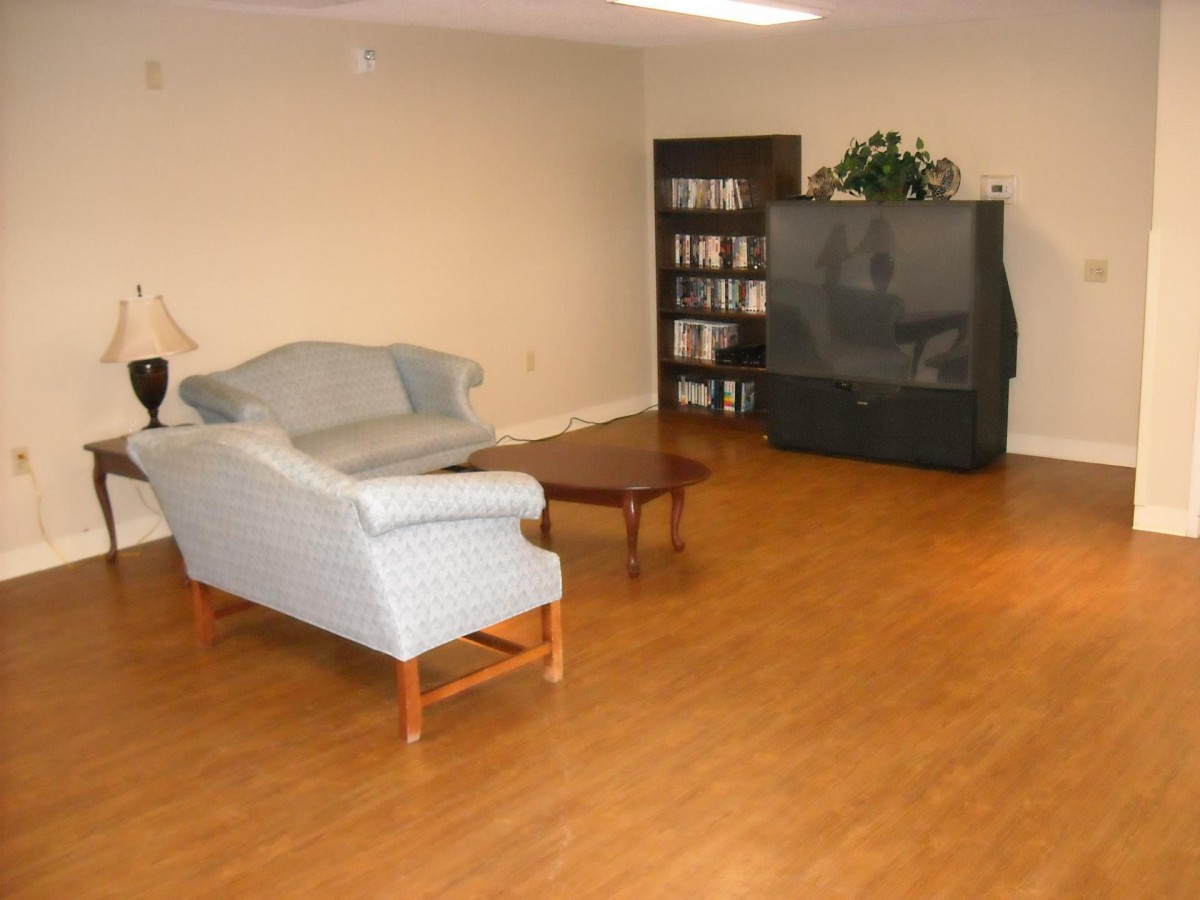
 Cable or satellite TV
 Computer center
 Devotional services off-site
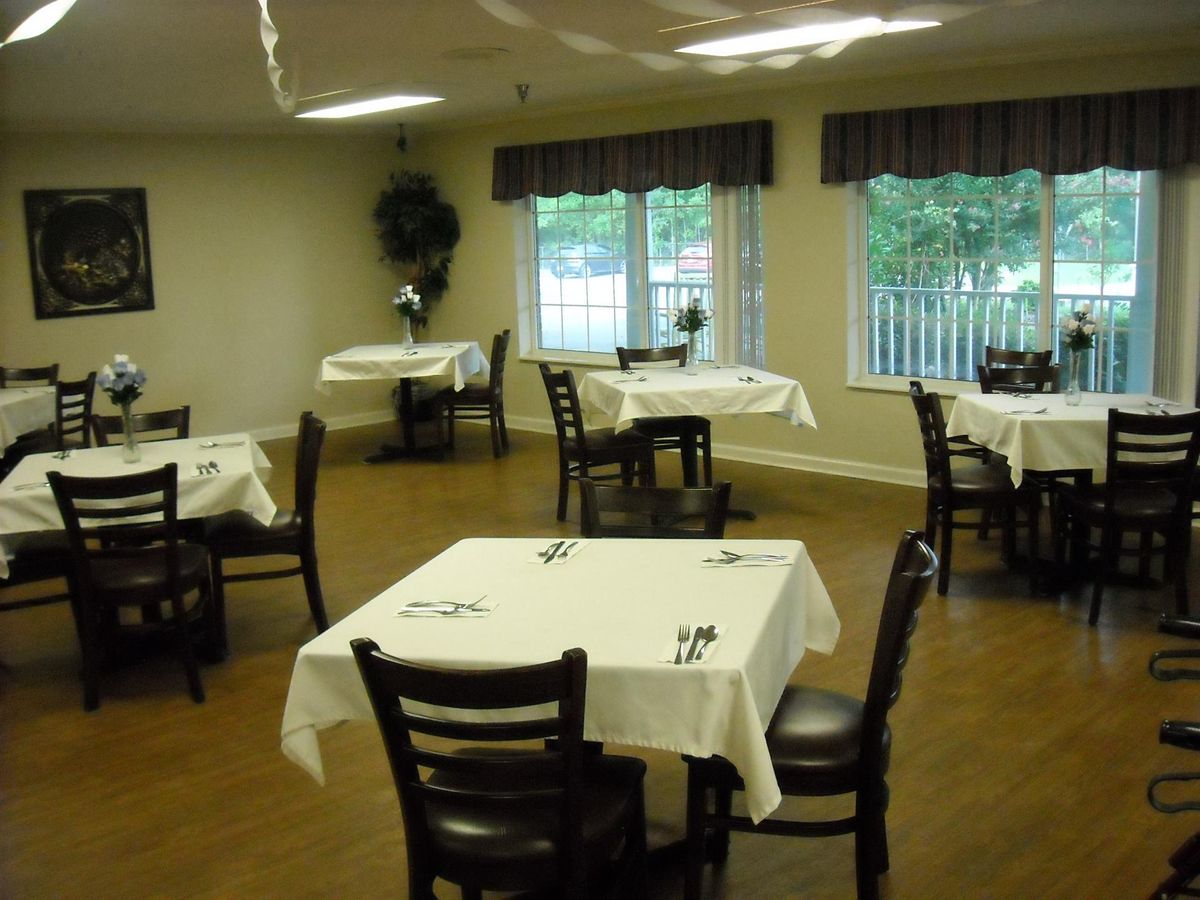
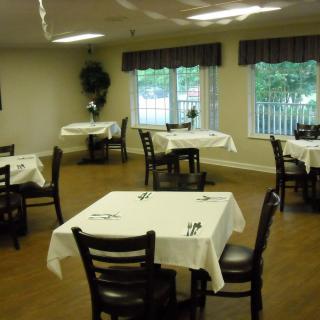
 Dining room
 Fitness room
 Fully furnished
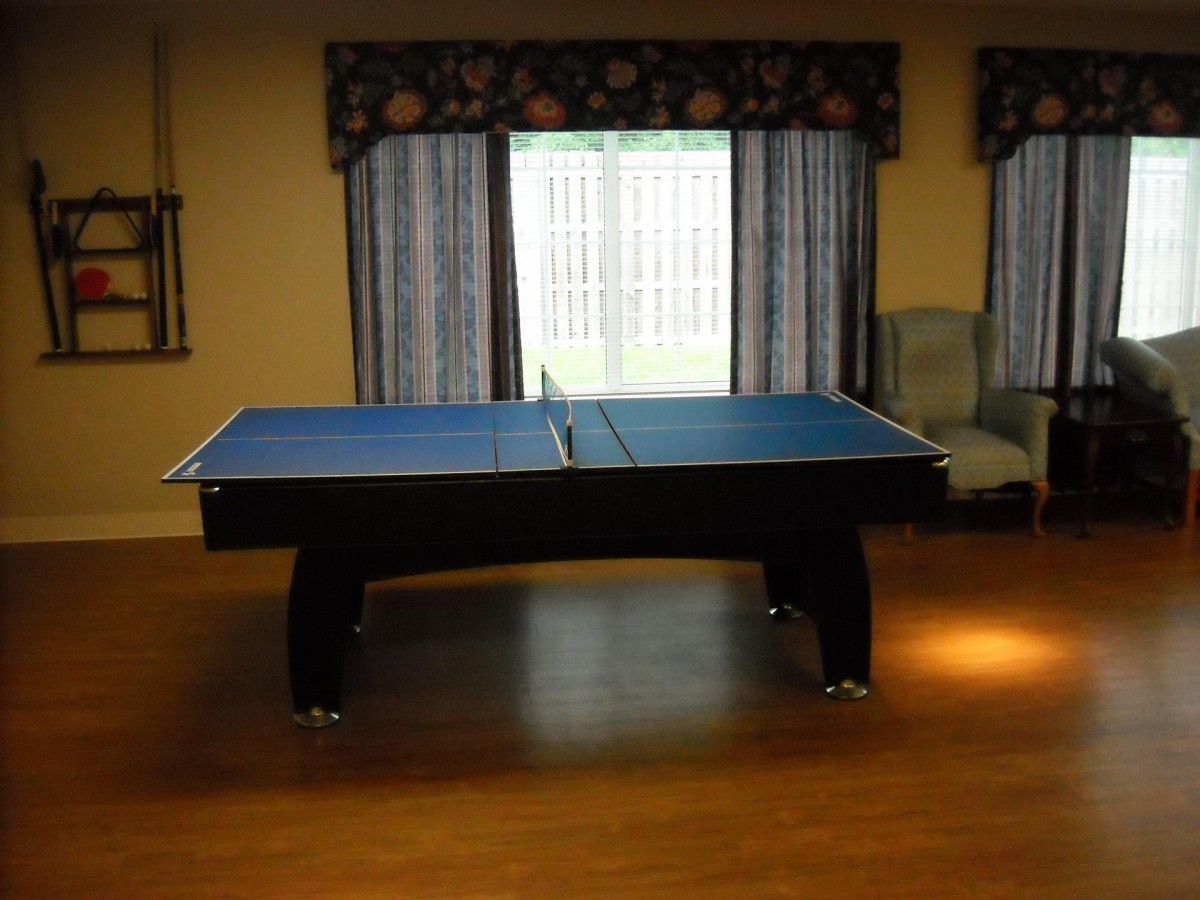
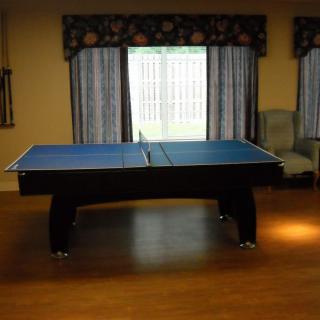
 Gaming room
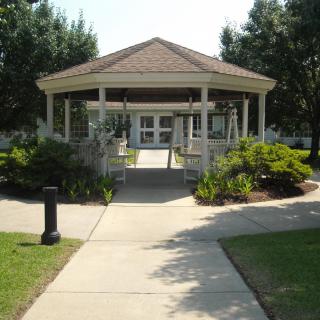
 Garden
 Ground floor units
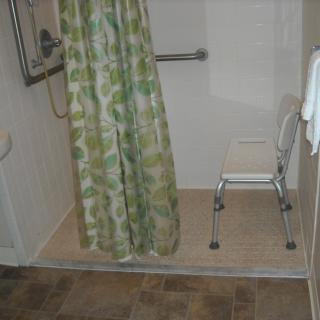
 Handicap accessible
 Housekeeping services
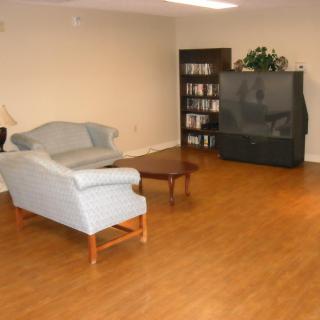
 Indoor common areas
 Kitchenette
 Laundry
 Move-in coordination
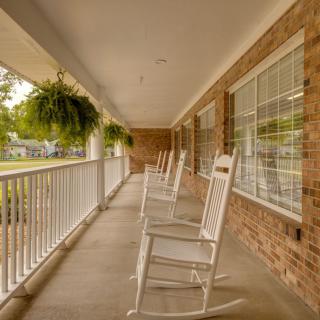
 Outdoor common areas
 Private bathrooms
 Respite or short term stays offered
 Restaurant-style dining
 Small library
 Spa
Spa Telephone
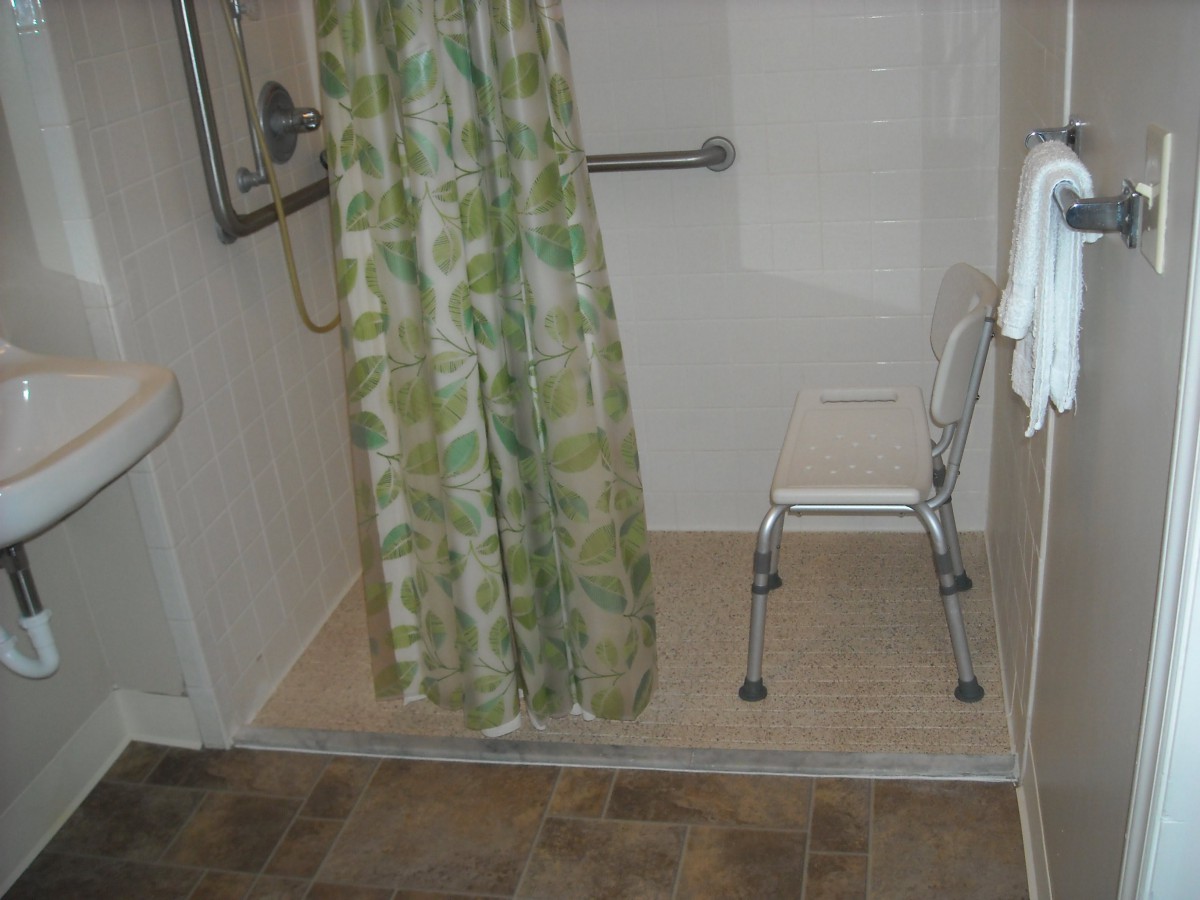
 Wheelchair accessible showers
 Wi-Fi/high-speed internet available
 Craven County Regional (22 miles away)
 Community operated transportation
 12-16 hour nursing
 24-hour call system
 Ambulatory care
 Assistance with bathing
 Assistance with dressing
 Assistance with transfers
 Diabetes diet
 Diabetic care
 Incontinence care
 Medication management
 Mental wellness program
 Special dietary restrictions
 Art classes
 BBQs or picnics
 Birthday parties
 Brain fitness
 Concierge services
 Day trips and outings
 Educational speakers / life long learning
 Games
Games Karaoke
 Live musical performances
 Trivia games
 Wii bowling
 English

 Dementia-Related Hallucinations: Causes, Experiences, and Practical Approaches
 Illuminating Insights About Alzheimer's Disease: Ten Crucial Realities
 A Thorough Discussion of Medications Potentially Linked to Dementia Risk