
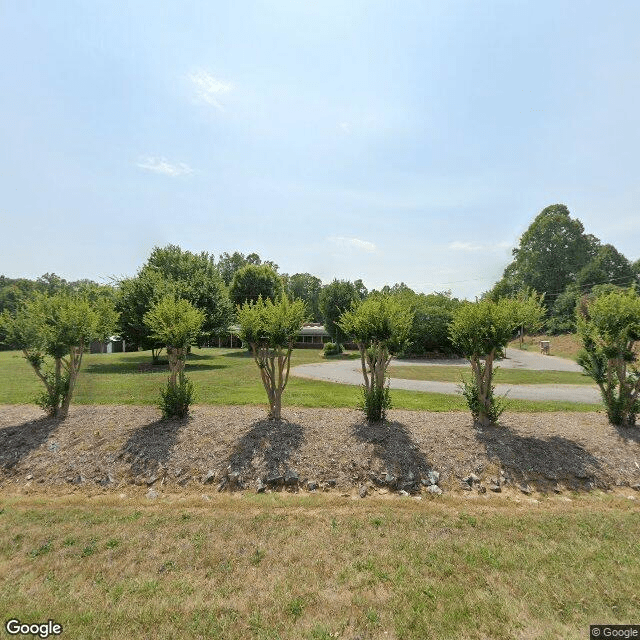
3806 Kathy Rd, Morganton, NC 28655
To contact a resident: (828) 584-4513
For more information about senior living options: (866) 208-4318
Overall Review of McAlpine Adult Care
Pros
 None found in the provided reviews.
Cons
 Bed bugs were present.
- The staff lack any degree or certification to care for people.
- It is a nasty place, and the operators should be fired.
- It is described as the absolutely filthiest place the reviewer has ever been in.
- Sheets were never changed during the resident’s stay and bore brown bodily prints.
- A communal bathroom had feces on walls and floors, still there two weeks later.
- The state should investigate; a surprise inspection was needed.
- The same family operates another facility nearby; they should not be allowed to own a dog.
- Conditions were filthy and the staff showed ineptitude, with no concern for patients’ welfare; residents had to buy coffee and ice and were served only one meal a day.
Review
McAlpine Adult Care in Morganton, NC is best seen as a last-resort option for families with almost no other affordable alternatives, and only if there is an unwavering commitment to aggressive external oversight. In practical terms, this community is suited for those who can tolerate ongoing monitoring, frequent complaint escalation, and the likelihood that basic cleanliness and safety may require constant, hands-on intervention from family members or outside agencies. It is not a match for anyone who expects reliable daily care, professional staffing, or sanitary conditions without continual scrutiny.
Those weighing alternatives should consider dramatically stronger options for anyone who prioritizes hygiene, trained caregiving, and transparent accountability. The consensus in recent feedback centers on severe, systemic problems: beds, sheets, and bathrooms that show signs of neglect; residents far more likely to be exposed to unsanitary conditions than to receive consistent, attentive care; and questions about the qualifications of staff responsible for daily wellbeing. When a facility is described as filthy, with feces in communal areas and repeatedly unaddressed maintenance and cleanliness issues, the risk profile becomes unacceptable for most families seeking even modest levels of safety and dignity.
There are virtually no clear, credible pros documented in the available reviews to balance these serious concerns. A single high rating exists, but it stands in direct contrast to the overwhelming negative testimony from multiple sources. Without verifiable evidence of quality staffing, reliable housekeeping, nutritious and appropriately portioned meals, or proactive management, any potential benefits remain unproven and insufficient to justify exposure to the risks described. In short, the “upsides” fail to offset the dominant, well-attested deficiencies.
The main cons are explicit and persistent: chronic unsanitary conditions, including dirty sheets and a bathroom space that residents and visitors have encountered with fecal matter present over extended periods; bed bugs and a conspicuous lack of oversight in patient care, as described by families who observed or experienced neglect. The staff appears to lack clearly documented qualifications or credentials, and there is pervasive dissatisfaction with how care is delivered and overseen. The combination of alleged leadership issues, highlighted by references to family ownership of another facility and calls for inspections, further undermines trust in the ability to deliver consistent, safe care.
If this option remains under consideration, it is essential to pursue aggressive due diligence: request the most recent state licensure and inspection reports, seek direct conversations with front-line staff about training and supervision, and speak with multiple residents’ families about daily routines, meal quality, and response times to needs. Unannounced visits should become routine, with particular attention paid to housekeeping schedules, laundry practices, incident logs, and the handling of medications. Clarify staffing levels per shift, credentialing, ongoing training, and the facility’s plan to remediate the chronic sanitation and care gaps highlighted by the reviews.
Bottom line: this community is not a viable default choice for most seniors or families who expect safe, clean, and competently staffed living. It is a last-resort option that requires a level of direct family involvement and external oversight that far exceeds what is reasonable in a typical assisted-living decision. For families able to access better-managed facilities with verifiable standards, those options should be pursued first. Only if no alternatives exist and a robust plan for ongoing oversight is in place should McAlpine Adult Care be seriously contemplated, and even then, with a clear, documented commitment from consistent inspectors, advocates, and paying families to ensure basic dignity and safety are preserved.
 60 resident community capacity
 Assisted Living
 Activities on-site
 Air-conditioning
 Beauty salon
 Cable or satellite TV
 Computer center
 Devotional services off-site
 Dining room
 Fitness room
 Fully furnished
 Gaming room
 Garden
 Housekeeping services
 Indoor common areas
 Kitchenette
 Move-in coordination
 Outdoor space
 Private bathrooms
 Restaurant-style dining
 Small library
 Telephone
 Wellness center
 Wi-Fi/high-speed internet available
 Community operated transportation
 12-16 hour nursing
 24-hour call system
 Ambulatory care
 Assistance with bathing
 Assistance with dressing
 Assistance with transfers
 Diabetes diet
 Diabetic care
 Medication management
 Mental wellness program
 Special dietary restrictions
 Concierge services
 Planned day trips


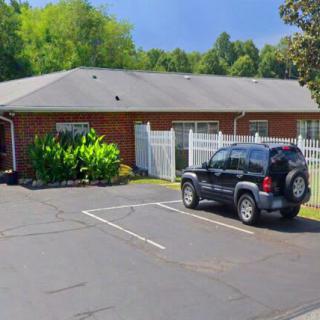

 When to Transition from Assisted Living to Memory Care: Key Indicators, Steps, and Finding the Right Community
 Assisted Living and Memory Care: Understanding Their Core Differences
 Beyond the Bingo Hall: 50+ Enriching Activities for Seniors in Assisted Living