
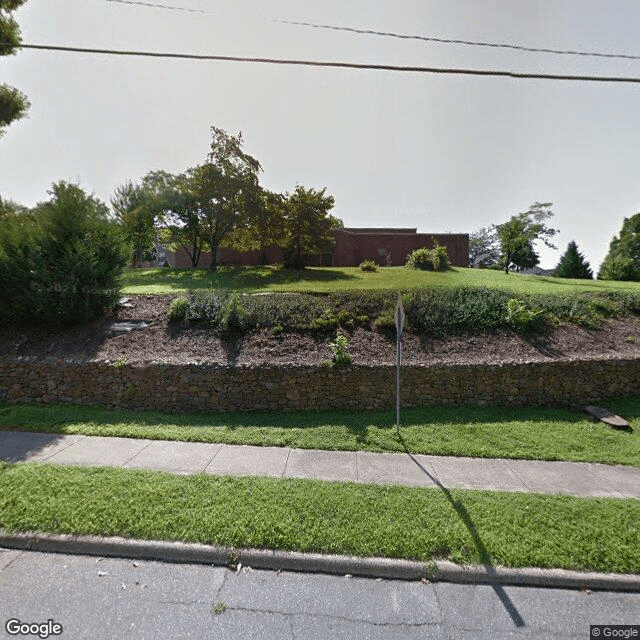
120 Fleming Avenue, Marion, NC 28752
For more information about senior living options: (866) 208-4318
Overall Review of Rose Hill Retirement Community
Pros
 Rose Hill provides outstanding care for residents.
- Caregivers at Rose Hill show genuine affection and attentiveness, helping with appointments and daily needs.
- The in-house beauty parlor and thoughtful medication reminders contribute to residents' well-being.
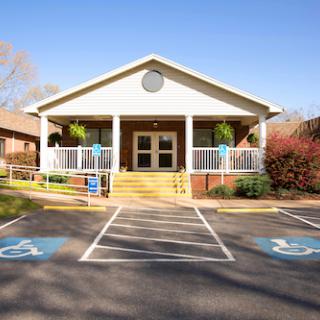
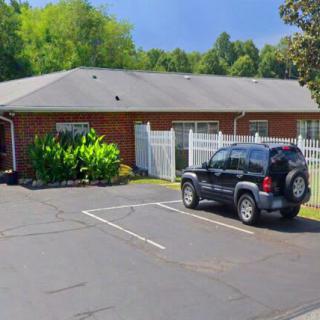
- The facility offers large private rooms and a home-like ambiance with period-style decor that makes residents feel at home.
- The staff consistently goes above and beyond to work with families and address concerns.
- The meals at Rose Hill are well-liked, with variety and appealing presentation, and staff assist residents with eating when needed.
- The facility is clean, and staff interactions with residents are loving and respectful.
- The care team at Rose Hill adapts to changing needs and remains professional, creating positive experiences for residents and families.
Cons
 The food was not that great.
- The staff were rude.
- The bosses would short employees’ checks and burn them out with work.
- They didn’t care about the care of the residents nor staff.
- They prioritized occupancy and their own wealth (cars and big houses) over resident care.
- The place had many faults that people don’t see.
- Due to COVID, a lot of programs were cut.
Review
Rose Hill Retirement Community in Marion, NC is best suited for families seeking a warm, home-like environment where caregivers know residents well and private rooms, flexible care plans, and a hands-on staff approach drive daily life. The setting favors relationship-based care over flashy modernity, with decor that feels nostalgic and comforting, designed to make residents and visiting families feel at home. It is not a good fit for those chasing hospital-like efficiency, crystalline corporate standardization, or cutting-edge amenities. For families who want a newer building, highly structured programming, or ultra-polished dining rooms, alternatives may serve better.
The strongest selling points center on personalized attention and family involvement. Caregivers are praised for developing meaningful connections, helping with medications, assisting meals, and coordinating with physicians. Residents have the option of private rooms, which enhances dignity and privacy, and the on-site dining, plus an in-house beauty parlor, reinforce everyday normalcy. Safety considerations are addressed with a floor design that limits access for residents at risk of wandering, and the overall cleanliness and home-like atmosphere further cement a sense of stability. When soil-run management and staff culture align, these elements translate into tangible daily reliability and a quieter, more predictable routine for many residents.
Yet, cautions are real and recurring. Several reviews allege that leadership prioritizes occupancy and financial goals over the quality of care, with claims of underpayment and staff burnout. That perception matters because it can color the consistency of care across shifts and days. Food, though enjoyable for some, is not universally praised, and there are notes about room for more menu variety. The building’s age is a double-edged sword: while the antiques and traditional decor create a comforting, homey vibe, some families will view it as a sign of outdated facilities or limited modernization. In short, care quality can be excellent in moments and uneven in others, largely tied to which staff are on duty and how closely the administration remains aligned with resident needs.
For residents with dementia or cognitive challenges, Rose Hill’s approach to safety and personalized care can be particularly beneficial. The care team’s attention to histories and routines supports steady days, smoother doctor visits, and consistent medication reminders. Families repeatedly hear about staff who treat residents with the respect and warmth they deserve, reinforcing a sense of dignity during the aging process. However, the same staffing variability that affects general care can also influence how consistently those dementia-focused routines are maintained from shift to shift, so prospective residents should confirm who is primarily responsible for their loved one and request ongoing updates.
In weighing the pros against the cons, Rose Hill delivers meaningful benefits for a specific type of buyer. When the priority is genuine caregiver engagement, a private room, and a facility that feels like home, the positives often outpace the negatives. The ability to tailor plans as needs evolve, the partnership with families, and the practical comforts of meals, medications, and social engagement create noticeable value. The risk lies in potential inconsistencies stemming from staffing and leadership priorities, which can undermine reliability if not actively managed. Families should enter with a plan to verify staffing stability, request written care protocols, and observe multiple shifts during tours to gauge consistency.
Ultimately, Rose Hill stands as a practical, compassionate option for those who prize a homey atmosphere and individualized, hands-on care and are comfortable navigating potential variability in staffing and facility modernization. For households seeking a more modern, uniformly staffed, or highly structured environment, alternatives, ranging from newer privately run communities to larger corporate operators, may offer clearer predictability and polish. The recommended path is a thorough, multi-timed visit paired with candid conversations with direct-care staff and the administrator, a careful review of care plans and pricing, and a clear alignment between expected supervision, activity programming, and the resident’s unique needs. When alignment exists, Rose Hill can be a strong, grounded choice that truly centers the resident’s comfort and well-being.
 87 resident community capacity
 Assisted Living
 Activities on-site
 Air-conditioning
 Beauty salon
 Cable or satellite TV
 Computer center
 Devotional services off-site
 Dining room
 Fitness room
 Fully furnished
 Gaming room
 Garden
 Housekeeping services
 Indoor common areas
 Kitchenette
 Move-in coordination
 Outdoor space
 Private bathrooms
 Restaurant-style dining
 Small library
 Telephone
 Wellness center
 Wi-Fi/high-speed internet available
 Community operated transportation
 12-16 hour nursing
 24-hour call system
 Ambulatory care
 Assistance with bathing
 Assistance with dressing
 Assistance with transfers
 Diabetes diet
 Diabetic care
 Medication management
 Mental wellness program
 Special dietary restrictions
 Concierge services
 Planned day trips


 Understanding Medicaid Coverage for Assisted Living: A Comprehensive Guide
 How and When Medicaid May Cover Assisted Living Costs
 A Detailed Exploration of Assisted Living Medicaid Waivers Across the United States