
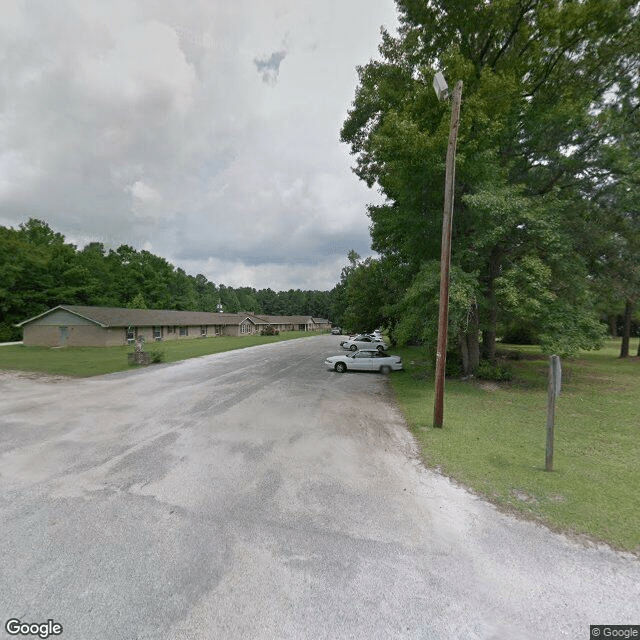
206 Wananish Avenue, Lake Waccamaw, NC 28450
For more information about senior living options: (866) 208-4318
Lake Pointe Assisted Living Costs & Pricing
Lake Pointe Assisted Living offers competitive pricing compared to the broader market in Columbus County and the state of North Carolina. For a semi-private room, residents can expect to pay $1,875 per month, which is significantly lower than the county average of $2,318 and the state average of $3,584. Similarly, for those seeking a studio apartment, Lake Pointe's rate of $2,595 not only provides a more affordable option than the county's average of $3,246 but also stands in sharp contrast to the higher state average of $4,020. This makes Lake Pointe Assisted Living an attractive choice for individuals looking for quality care without compromising on their budget.
| Floor plans | Lake Pointe Assisted Living | Columbus County | North Carolina |
|---|---|---|---|
| Semi-Private | $1,875 | $2,318 | $3,584 |
| Studio | $2,595 | $3,246 | $4,020 |
Assisted Living communities with a similar price nearby
-
from +$125 / mo

Liberty Hill Family Care
$2,000 / month10.0 miles away -
from +$275 / mo
West Bladen Assisted Living
$2,150 to $2,900 / month21.5 miles away -
from +$350 / mo
Shallotte Assisted Living, Inc.
$2,225 to $3,253 / month24.4 miles away
Overall Review of Lake Pointe Assisted Living
Pros
 The facility is appealing when first entering.
- The staff greeted visitors with smiles.
- The staff was helpful with restaurant recommendations.
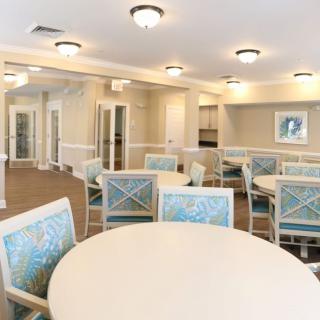
- The common areas featured nice, clean furniture and looked new.
- The decor was autumn-inspired.
- There were engaging activities with residents in the dining room and common areas.
- There were planned activities and a day trip to attend the Pow Wow.
- Lake Shores Lodge B&B was wonderful as lodging.
- Dales Seafood was excellent.
- The facility could potentially be a place for Mom and Dad.
Cons
 The facility initially appears appealing, but the rooms cause the heart to sink.
- The facility is in need of a serious and overdue facelift.
- The room walls need painting; new furniture is a must.
- The room furniture is old, mismatched, and unattractive.
- Old linen appears to be used.
- The room's atmosphere is sad.
- It is not a place for Mom or Dad.
Review
Lake Pointe Assisted Living is best suited for seniors who prize social engagement, resident activity, and a warm, welcoming staff over pristine private rooms. The community demonstrates genuine warmth in its common spaces and dining areas, with staff often observed leading activities, greeting visitors, and coordinating outings. For families seeking a lively, people-centered environment where mobility and participation are encouraged, this layout can feel like the right fit. The balance tips toward the social fabric and staff attentiveness, not toward showroom quality on the resident side of the door.
Those who should consider alternatives are residents who insist on consistently fresh, updated living quarters and a polished overall aesthetic. The most explicit drawbacks center on the private rooms: walls needing paint, furniture appearing old and mismatched, and linens that read as tired rather than fresh. Such conditions can erode a sense of privacy, dignity, and comfort over time, particularly for residents accustomed to a more modern or homier private space. Families with expectations for a consistently bright, move-in-ready interior should widen the search to communities that emphasize ongoing capital improvements and more uniform interior design.
On balance, the pros in this community do a credible job of offsetting some of the major cons, at least in the short term. The entrance and common areas look inviting, with decor that feels cared for and a dining room that is attractive and well-used. Observations of staff actively engaging residents in activities, the pleasant demeanor of caregivers, and the presence of planned excursions (including day trips) point to a resident life that can combat isolation and boredom. For families prioritizing social fulfillment and meaningful daily structure, these strengths can translate into improved mood and a sense of belonging.
Yet the contrast between public spaces and private rooms cannot be ignored. For a resident who spends a good portion of each day in their own room, the outdated furnishings, potential linen issues, and the overall “needs updating” impression become tangible drawbacks. The sentiment from some visitors, describing the room environment as sad or in need of a face-lift, illustrates a friction between a welcoming public persona and a less inspiring private setting. When considering long-term placement, this dynamic matters: the warmth of staff and activities may not fully compensate for a resident’s enduring longing for a comfortable, attractive personal space.
Practical decision-making hinges on a few concrete steps. Prospective families should verify whether renovations are planned and, if so, the timeline and scope for room updates, furniture refreshes, and linen quality. In discussions with staff, probe not only for activity calendars but also for caregiver-to-resident ratios, consistency of daily routines, and the availability of transportation for off-site outings. Tour at different times of day to see whether the lively atmosphere persists beyond mealtimes and post-dinner periods. And talk to current residents and families about the sense of pride in their personal rooms and overall living environment, not just the common areas.
The bottom line is practical: Lake Pointe Assisted Living serves best as a choice for families that place a premium on social vitality, attentive staff, and opportunities for involvement in outings and activities. If the priority is a consistently updated interior and a brighter, more contemporary private room, alternatives should be pursued. Barring a robust interior refresh, it remains a community with real strengths in engagement and warmth, but those strengths must be weighed against the persistent gaps in private-space quality when making the final decision.
 80 resident community capacity
 Assisted Living
 Activities on-site
 Air-conditioning
 Beauty salon
 Cable or satellite TV
 Computer center
 Devotional services off-site
 Dining room
 Fitness room
 Fully furnished
 Gaming room
 Garden
 Housekeeping services
 Indoor common areas
 Kitchenette
 Move-in coordination
 Outdoor space
 Private bathrooms
 Respite or short term stays offered
 Restaurant-style dining
 Small library
 Telephone
 Wellness center
 Wi-Fi/high-speed internet available
 Community operated transportation
 12-16 hour nursing
 24-hour call system
 Ambulatory care
 Assistance with bathing
 Assistance with dressing
 Assistance with transfers
 Diabetes diet
 Diabetic care
 Medication management
 Mental wellness program
 Special dietary restrictions
 Concierge services
 Planned day trips


 Choosing the Right Senior Care: A Detailed Exploration of Assisted Living and Nursing Homes
 Understanding the True Cost of Assisted Living in 2025: A Comprehensive Guide
 Understanding Medicaid Coverage for Assisted Living: A Comprehensive Guide