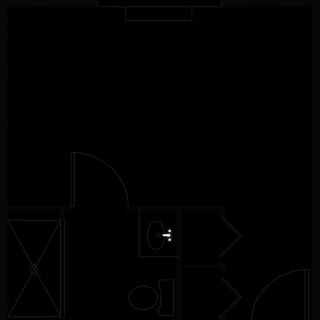
The Addison of Knightdale Costs & Pricing
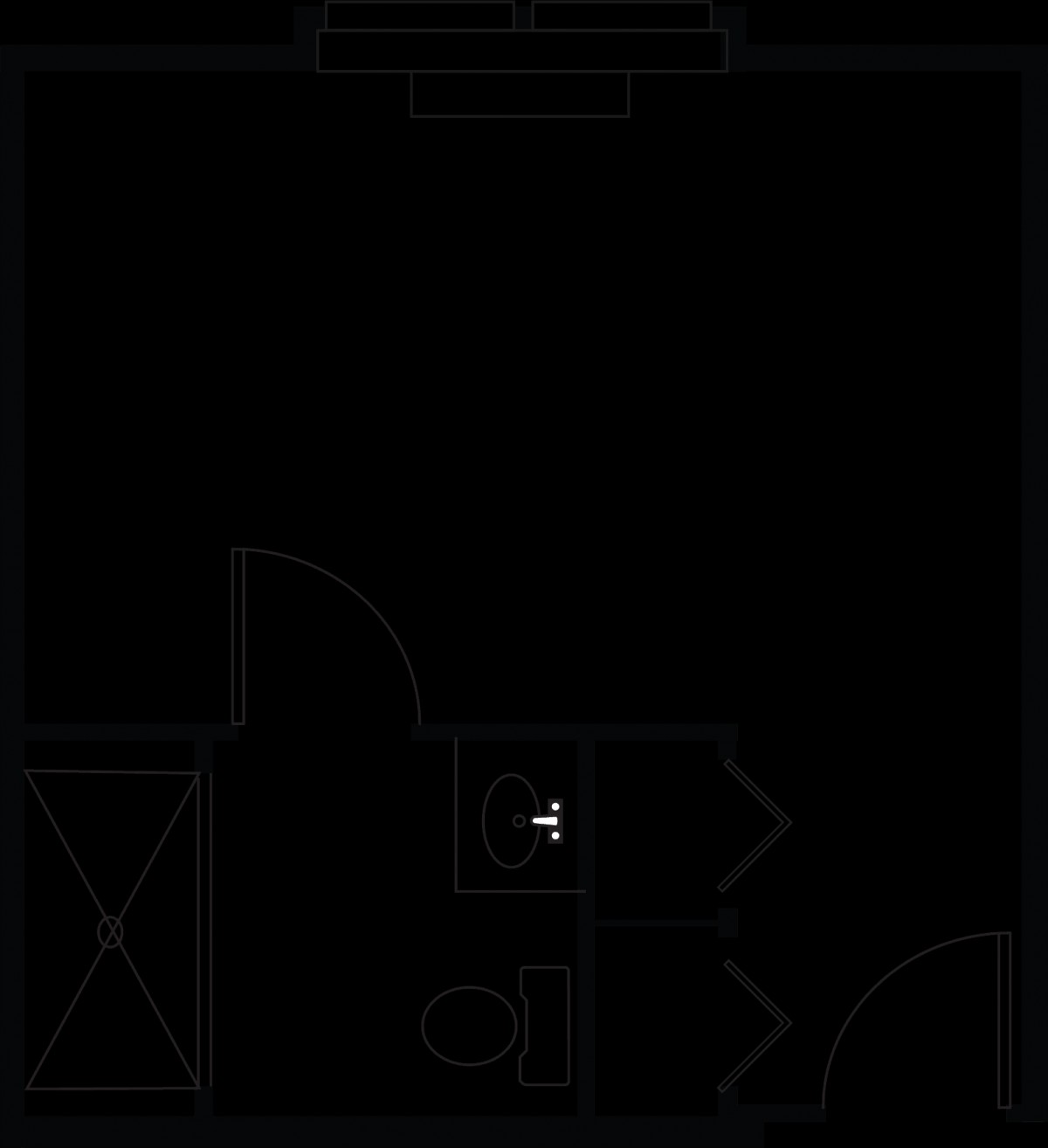
At The Addison of Knightdale, the monthly costs for various room types present a compelling value compared to Wake County and the broader North Carolina market. For a private room, residents pay $3,451, which is significantly lower than the county average of $4,658 and undercuts the state average of $4,425. The semi-private option is priced at $3,900, also providing substantial savings over Wake County's rate of $4,391 while remaining competitive against North Carolina's average of $3,584. In addition, the studio rental at The Addison is set at $4,800 - comparable to Wake County's rate but notably higher than North Carolina's average. Lastly, for those considering a one-bedroom accommodation, The Addison's pricing of $6,400 stands out as higher than both county and state averages but reflects the quality and specialized services offered. Overall, The Addison of Knightdale offers attractive pricing options in many categories while reflecting its commitment to providing exceptional care and amenities for its residents.
| Floor plans | The Addison of Knightdale | Wake County | North Carolina |
|---|
| Private | $3,451 | $4,658 | $4,425 |
| Semi-Private | $3,900 | $4,391 | $3,584 |
| Studio | $4,800 | $4,757 | $4,020 |
| 1 Bedroom | $6,400 | $4,996 | $4,055 |
Memory care communities with a similar price nearby
-
from +$609 / mo
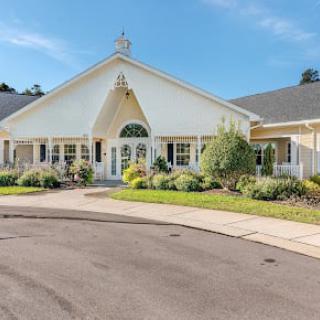
Cadence at North Raleigh
$4,060 to $7,490 / month
8.1 miles away
-
from +$319 / mo
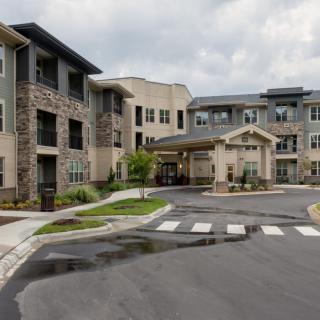
The Reserve at Mills Farm
$3,770 to $5,800 / month
17.5 miles away
-
from +$389 / mo
Avendelle at Waterford Landing
$3,840 to $6,500 / month
2.3 miles away
-
from +$399 / mo
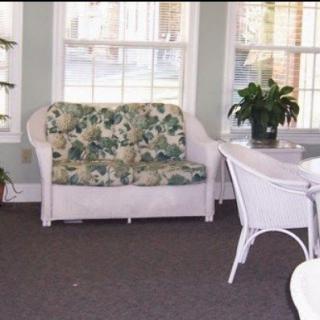
Spring Arbor of Apex
$3,850 to $5,495 / month
19.5 miles away
-
from +$259 / mo
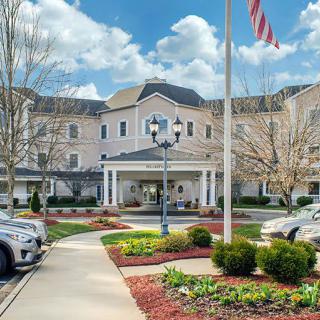
HeartFields at Cary
$3,710 to $6,325 / month
14.8 miles away
Overall Review of The Addison of Knightdale
caveat
7 reviews mention this
Care reliability gets mixed reviews
Some residents report serious problems with nursing follow-through and medication care.
A number of reviewers describe situations where medical care did not go as expected, including wound and infection concerns and medication handling problems. Others mention communication gaps around doctor access and documentation, and families describe needing urgent escalations to get issues addressed. There are also negative accounts of safety and sanitation details, which contribute to an overall reliability concern for some families.
common
7 reviews mention this
Staff attitude stands out
Many reviewers say the frontline staff are kind, attentive, and responsive to needs.
Across reviews, residents and families frequently describe caregivers as caring, loving, and willing to help with day-to-day needs. Some mention a positive attitude from staff and describe confidence that their loved one is being watched over appropriately. Even in reviews that criticize other parts of the experience, multiple commenters still single out the workers as excellent or very nice.
common
8 reviews mention this
Food quality is a main debate
Dining draws both praise and complaints, with feedback often tied to food appeal.
Several reviewers like the meals, describing them as good, nutritious, and supportive of health-related diets like low-salt or diabetic preferences. Others criticize the food as unappetizing, tasteless despite special diets, or limited in portion size, and some also mention sameness day to day. A few reviews tie their dining opinion to how easily their loved one will eat and to whether alternative choices feel accessible.
common
6 reviews mention this
Activities help residents engage
Activities and outings are frequently described as helping residents stay engaged.
Many reviewers point to scheduled activities, art programs, and social time as something their loved one looks forward to, including Halloween events and community outings. Some also describe an activities director as a positive part of the experience. A smaller number of comments note limitations—such as a period when activities were reduced—along with preferences that lean more toward outings than staying in-group.
caveat
3 reviews mention this
Communication and follow-up disappoint
Some families say they struggle to reach the community and get timely responses.
Several reviewers describe difficulty communicating, including not getting phone responses and needing to go in person to get help. Others mention frustration with lack of help after move-related requests, such as questions around insurance support or refunds. Even among otherwise satisfied families, communication is singled out as an ongoing issue.
caveat
4 reviews mention this
Pricing and room size feel limiting
Reviewers often flag affordability, and some also point to room size constraints.
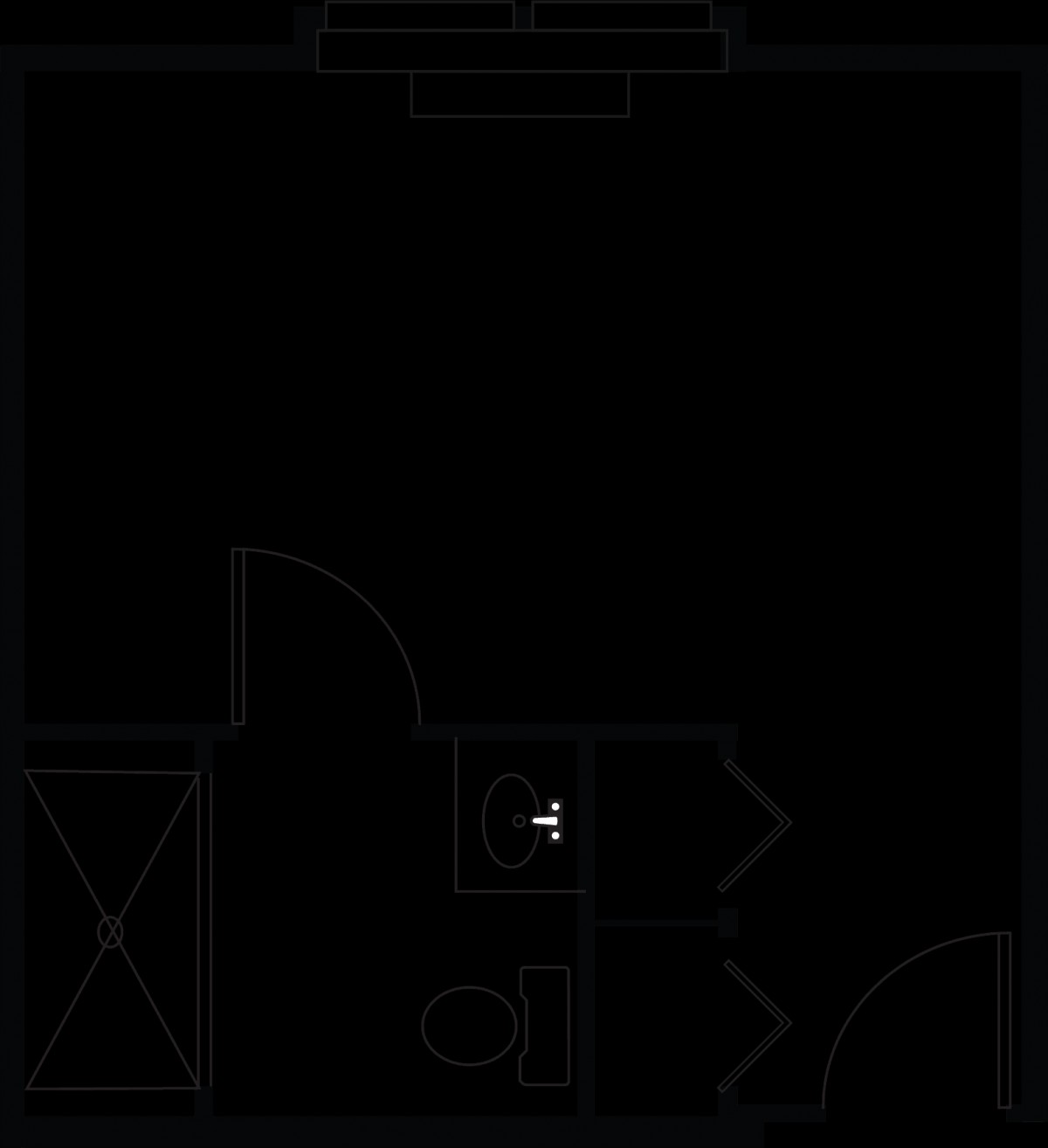
Multiple reviews describe the community as expensive or too costly, and one review adds frustration about money not being returned as expected after a short stay. Room size also comes up, including comments that apartments were smaller than expected or that available space didn’t match what was needed. Together, these factors leave some families feeling the trade-offs aren’t worth the cost.
How we summarize
Counts show how many written reviews mention each theme; a review can touch several themes, and only frequently mentioned themes are displayed.

 96 resident community capacity
 Assisted Living
 Memory Care
 Cats allowed
 Dogs allowed
 Activities off-site
 Air-conditioning
 Beautician on-site
 Cable or satellite TV
 Computer center
 Devotional services off-site
 Dining room
 Fitness room
 Fully furnished
 Gaming room
 Garden
 Housekeeping services
 Indoor common areas
 Kitchenette
 Move-in coordination
 Outdoor common areas
 Outdoor patio
 Private bathrooms
 Respite or short term stays offered
 Restaurant-style dining
 Small library
 Telephone
 Wellness center
 Wheelchair accessible showers
 Wi-Fi/high-speed internet available
 Raleigh-Durham International (17 miles away)
 Community operated transportation
 12-16 hour nursing
 24-hour call system
 Ambulatory care
 Assistance with bathing
 Assistance with dressing
 Assistance with transfers
 Diabetes diet
 Diabetic care
 Incontinence care
 Medication management
 Mental wellness program
 Special dietary restrictions
 Transportation arrangement (medical)
 Art classes
 Concierge services
 Cooking classes
 Day trips and outings
 Educational speakers / life long learning
 Happy hour
 Live dance or theater performances
 Live musical performances
 Wine tasting
 Very affordable pricing below local/state averages; comprehensive memory and diabetes care.

 An In-Depth Look at Reminiscence Therapy in Dementia Care
 Dementia-Related Hallucinations: Causes, Experiences, and Practical Approaches
 Illuminating Insights About Alzheimer's Disease: Ten Crucial Realities