At Grapperhall Family Care Home, the monthly costs for various room types are competitively positioned compared to both Mecklenburg County and the wider North Carolina region. The semi-private room is priced at $3,700, making it more affordable than the county's average of $4,191 and slightly less than the state's average of $3,584. For private accommodations, Grapperhall charges $4,500, which is in line with the county's cost of $4,417 but slightly lower than the statewide average of $4,425. Both studio and one-bedroom options at Grapperhall are set at $4,700; while this exceeds Mecklenburg County's average for studios ($3,941) and one-bedroom units ($3,434), it remains competitive against North Carolina's averages of $4,020 and $4,055 respectively. Overall, Grapperhall provides a range of care options that reflect thoughtful pricing amidst local and regional trends.
Floor plans
Grapperhall Family Care Home
Mecklenburg County
North Carolina
Semi-Private
$3,700
$4,191
$3,584
Private
$4,500
$4,417
$4,425
Studio
$4,700
$3,941
$4,020
1 Bedroom
$4,700
$3,434
$4,055
Memory care communities with a similar price nearby
Residents and families consistently describe staff who are kind, patient, and quick to respond.
Multiple reviews praise the staff for being caring and supportive day to day, including patience with mobility, hearing, and eyesight changes. Several families also highlight responsiveness—especially communication during the pandemic and when concerns came up. While one reviewer had a very negative experience with how staff treated a grandmother, most comments focus on staff as a reason they felt confident about care.
common8 reviews mention this
Clean, well kept spaces
Residents’ families repeatedly mention the community feels clean and well maintained.
Cleanliness comes up often, with reviewers describing the facility as spotless and beautifully decorated, along with comfortable, tidy living areas. A number of comments connect that upkeep with peace of mind, especially during lockdown periods. One negative review focused more on the tour experience than cleanliness, so the recurring cleanliness praise still stands out across the rest of the feedback.
common10 reviews mention this
Plenty of daily activities
Families say residents have meaningful activities and social time built into everyday life.
Reviewers describe a steady flow of activities and engagement, including music programs, group activities, and community life that helps residents stay involved. Some families specifically mention how activities continued during quarantine, including options done from residents’ rooms. Several comments also credit a social director or activity programming for keeping residents busy and happy.
common7 reviews mention this
Memory care and dementia support
Many reviewers mention memory care services and support for dementia needs.
Several reviews reference the memory care unit and describe staff approaches that helped residents adjust, including transitions when higher levels of assistance were needed. Dementia-specific support also appears in feedback about activities and family-facing guidance, including learning and support for caregivers. In a separate visit review, the tour experience was negative, but the overall pattern from resident-family feedback centers on memory care being thoughtfully handled.
caveat3 reviews mention this
A home-like, personal feel
The community’s personal, home-like feel lands well for many, but not for everyone.
Some reviewers say this doesn’t feel like an institution and that caregivers get to know residents, with consistent support that feels more like living at home. Another review describes the setting as small and personal, which they appreciated, but still felt the warmth and comfort weren’t what they expected. Overall, the home-like emphasis comes through, with variation in how comfortable it felt to prospective families.
How we summarize
Counts show how many written reviews mention each theme; a review can touch several themes, and only frequently mentioned themes are displayed.
Features
Housing
6 resident community capacity
Studio apartments
Types of Care
Assisted Living
Board and Care Home
Memory Care
Amenities
Activities on-site
Cable or satellite TV
Devotional services off-site
Dining room
Fully furnished
Garden
Housekeeping services
Indoor common areas
Move-in coordination
Outdoor space
Private
Telephone
Wi-Fi/high-speed internet available
Transportation
Charlotte Douglas International (16 miles away)
Care Services
24-hour supervision
Activities of daily living assistance
Ambulatory care
Assistance with bathing
Assistance with dressing
Assistance with transfers
Coordination with health care providers
Diabetes diet
Diabetic care
Meal preparation and service
Medication management
Special dietary restrictions
Transportation arrangement (medical)
Transportation to doctors appointments
Dining
Diabetes diet
Meals provided
Special dietary restrictions
Activities
Activities on-site
Community-sponsored activities
Devotional activities offsite
Scheduled daily activities
Nearby Places of Interest
This part of Huntersville, North Carolina offers a convenient and accessible location for senior living. With multiple pharmacies in close proximity, accessing necessary medications is made easy. The variety of physicians and medical facilities nearby ensure that healthcare needs can be met efficiently. Additionally, the neighborhood boasts a range of dining options, providing opportunities for socialization and enjoyment. Nearby parks offer opportunities for outdoor activities and relaxation. The presence of a hospital within a short distance provides peace of mind in case of any emergencies. Furthermore, the availability of theaters, cafes, and places of worship cater to diverse interests and lifestyles. Overall, this area offers a well-rounded and convenient environment for seniors looking to settle in Huntersville.
Pharmacies
CVS Pharmacy (0.3 miles)
CVS Pharmacy (2.5 miles)
CVS Pharmacy (2.7 miles)
Walgreens (2.8 miles)
CVS Pharmacy (2.8 miles)
Walgreens (2.8 miles)
CVS Pharmacy (4.7 miles)
Physicians
Riva Dermatology (0.6 miles)
Northcross Medical Spa & Laser Center (1.1 miles)
Endoscopy Services Center (1.4 miles)
Northlake Dermatology (1.6 miles)
Lakeside Family Physicians (1.6 miles)
Justin Brown, MD - Charlotte Eye Ear Nose & Throat Associates, P.A. (1.7 miles)
At Grapperhall Family Care Home, the monthly costs for various room types are competitively positioned compared to both Mecklenburg County and the wider North Carolina region. The semi-private room is priced at $3,700, making it more affordable than the county's average of $4,191 and slightly less than the state's average of $3,584. For private accommodations, Grapperhall charges $4,500, which is in line with the county's cost of $4,417 but slightly lower than the statewide average of $4,425. Both studio and one-bedroom options at Grapperhall are set at $4,700; while this exceeds Mecklenburg County's average for studios ($3,941) and one-bedroom units ($3,434), it remains competitive against North Carolina's averages of $4,020 and $4,055 respectively. Overall, Grapperhall provides a range of care options that reflect thoughtful pricing amidst local and regional trends.
The features offered at Grapperhall Family Care Home are tailored to meet the unique needs of residents with dementia or Alzheimer's, enhancing their quality of life and overall well-being. Assistance with dressing and bathing promotes personal hygiene and dignity, while 24-hour supervision ensures safety and immediate support in case of disorientation or wandering. Medication management is crucial in preventing medication errors, thereby stabilizing residents' health, whereas proper meal preparation and service cater to specific dietary requirements that can impact cognitive function. Transportation arrangements for medical appointments alleviate stress for families and ensure consistent access to necessary health care services. Additionally, coordination with health care providers creates a comprehensive approach to individualized care, while activities of daily living assistance further empowers residents by promoting independence within a secure framework. Together, these services foster an environment where individuals can thrive despite the challenges posed by memory-related conditions.
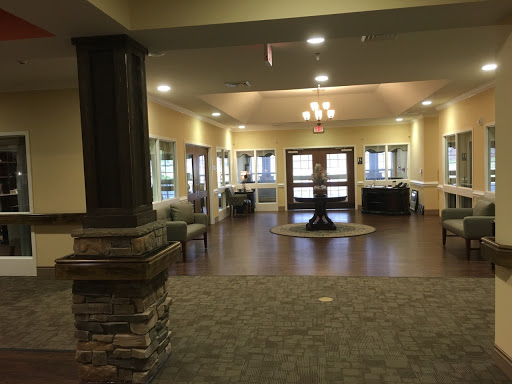
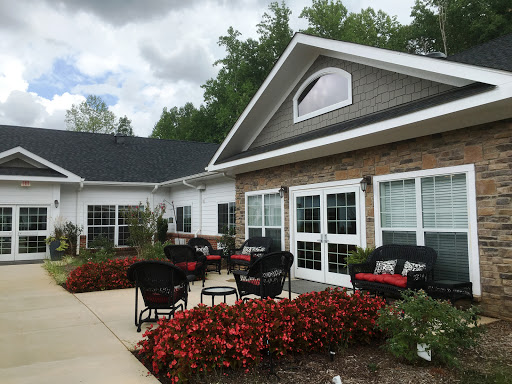
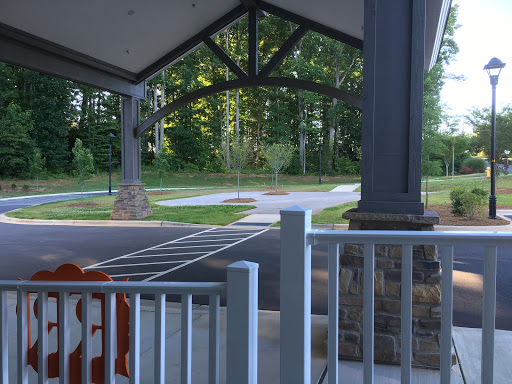
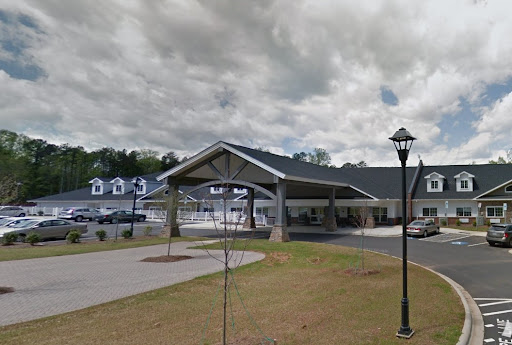
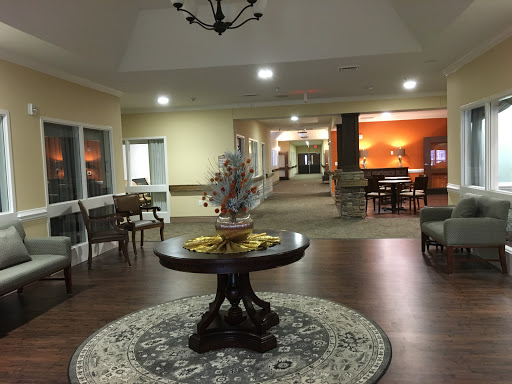
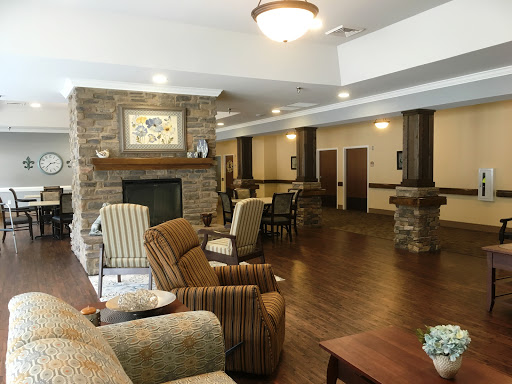
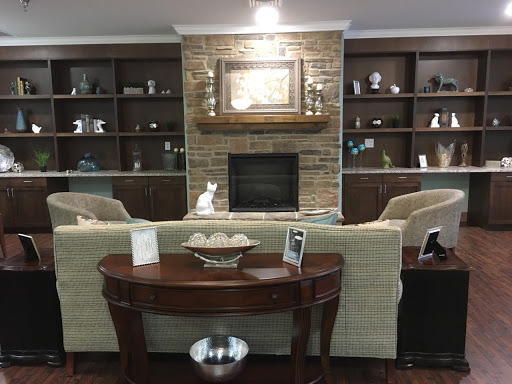
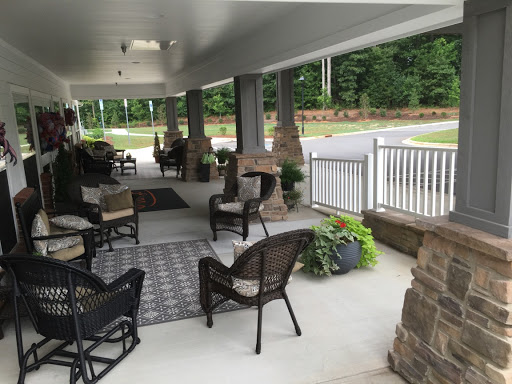
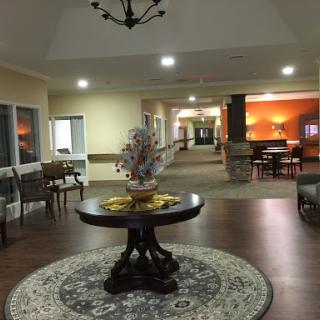
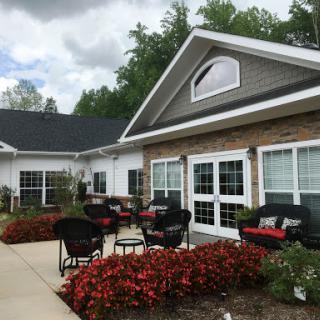
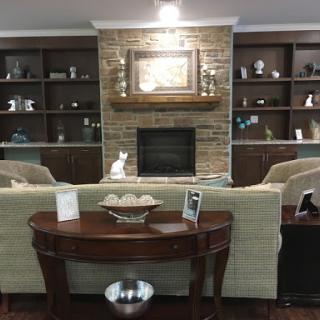
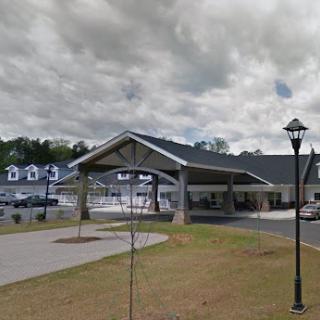
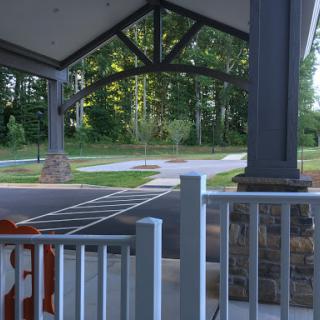
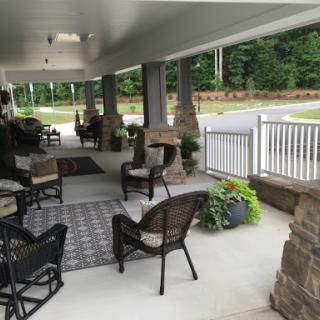
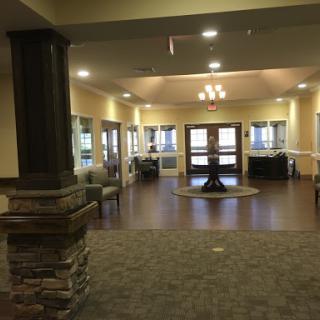
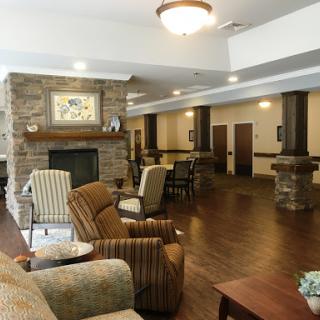
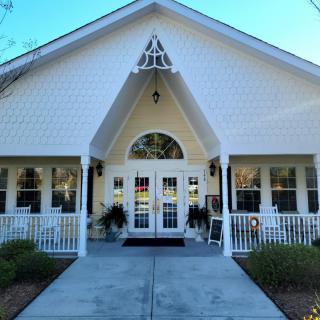
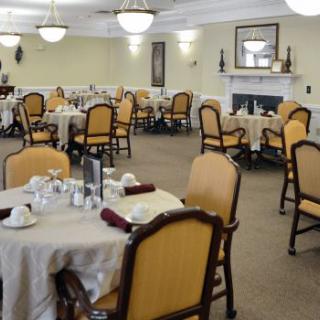
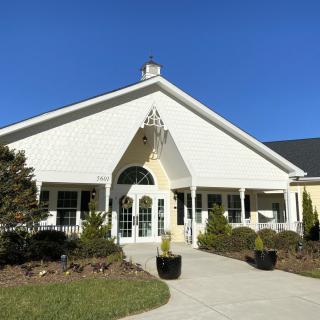
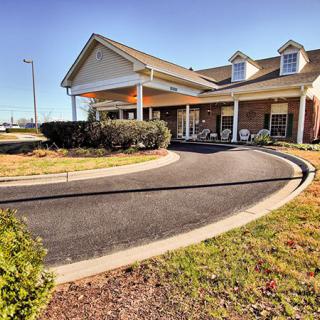
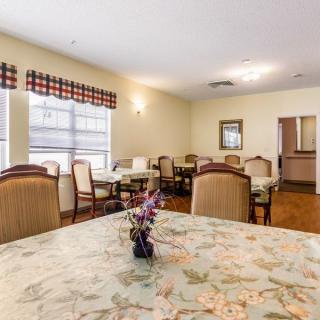
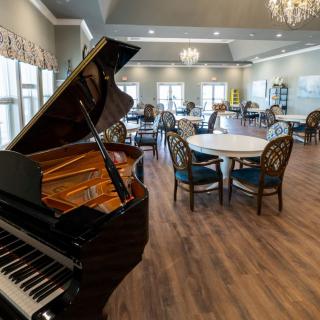
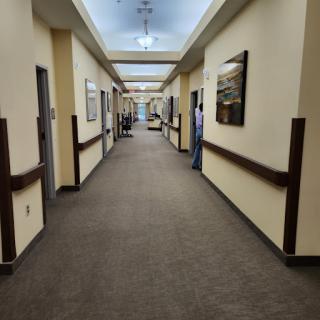
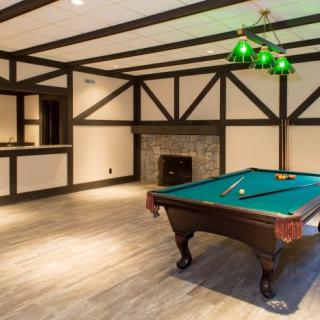
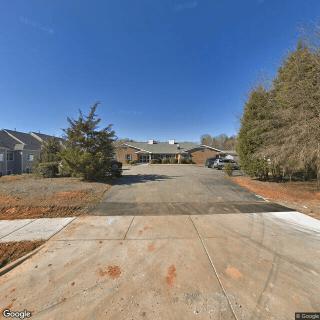
Grapperhall Family Care Home on seniors.fyi includes 11 photos including images showing interior, landscaping, lobby, seating area, building, decor, lighting, fireplace, and more.
Nearby Communities
The Glens at Birkdale Commons
Huntersville, NC
4.4 from 13 reviews
$995 to $1,250 / month
Friendly staff, in-home fully equipped kitchens, and a busy social/fitness calendar.
HomeWell Care Services of Charlotte - Cornelius, NC
Huntersville, NC
4.8 from 40 reviews
Caring, responsive staff who form meaningful bonds with clients.
Home Instead Senior Care
Huntersville, NC
Excellent location with nearby parks, pharmacies, physicians, restaurants, and hospitals.
The Courtyards of Huntersville
Huntersville, NC
Intimate, small community enabling personalized care with comprehensive services.
Home Helpers #58445
Huntersville, NC
4.8 from 20 reviews
Reliable, punctual caregivers with responsive administration.
Arbor Ridge at Huntersville
Huntersville, NC
4.1 from 74 reviews
$3,395 to $4,695 / month
Friendly, engaged staff in a welcoming, well-appointed community with engaging activities.
Huntersville Health & Rehab Center
Huntersville, NC
4.2 from 128 reviews
Well-equipped rehab facilities with spacious rooms and ample amenities.
The Pines at Davidson
Davidson, NC
4.3 from 54 reviews
Clean, well-maintained facility with extensive amenities and active social programs.
Preston House I, LLC
Charlotte, NC
4.6 from 37 reviews
$4,500 / month
Memory care services with convenient nearby amenities.
The guide on holistic dementia care outlines the complexity of dementia and stresses the need for individualized caregiver strategies that include medical treatment, psychological support, and environmental adaptations, while emphasizing early detection, various therapeutic options, and caregiver support to enhance quality of life and maintain dignity.
"Memory Care Pathways: A Holistic Guide to Dementia Support" outlines the complexities of dementia and its various types, emphasizing early detection, patient-centered care strategies, caregiver support, and long-term care options while addressing legal and financial considerations to enhance the quality of life for individuals with dementia and their families.
Sundown syndrome, or sundowning, is a phenomenon in dementia patients characterized by increased confusion and agitation during late afternoon and evening, influenced by factors like disrupted circadian rhythms and fatigue. Effective caregiver strategies include establishing routines and managing environmental light while addressing caregiver stress through support services.
Get PricingAsk A QuestionSchedule A TourContact Senior Advisor
By clicking submit, you agree to our Partner's Terms of Use. You
also consent to receive calls and texts, which may be autodialed, from our Partner. Your consent is not a condition to
using our Partner's service. Please visit our Partner's Privacy Policy for information about their privacy practices.

 6 resident community capacity
 Studio apartments
 Assisted Living
 Board and Care Home
 Memory Care
 Activities on-site
 Cable or satellite TV
 Devotional services off-site
 Dining room
 Fully furnished
 Garden
 Housekeeping services
 Indoor common areas
 Move-in coordination
 Outdoor space
 Private
 Telephone
 Wi-Fi/high-speed internet available
 Charlotte Douglas International (16 miles away)
 24-hour supervision
 Ambulatory care
 Assistance with bathing
 Assistance with dressing
 Assistance with transfers
 Diabetes diet
 Diabetic care
 Meal preparation and service
 Medication management
 Special dietary restrictions
 Transportation arrangement (medical)
 Transportation to doctors appointments
 Friendly staff, in-home fully equipped kitchens, and a busy social/fitness calendar.

 A Holistic Dementia Care Guide: Effective Strategies for Memory Support
 Memory Care Pathways: A Holistic Guide to Dementia Support
 Comprehending Evening Confusion in Dementia: Causes, Manifestations, and Support