For more information about senior living options: (866) 208-4318
4.2 from 28 reviews
5 stars
20
4 stars
3
3 stars
0
2 stars
0
1 stars
5
Hampton Manor Costs & Pricing
At Hampton Manor, the monthly costs for accommodations reflect a competitive pricing structure when compared to both Northampton County and the broader context of North Carolina. For semi-private rooms, residents will find the cost set at $2,500 per month, which is slightly above Northampton County's average of $2,350 but considerably more economical than the state average of $3,584. For those opting for studio apartments, the price is $4,400 per month; while this is higher than Northampton County's rate of $3,700, it remains comparable to North Carolina's average of $4,020. Overall, Hampton Manor presents an appealing option for individuals seeking quality care with reasonable pricing in mind.
Floor plans
Hampton Manor
Northampton County
North Carolina
Semi-Private
$2,500
$2,350
$3,584
Studio
$4,400
$3,700
$4,020
Overall Review of Hampton Manor
common16 reviews mention this
Caring, responsive staff stand out
Residents and families consistently describe staff who are caring and responsive.
Many reviews emphasize how approachable and helpful the staff are, including nurses, aides, managers, and the executive director. Several families describe comfort in the communication they receive, and they point to reassurance when questions come up. Residents are described as treated with dignity, and more than one review ties that attitude to better adjustment and day-to-day support.
common5 reviews mention this
Cleanliness is repeatedly mentioned
The facility’s cleanliness is repeatedly noted by reviewers.
Multiple reviews call out that the building is neat, well maintained, and smells fresh. Visitors and families also describe cleanliness as something they noticed during tours and repeat visits. One reviewer specifically contrasts the experience with odor concerns they’ve heard about other communities.
common2 reviews mention this
Activities help keep days structured
Reviews mention organized activities that keep residents engaged.
Some reviews describe weekly activities such as bingo, arts and crafts, and bible study. Others mention seasonal events and group gatherings like carols and cookie decorating. Together, these comments suggest the community builds regular events into residents’ routines.
differentiator2 reviews mention this
Memory care is part of the setup
The community advertises a memory care unit alongside assisted living.
One review notes that the community provides memory care and that Medicaid is accepted. Another describes an assisted living hall plus a dedicated memory care unit for people who need more or special assistance. Those comments align with the community offering both care paths.
caveat2 reviews mention this
Some medical care and communication concerns
A small set of reviews raises serious concerns about care handling and communication.
Two negative reviews describe breakdowns related to medication and medical response, including one family reporting constipation medication was not provided and another describing an encounter they felt was disorganized around a serious illness. These reviewers also raise concerns about how information was communicated during critical moments. While most reviews are positive, these accounts are starkly different from the experiences others report.
How we summarize
Counts show how many written reviews mention each theme; a review can touch several themes, and only frequently mentioned themes are displayed.
Features
Housing
82 resident community capacity
Types of Care
Assisted Living
Memory Care
Amenities
Activities on-site
Air-conditioning
Beauty salon
Cable or satellite TV
Computer center
Devotional services off-site
Dining room
Fitness room
Fully furnished
Gaming room
Garden
Housekeeping services
Indoor common areas
Kitchenette
Move-in coordination
Outdoor space
Private bathrooms
Restaurant-style dining
Small library
Telephone
Wellness center
Wi-Fi/high-speed internet available
Transportation
Community operated transportation
Transportation arrangement
Transportation arrangement (non-medical)
Transportation to doctors appointments
Care Services
12-16 hour nursing
24-hour call system
24-hour supervision
Activities of daily living assistance
Ambulatory care
Assistance with bathing
Assistance with dressing
Assistance with transfers
Diabetes diet
Diabetic care
Meal preparation and service
Medication management
Mental wellness program
Mild cognitive impairment
Special dietary restrictions
Specialized memory care programming
Dining
Diabetes diet
Meals provided
Special dietary restrictions
Activities
Activities on-site
Community-sponsored activities
Concierge services
Devotional activities offsite
Fitness programs
Planned day trips
Resident-run activities
Scheduled daily activities
Nearby Places of Interest
This part of Gaston, North Carolina offers a range of amenities that may be appealing to seniors looking for a peaceful and convenient place to live. The area provides several places of worship for spiritual nourishment, such as Bethel Community Fellowship and Calvary Baptist Church. There are also various dining options nearby, including Krispy Krunchy Chicken and Subway, as well as cafes like Starbucks for socializing with friends. For medical needs, there are pharmacies like CVS Pharmacy and hospitals such as Southern Virginia Medical Center within a reasonable distance. Additionally, there are parks like Meherrin River Park for leisurely walks and relaxation. Overall, this area provides a mix of services to ensure comfortable living for seniors in Gaston.
Places of Worship
Bethel Community Fellowship (13.7 miles)
Church of Christ (14.3 miles)
Calvary Baptist Church (14.3 miles)
Saving Grace Outreach Ministries (14.3 miles)
Southern Baptist Convention (14.3 miles)
New Hope Worship Center (14.3 miles)
New Hope Wisdom Center (14.3 miles)
Restaurants
By Olivia (13.7 miles)
Krispy Krunchy Chicken (14.4 miles)
Roadhouse Restaurant and Lounge (14.5 miles)
Subway (14.5 miles)
China Garden (14.5 miles)
Pino's Pizza (14.6 miles)
McDonald's (14.6 miles)
Parks
Meherrin River Park (13.8 miles)
Physicians
Department Of Veterans Affairs Emporia Va (14.3 miles)
At Hampton Manor, the monthly costs for accommodations reflect a competitive pricing structure when compared to both Northampton County and the broader context of North Carolina. For semi-private rooms, residents will find the cost set at $2,500 per month, which is slightly above Northampton County's average of $2,350 but considerably more economical than the state average of $3,584. For those opting for studio apartments, the price is $4,400 per month; while this is higher than Northampton County's rate of $3,700, it remains comparable to North Carolina's average of $4,020. Overall, Hampton Manor presents an appealing option for individuals seeking quality care with reasonable pricing in mind.
Hampton Manor's comprehensive features are designed to support residents with dementia or Alzheimer's disease, addressing both their physical needs and cognitive health. Assistance with dressing, bathing, and transfers promotes independence while ensuring safety and dignity in daily routines. Medication management is essential for maintaining health, helping residents adhere to prescribed regimens without confusion. Thoughtful meal preparation and service cater to dietary needs while encouraging social interaction during dining. Activities of daily living assistance fosters a sense of routine and normalcy, enhancing overall well-being. The 24-hour supervision guarantees that care is always available, offering peace of mind to families and residents alike. A dedicated mental wellness program targets emotional health, while specialized memory care programming addresses specific cognitive challenges associated with mild cognitive impairment and advanced dementia stages, creating an environment conducive to comfort and engagement.
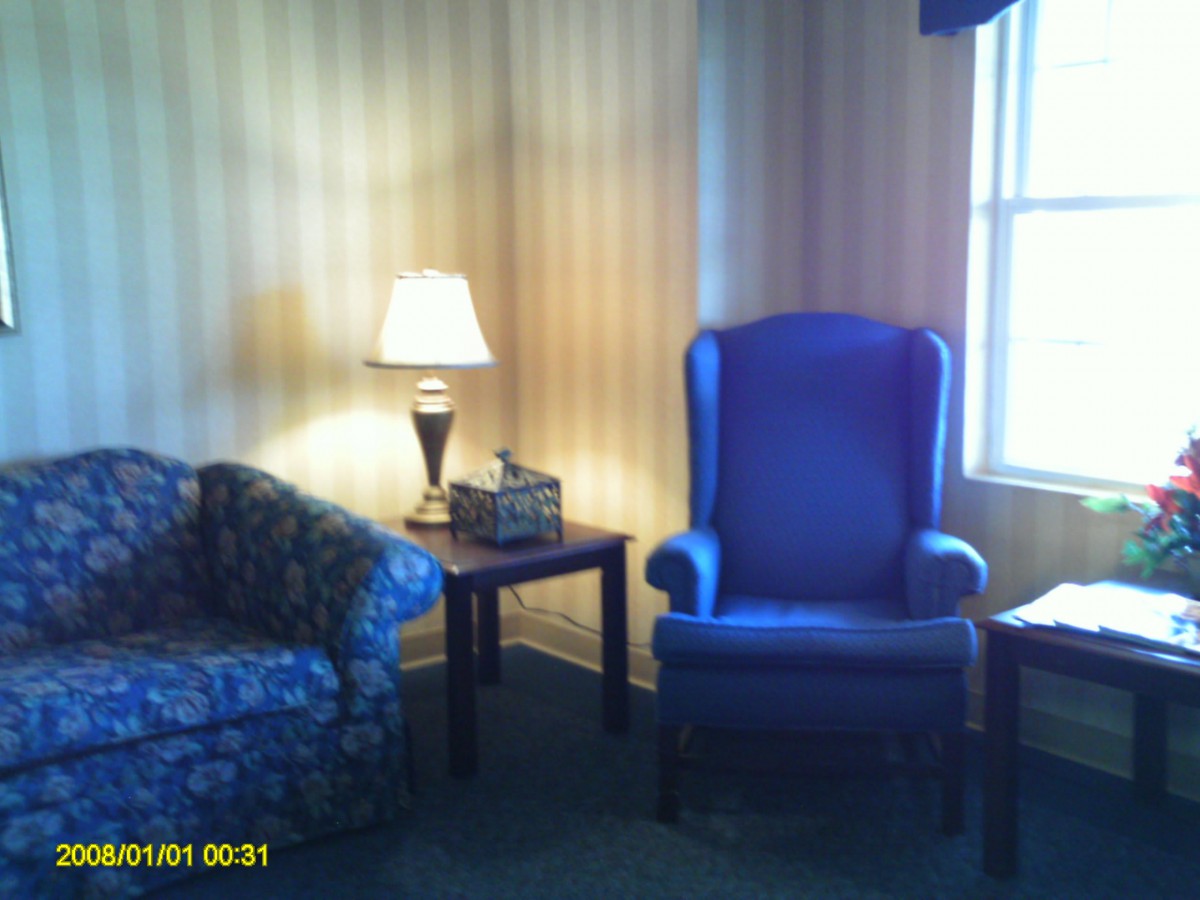
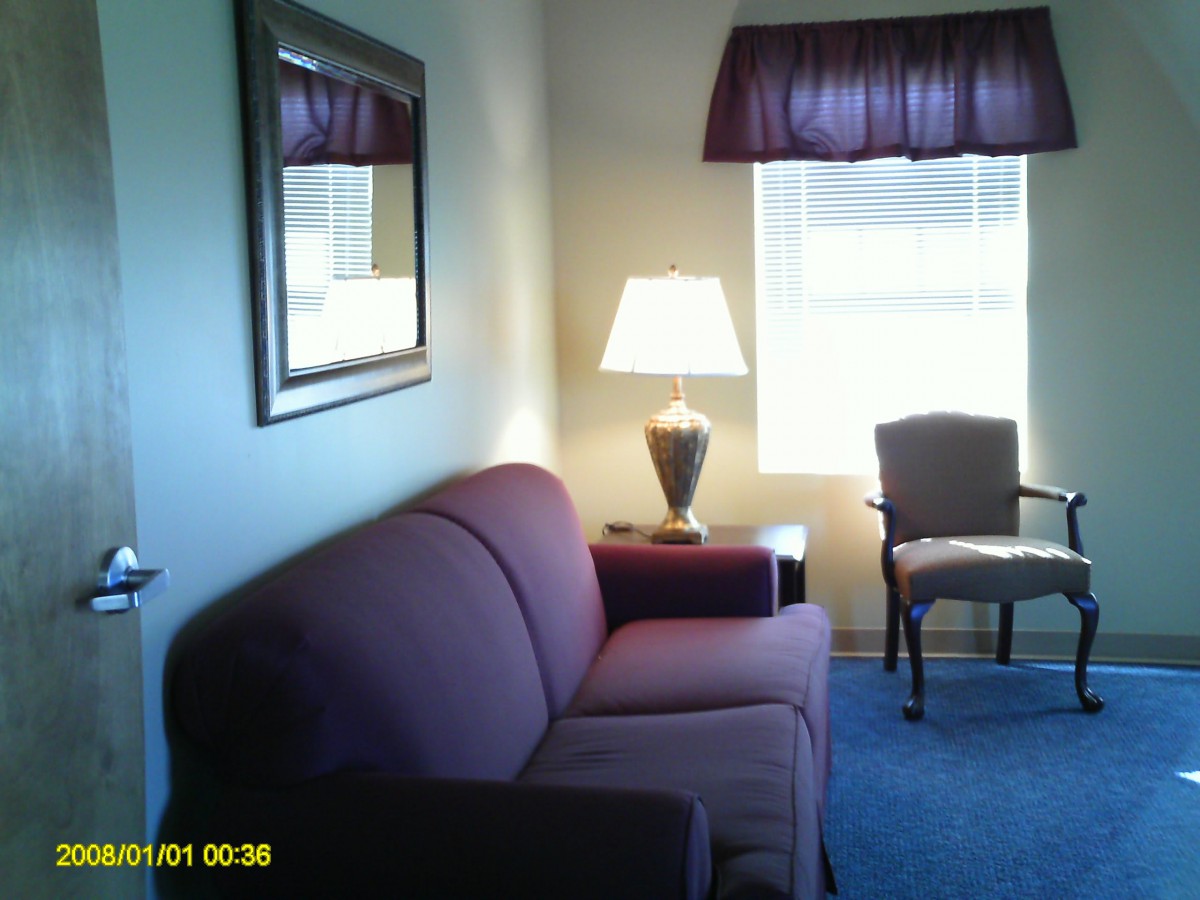
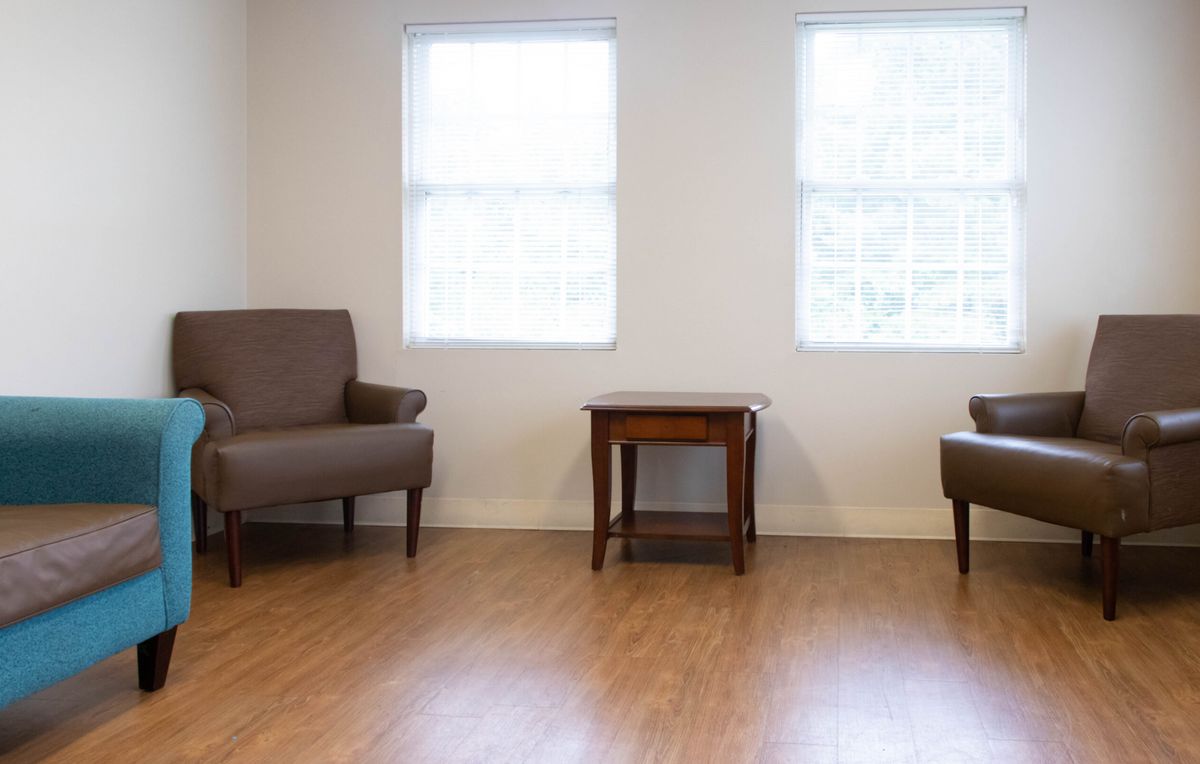
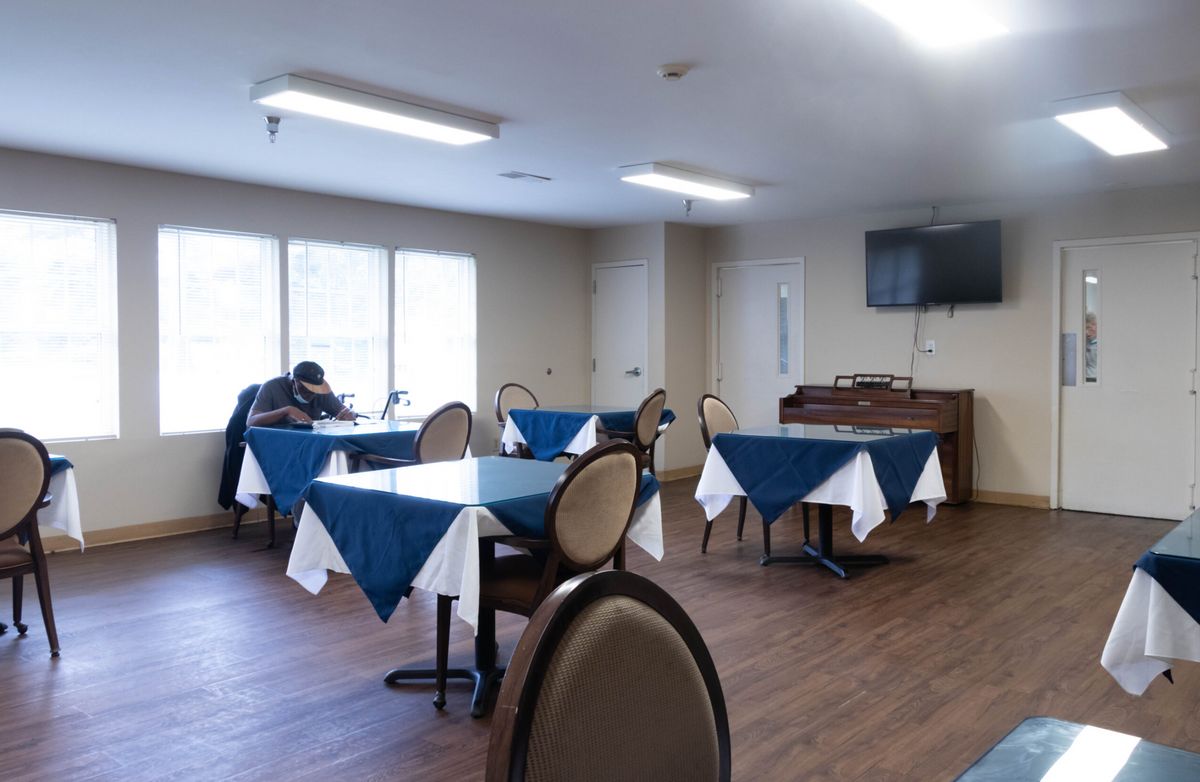
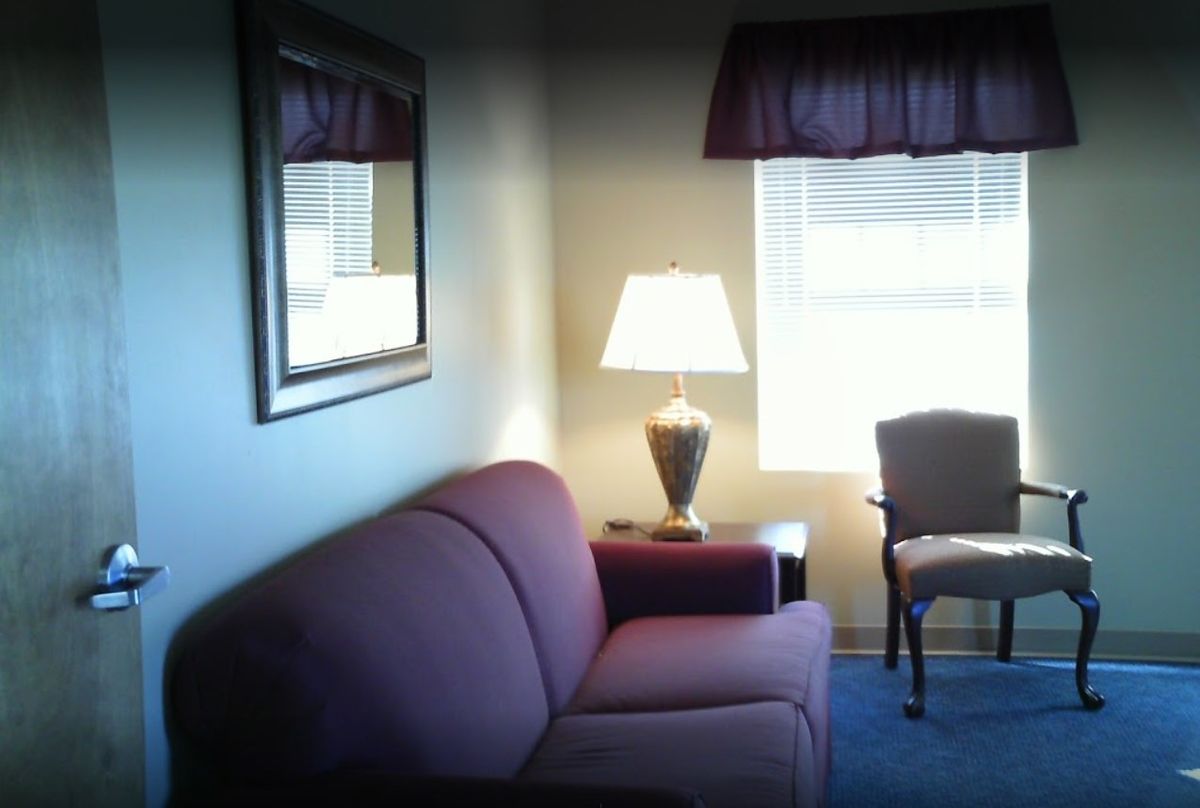
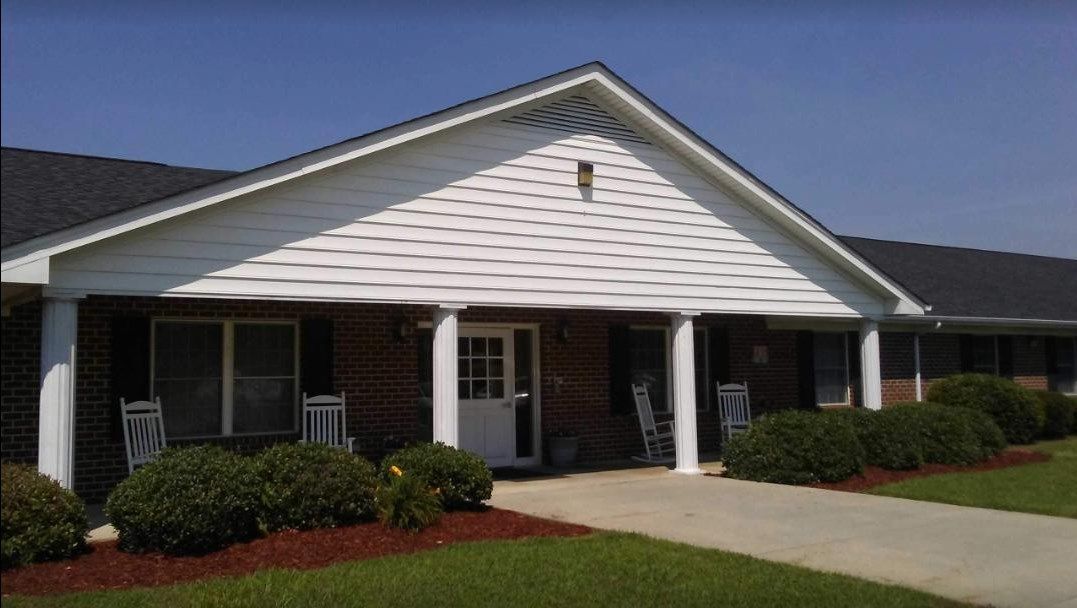
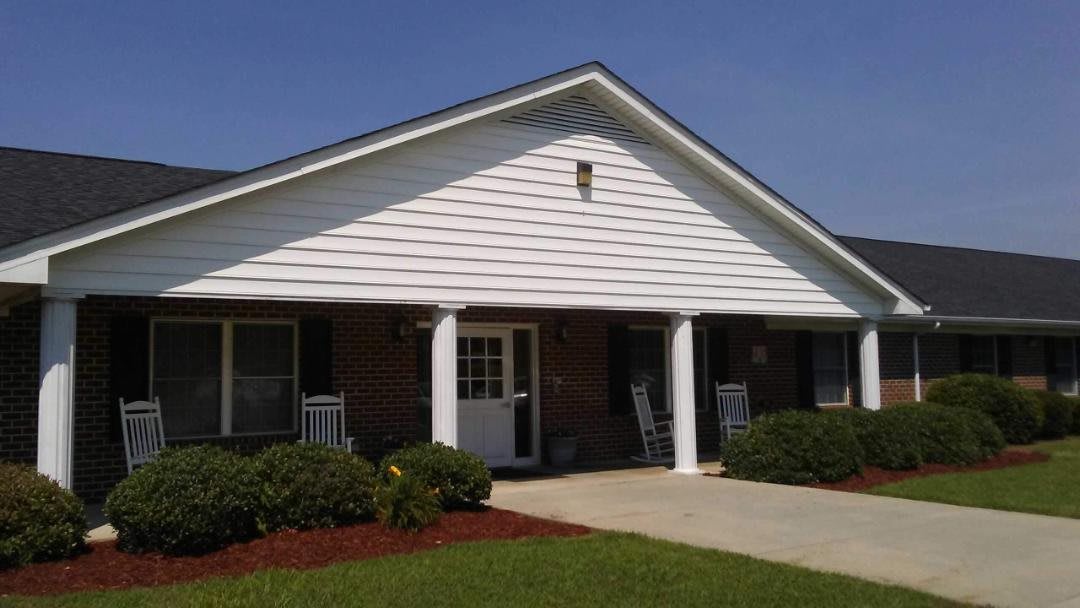
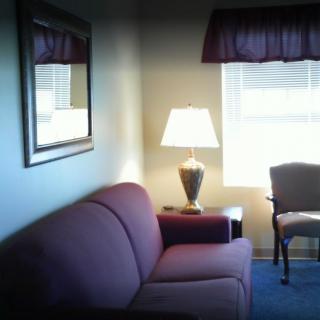
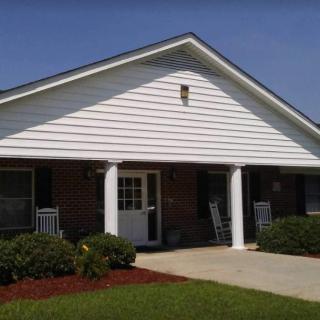
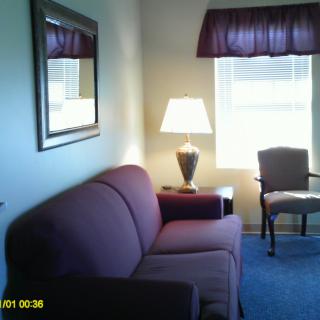
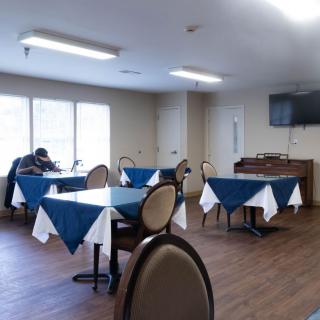
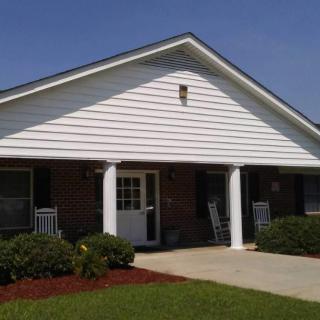
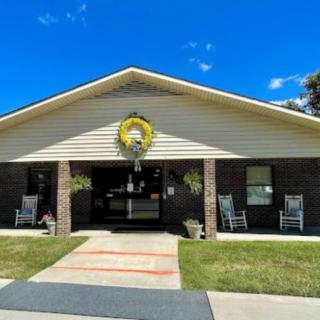
Hampton Manor on seniors.fyi includes 8 photos including images showing living room, windows, landscaping, interior, porch, architecture, dining, television, and more.
Nearby Communities
Magnolia Gardens Senior Care
Roanoke Rapids, NC
5 from 2 reviews
Small, intimate setting with personalized care.
Signature Healthcare Of Roanoke Rapids
Roanoke Rapids, NC
3.7 from 64 reviews
Extensive amenities and 24/7 nursing support.
Bayberry Retirement Inn
Roanoke Rapids, NC
5 from 6 reviews
$2,310 / month
Excellent staff, delicious meals, and well-kept facilities with beautiful landscaping.
Second Touch Family Care Home 1
Garysburg, NC
Cozy home-like setting with personalized care
Liberty Commons Nursing And Rehab Center Of Halifax County
Weldon, NC
4.8 from 40 reviews
$3,495 to $5,700 / month
24-hour supervision and ADL assistance with restaurant-style dining and on-site amenities.
The Oaks At Pleasant Hill
Pleasant Hill, NC
Extensive on-site amenities and comprehensive assisted-living services.
Community Memorial Hospital Hundley Center
South Hill, VA
1.6 from 7 reviews
Restaurant-style dining with 24/7 supervision and comprehensive amenities.
Dementia, including Alzheimer’s disease, is often mischaracterized in terms of lethality as it leads to complications that can be fatal rather than being a direct cause of death; it causes a progressive decline in cognitive and physical health, making patients vulnerable to infections and other health crises. Effective management of nutrition, hydration, and communication is crucial in patient care, with palliative care becoming vital in advanced stages to enhance comfort and quality of life while caregivers play a key role amidst the challenges posed by the disease.
Reminiscence therapy helps individuals with dementia recall past memories through structured discussions and meaningful objects, enhancing mood, relationships, and sense of identity while celebrating their lives. It can be practiced in formal settings or at home, requiring sensitivity to personal histories and cultural backgrounds.
Reminiscence therapy is a structured method for older adults, especially those with dementia, to share life stories using prompts and sensory cues, fostering emotional well-being, social engagement, and self-identity. It aims to improve quality of life by enhancing interpersonal connections and cognitive stimulation while requiring careful facilitation to avoid distressing memories.
Get PricingAsk A QuestionSchedule A TourContact Senior Advisor
By clicking submit, you agree to our Partner's Terms of Use. You
also consent to receive calls and texts, which may be autodialed, from our Partner. Your consent is not a condition to
using our Partner's service. Please visit our Partner's Privacy Policy for information about their privacy practices.

 82 resident community capacity
 Assisted Living
 Memory Care
 Activities on-site
 Air-conditioning
 Beauty salon
 Cable or satellite TV
 Computer center
 Devotional services off-site
 Dining room
 Fitness room
 Fully furnished
 Gaming room
 Garden
 Housekeeping services
 Indoor common areas
 Kitchenette
 Move-in coordination
 Outdoor space
 Private bathrooms
 Restaurant-style dining
 Small library
 Telephone
 Wellness center
 Wi-Fi/high-speed internet available
 Community operated transportation
 12-16 hour nursing
 24-hour call system
 Ambulatory care
 Assistance with bathing
 Assistance with dressing
 Assistance with transfers
 Diabetes diet
 Diabetic care
 Medication management
 Mental wellness program
 Special dietary restrictions
 Concierge services
 Planned day trips
 Small, intimate setting with personalized care.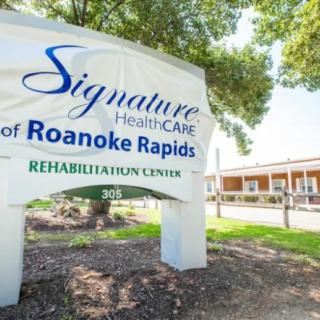



 Are Dementia and Alzheimer's Disease Lethal? A Comprehensive Exploration
 Exploring the Power of Reminiscence Therapy for Individuals With Dementia
 An In-Depth Look at Reminiscence Therapy in Dementia Care