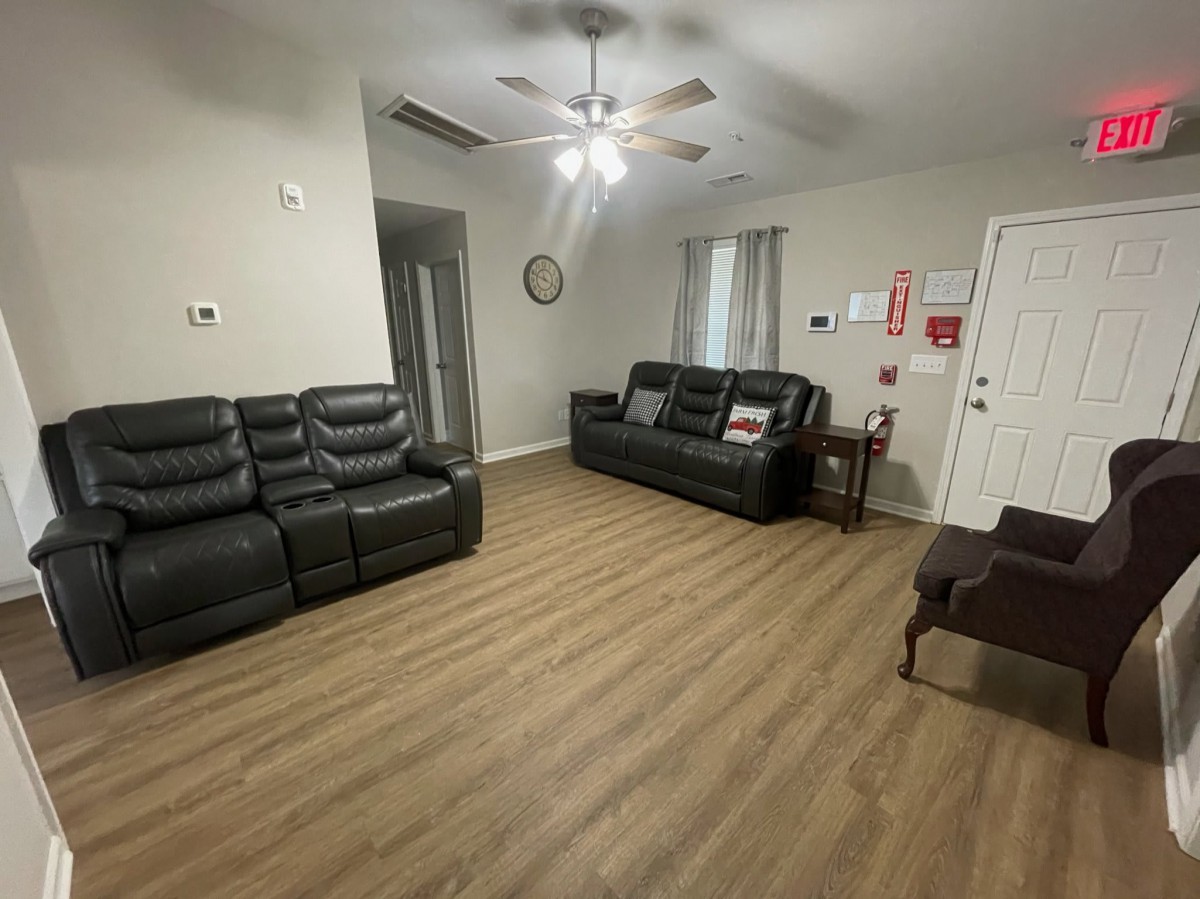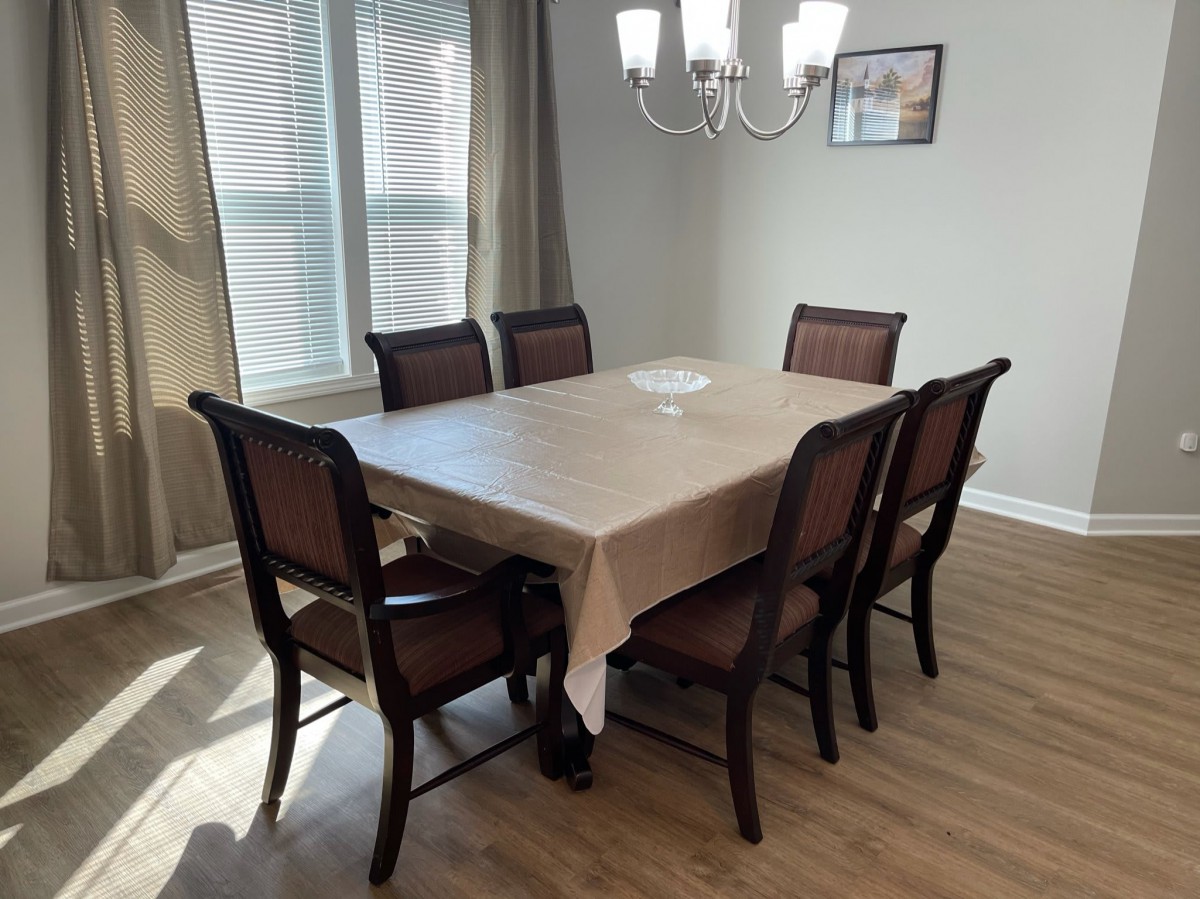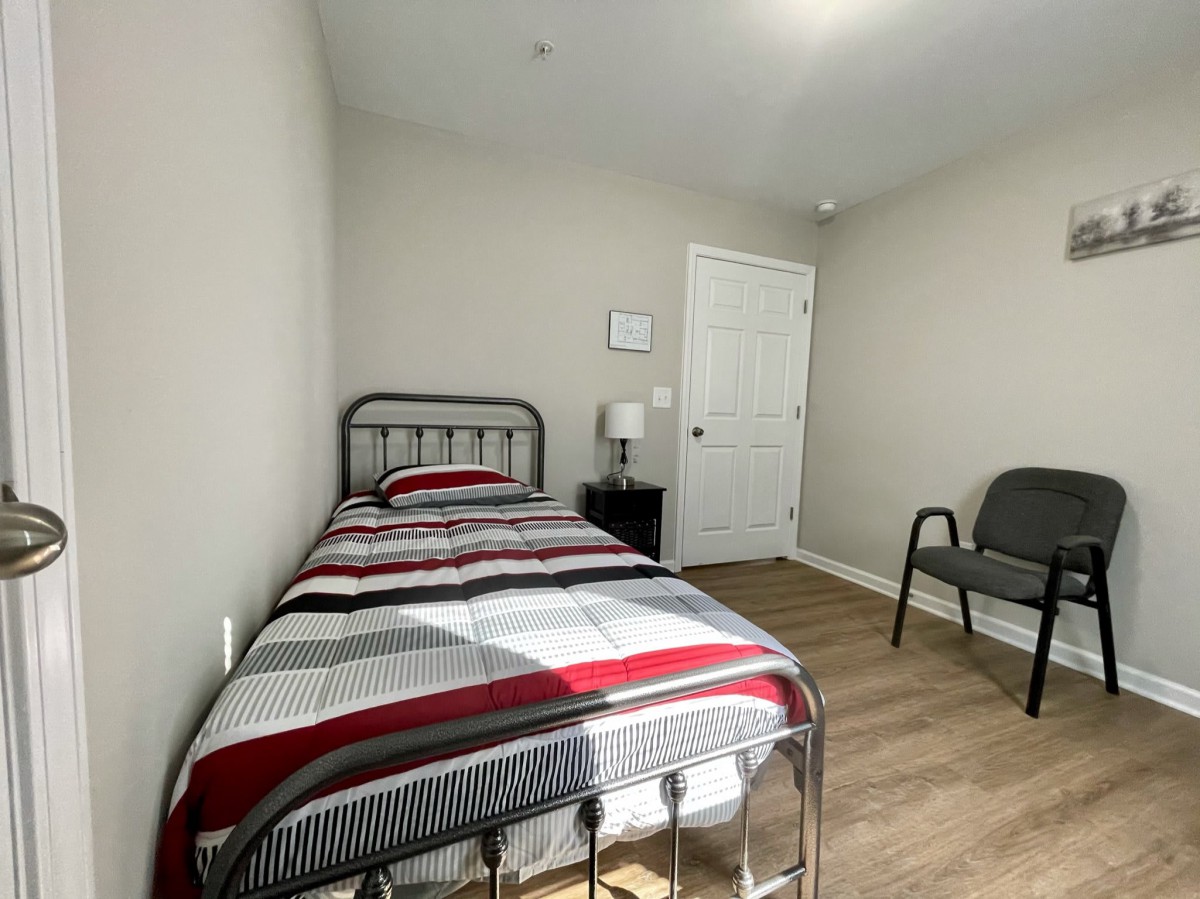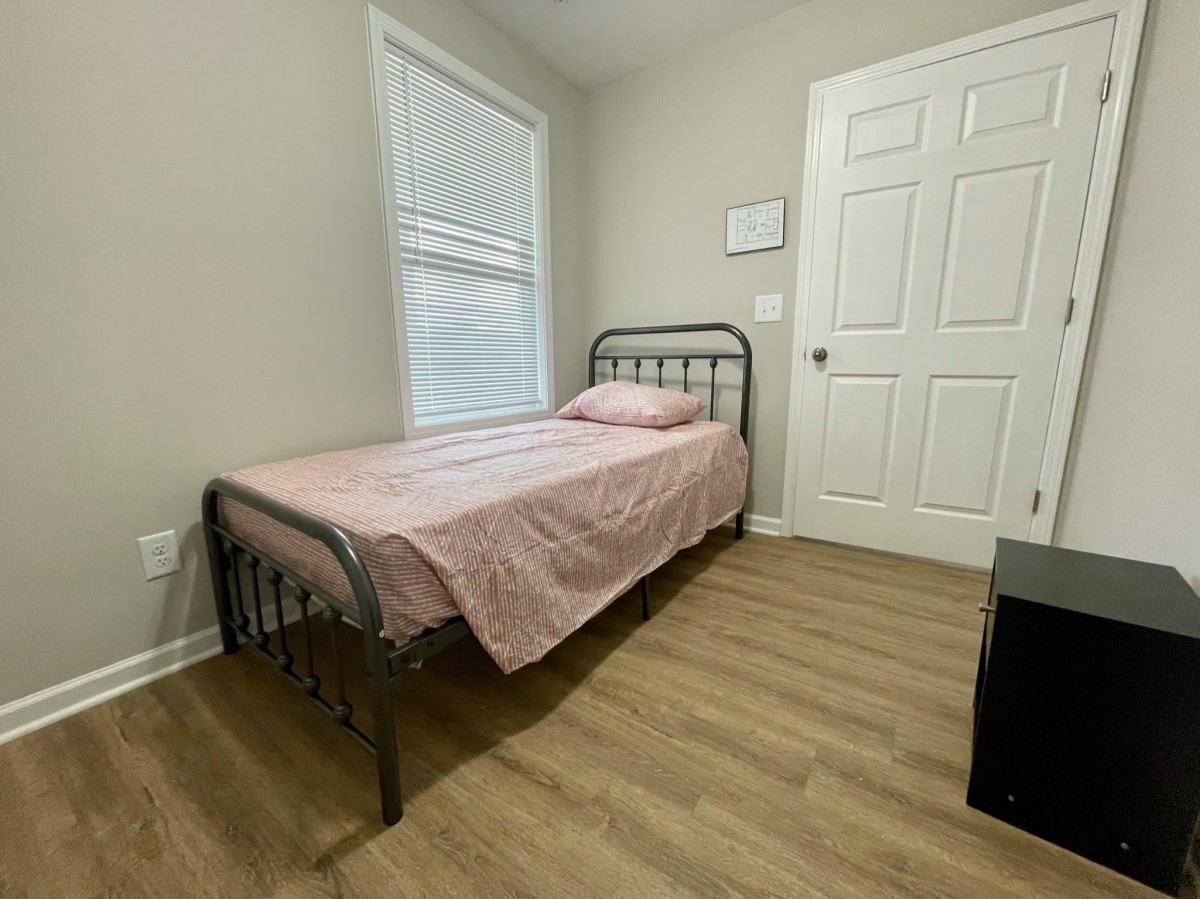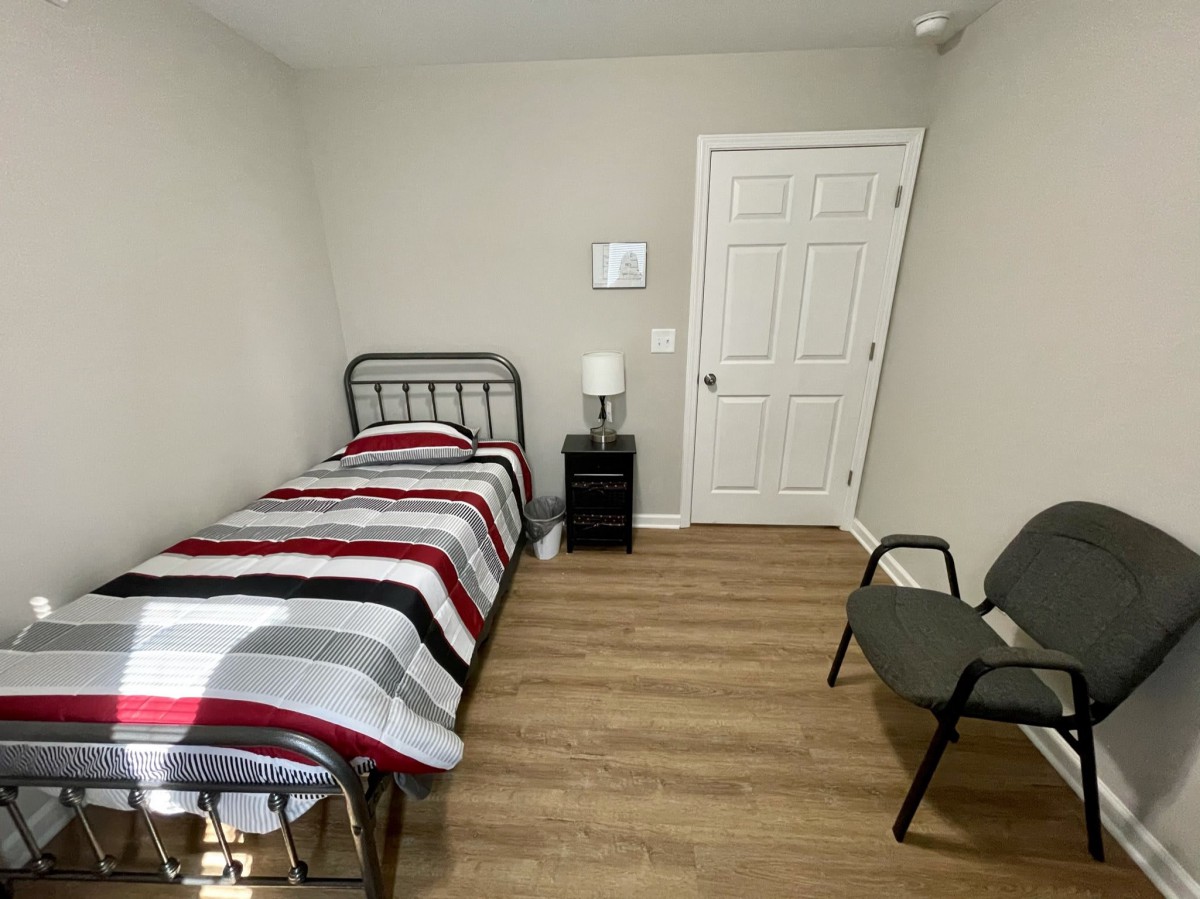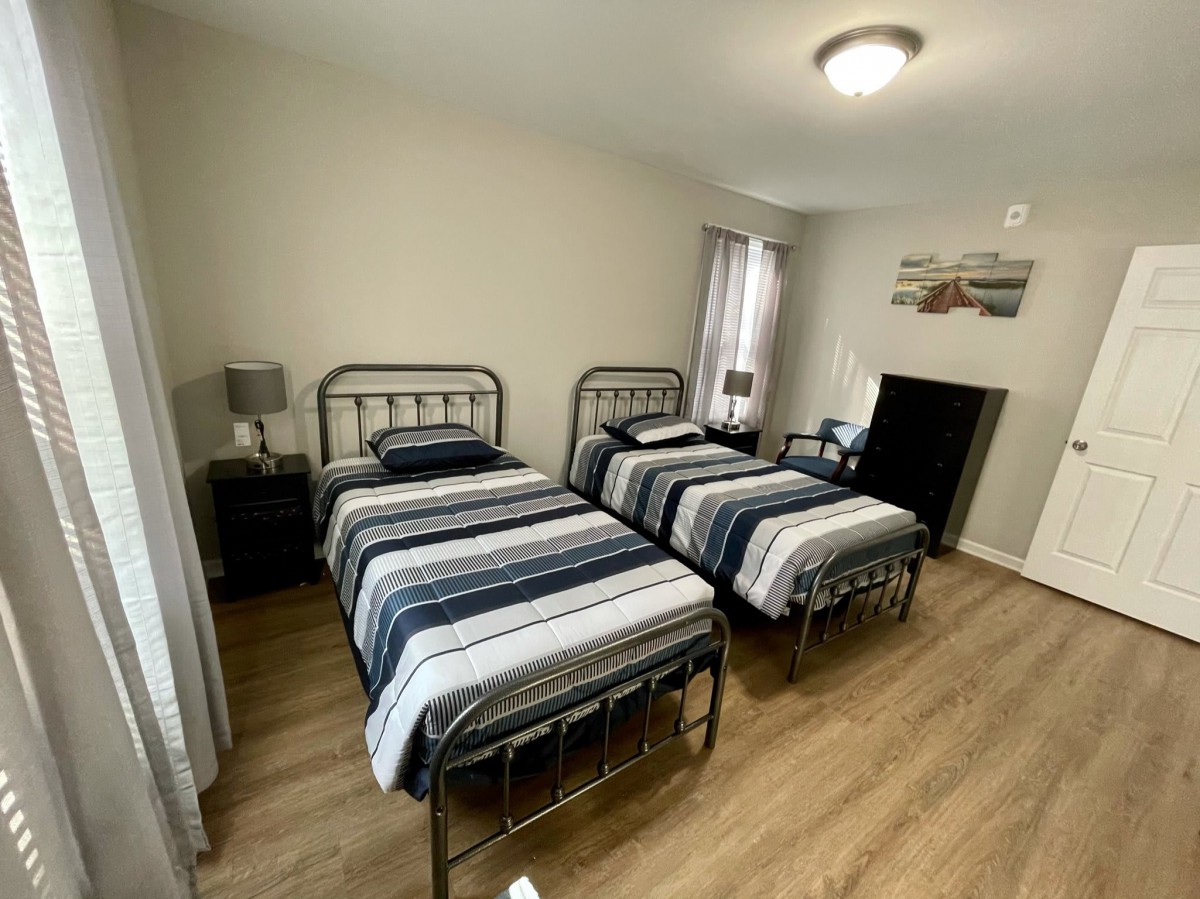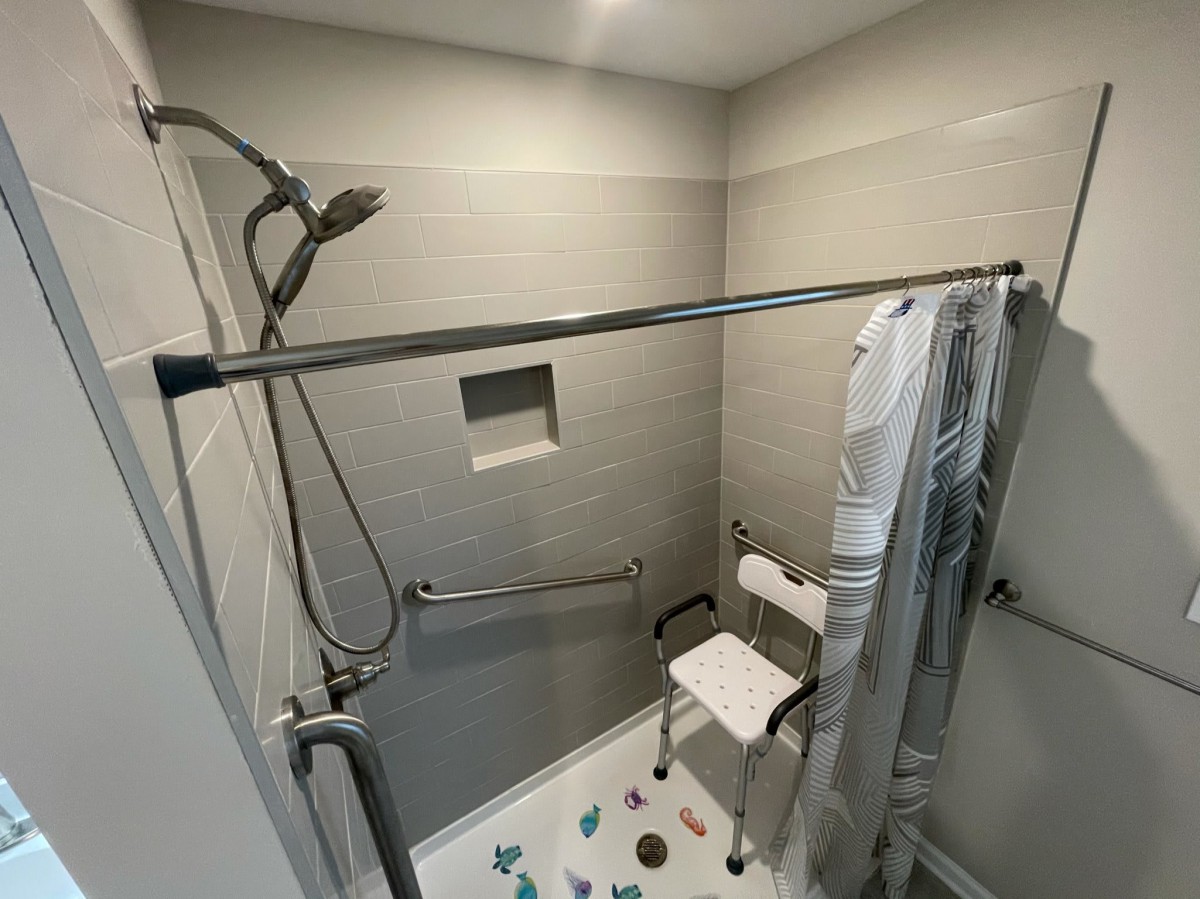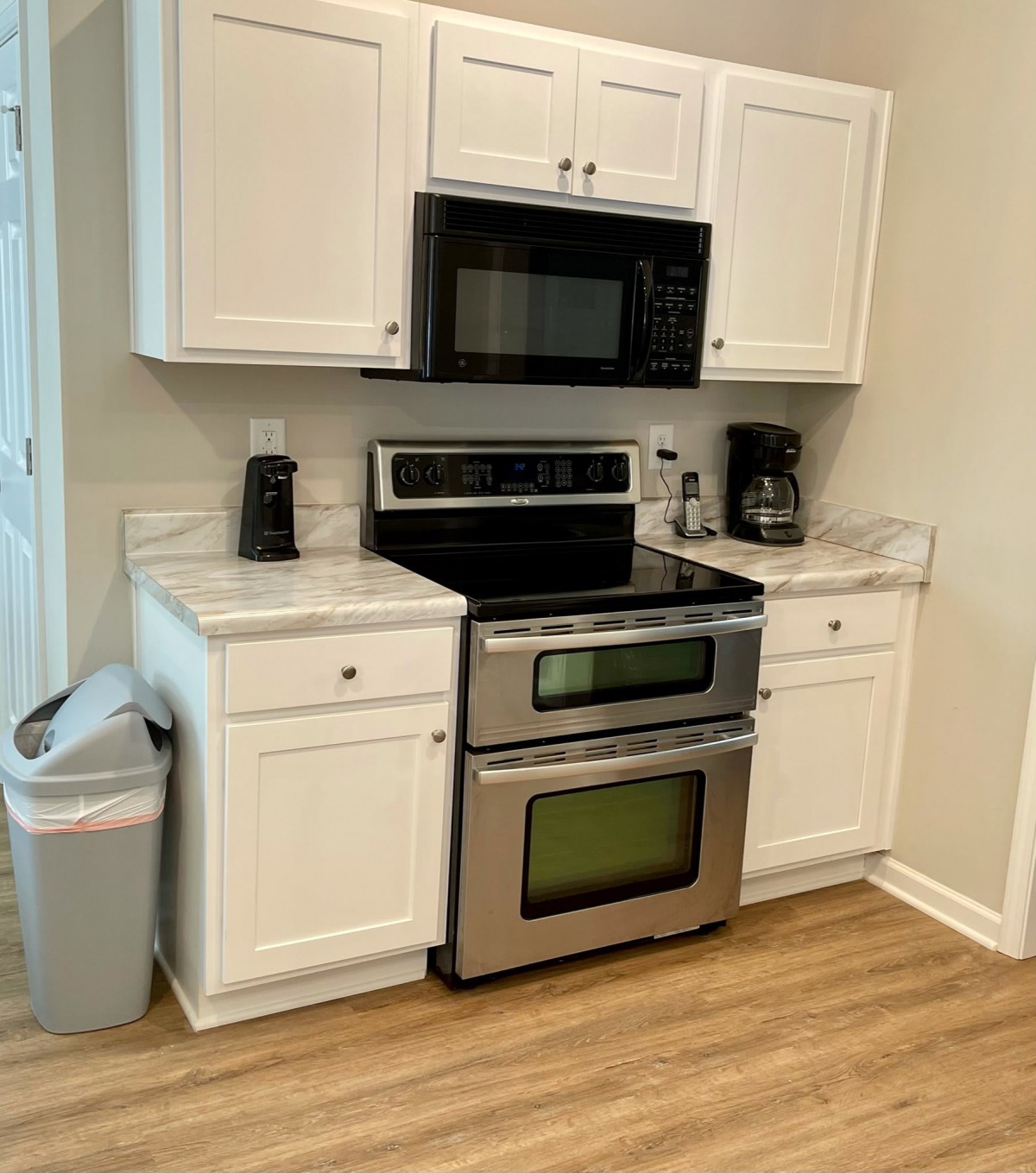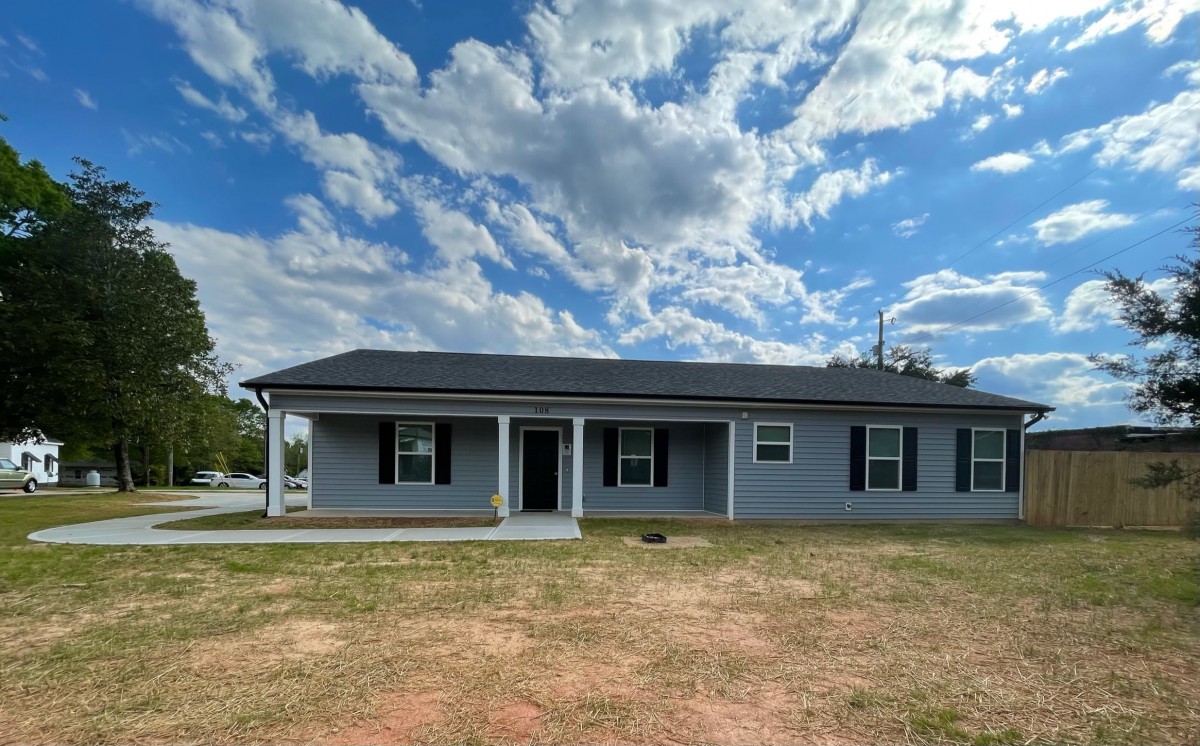
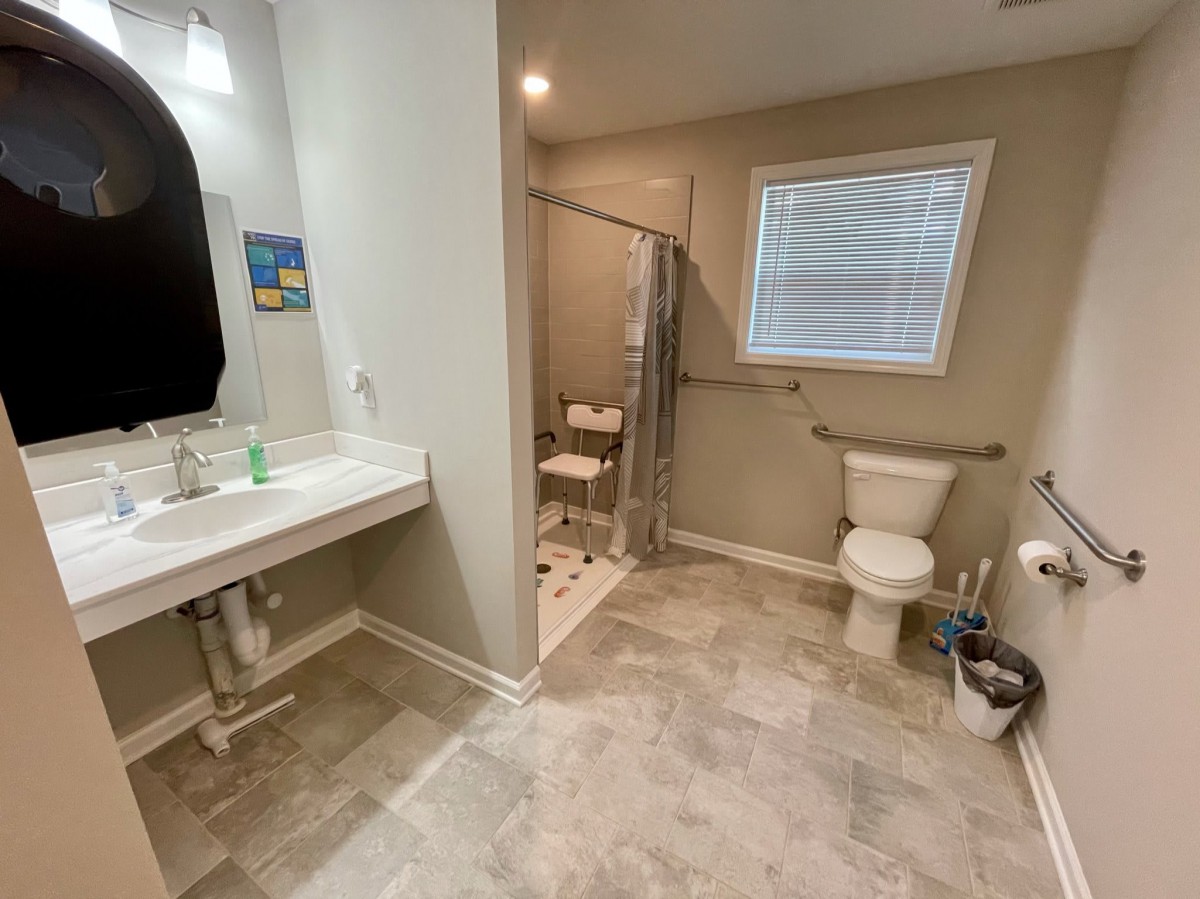
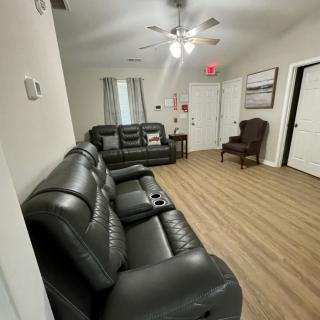

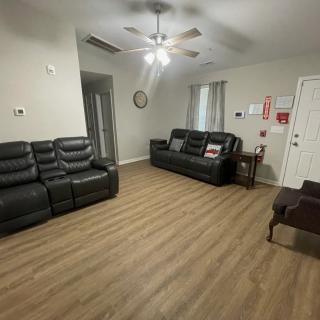

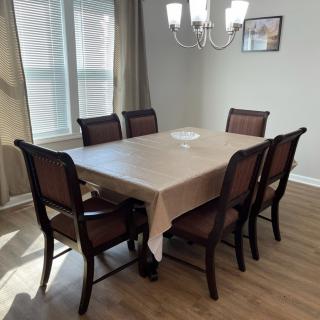
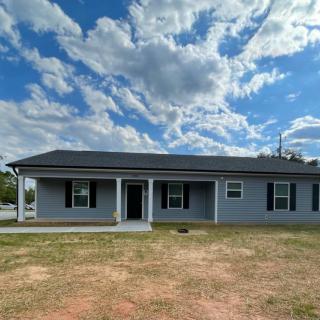
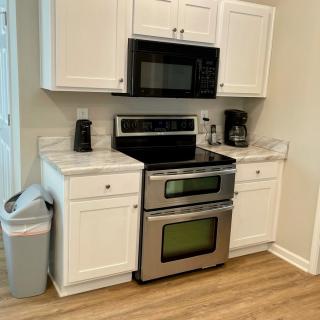
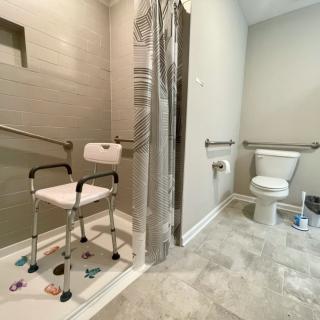

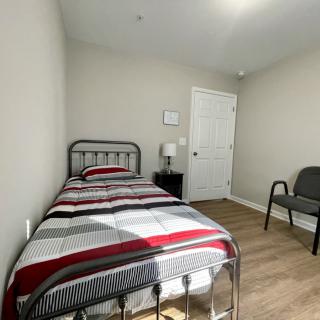
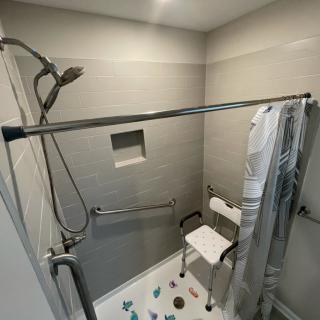
108 E Mason St, Franklinton, NC 27525
To contact a resident: (919) 880-4619
For more information about senior living options: (866) 208-4318
Divine Family Care at Mason Street Costs & Pricing
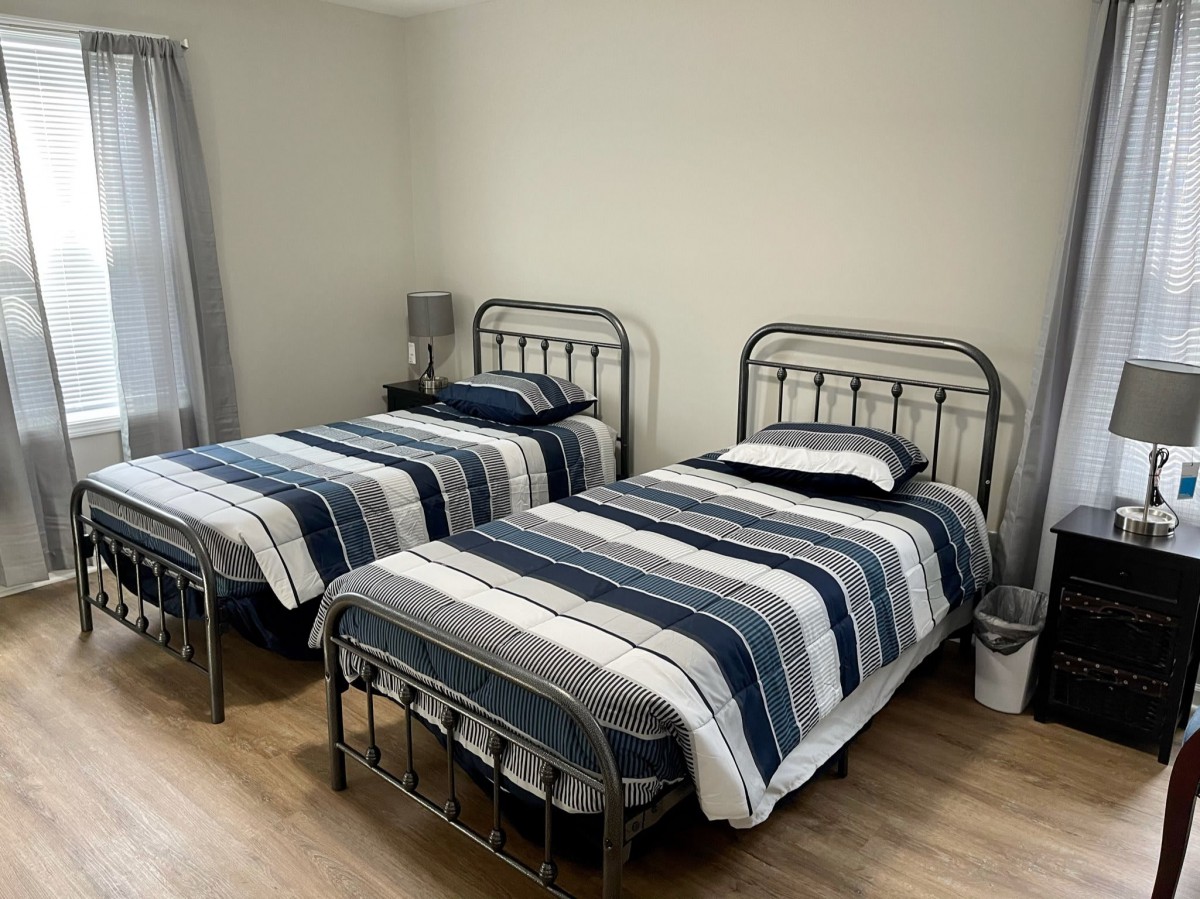
At Divine Family Care at Mason Street, the monthly costs for care reflect a commitment to quality service and comfort. For a semi-private room, residents can expect to pay $5,600, which is notably higher than the averages of both Granville County ($4,033) and North Carolina as a whole ($3,584). Similarly, the private room rate stands at $7,000, surpassing the county's average of $4,833 and the state average of $4,425. These premium prices correspond to the enhanced level of personalized care and supportive environment provided at Divine Family Care, positioning it as a distinguished choice in comparison to other facilities in the region.
| Floor plans | Divine Family Care at Mason Street | Granville County | North Carolina |
|---|---|---|---|
| Semi-Private | $5,600 | $4,033 | $3,584 |
| Private | $7,000 | $4,833 | $4,425 |
Senior living communities with a similar price nearby
-
About the same
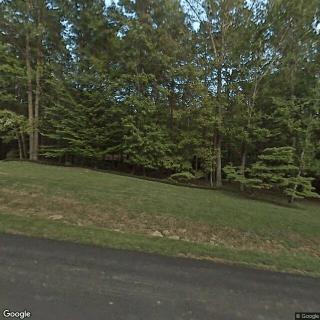
Elsie's Place Family Care Home
$5,750 to $6,000 / month15.7 miles away -
About the same
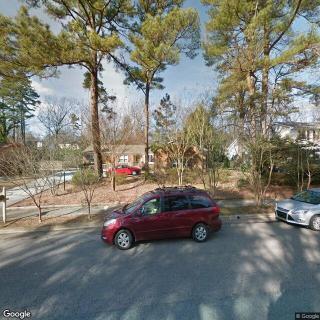
Bright Horizon Senior Care
$5,500 to $6,500 / month18.8 miles away -
from -$355 / mo

Abbotswood at Stonehenge
$5,245 / month19.0 miles away -
from +$900 / mo
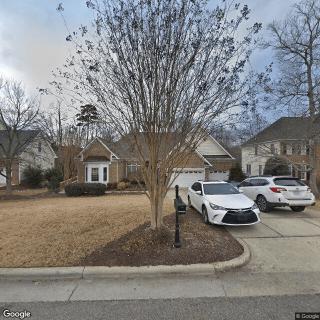
Kelley's Family Care Home
$6,500 / month14.0 miles away -
from +$900 / mo
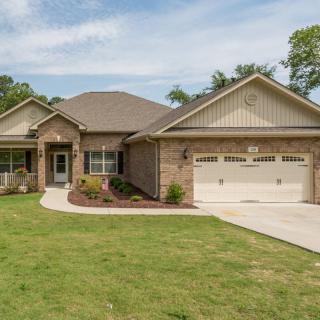
Avendelle Assisted Living Rolesville
$6,500 / month12.3 miles away
Overall Review of Divine Family Care at Mason Street
Pros
 The staff at Divine Family Care Home on Mason Street provide attentive care and peace of mind for families.
- Divine Family Care Homes is described as one of a kind with unprecedented care and attention.
- The staff are true professionals who cover every detail.
- The director is involved and cares about residents’ wellbeing.
- The director has personally taken residents out to eat, even when bedridden, demonstrating personal attention.
- The facility is safe, comfortable, and feels like family for loved ones.
- The care team treats patients with warmth and dedication, putting their comfort first.
Cons
 The reviewer notes constant staff turnover and that the remaining staff are overwhelmed most of the time.
- The mother's needs were not met.
- The food is terrible.
- The reviewer states that this is not a place to leave a loved one.
- The reviewer notes that there are few places where a loved one can be left without worrying about safety and health.
Review
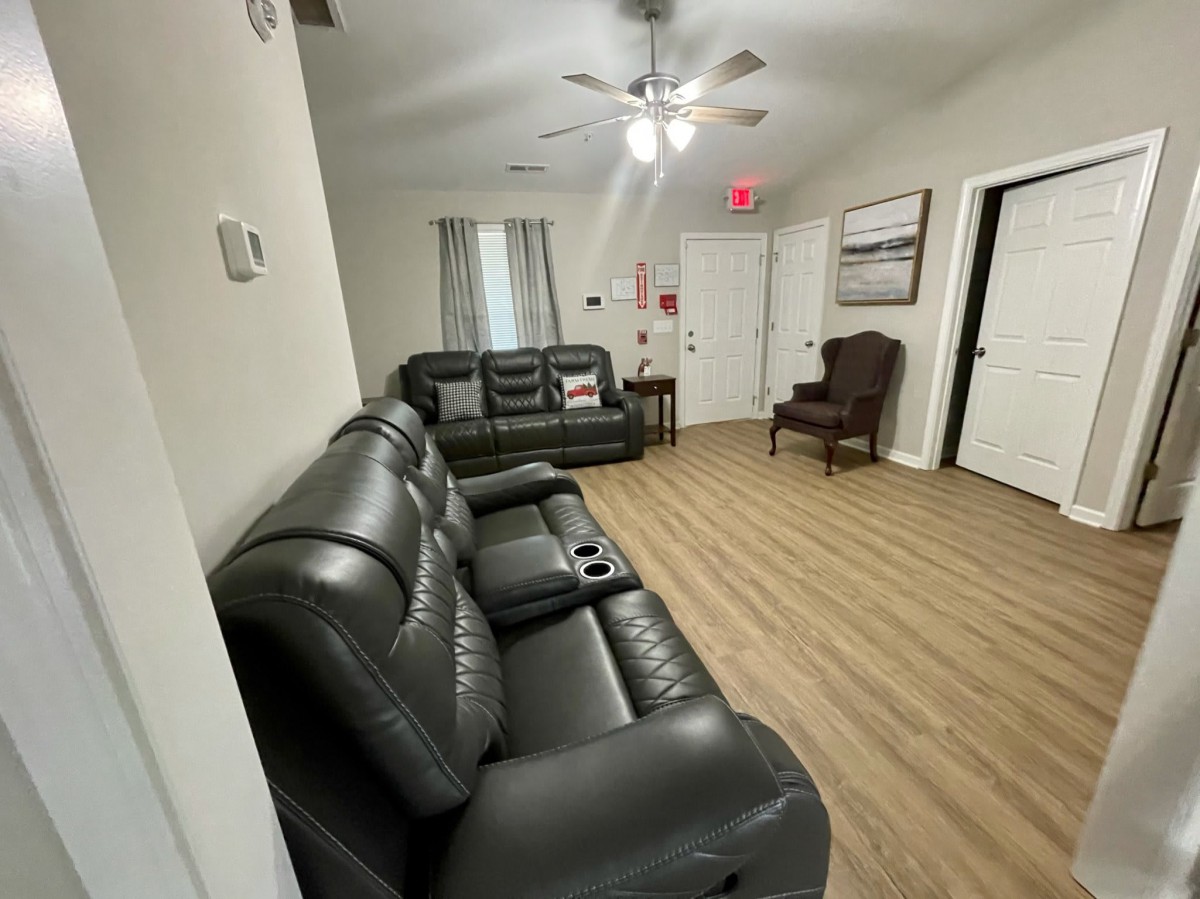
Divine Family Care at Mason Street in Franklinton, NC, is best suited for seniors who thrive in an intimate, home-like setting where caregivers know residents by name and daily routines feel more like a family than a facility routine. The community’s small size, often limited to a handful of residents, creates a climate in which rehabilitation, personal care, and daily support are delivered with steady, attentive presence. Families seeking post-acute help after a hip fracture or ongoing assistance with activities of daily living will find the level of involvement and hands-on supervision appealing. When leadership is engaged and the team cohesive, care can feel remarkably reassuring and stress-reducing for caregivers.
This does not read as a universal fit, however. Those prioritizing staffing consistency, predictable daily operations, and consistently high meal quality should weigh alternatives. Reviews reveal a striking split: some caregivers are described as true professionals delivering individualized, thoughtful attention; others recount constant turnover, overstretched teams, and unmet needs. Food quality rises as a notable concern in at least one account, which matters for daily satisfaction and nutrition. For families seeking a larger campus with broader programming and more predictable execution, other options may serve better.
On the upside, the strongest signals point to what small-scale, family-style care can achieve. The praised caregivers are not just competent; they are dependable, with stories of successful rehabilitation and attentive help with daily tasks. The director’s involvement surfaces repeatedly as a stabilizing force, signaling checks and balances in the care plan and a willingness to engage with residents’ wellbeing directly. When the leadership is actively present, residents experience a sense of safety, respect, and being treated like part of a family, qualities that translate into peace of mind for families during stressful seasons.
The flip side cannot be ignored. Several accounts describe staffing pressures and turnover that leave days feeling thinly staffed, with a few caregivers bearing the burden and occasional gaps in attention. Where turnover climbs, needs can slip through the cracks, and the consistency families rely on may waver. Food quality is cited as an issue in at least one review, introducing a practical dissatisfaction that can impact daily living. The resulting variability means that for residents who require highly reliable, round-the-clock support, the experience may feel uneven and unpredictable.
Yet the strengths matter and can offset the weaknesses when the match is right. The intimate setting, combined with engaged leadership and a credible rehab track record, means that when staffing is steady, care is exceptionally responsive and personalized. The emotional reassurance of safety, plus the perception of being treated as family, is not easily replicated in larger communities. For residents who value meaningful relationships with caregivers and a clear rehabilitation pathway, the benefits can clearly outweigh the risks of occasional staffing gaps. The care model rewards consistency and vigilant oversight, and those elements appear present here when the team is fully staffed and engaged.
For families evaluating Divine Family Care, undertake a targeted, in-person assessment focused on real-time staffing patterns, current menu options, and the specifics of the rehabilitation program offered. Meet the director and front-line staff; ask how shifts are covered during busy times; inquire about meal planning and resident preferences; and seek recent resident or family references. If the resident thrives in a small, closely supervised home-like environment with a clear emphasis on rehabilitation and daily assistance, Divine Family Care can be an excellent match, especially when staffing is stable and leadership remains consistently involved. If consistent staffing, expansive programming, and uniformly high dining standards are non-negotiable, alternatives should be explored with urgency.
 Board and Care Home
 Private
 Raleigh-Durham International (24 miles away)
 Ambulatory care
 Diabetic care
 Incontinence care


 Home Health Care Aides: Understanding Their Role and Supporting Your Family
 Urinary Tract Infections in Older Adults: Comprehensive Insights on Symptoms, Treatment, and Prevention
 California's Form 602A: An In-Depth Examination of Senior Care Assessment