For more information about senior living options: (866) 208-4318
4.8 from 158 reviews
5 stars
148
4 stars
3
3 stars
0
2 stars
0
1 stars
7
Overall Review of Home Instead - Fayetteville, NC
common40 reviews mention this
Caregivers build real trust
Residents and families repeatedly describe caregivers as kind, compassionate, and dependable.
Many reviews highlight caregivers who feel genuinely connected—showing patience, warmth, and support during daily routines. Families also mention caregivers being reliable and consistent, including being easy to work with when needs changed. Several reviewers say the caregiver relationships were a major reason they felt comfortable leaving a loved one at home.
common24 reviews mention this
Communication and scheduling feel responsive
Families frequently mention responsive office communication and scheduling that adapts to changes.
A recurring theme is how well the office stays in touch—answering questions, providing updates, and being reachable when concerns come up. Reviews also describe scheduling flexibility, including arranging care when the timing is urgent or when families need different coverage. Some families specifically credit the team for coordinating plans and matching caregivers as situations evolve.
differentiator12 reviews mention this
Dementia and long-term help at home
Home-based dementia support shows up often in reviews, especially as needs increase.
Several reviews describe dementia-related care, including early dementia and progression to higher levels of support. Families mention getting the right caregiver match and having help available as routines became harder to manage. A few reviewers also describe keeping loved ones at home longer with ongoing support as cognitive or health challenges increased.
differentiator8 reviews mention this
Overnight and round-the-clock coverage
Reviews describe staffing that can expand to overnight and around-the-clock help.
Some families report starting with set schedules and then adding more coverage as conditions changed, including overnight needs. Others mention emergency or time-sensitive situations where care was arranged quickly. In a few cases, reviewers say the service continued through later stages of illness when families needed consistent presence and support.
caveat4 reviews mention this
Some families report serious problems
A smaller set of reviews raises concerns about treatment, communication, and staff handling.
While most reviews are positive, a few negative experiences stand out. One reviewer reports problems with scheduling and describes being terminated without resolution. Others mention being dissatisfied with responsiveness during the intake process and criticize how the company handled their situation, including fairness and follow-through.
common2 reviews mention this
Nearby medical access supports stays
Nearby medical options include Cape Fear Valley within a few miles.
Reviews focus on keeping people at home, and the area includes nearby healthcare resources. For medical follow-up and coordination, Cape Fear Valley is listed as a physician option within a few miles.
How we summarize
Counts show how many written reviews mention each theme; a review can touch several themes, and only frequently mentioned themes are displayed.
Features
Transportation
Fayetteville Municipal (5 miles away)
Nearby Places of Interest
This part of Fayetteville, North Carolina offers a range of amenities and services that may be beneficial for seniors looking to relocate to the area. With a variety of dining options nearby, including pizza, Italian cuisine, fast food, and breakfast establishments, there are plenty of choices for meals. Additionally, there are several medical facilities in close proximity, such as Cape Fear Valley Hospital and North Ramsey Dialysis Center, ensuring convenient access to healthcare services. The area also features entertainment options like AMC Fayetteville 14 for movie enthusiasts and outdoor recreational opportunities at Smith Lake. Overall, this neighborhood provides a mix of convenience and leisure activities that may appeal to seniors seeking a vibrant community with essential resources nearby.
Restaurants
Little Caesars Pizza (2.6 miles)
McDonald's (2.7 miles)
Luigi's Italian Restaurant & Bar (3.3 miles)
Fazoli's (3.3 miles)
Sonic Drive-In (3.4 miles)
Waffle House (3.4 miles)
Logan's Roadhouse (3.5 miles)
Physicians
Cape Fear Valley (2.7 miles)
North Ramsey Dialysis Center (4.2 miles)
Cape Fear Orthopaedic Clinic (6.5 miles)
Family Medicine and Acute Care of Sandhills (16.5 miles)
Seniors benefit from ride-hailing services like Uber and Lyft, which provide convenient and accessible transportation options that promote independence and social engagement, while addressing mobility challenges. These platforms have adapted to meet senior needs with user-friendly features and safety measures, although costs can be a concern; community programs may help subsidize rides for older adults.
The guide outlines the eligibility criteria for home health care services, emphasizing clinical requirements, insurance options, and application processes. It distinguishes between Medicare's strict and Medicaid's flexible qualifications while addressing challenges families may face in securing necessary care at home.
Elder abuse affects many older adults worldwide and includes physical, emotional, neglectful, and financial harm, with about one in six individuals over 60 experiencing abuse annually. Prevention and intervention strategies focus on awareness, support for caregivers, and mandatory reporting, while recovery necessitates comprehensive support for both physical and emotional needs.
Get PricingAsk A QuestionSchedule A TourContact Senior Advisor
By clicking submit, you agree to our Partner's Terms of Use. You
also consent to receive calls and texts, which may be autodialed, from our Partner. Your consent is not a condition to
using our Partner's service. Please visit our Partner's Privacy Policy for information about their privacy practices.

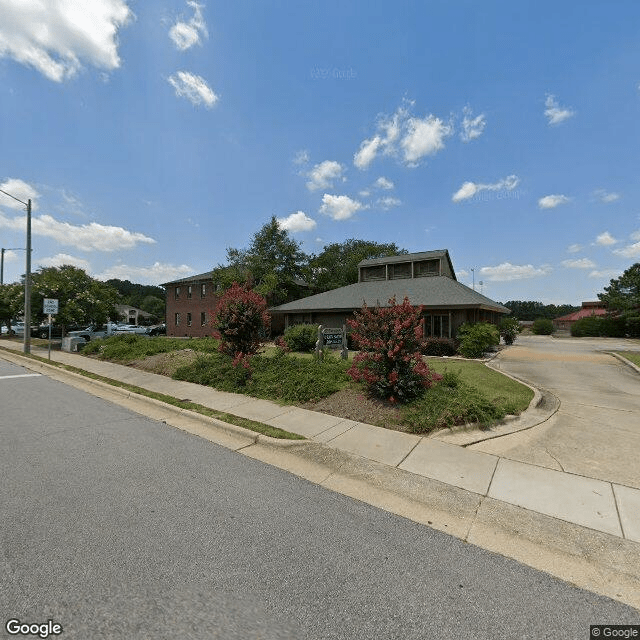
 Fayetteville Municipal (5 miles away)
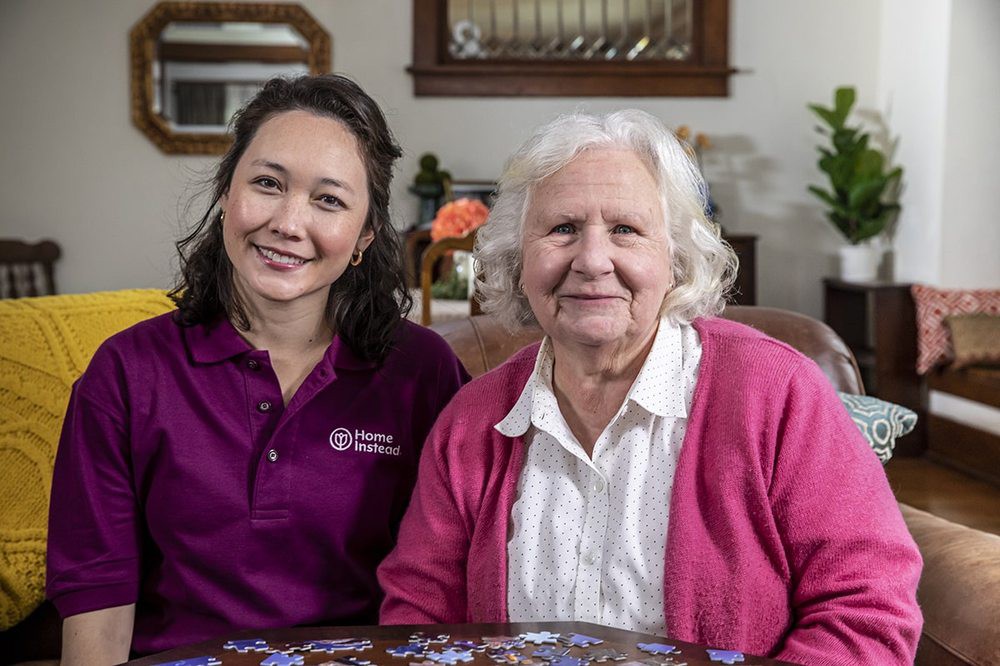
 Caring, professional staff with strong communication and reliable, personalized care.



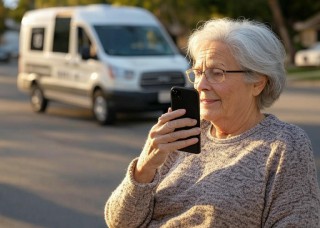 Seniors and Modern Transportation: Exploring Uber, Lyft, and Other Ride-Hailing Options
 Comprehensive Guide to Qualifying for Home Health Care Services
 Powerful Realities of Elder Abuse and the Most Effective Ways to Report It