
Fayetteville Manor in Fayetteville, NC

Save

Fayetteville Manor in Fayetteville, NC

231 Treetop Drive, Fayetteville, NC 28311

For more information about senior living options: (844) 490-3973

3.3 from 24 reviews
5 stars
11
4 stars
1
3 stars
3
2 stars
1
1 stars
8

Assisted Living Memory Care

Fayetteville Manor Costs & Pricing

Fayetteville Manor presents a distinctive pricing structure for its residential care services, with monthly costs that reflect the quality of care provided. In comparison to Cumberland County, where the average monthly expense for a semi-private room is $3,185 and a studio is approximately $4,212, Fayetteville Manor's rates are notably higher at $4,500 and $7,000 respectively. This positions it above both county and state averages - North Carolina's overall costs being $3,584 for semi-private accommodations and $4,020 for studios. While residents may find these prices elevated in relation to broader market rates, they often represent the enhanced amenities and personalized services available at Fayetteville Manor, ensuring a supportive and enriching environment for its residents.

Floor plansFayetteville ManorCumberland CountyNorth Carolina
Semi-Private$4,500$3,185$3,584
Studio$7,000$4,212$4,020

What level of care are you interested in?

Assisted Living

Memory Care

Independent Living

Skilled Nursing Facility

Continuing Care Retirement Community (CCRC)CCRC

Other


Request a tour at Fayetteville Manor

    Overall Review of Fayetteville Manor

    Pros

    • pro The facility is clean and smells fresh.
    • pro The attendants are caring and loving.
    • pro The staff are personable with residents and families and know them by name.
    • pro The facility provides loving and caring treatment to residents.
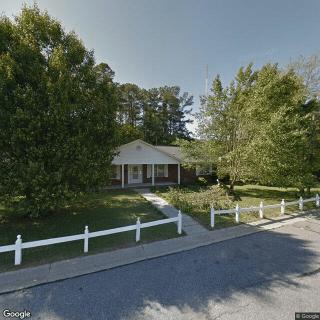
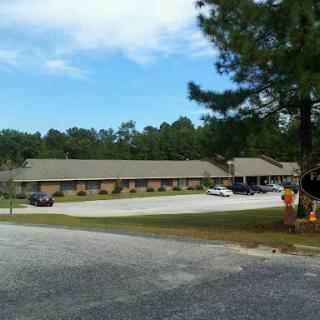
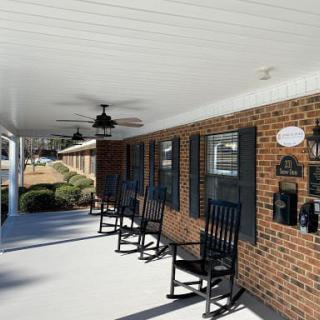
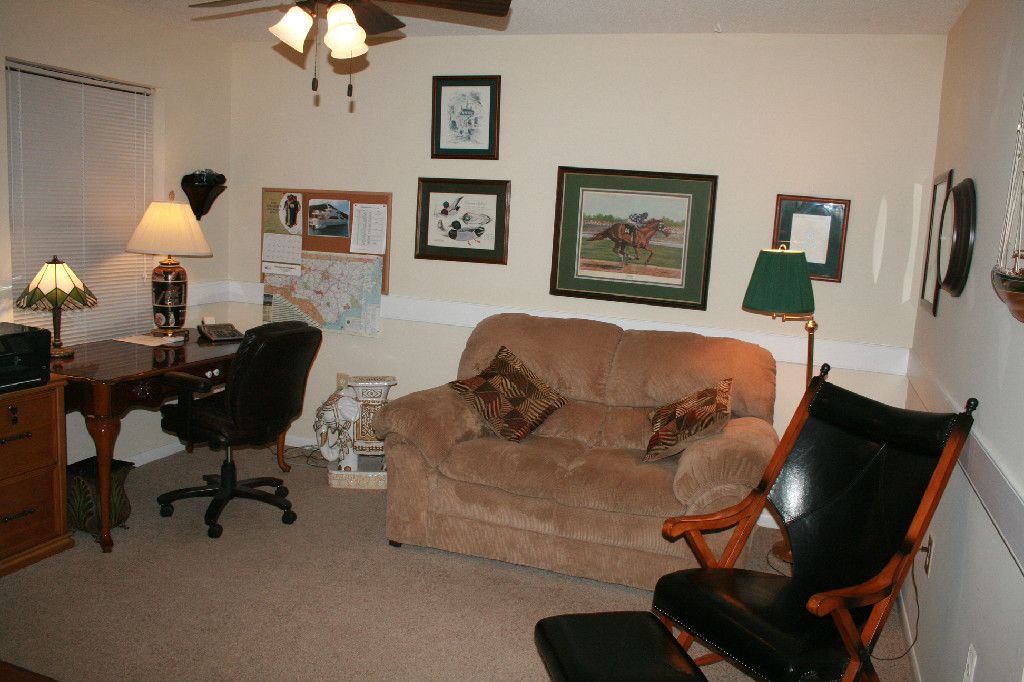
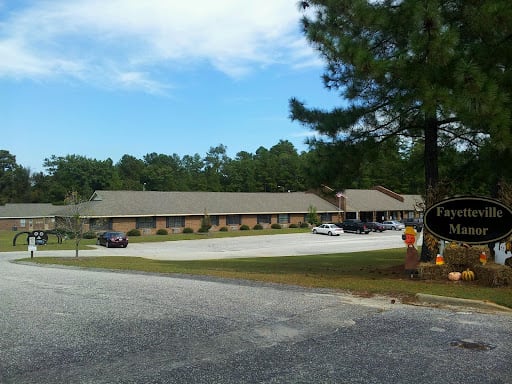
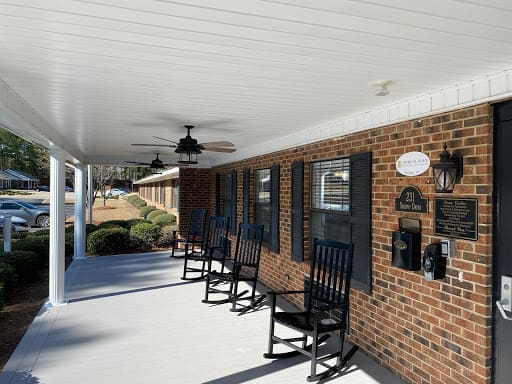
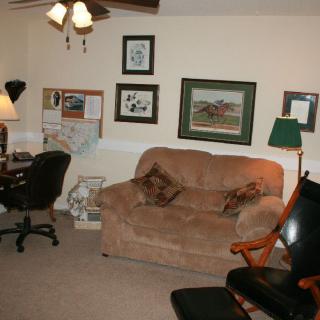
    • pro The building is beautiful, well-decorated, and has a homey feel, with a well-maintained yard.
    • pro Families report high satisfaction with the care and would absolutely recommend the facility to others.
    • pro The administrator is wonderful and the overall care is highly regarded.
    • pro They offer a wide range of activities for residents, including church, singing, exercising, arts and crafts, and gardening.
    • pro The staff take great care of residents and prioritize safety.

    Cons

    • pro The facility had incorrect prescriptions and poor oversight by staff.
    • pro Hospice was requested within months, suggesting rapid decline and mismanagement.
    • pro The resident became catatonic and severely dehydrated, with UTIs and pressure sores.
    • pro Nurses allegedly called her "shuffles" and failed to treat her with dignity.
    • pro A physician reportedly spent less than five minutes with her and sent her to the ER with a catatonia diagnosis.
    • pro She lost the ability to feed herself and perform basic tasks like standing and dressing.
    • pro The staff belittled residents, allowed medications to run out, and permitted unmasked individuals inside while families were blocked from visiting.

    Review

    Fayetteville Manor is best suited for families seeking a dementia-focused, memory-care environment that emphasizes a warm, home-like atmosphere and value-based pricing. Residents with Alzheimer's or other forms of dementia can benefit from a schedule built around social engagement - church services, singing, exercise, arts and crafts, gardening - and from staff who appear approachable and responsive to residents and families. The facility conveys a comfortable, non-institutional feel, with common rooms and a yard that invite visitation, which matters for families who want meaningful daily interaction and reassuring visibility into their loved one's routine.

    Those weighing alternatives should note who may want something different. If unwavering medical oversight and ironclad, high-touch care are non-negotiables, or if a smaller, more intimate setting is preferred, other options may better align with expectations. The reviews reveal a broad spectrum of care quality, including accounts of dismissive or neglectful behavior, medication lapses, and at least the perception of inconsistent safety and governance. For families demanding transparent governance, verifiable safety histories, and a track record of reliable outcomes, exploring other facilities with stronger regulatory and accountability safeguards is prudent.

    The strongest positives here are the clean, welcoming environment and the genuine warmth shown by many frontline caregivers. When attendants form real connections with residents, daily life feels calmer and more dignified, and families frequently report appreciation for staff who know their loved one's name and personality. Affordability and value also stand out, with some families noting notably lower costs than rival facilities while still delivering comfortable rooms and accessible, friendly staff. For families prioritizing social programming and a homey vibe, these elements can create a reassuring daily rhythm.

    However, the downsides are not minor. Several reviews describe serious concerns around care quality, including dehydration, wounds, medication management issues, and even episodes that could be construed as disrespectful or unsafe. Allegations range from belittling residents to gaps in supervision, with reports of access issues and belongings going missing. When such concerns surface, they point to potential systemic weaknesses in oversight and accountability. These are not cosmetic flaws; they represent real risk that can outweigh the visible warmth and cleanliness if left unaddressed.

    To decide with confidence, approach Fayetteville Manor with a concrete due-diligence plan. Schedule tours at different times of day, request meetings with the director of nursing and frontline caregivers, and probe policies on medication management, incident reporting, and family access. Check state regulatory histories and any open investigations, and ask for recent survey results and any corrective action plans. Seek candid references from current families about day-to-day consistency, responsiveness to concerns, and how changes in staff or routines have affected care. Demand a clear dementia-care program description and transparency around nurse-to-resident ratios.

    Bottom line: Fayetteville Manor can deliver a solid memory-care option for families prioritizing a home-like setting, social programming, and cost value, provided there is a readiness for active family involvement and ongoing oversight. It is less suitable for those needing unwavering medical oversight, consistently flawless day-to-day operations, and crystal-clear governance. If a meticulous vetting process is embraced, and alternatives are considered with the same rigor, this community deserves careful consideration. Weigh warmth, cleanliness, and accessible staff against the most serious red flags, and let those findings drive the final decision.

    Features

    Housing

    • 60 resident community capacity 60 resident community capacity
    • 1-bedroom apartments 1-bedroom apartments1-bedroom apartments are important for seniors because they provide a sense of independence, privacy, and autonomy while still offering the necessary space for comfortable living. These apartments allow seniors to maintain their own personal space and lifestyle preferences in a supportive community setting.
    • 2-bedroom apartments 2-bedroom apartments2-bedroom apartments are important for seniors because they provide extra space for guests, hobbies, and caregivers, as well as potential for additional income through roommates or rental.

    Types of Care

    • Assisted Living Assisted LivingAssisted living facilities provide crucial support and care for seniors who may need help with daily tasks such as medication management, bathing, and meal preparation. These communities offer a safe and comfortable environment where seniors can maintain their independence while receiving the assistance they need to thrive in their golden years.
    • Memory Care Memory CareMemory care is crucial for seniors as it provides specialized support and services for individuals with dementia or Alzheimer's disease. These programs offer a safe and secure environment where residents receive personalized care, cognitive stimulation, and help with daily activities. Memory care helps seniors maintain their independence, quality of life, and dignity while also providing peace of mind for their families.

    Amenities

    • Activities on-site Activities on-siteActivities on-site are important for seniors because they provide opportunities for socialization, mental stimulation, physical activity, and overall well-being. Engaging in activities can help seniors stay active, maintain their independence, and improve their quality of life.
    • Air-conditioning Air-conditioningAir conditioning is important for seniors as they are more vulnerable to heat-related illnesses and may have underlying health conditions that make it difficult for them to regulate their body temperature. It helps to keep them comfortable, safe, and healthy in hot weather.
    • Bath tubs Bath tubsBath tubs are important for seniors because they provide a safe and relaxing way to bathe, helping to prevent slips and falls while promoting independence and overall well-being.
    • Beautician on-site Beautician on-siteHaving a beautician on-site at a senior living community is important for seniors as it allows them to easily access grooming and personal care services, boosting their self-esteem and overall well-being. It also provides convenience and helps seniors maintain their sense of independence and personal style.
    • Beauty salon Beauty salonBeauty salons are important for seniors because they provide a space for them to feel pampered, socialize, and maintain their personal grooming and hygiene. Regular visits to a beauty salon can help boost seniors' self-esteem and overall well-being.
    • Cable or satellite TV Cable or satellite TVCable or satellite TV is important for seniors because it provides entertainment, news, and companionship, helping to combat loneliness and boredom. It also offers a wide range of programming options tailored to different interests and preferences.
    • Computer center Computer centerA computer center is essential for seniors as it provides access to technology, communication tools, and resources that can enhance their daily lives. It allows them to stay connected with loved ones, engage in online activities, and learn new skills, ultimately promoting socialization and mental stimulation.
    • Devotional services off-site Devotional services off-siteDevotional services off-site are important for seniors as they provide spiritual nourishment, social engagement, and a sense of community outside of the senior living facility. This can enhance overall well-being and help combat feelings of isolation and loneliness often experienced by older adults.
    • Dining room Dining roomDining rooms are important for seniors as they provide a space for socialization, connection, and nutritious meals. They offer opportunities for residents to bond over shared meals, foster a sense of community, and promote healthy eating habits. Dining rooms also ensure that seniors have access to well-balanced meals tailored to their dietary needs and preferences.
    • Financial aid Financial aidFinancial aid is crucial for seniors as it can help them cover the costs of essential living expenses such as housing, food, and healthcare. Many seniors have limited incomes and savings, so financial assistance programs can provide them with the necessary support to maintain a decent quality of life in their retirement years.
    • Financing advice Financing adviceFinancing advice is crucial for seniors as they navigate the complexities of retirement planning, including managing fixed incomes, healthcare costs, and potential long-term care needs. Proper financial guidance can help ensure seniors maintain financial stability and security in their golden years.
    • Fitness room Fitness roomHaving a fitness room in a senior living community is essential for seniors to stay active, maintain their physical health, and improve their overall well-being. Regular exercise can help prevent falls, reduce the risk of chronic diseases, and promote mental sharpness. It also provides social opportunities for residents to connect with others and enjoy a sense of community.
    • Fully furnished Fully furnishedFully furnished senior living communities are important for seniors because they provide convenience, comfort, and a hassle-free moving experience. Seniors can easily settle into their new living space without the stress of having to buy and move furniture. This allows them to focus on enjoying their new home and community.
    • Gaming room Gaming roomGaming rooms are important for seniors as they provide a fun and engaging environment for socializing, cognitive stimulation, and physical activity. Games can improve memory, problem-solving skills, and overall mental well-being while fostering friendships and reducing feelings of isolation.
    • Garden GardenGardens are important for seniors as they provide a peaceful and therapeutic environment for relaxation, physical activity, and socialization. Being in nature has been shown to reduce stress, improve mood, and promote overall well-being. Gardens also offer opportunities for seniors to engage in gardening activities, which can improve mobility, flexibility, and cognitive function. Additionally, gardens create a sense of community and connection with others who share a passion for plants and outdoor spaces.
    • Home sale assistance Home sale assistanceHome sale assistance is important for seniors because it can help alleviate the stress and complexities of selling their home. This service can provide guidance, support, and practical assistance throughout the entire selling process, allowing seniors to transition to a new living situation with ease and peace of mind.
    • Housekeeping services Housekeeping servicesHousekeeping services are important for seniors because they help maintain a clean and safe living environment, promote independence, and reduce the risk of accidents or illnesses. Additionally, having assistance with household chores can alleviate physical strain and allow seniors to focus on other aspects of their well-being.
    • Indoor common areas Indoor common areasIndoor common areas are crucial for seniors as they provide a space for socialization, recreation, and community engagement, promoting overall well-being and reducing feelings of isolation and loneliness.
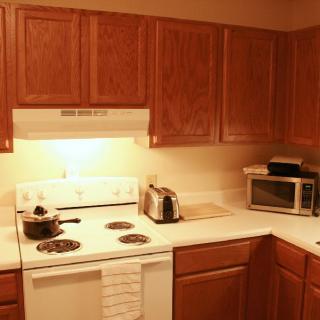
    • Kitchenette KitchenetteKitchenettes are important for seniors living in senior living communities because they provide the convenience and independence of being able to prepare simple meals and snacks in the comfort of their own living space. This can help promote a sense of autonomy and well-being for seniors, allowing them to maintain some level of control over their dietary choices and daily routines.
    • Move-in coordination Move-in coordinationMove-in coordination is important for seniors because it helps ease the transition into their new living environment. It ensures that all logistics, such as packing, organizing movers, and setting up utilities are taken care of, allowing seniors to focus on settling in and adjusting to their new home. Having a smooth move-in process can alleviate stress and anxiety, making the transition smoother and more enjoyable for seniors.
    • Outdoor common areas Outdoor common areasOutdoor common areas are important for seniors as they provide a space for socialization, physical activity, and relaxation. Being outside in nature can improve mood and overall well-being, while also encouraging movement and engagement with others. These spaces can help combat feelings of isolation and promote a sense of community among residents.
    • Outdoor space Outdoor spaceOutdoor spaces are important for seniors as they provide opportunities for physical activity, social interaction, exposure to natural light and fresh air, and a sense of connection to nature. Having access to outdoor spaces can improve overall well-being and quality of life for older adults living in senior communities.
    • Private bathrooms Private bathroomsPrivate bathrooms are important for seniors in senior living communities because they provide independence, dignity, and comfort. Having a private bathroom allows seniors to maintain their personal hygiene routines without the need for assistance, promoting a sense of autonomy and privacy. Additionally, private bathrooms help prevent the spread of infections and provide a safe and clean environment for seniors to navigate safely.
    • Respite or short term stays offered Respite or short term stays offeredRespite or short term stays provide seniors with a temporary solution when their regular caregiver is unavailable, offering them the opportunity to receive additional care and support during times of need, while also giving caregivers a chance to rest and recharge.
    • Restaurant-style dining Restaurant-style diningRestaurant-style dining is important for seniors because it allows them to enjoy delicious, nutritious meals in a social and upscale setting. This enhances their dining experience, promotes healthy eating habits, and fosters socialization with fellow residents, ultimately contributing to their overall well-being and quality of life.
    • Small library Small librarySmall libraries are important for seniors as they provide access to a variety of reading materials, including books, newspapers, and magazines. This can help stimulate their minds, keep them engaged, and provide a sense of community through book clubs and other social activities. Additionally, reading has been shown to improve cognitive function and overall mental well-being in older adults.
    • Telephone TelephoneTelephones are important for seniors as they provide a lifeline for communication with loved ones, emergency services, and healthcare providers. They offer a sense of security and independence, enabling seniors to stay connected and access assistance when needed.
    • VA Benefits Consultation VA Benefits ConsultationVA Benefits Consultations are important for seniors because they provide valuable information on the benefits and resources available to them as veterans. These consultations can help seniors access financial assistance, healthcare services, and other support that can greatly improve their quality of life in their later years.
    • Wellness center Wellness centerWellness centers are important for seniors because they offer a variety of programs and services that promote physical, mental, and emotional well-being. These centers provide opportunities for exercise, socialization, education, and relaxation, helping seniors maintain their overall health and quality of life.
    • Wi-Fi/high-speed internet available Wi-Fi/high-speed internet availableWi-Fi/high-speed internet is important for seniors to stay connected with loved ones, access online resources, and participate in virtual activities to combat feelings of loneliness and isolation. It also allows them to easily manage healthcare needs, access entertainment, and engage in lifelong learning opportunities.

    Transportation

    • Fayetteville Municipal (10 miles away) Fayetteville Municipal (10 miles away)
    • Community operated transportation Community operated transportationCommunity operated transportation is crucial for seniors as it provides them with the means to access essential services, social activities, and medical appointments. It allows seniors to maintain their independence and quality of life by ensuring they can participate in activities outside of their homes. Additionally, community-operated transportation services offer a safe and reliable way for seniors to travel without having to rely on family or friends for assistance.
    • Transportation arrangement Transportation arrangementTransportation arrangements are crucial for seniors as they may face challenges with driving, mobility, or access to public transportation. Having reliable transportation services ensures that seniors can easily attend appointments, social activities, and maintain their independence and quality of life.
    • Transportation arrangement (non-medical) Transportation arrangement (non-medical)Transportation arrangements are essential for seniors as they provide access to essential services, activities, and social interactions outside the home. This service helps maintain independence, mobility, and overall well-being for seniors who may have limited transportation options.
    • Transportation to doctors appointments Transportation to doctors appointmentsTransportation to doctors appointments is crucial for seniors as it ensures they have access to necessary medical care and support, promoting their health and well-being. It allows them to receive timely treatment, monitor existing conditions, and address any new health concerns efficiently. Additionally, transportation services can help seniors maintain their independence and quality of life by enabling them to stay connected with their healthcare providers.

    Care Services

    • 12-16 hour nursing 12-16 hour nursing12-16 hour nursing care is crucial for seniors in order to ensure around-the-clock monitoring, timely medication administration, and prompt response to any health concerns or emergencies. This level of care helps to promote the overall well-being and safety of seniors living in senior living communities.
    • 24-hour call system 24-hour call system24-hour call systems are important for seniors because they provide peace of mind and immediate assistance in case of emergencies. This technology ensures that help is always available, promoting safety and security for elderly individuals living alone or in assisted living facilities.
    • 24-hour supervision 24-hour supervision24-hour supervision is important for seniors to ensure their safety, well-being, and access to immediate assistance in case of emergencies or health issues. This constant support provides peace of mind for both seniors and their loved ones, allowing them to age in place with dignity and security.
    • Activities of daily living assistance Activities of daily living assistanceActivities of daily living assistance are important for seniors because they provide essential support with tasks such as eating, bathing, dressing, and mobility. This assistance helps seniors maintain their independence, dignity, and overall quality of life as they age.
    • Ambulatory care Ambulatory care"Ambulatory care services provide essential medical support and treatment to seniors without requiring hospitalization, allowing them to maintain their independence and quality of life while managing chronic conditions or receiving routine medical care."
    • Assistance with bathing Assistance with bathingAssistance with bathing is crucial for seniors as it helps maintain personal hygiene, prevents infections, and ensures their overall well-being and comfort. It also provides a sense of dignity and independence for seniors who may struggle with this task on their own.
    • Assistance with dressing Assistance with dressingAssistance with dressing is important for seniors because it helps maintain their independence, promotes personal hygiene, prevents accidents and injuries, and improves overall quality of life. This service ensures that seniors can continue to dress comfortably and confidently, despite any physical limitations they may have.
    • Assistance with transfers Assistance with transfersAssistance with transfers is crucial for seniors as it helps prevent falls and injuries, maintains their independence, and ensures they can safely navigate their living environment. It also provides peace of mind for both seniors and their loved ones.
    • Diabetes diet Diabetes dietA diabetes diet is crucial for seniors as it helps manage blood sugar levels, reduce risks of complications, and improve overall health and well-being. By following a balanced and nutritious diet tailored to their specific needs, seniors can better control their diabetes and enhance their quality of life.
    • Diabetic care Diabetic careDiabetic care is crucial for seniors as they are more susceptible to developing diabetes due to aging and other health conditions. Proper management of diabetes can help prevent complications such as heart disease, vision loss, and nerve damage, improving the overall quality of life for seniors in senior living communities.
    • Incontinence care Incontinence careIncontinence care is essential for seniors to maintain their dignity, hygiene, and overall quality of life. By addressing incontinence issues promptly and effectively, seniors can enjoy a sense of independence and comfort in their daily activities.
    • Meal preparation and service Meal preparation and serviceMeal preparation and service are crucial for seniors as they may have limited mobility or energy to cook nutritious meals. Having access to healthy and convenient food options can ensure they are getting the proper nutrition needed to maintain their overall health and well-being.
    • Medication management Medication managementMedication management is crucial for seniors to ensure they are taking the right medications at the correct dosages and times. This helps prevent adverse drug interactions, reduces the risk of medication errors, and promotes overall health and well-being. Proactive management also allows for adjustments as needed based on changing health conditions or new prescriptions.
    • Mental wellness program Mental wellness programMental wellness programs are essential for seniors as they promote cognitive stimulation, emotional support, and social engagement. These programs help prevent isolation, depression, and cognitive decline, ultimately enhancing the overall quality of life for older adults.
    • Special dietary restrictions Special dietary restrictionsSpecial dietary restrictions are important for seniors because age-related changes in metabolism and health conditions can make it difficult for their bodies to process certain foods. By following a diet tailored to their specific needs, seniors can maintain their overall health and well-being, manage chronic conditions, and reduce the risk of complications such as malnutrition or food interactions with medications.

    Dining

    • Diabetes diet Diabetes dietA diabetes diet is crucial for seniors as it helps manage blood sugar levels, reduce risks of complications, and improve overall health and well-being. By following a balanced and nutritious diet tailored to their specific needs, seniors can better control their diabetes and enhance their quality of life.
    • Meals provided Meals provided"Meals provided" are crucial for seniors in assisted living communities as it ensures they have access to nutritious, balanced meals without the stress of meal planning and preparation. This can help promote overall health and well-being for seniors who may have limited mobility or cognitive abilities.
    • Special dietary restrictions Special dietary restrictionsSpecial dietary restrictions are important for seniors because age-related changes in metabolism and health conditions can make it difficult for their bodies to process certain foods. By following a diet tailored to their specific needs, seniors can maintain their overall health and well-being, manage chronic conditions, and reduce the risk of complications such as malnutrition or food interactions with medications.

    Activities

    • Activities on-site Activities on-siteActivities on-site are important for seniors because they provide opportunities for socialization, mental stimulation, physical activity, and overall well-being. Engaging in activities can help seniors stay active, maintain their independence, and improve their quality of life.
    • BBQs or picnics BBQs or picnicsBBQs or picnics provide seniors with social interaction, enjoyment of the outdoors, and a sense of community, contributing to their overall well-being and quality of life.
    • Birthday parties Birthday partiesBirthday parties are important for seniors as they provide an opportunity for celebration, socialization, and joy. They allow seniors to feel special and appreciated, boosting their mood and overall well-being. Additionally, birthday parties can help combat feelings of isolation and loneliness by fostering connections with friends, family, and community members.
    • Community-sponsored activities Community-sponsored activitiesCommunity-sponsored activities are important for seniors as they provide opportunities for social interaction, mental stimulation, and physical activity. These activities can help improve overall well-being, combat loneliness and isolation, and promote a sense of belonging and purpose among older adults.
    • Concierge services Concierge servicesConcierge services are essential for seniors as they provide assistance with daily tasks and errands, enhance their quality of life by offering convenience and personalized care, and promote a sense of safety and security.
    • Devotional activities offsite Devotional activities offsiteDevotional activities offsite are important for seniors because they provide social engagement, spiritual growth, and a sense of community outside of their living environment. This can improve overall well-being, mental health, and combat feelings of isolation or loneliness.
    • Fitness programs Fitness programsFitness programs are crucial for seniors as they help improve strength, flexibility, balance, and overall well-being. Staying active can reduce the risk of chronic diseases, improve mental health, and enhance quality of life in older adults.
    • Holiday parties Holiday partiesHoliday parties are important for seniors because they provide opportunities for socialization, community involvement, and mental stimulation. These festive events offer a sense of belonging and connection during a time that can be lonely for many older adults. Additionally, participating in holiday celebrations can boost mood and overall well-being for seniors living in senior living communities.
    • Live musical performances Live musical performancesLive musical performances can provide seniors with a sense of joy, nostalgia, and connection. Music has the power to evoke emotions and memories, improve mood and cognitive function, and foster social interaction among seniors. It can also serve as a form of therapy and stress relief for older adults, making it an important activity to include in senior living communities.
    • Planned day trips Planned day tripsPlanned day trips are important for seniors because they offer opportunities for socialization, mental stimulation, and physical activity. They provide a change of scenery and help seniors stay engaged and connected to their community, promoting overall well-being and quality of life.
    • Resident-run activities Resident-run activitiesResident-run activities are important for seniors as they encourage social interaction, creativity, and a sense of autonomy. These activities empower seniors to stay engaged and active in their community while fostering meaningful connections with their peers.
    • Scheduled daily activities Scheduled daily activitiesScheduled daily activities are important for seniors because they provide structure, socialization, mental stimulation, and physical activity. Engaging in regular activities can improve overall well-being and quality of life for seniors living in a community setting.

    Languages Spoken

    • English EnglishEnglish is important for seniors as it allows them to communicate effectively with healthcare providers, understand important information related to their health and medications, stay connected with loved ones, and engage in social activities within their communities. It also opens up opportunities for lifelong learning and intellectual stimulation.

    Description

    Fayetteville Manor in Fayetteville, NC offers 2-bedroom apartments for seniors in need of memory care. Our community provides a comfortable and secure environment for individuals with memory impairments.

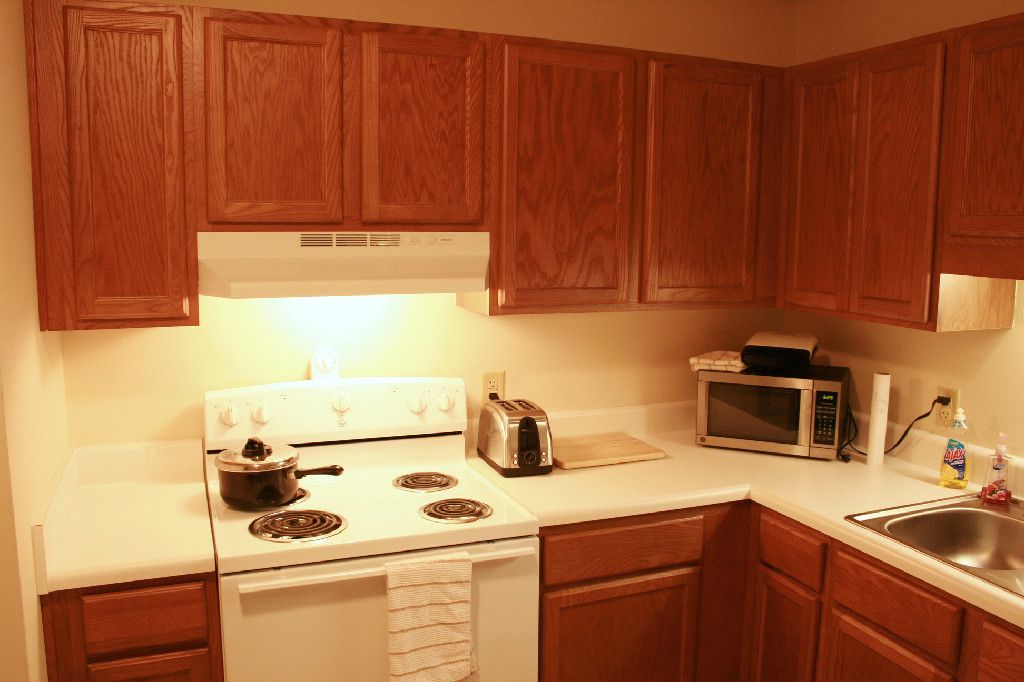
    Residents at Fayetteville Manor enjoy a range of amenities to enhance their quality of life. Each apartment is equipped with air-conditioning and private bathrooms, while communal areas include a dining room, fitness room, gaming room, small library, and beautiful outdoor spaces. For convenience, we offer housekeeping services and move-in coordination. Residents can also take advantage of our computer center and Wi-Fi/high-speed internet.

    Our dedicated staff is available 24/7 to provide assistance with activities of daily living such as bathing, dressing, and transfers. We also offer specialized care for residents with diabetes or incontinence needs. Medication management and mental wellness programs are provided to ensure the overall well-being of our residents.

    At Fayetteville Manor, we believe in promoting an active lifestyle through a variety of activities and events. Residents can participate in BBQs or picnics, birthday parties, fitness programs, holiday parties, live musical performances, planned day trips, and resident-run activities. We work closely with the community to organize off-site devotional activities and transportation arrangements.

    Our community is conveniently located near various amenities including cafes, parks, pharmacies, and physicians' offices. Transportation arrangement services are available for non-medical purposes as well as doctor's appointments. Additionally, we provide VA Benefits Consultation for eligible residents.

    Fayetteville Manor understands the importance of good nutrition; therefore we provide meals that cater to special dietary restrictions while offering restaurant-style dining experiences.

    If you or your loved one is seeking a supportive memory care community with exceptional amenities and care services in Fayetteville, NC area, Fayetteville Manor may be the perfect fit.

    Nearby Places of Interest

    This part of Fayetteville, North Carolina offers a variety of amenities and services that may be appealing to seniors looking to settle in the area. With a range of dining options such as Burger King, Applebee's, and Nona Sushi Asia nearby, residents can enjoy convenient access to diverse culinary experiences. Additionally, pharmacies like Walmart Pharmacy and Cape Fear Discount Drugs North provide easy access to essential medications and healthcare supplies. For medical needs, there are reputable facilities such as Cape Fear Orthopaedic Clinic and Womack Army Medical Center in close proximity. The presence of parks like Smith Lake offers opportunities for outdoor recreation and relaxation. Overall, this part of Fayetteville presents a well-rounded community with convenient access to various amenities that cater to the needs of seniors.

    Restaurants

    • Burger King (0.4 miles)
    • Applebee's (0.4 miles)
    • Nona Sushi Asia (0.7 miles)
    • Pelican's Snoballs (0.8 miles)
    • Jersey Mike's (0.9 miles)
    • McDonald's (2 miles)
    • Little Caesars Pizza (5.1 miles)

    Pharmacies

    • Walmart Pharmacy (0.5 miles)
    • Cape Fear Discount Drugs North (0.6 miles)
    • Womack Pharmacy Annex (6.9 miles)
    • Anderson Creek Pharmacy (10.2 miles)
    • CVS Pharmacy (13.4 miles)

    Cafes

    • Starbucks (0.7 miles)
    • Lol Tea and Coffee (6.3 miles)

    Physicians

    • Cape Fear Orthopaedic Clinic (1.1 miles)
    • North Ramsey Dialysis Center (1.3 miles)
    • Cape Fear Valley (4.2 miles)
    • Family Medicine and Acute Care of Sandhills (13.4 miles)

    Parks

    • Smith Lake (2.7 miles)

    Theaters

    • AMC Fayetteville 14 (6.4 miles)

    Hospitals

    • Womack Army Medical Center (7.4 miles)

    Frequently Asked Questions

    How much does it cost to live at Fayetteville Manor in Fayetteville, NC?
    What floor plans and room types does Fayetteville Manor offer?
    Where is Fayetteville Manor?
    Does Fayetteville Manor provide care for residents with dementia or Alzheimer's disease?
    What photos are available for Fayetteville Manor in Fayetteville, North Carolina?

    Nearby Communities

    • Leach's Family Care Home

      Leach's Family Care Home

      Fayetteville, NC


      pro Small, home-like setting with personalized care and diabetes-friendly dining.

    • Whispering Pines Nursing & Rehab

      Whispering Pines Nursing & Rehab

      Fayetteville, NC

      3.6 from 7 reviews
       

      pro Friendly, responsive staff; clean, spacious rooms with engaging activities.

    • NC State Veterans Nursing

      NC State Veterans Nursing

      Fayetteville, NC

      4 from 2 reviews
       

      pro Compassionate atmosphere and quality of care.

    • Nc State Veterans Home - Fayetteville

      Nc State Veterans Home - Fayetteville

      Fayetteville, NC

      4.3 from 28 reviews
       

      pro Caring staff in a clean, homey, veteran-focused setting.

    • Jean's Rest Home

      Jean's Rest Home

      Fayetteville, NC


      pro Nurturing, vibrant assisted living with convenient access to abundant local amenities and services.

    • Woodlands Nursing & Rehabilitation Center

      Woodlands Nursing & Rehabilitation Center

      Fayetteville, NC

      3.1 from 67 reviews
       

      pro Compassionate staff and engaging activities.

    • The Carolina Inn

      The Carolina Inn

      Fayetteville, NC

      4.3 from 41 reviews
      $3,375 to $5,625 / month

      pro Beautiful, clean, and elegant setting with friendly staff and high-quality dining.

    • Carolina Rehab Center Of Cumberland

      Carolina Rehab Center Of Cumberland

      Fayetteville, NC

      4.6 from 102 reviews
       

      pro Compassionate staff, especially Mary the activity director, with strong resident engagement and emergency responsiveness.

    • Harmony at Hope Mills

      Harmony at Hope Mills

      Fayetteville, NC

      4.3 from 153 reviews
      $3,245 to $5,545 / month

      pro Clean, welcoming environment with friendly staff and engaging activities.

    Related Resources

    • end stage dementiaComprehensive Insights on the Late Stages of Dementia: What to Expect and How to Provide Care

      The article discusses the late stages of dementia, detailing the progression from mild to severe impairment and highlighting key characteristics such as profound cognitive decline and dependency in daily activities. It emphasizes care strategies focused on comfort and dignity, the importance of advance directives, and the emotional support needed for family caregivers facing this challenging journey.

    • list of drugs linked to dementiaMedications Associated with Dementia Risk: A Comprehensive Overview

      The article examines the link between certain medications and increased dementia risk, particularly in older adults, emphasizing that long-term or high-dose use of anticholinergics, benzodiazepines, and other drug classes can exacerbate cognitive impairment. It calls for careful medication evaluation and shared decision-making to mitigate these risks while managing treatment efficacy.

    • power of attorney for elderly parentGuiding Your Journey: Understanding Power of Attorney for Elderly Parents

      The article emphasizes the significance of establishing a power of attorney for elderly parents to enable an agent to make decisions on their behalf regarding health and finances, especially during cognitive or physical decline. It outlines various types of power of attorney, the importance of consulting legal professionals, and the responsibilities and challenges faced by agents, while also discussing alternatives and common misconceptions.


    Get Pricing Ask A Question Schedule A Tour Contact Senior Advisor