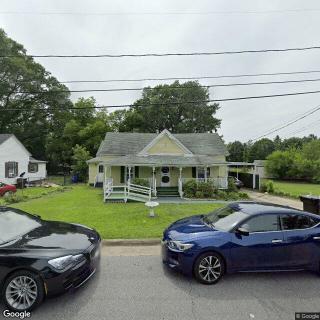
Richardson Family Care Home Phase II in Durham, NC

1913 Haverford Street, Durham, NC 27705

For more information about senior living options: (844) 490-3973

4.8 from 13 reviews
5 stars
12
4 stars
0
3 stars
0
2 stars
1
1 stars
0

Assisted Living Board and Care Home

Overall Review of Richardson Family Care Home Phase II

Pros

  • pro The staff are compassionate and genuinely care for their residents.
  • pro The facility is consistently clean and well maintained.
  • pro The director is caring and patient, taking time to answer questions.
  • pro Residents enjoy engaging activities and make new friends.
  • pro Families have peace of mind knowing their loved ones are safe and well cared for.
  • pro The meals are plentiful and thoughtfully provided, with snacks between meals.
  • pro The facility has maintained a 100 percent sanitation rating.
  • pro The community feels like family, with staff who treat residents with respect.
  • pro The environment is safe, supportive, and welcoming for visits.
  • pro Families report their loved ones are happier and more content since moving in.

Cons

  • pro The staff were described as having an attitude.
  • pro There were concerns about medication and doctor neglect/mismanagement.
  • pro The price was noted as being three times higher than comparable facilities.
  • pro The reviewer doubted the claim of a 100% grade A inspection rating, calling it unbelievable.

Review

Richardson Family Care Home Phase II is best suited for families seeking a small, home-like setting where the care team builds real relationships with residents. It works well for seniors who flourish with a predictable routine, hands-on supervision, and a community atmosphere that prioritizes safety and companionship over bustling campus life. Residents who are mainly independent with some assistance, including cognitive support, will find the environment supportive, as staff focus on daily activities, medication reminders, and social engagement. The option suits families who want transparent, personalized attention - where the director and caregivers know the resident's preferences and respond quickly to changes in mood, appetite, or mobility.

Those whose primary need is intensive medical oversight or memory care within a secure, campus-style setting may want to consider alternatives. Facilities with higher nurse-to-resident ratios, on-site physicians, or specialized dementia units can address more complex clinical demands or aggressive behaviors. If continuity of medical management and a broader range of on-site therapies are non-negotiable, Richardson Phase II should be weighed against larger operators whose infrastructures are designed for higher acuity.

From the vantage of families that prioritize character and consistency, Richardson Phase II offers several robust strengths. The environment tends to be clean, organized, and welcoming, with staff who demonstrate warmth and reliability in daily interactions. Medication administration appears to be handled with care and routine attention, and residents typically receive meals that are regular and satisfying, complemented by opportunities for social activities that foster friendships. The presence of a stable leadership team is noted as a reassurance, with managers who take health changes seriously and work to keep families informed and involved in the plan of care.

On the downside, no community is without friction, and Richardson Phase II is not an exception in this set. One reviewer flagged concerns about staff attitude and potential gaps in medication or doctor management. While such reports may be isolated, they remind families to probe concrete policies - how medications are tracked, how doctors' orders are interpreted, and how concerns are escalated. Prospective residents should request sample care plans, verify how often staff turnover occurs, and observe how new residents are oriented into the routine to ensure consistency across shifts.

Despite these caveats, the positives often outweigh the drawbacks for a resident who values intimacy and attentiveness. The small, homelike scale reduces the risk of residents slipping through the cracks and makes supervision more tangible for families. Direct access to a personable management team means issues can be raised and resolved with less red tape, and the day-to-day life - meals, activities, and quiet lounges - tends to feel like a real community, not a monitored enclave. These dynamics can mitigate concerns about medical management when the facility demonstrates rigorous protocols and transparent communication.

Decision-makers should match expectations with Richardson Family Care Home Phase II's profile: a cozy, caregiver-focused setting where relationships drive care and routines reinforce dignity. If that aligns with the priority - safety, connection, and a home-like atmosphere - this community can be a strong choice. If the need is expansive clinical services, a larger campus, or a dedicated memory-care wing, alternative options should be explored. The prudent next step is a thorough visit: tour the home, speak with the director, talk to current families, and review care plans and medication policies to confirm alignment with the loved one's medical and personal needs.

Features

Housing

  • 4 resident community capacity 4 resident community capacity

Types of Care

  • Assisted Living Assisted LivingAssisted living facilities provide crucial support and care for seniors who may need help with daily tasks such as medication management, bathing, and meal preparation. These communities offer a safe and comfortable environment where seniors can maintain their independence while receiving the assistance they need to thrive in their golden years.
  • Board and Care Home Board and Care HomeBoard and care homes provide a smaller, more intimate setting for seniors who require assistance with daily tasks but do not need the level of care offered by a nursing home. They offer personalized care, meals, and social activities in a homelike environment, ensuring that seniors receive individualized attention and support in their golden years.

Amenities

  • Cable or satellite TV Cable or satellite TVCable or satellite TV is important for seniors because it provides entertainment, news, and companionship, helping to combat loneliness and boredom. It also offers a wide range of programming options tailored to different interests and preferences.
  • Dining room Dining roomDining rooms are important for seniors as they provide a space for socialization, connection, and nutritious meals. They offer opportunities for residents to bond over shared meals, foster a sense of community, and promote healthy eating habits. Dining rooms also ensure that seniors have access to well-balanced meals tailored to their dietary needs and preferences.
  • Fully furnished Fully furnishedFully furnished senior living communities are important for seniors because they provide convenience, comfort, and a hassle-free moving experience. Seniors can easily settle into their new living space without the stress of having to buy and move furniture. This allows them to focus on enjoying their new home and community.
  • Garden GardenGardens are important for seniors as they provide a peaceful and therapeutic environment for relaxation, physical activity, and socialization. Being in nature has been shown to reduce stress, improve mood, and promote overall well-being. Gardens also offer opportunities for seniors to engage in gardening activities, which can improve mobility, flexibility, and cognitive function. Additionally, gardens create a sense of community and connection with others who share a passion for plants and outdoor spaces.
  • Housekeeping services Housekeeping servicesHousekeeping services are important for seniors because they help maintain a clean and safe living environment, promote independence, and reduce the risk of accidents or illnesses. Additionally, having assistance with household chores can alleviate physical strain and allow seniors to focus on other aspects of their well-being.
  • Move-in coordination Move-in coordinationMove-in coordination is important for seniors because it helps ease the transition into their new living environment. It ensures that all logistics, such as packing, organizing movers, and setting up utilities are taken care of, allowing seniors to focus on settling in and adjusting to their new home. Having a smooth move-in process can alleviate stress and anxiety, making the transition smoother and more enjoyable for seniors.
  • Outdoor space Outdoor spaceOutdoor spaces are important for seniors as they provide opportunities for physical activity, social interaction, exposure to natural light and fresh air, and a sense of connection to nature. Having access to outdoor spaces can improve overall well-being and quality of life for older adults living in senior communities.
  • Telephone TelephoneTelephones are important for seniors as they provide a lifeline for communication with loved ones, emergency services, and healthcare providers. They offer a sense of security and independence, enabling seniors to stay connected and access assistance when needed.
  • Wi-Fi/high-speed internet available Wi-Fi/high-speed internet availableWi-Fi/high-speed internet is important for seniors to stay connected with loved ones, access online resources, and participate in virtual activities to combat feelings of loneliness and isolation. It also allows them to easily manage healthcare needs, access entertainment, and engage in lifelong learning opportunities.

Transportation

  • Raleigh-Durham International (13 miles away) Raleigh-Durham International (13 miles away)

Care Services

  • 24-hour supervision 24-hour supervision24-hour supervision is important for seniors to ensure their safety, well-being, and access to immediate assistance in case of emergencies or health issues. This constant support provides peace of mind for both seniors and their loved ones, allowing them to age in place with dignity and security.
  • Activities of daily living assistance Activities of daily living assistanceActivities of daily living assistance are important for seniors because they provide essential support with tasks such as eating, bathing, dressing, and mobility. This assistance helps seniors maintain their independence, dignity, and overall quality of life as they age.
  • Assistance with bathing Assistance with bathingAssistance with bathing is crucial for seniors as it helps maintain personal hygiene, prevents infections, and ensures their overall well-being and comfort. It also provides a sense of dignity and independence for seniors who may struggle with this task on their own.
  • Assistance with dressing Assistance with dressingAssistance with dressing is important for seniors because it helps maintain their independence, promotes personal hygiene, prevents accidents and injuries, and improves overall quality of life. This service ensures that seniors can continue to dress comfortably and confidently, despite any physical limitations they may have.
  • Assistance with transfers Assistance with transfersAssistance with transfers is crucial for seniors as it helps prevent falls and injuries, maintains their independence, and ensures they can safely navigate their living environment. It also provides peace of mind for both seniors and their loved ones.
  • Coordination with health care providers Coordination with health care providersCoordination with health care providers is crucial for seniors to ensure proper medical care, medication management, and overall well-being. This collaboration helps prevent overlapping treatments, track progress more effectively, and provide comprehensive support tailored to individual needs.
  • Diabetes diet Diabetes dietA diabetes diet is crucial for seniors as it helps manage blood sugar levels, reduce risks of complications, and improve overall health and well-being. By following a balanced and nutritious diet tailored to their specific needs, seniors can better control their diabetes and enhance their quality of life.
  • Meal preparation and service Meal preparation and serviceMeal preparation and service are crucial for seniors as they may have limited mobility or energy to cook nutritious meals. Having access to healthy and convenient food options can ensure they are getting the proper nutrition needed to maintain their overall health and well-being.
  • Medication management Medication managementMedication management is crucial for seniors to ensure they are taking the right medications at the correct dosages and times. This helps prevent adverse drug interactions, reduces the risk of medication errors, and promotes overall health and well-being. Proactive management also allows for adjustments as needed based on changing health conditions or new prescriptions.
  • Special dietary restrictions Special dietary restrictionsSpecial dietary restrictions are important for seniors because age-related changes in metabolism and health conditions can make it difficult for their bodies to process certain foods. By following a diet tailored to their specific needs, seniors can maintain their overall health and well-being, manage chronic conditions, and reduce the risk of complications such as malnutrition or food interactions with medications.
  • Transportation arrangement (medical) Transportation arrangement (medical)Transportation arrangements for medical purposes are essential for seniors as they may have difficulty driving themselves to appointments or accessing public transportation. Having reliable and safe transportation options ensures that seniors can receive timely medical care and maintain their health and well-being.
  • Transportation to doctors appointments Transportation to doctors appointmentsTransportation to doctors' appointments is crucial for seniors as it ensures they have access to necessary medical care and support for their health needs. Without reliable transportation, seniors may struggle to attend important appointments, leading to potential delays in treatment and health complications. Providing transportation services helps seniors maintain their overall well-being and quality of life.
Dining

  • Diabetes diet Diabetes dietA diabetes diet is crucial for seniors as it helps manage blood sugar levels, reduce risks of complications, and improve overall health and well-being. By following a balanced and nutritious diet tailored to their specific needs, seniors can better control their diabetes and enhance their quality of life.
  • Special dietary restrictions Special dietary restrictionsSpecial dietary restrictions are important for seniors because age-related changes in metabolism and health conditions can make it difficult for their bodies to process certain foods. By following a diet tailored to their specific needs, seniors can maintain their overall health and well-being, manage chronic conditions, and reduce the risk of complications such as malnutrition or food interactions with medications.

Activities

  • Community-sponsored activities Community-sponsored activitiesCommunity-sponsored activities are important for seniors as they provide opportunities for social interaction, mental stimulation, and physical activity. These activities can help improve overall well-being, combat loneliness and isolation, and promote a sense of belonging and purpose among older adults.
  • Scheduled daily activities Scheduled daily activitiesScheduled daily activities are important for seniors because they provide structure, socialization, mental stimulation, and physical activity. Engaging in regular activities can improve overall well-being and quality of life for seniors living in a community setting.

Description

Richardson Family Care Home Phase II is an assisted living community located in Durham, NC. Our board and care home provides a warm and inviting environment for seniors who require assistance with daily activities and personal care.

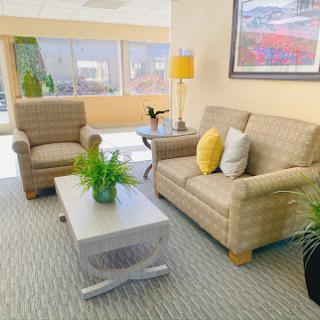
Our community offers fully furnished accommodations, ensuring that residents feel comfortable and at ease in their new homes. We have a dining room where nutritious meals are prepared and served, taking into consideration any special dietary restrictions or preferences.

At Richardson Family Care Home Phase II, we understand the importance of maintaining an active and engaging lifestyle. That is why we offer scheduled daily activities to keep our residents mentally and physically stimulated. Additionally, our outdoor space provides a peaceful setting where residents can relax and enjoy nature.

We prioritize the well-being of our residents by providing housekeeping services to ensure clean and tidy living spaces. Our staff also assists with activities of daily living such as bathing, dressing, and transfers, promoting independence while ensuring safety.

We understand the importance of coordinating with healthcare providers to ensure that our residents receive the necessary medical attention they require. Our team also assists with medication management to ensure proper dosages are taken at the right times.

Transportation arrangements for medical appointments are available to our residents, providing convenience and peace of mind. Nearby pharmacies, physicians' offices, hospitals, cafes, restaurants, places of worship, and parks make it easy for our residents to access essential services and engage in recreational activities.

Richardson Family Care Home Phase II is committed to providing a nurturing environment that promotes the physical, emotional, and social well-being of our residents. With our comprehensive care services and convenient amenities nearby, families can trust that their loved ones will receive exceptional care in a loving community atmosphere.

Nearby Places of Interest

Pharmacies

  • Walgreens (0.3 miles)
  • CVS Pharmacy (2.2 miles)
  • Walgreens (2.2 miles)
  • Walgreens (2.9 miles)
  • CVS Pharmacy (5.5 miles)
  • Walgreens (7.5 miles)
  • CVS Pharmacy (7.7 miles)

Restaurants

  • Bojangles' Famous Chicken 'n Biscuits (0.8 miles)
  • Locopops (1.4 miles)
  • Chick-Fil-A (1.9 miles)
  • Mothers and Sons Trattoria (2.1 miles)
  • McDonald's (2.2 miles)
  • Cracker Barrel (2.3 miles)
  • Picnic (2.6 miles)

Hospitals

  • Durham Regional Hospital (1 miles)
  • Duke Hospital of Dentistry & Facial Pain (2 miles)
  • North Carolina Cancer Hospital (11.4 miles)
  • UNC Transplant Clinic (11.5 miles)

Parks

  • Northgate Park (1.1 miles)
  • Whippoorwill Park (1.5 miles)
  • Bethesda Park (6.8 miles)
  • Piney Wood Park (7.6 miles)
  • Cedar Falls Park (8.1 miles)
  • Homestead Skate Park (9.7 miles)
  • Grandale Park (10.4 miles)

Physicians

  • Garrett S Bressler, MD (1.4 miles)
  • Avance Care (2 miles)
  • North Carolina Orthopaedic Clinic (6.5 miles)
  • Duke Primary Care Sage Road Pediatrics (7.7 miles)
  • Chapel Hill Pediatrics & Adolescents Pa (7.8 miles)
  • Duke Health Center (8.1 miles)
  • Chapel Hill Implant and Oral Surgery Center (8.7 miles)

Cafes

  • Cocoa Cinnamon (1.7 miles)
  • Starbucks (4.7 miles)
  • Starbucks (6.7 miles)
  • Starbucks (8.5 miles)
  • Panera Bread (8.7 miles)
  • Starbucks (8.8 miles)
  • Starbucks (8.8 miles)

Places of Worship

  • Duke University Chapel (2.3 miles)
  • Yates Baptist Church (3.9 miles)
  • Judea Reform Congregation (4.1 miles)
  • Church of Reconciliation PC USA (9 miles)
  • New Hope Church (9.7 miles)
  • St Matthew's Episcopal Church (10.7 miles)

Theaters

  • AMC DINE-IN Southpoint 17 (8.6 miles)

Frequently Asked Questions

Where is Richardson Family Care Home Phase II?

Nearby Communities

  • Ruffin Home

    Ruffin Home

    Durham, NC


    pro Convenient, nurturing assisted living with nearby amenities (cafes, parks, pharmacies, restaurants, worship, hospitals).

  • M & L Family Care

    M & L Family Care

    Durham, NC


    pro Intimate, home-like board-and-care with personalized attention and nearby amenities.

  • Lattimore Health Care,  LLC

    Lattimore Health Care, LLC

    Durham, NC

    4.8 from 100 reviews
     

    pro Convenient location with nearby amenities and pet-friendly policy.

  • Health Care Options of the Triangle,  Inc

    Health Care Options of the Triangle, Inc

    Durham, NC

    2.9 from 55 reviews
     

    pro Prompt, reliable caregivers and proactive guidance to external resources.

  • Central Family Care Home

    Central Family Care Home

    Durham, NC

    3.7 from 3 reviews
     

    pro Small, intimate setting with personalized care.

  • Angelica Houses Family Care Home

    Angelica Houses Family Care Home

    Durham, NC

    2.6 from 12 reviews
     

    pro Home-like, small-community atmosphere with attentive, well-trained staff.

  • Pettigrew Rehabilitation Center

    Pettigrew Rehabilitation Center

    Durham, NC

    3.3 from 72 reviews
     

    pro 24/7 care with ADL support, restaurant-style dining, and engaging activities.

  • Veranda at Whitted School

    Veranda at Whitted School

    Durham, NC

    4.1 from 15 reviews
    $569 to $759 / month

    pro Welcoming atmosphere with responsive maintenance.

  • Pruitthealth – Carolina Point,  LLC

    Pruitthealth – Carolina Point, LLC

    Durham, NC

    3.3 from 123 reviews
    $5,580 to $5,745 / month

    pro Some families hope for reliable care and compassionate treatment for their loved ones.

Related Resources

  • va benefits for assisted livingAssisted Living Support for Veterans: A Complete and Detailed Overview

    The guide highlights the importance of assisted living facilities for aging veterans needing daily support, discusses unique challenges they face, and outlines available financial assistance from the VA, including the Aid and Attendance program. It emphasizes understanding eligibility criteria and navigating the VA system to access necessary benefits effectively.

  • assisted living vs skilled nursingExploring the Contrasts Between Assisted Living and Skilled Nursing

    The article compares assisted living and skilled nursing facilities, detailing their differing levels of assistance, medical support, cost structures, and day-to-day experiences. It emphasizes that assisted living is for those needing help with daily activities while maintaining independence, whereas skilled nursing facilities provide intensive medical care with 24-hour staff supervision.

  • when to move from assisted living to nursing home8 Key Indicators That Suggest It May Be Time to Transition from Assisted Living to Skilled Nursing Care

    The transition from assisted living to skilled nursing care is often prompted by complex medical needs that assisted living cannot meet, with key indicators including frequent health declines, increased falls, severe memory issues, and caregiver burnout. Families should recognize these signs early to discuss options with healthcare providers and prepare for the emotional and logistical aspects of moving to a facility that offers comprehensive medical support.