
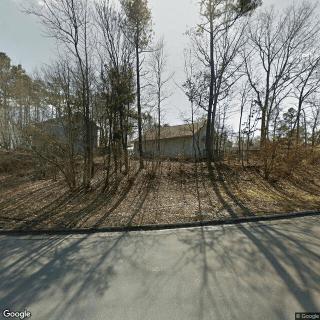
2410 Francis Street, Durham, NC 27707
For more information about senior living options: (866) 208-4318
Overall Review of Nellie's Adult Care Home 1
Pros
 The Adult Day Center in Durham is highly praised for its caring staff.
- Carla and her staff truly care about the participants.
- The center provides a nurturing environment where participants can enjoy themselves and feel comfortable.
- It offers a supportive and stimulating environment for loved ones.
Review
This community is best suited for seniors who want a warm, home-like day program where caregivers deliver high-touch attention and meaningful engagement in a nurturing atmosphere. For loved ones who benefit from regular social interaction, help with daily activities, and a predictable routine without needing round-the-clock medical supervision, Nellie’s Adult Care Home 1 in Durham offers a compelling match. The setting emphasizes comfort, personal connection, and a sense of belonging, which can be particularly valuable for those who throng to smaller, intimate environments over large, impersonal facilities.
Those who may want to consider alternatives include residents with ongoing, intensive medical needs or those requiring continuous supervision. If a loved one needs 24/7 monitoring, frequent skilled nursing interventions, or complex rehabilitative services, a traditional assisted living, skilled nursing facility, or a dedicated memory-care community may serve better. Families facing transportation challenges, demanding schedules, or the need for overnight accommodations will also want to compare options that provide comprehensive logistics and longer hours. In short, anything that hinges on robust medical oversight or long-term live-in care is less likely to align with Nellie’s current day-center atmosphere.
The strongest positives come from the care philosophy and the environment. Carlas and her staff are described as genuinely devoted, creating a nurturing climate where participants feel comfortable and supported. The setting lends itself to attentive supervision, quick response to needs, and a tone of respect and encouragement. Equally important is the stimulation offered: organized activities and social opportunities that foster interaction, cognitive engagement, and mood elevation. In a small, intimate program, staff can tailor routines to individual preferences, a level of customization that larger facilities struggle to sustain. These attributes help offset common concerns about supervision and loneliness by delivering consistent human connection and purposeful engagement.
However, several practical drawbacks deserve careful consideration. The intimate, presumably daytime-focused model may mean limited hours, with less emphasis on overnight or extended care. Medical oversight is unlikely to match what a full-service assisted living or nursing facility can provide, so emergencies or complex health management may require external arrangements. Transportation logistics can also pose a barrier for families with tight schedules or mobility constraints. Finally, a smaller operation may have fewer specialized programs for advanced memory care or rehabilitative services, potentially necessitating a transition to a different setting if those needs evolve.
Decision-making should center on aligning care goals with the program’s strengths and limits. Families should clarify hours of operation, transportation options, and the level of daily assistance offered, then compare these to the loved one’s routine and medical needs. Questions to prioritize include staff-to-resident ratios, staff qualifications, availability of medical staff on site, and how activities are adapted for different cognitive or physical abilities. Observing a session, touring the space, and speaking with other families can reveal how consistently warmth translates into daily care. It is prudent to request a sample weekly schedule and inquire about how special occasions or sensory needs are accommodated.
Ultimately, Nellie’s stands out for families seeking a reassuring, high-attention, socially engaging daytime option in a small, home-like setting. For those whose priorities include ample personal attention, a nurturing environment, and structured but varied activities, the fit can be excellent. Yet for residents requiring continuous medical supervision, overnight care, or advanced memory-care programming, alternatives that provide robust clinical support and longer hours will be more appropriate. The prudent path is to schedule a thoughtful visit, verify logistical details, and map out a plan that accounts for potential changes in care needs over time. This approach ensures the choice remains aligned with both the loved one’s quality-of-life goals and the family’s practical capabilities.
 3 resident community capacity
 Assisted Living
 Board and Care Home
 Cable or satellite TV
 Dining room
 Fully furnished
 Garden
 Housekeeping services
 Move-in coordination
 Outdoor space
 Telephone
 Wi-Fi/high-speed internet available
 Raleigh-Durham International (11 miles away)
 24-hour supervision
 Activities of daily living assistance
 Assistance with bathing
 Assistance with dressing
 Assistance with transfers
 Diabetes diet
 Meal preparation and service
 Medication management
 Special dietary restrictions
 Transportation arrangement (medical)
 Transportation to doctors appointments







 Exploring the Path to Senior Living: A Comprehensive Look at Independent Living and Assisted Living
 Is Assisted Living Deductible on Your Taxes? Understanding the Complexities of Assisted Living Expenses and Deductions
 Assisted Living Support for Veterans: A Complete and Detailed Overview