
916 Clayton Road, Durham, NC 27703
For more information about senior living options: (866) 208-4318
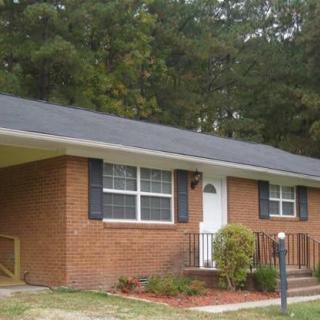
Overall Review of Central Family Care Home - Clayton Road
Pros
 The Renaissance Care Home provides excellent care at all levels for residents.
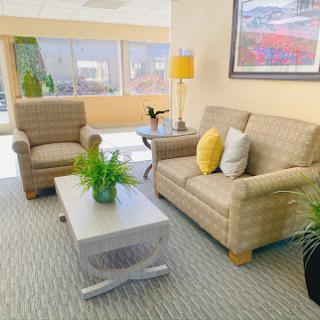
- It offers a calm, inviting, immaculate, and homey environment.
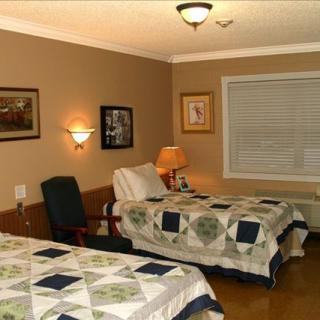
- The rooms are bright and spacious, well-suited to residents’ needs.
- The staff are consistently kind, compassionate, and competent.
- Residents are encouraged to participate with dignity, without feeling pushed beyond their comfort level.
- The scent of home-cooked meals adds warmth to the atmosphere.
- The owners, Rosalie and Ken, are quick to respond and run the home with integrity and trust.
- The setting is intimate with a low staff-to-resident ratio, making it feel like a true home.
Review
Central Family Care Home - Clayton Road holds appeal for seniors who want a warm, homelike setting where care feels personal and consistently attentive. The most compelling picture that emerges from these intimate Durham homes is one of occupancy that feels more like a family than a facility: rooms that feel like private spaces, meals that carry the scent of home cooking, and a staff team that residents and families describe as kind, capable, and readily available. In practical terms, this kind of setting is ideal for someone who values dignity, familiarity, and steady, hands-on attention over campus-scale amenities.
That said, there are clear reasons to consider alternatives. For residents with high-acuity needs, complex memory care, or the requirement for extensive on-site medical services, larger assisted living campuses or skilled nursing communities may be a better fit. Families should also scrutinize the social programming and activity variety offered by small homes; while intimate settings excel at personalized engagement, they can sometimes lag behind bigger communities in delivering a wide menu of group activities or on-site therapies. If quick access to 24/7 nursing coverage, on-site rehab, or expansive campuses is non-negotiable, those expectations should steer the search toward other models.
The strongest pros in these small-home configurations, intimacy, atmosphere, and staff quality, tend to offset most of the common drawbacks. Families repeatedly highlight rooms that feel bright and welcoming, with ample space for personal belongings; a home-like scent of meals in the air; and environments that are calm and immaculate. The staff earn consistent praise for kindness, competence, and the ability to encourage participation without pushing beyond a resident’s comfort zone. Equally important, owners who are quick to respond build trust and reduce anxiety for families, a feature that matters as health needs evolve. A low resident-to-staff ratio in these settings translates into more individualized attention, precise monitoring, and a sense that no one gets lost in the shuffle.
Where the potential tradeoffs show up, they are typically tied to scale and scope rather than care quality. In a small home, the sheer breadth of amenities, specialized programs, and rapid emergency options found in larger campuses may be more limited. Residents may have fewer opportunities for a broad social calendar or access to on-site clinics and rehab services without coordinating with external providers. Families should ask detailed questions about what medical oversight looks like on weekends and nights, what visiting specialists are available, and how rehab or therapy needs are integrated into the daily routine. The key is to understand how well a smaller model can bridge gaps in care, especially during health downturns or transitions in care level.
From a decision-making perspective, several practical checks help determine fit. First, verify the actual staffing model: who is on duty around the clock, what is the exact ratio, and how are shifts covered during vacations or illnesses? Second, tour the living spaces and meal areas, tasting a sample meal if possible, to assess whether the environment truly supports dignity and autonomy. Third, explore the activity calendar and resident engagement: are there meaningful routines, individualized care plans, and opportunities for preferred hobbies and routines? Fourth, clarify the specifics of cost, contract terms, and what is included in the monthly rate versus add-ons for specialized services. Finally, speak with the current residents and family members about how responsive the leadership is when needs change and how well transitions are managed within the home’s care model.
For families considering Central Family Care Home - Clayton Road, the bottom line is clear: if the priority is a warm, intimate setting where caregivers know residents by name, and where the day-to-day care feels attentive, dignified, and responsive, this model delivers. The lived experience in comparable small Durham homes demonstrates that strong personal connections, a calm home atmosphere, and careful staff engagement can provide a high-quality quality of life and meaningful daily participation. These strengths are particularly compelling for seniors who are stepping down from independent living but don’t yet require a large, campus-based environment.
Conversely, if the residence must deliver robust, diverse medical programming on-site, a broad array of social opportunities, or a highly structured daily schedule typical of larger campuses, alternatives should be explored. Prospective residents and families should pursue direct conversations with management about post-acute needs, memory-care capabilities, and what contingency plans exist for staffing surges or emergency shifts. The decision hinges on balancing the value of a truly intimate, homelike experience against the potential tradeoffs in medical resources and program breadth. When aligned with personal preferences and budget, Central Family Care Home - Clayton Road can offer a compelling, well-managed option that neighbors and families repeatedly find trustworthy and comforting.
 5 resident community capacity
 Assisted Living
 Cable or satellite TV
 Dining room
 Fully furnished
 Garden
 Housekeeping services
 Move-in coordination
 Outdoor space
 Telephone
 Wi-Fi/high-speed internet available
 Raleigh-Durham International (9 miles away)
 24-hour supervision
 Activities of daily living assistance
 Assistance with bathing
 Assistance with dressing
 Assistance with transfers
 Diabetes diet
 Meal preparation and service
 Medication management
 Special dietary restrictions
 Transportation arrangement (medical)
 Transportation to doctors appointments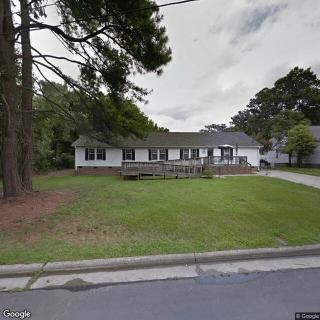



 Medicare Coverage for Assisted Living: An In-Depth Exploration
 Choosing the Right Senior Care: A Detailed Exploration of Assisted Living and Nursing Homes
 Understanding the True Cost of Assisted Living in 2025: A Comprehensive Guide