
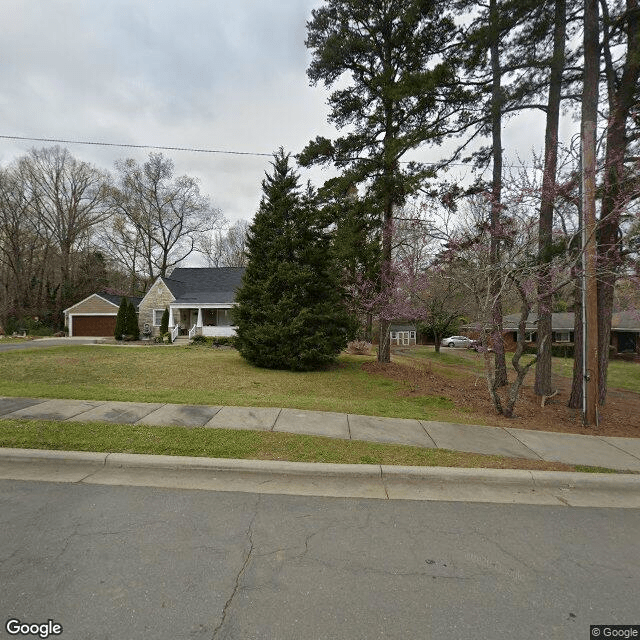
7245 City View Drive, Charlotte, NC 28212
For more information about senior living options: (866) 208-4318
Unlimited Possibilities Family Care Home 2 Costs & Pricing
Unlimited Possibilities Family Care Home 2 offers competitive pricing for its care services compared to both Mecklenburg County and the broader North Carolina market. For semi-private accommodations, the cost is $3,000 per month, significantly lower than the county average of $4,191 and the state average of $3,584. Private rooms are priced at $3,500, again positioning this facility below the county rate of $4,417 and slightly below the state average of $4,425. Interestingly, however, their one-bedroom option stands out at $5,000 per month, exceeding both the county's average of $3,434 and the state's figure of $4,055. Overall, Unlimited Possibilities Family Care Home 2 presents a compelling choice for those considering affordable yet quality care in a supportive environment.
| Floor plans | Unlimited Possibilities Family Care Home 2 | Mecklenburg County | North Carolina |
|---|---|---|---|
| Semi-Private | $3,000 | $4,191 | $3,584 |
| Private | $3,500 | $4,417 | $4,425 |
| 1 Bedroom | $5,000 | $3,434 | $4,055 |
Memory care communities with a similar price nearby
-
from +$500 / mo

Liberty Family Care
$3,500 to $5,500 / month18.1 miles away -
from +$500 / mo

Karizma Infinities Residential Care Home
$3,500 to $6,000 / month10.2 miles away -
from +$585 / mo
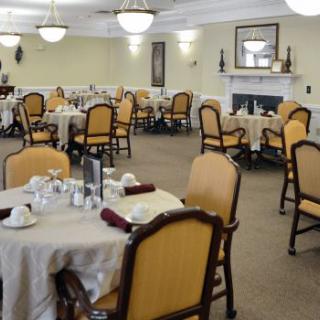
Morningside of Gastonia
$3,585 to $5,595 / month24.3 miles away -
from +$131 / mo

Concord Place
$3,131 to $4,468 / month16.9 miles away -
from +$490 / mo
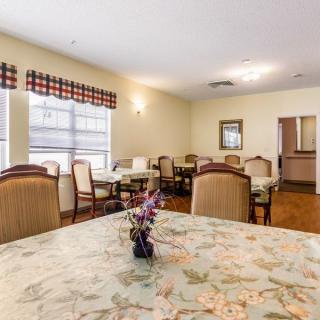
TerraBella Cramer Mountain
$3,490 to $4,645 / month19.5 miles away
Overall Review of Unlimited Possibilities Family Care Home 2
Pros
 The homes are beautiful with caring staff, offering a great alternative to a facility for loved ones.
- The residents are engaged by a vibrant Activity Director and are well groomed.
- The management team is awesome.
- The grandmother is in a place she loves.
- Unlimited Possibilities offers small, luxury-style memory care settings that feel like home.
- The Mint Hill location is on a former horse farm with ample space around each home.
- The staff are professional and the facility is clean with a consistent caregiver schedule.
Cons
 Management is a complete joke.
- The place is unsafe for loved ones.
- The owner is a slumlord who treated residents poorly.
- The owner refused to exterminate bed bugs.
- There was constant employee turnover and communication was almost non-existent.
- The house was not maintained, with ceiling leaks and black mold.
- There were sewer problems, water outages, and non-working cable.
- The activities director did not provide activities and mostly watched TV.
Review
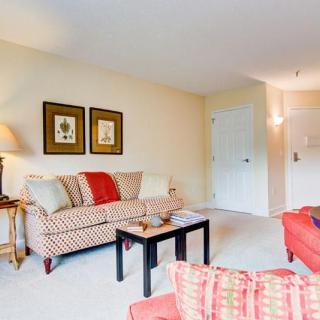
Unlimited Possibilities Family Care Home 2 in Charlotte is best suited for families seeking an intimate, home-like memory-care option where a loved one can thrive with small-house living, direct caregiver access, and strong daily engagement. The model consists of four private homes in a campus-like setting, each housing about six residents with a dedicated caregiver. That structure creates a domestic atmosphere that avoids the feel of a large facility, making it ideal for seniors who respond well to routine, personal interaction, and a sense of belonging. For families prioritizing dignity, familiarity, and straightforward staff relationships, this community offers a compelling match.
The most compelling positives center on the small, personal environment. The homes are described as elegant and well maintained, with residents who are engaged and neatly groomed, and with an Activity Director who actively drives activities and socialization. The staffing pattern, one caregiver per house, promises consistency and a predictable daily rhythm, which matters greatly for memory care. Several families report a smooth onboarding process: tours, rapid intake, and a move-in timeline measured in weeks rather than months. The proximity to a residential, non-institutional vibe, paired with secure entry via keypad, adds a layer of safety without sacrificing hominess, making this option feel like a true home rather than a hospital wing.
Yet, serious cautions appear in the mix. The most persistent concerns revolve around management and communication: reviews describe ongoing turnover at both management and caregiver levels and note difficulty getting timely responses. Additional red flags include records of maintenance problems, such as ceiling leaks, mold growth from neglected gutters, sewer issues, and intermittent water or electrical disruptions. Allegations about staffing conditions, low pay, insufficient breaks, and long shifts, underline a risk that turnover may undermine continuity of care. There are also reports of injuries going unexplained and of supply or meal gaps during visits. For families that require reliable, transparent operations, these patterns demand rigorous verification.
There is also a notable caveat about the environment and access. One reviewer characterized the owner in highly negative terms, citing bed bugs, a history of problematic landlord behavior, and an alleged effort to evict a paying resident. While such reports must be weighed against other experiences and current conditions, they signal the necessity of meticulous due diligence. Additionally, at least one review notes limitations on family visitation, requiring involvement of the entire house, which can be a constraint for families who prioritize easy, unfettered access to their loved ones. The neighborhood context and location may also factor into the decision for some families, even as other reviewers emphasize the homesā€™ peaceful, rural-tinged settings.
Given the mix of strong intimate-care advantages and significant governance risks, this community can be the right choice for families who can anchor it with careful oversight and proactive engagement. The upside, personalized attention, predictable caregiver schedules, and a genuine home environment, can offset many daily-living challenges for a resident who benefits from structure and social stimulation. However, for households where management clarity, consistent maintenance, and transparent communication are nonnegotiable, alternatives with more robust organizational controls or larger, more regulated networks may be a safer bet. The decision hinges on whether intimate, home-like care can coexist with consistently reliable operations.
For families moving forward, a disciplined due-diligence process is essential. Schedule multiple visits and insist on meeting the current caregiver team and the Activity Director to observe daily routines and responsiveness. Request a detailed tour of maintenance logs, pest-control records, and utility histories, and speak with current residents and their families about communication quality and perceived safety. Ask for written policies on family access, incident reporting, and how injuries are documented and resolved. If these assurances cannot be secured, or if ongoing turnover and maintenance concerns remain unresolved, it is prudent to compare against other memory-care options in Charlotte that offer tighter staff continuity, steadier governance, and clearer safety standards. In the right hands, Unlimited Possibilities Family Care Home 2 offers a rare, warm alternative; in other hands, the risks may outweigh the rewards.
 6 resident community capacity
 Assisted Living
 Board and Care Home
 Memory Care
 Activities off-site
 Bath tubs
 Beautician on-site
 Cable or satellite TV
 Devotional services off-site
 Dining room
 Fully furnished
 Garden
 Housekeeping services
 Indoor common areas
 Move-in coordination
 Outdoor common areas
 Private
 Private bathrooms
 Respite or short term stays offered
 Swimming pool / hot tub
 Telephone
 Wheelchair accessible showers
 Wi-Fi/high-speed internet available
 Charlotte Douglas International (12 miles away)
 24-hour supervision
 Ambulatory care
 Assistance with bathing
 Assistance with dressing
 Assistance with transfers
 Diabetes diet
 Diabetic care
 High acuity care
 Incontinence care
 Meal preparation and service
 Medication management
 Special dietary restrictions
 Transportation arrangement (medical)
 Transportation to doctors appointments
 Adventist services
 Buddhist services
 Islamic services





 8 Key Indicators That Suggest It May Be Time to Transition from Assisted Living to Skilled Nursing Care
 Nourishing the Mind: Essential Dietary Approaches for Dementia
 Understanding Dementia Behaviors: Practical Insights and Strategies for Caregivers