Residents and families repeatedly describe staff as caring and respectful.
Across reviews, people consistently mention staff being friendly, welcoming, and respectful toward residents and families. Multiple reviewers also single out caregivers by name, describing patience, helpfulness, and attentiveness. Even when residents or families raise other issues, many still describe specific nurses, aides, or therapy staff as compassionate.
common10 reviews mention this
Rehab and therapy receive praise
Rehabilitation and therapy are frequently highlighted as a major strength.
Several reviews credit the therapy team for helping with mobility and recovery, including progress after hospitalization or surgery. Reviewers describe PT/OT as organized, motivating, and focused on what each patient needs. A few also mention a dedicated therapy gym and a rehab director helping guide discharge.
caveat10 reviews mention this
Facility cleanliness varies
Cleanliness is a recurring theme, with both positive and negative feedback.
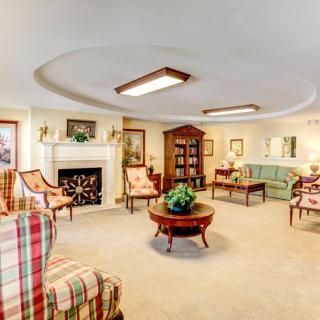
Many reviewers say the building is clean and note there is not a “nursing home smell,” along with generally neat common areas. Others describe serious cleanliness concerns, including reports of unsanitary conditions, trash, and odors in parts of the facility. Because the feedback is mixed, it’s worth paying close attention to cleanliness during a visit.
caveat4 reviews mention this
Food quality draws mixed reactions
Dining feedback is mixed, with some enjoying meals and others criticizing them.
Some residents and families report that the food is good and that their loved ones enjoy eating. At the same time, at least one reviewer says the food “suck[s],” which contrasts with the more positive accounts. The community does offer meal preparation and service, plus support for special dietary restrictions mentioned in the care services and dining details.
common6 reviews mention this
Communication and responsiveness matter
Families describe regular updates and responsiveness as an important part of care.
Several reviews emphasize clear communication, especially around care updates and making sure families are included in the process. Others describe how staff respond when residents or visitors need help. A smaller set of reviews also raises concerns about responsiveness in day-to-day moments, such as call bells taking too long to be answered.
caveat5 reviews mention this
Overall experience isn’t uniform
Some reviewers describe serious lapses that affect their willingness to recommend.
While many reviews are positive about care and day-to-day interactions, a few describe severe negative experiences. These include complaints about protocols, staff behavior, and health-related issues. Another reviewer also frames the facility as older and “not luxury,” though they still report feeling comfortable with the care they received.
How we summarize
Counts show how many written reviews mention each theme; a review can touch several themes, and only frequently mentioned themes are displayed.
Features
Housing
12 resident community capacity
Types of Care
Assisted Living
Board and Care Home
Amenities
Cable or satellite TV
Dining room
Fully furnished
Garden
Housekeeping services
Move-in coordination
Outdoor space
Telephone
Wi-Fi/high-speed internet available
Care Services
24-hour supervision
Activities of daily living assistance
Assistance with bathing
Assistance with dressing
Assistance with transfers
Coordination with health care providers
Diabetes diet
Meal preparation and service
Medication management
Special dietary restrictions
Transportation arrangement (medical)
Transportation to doctors appointments
Dining
Diabetes diet
Special dietary restrictions
Activities
Community-sponsored activities
Scheduled daily activities
Nearby Places of Interest
Pharmacies
Edgewood Pharmacy (2.6 miles)
CVS Pharmacy (3.2 miles)
Total Care Pharmacy (3.2 miles)
Walgreens (3.3 miles)
Walgreens (4.2 miles)
Walmart Pharmacy (4.4 miles)
CVS Pharmacy (4.9 miles)
Restaurants
Skid's II (2.9 miles)
Crazy Mexico Mexican R (3.1 miles)
Wendy's (3.1 miles)
Hong Kong Chinese Restaurant (3.3 miles)
The Habit Burger Grill (3.3 miles)
La Cocina (3.5 miles)
Taco Bell (3.6 miles)
Physicians
Lebauer Medical Center (3.1 miles)
MyEyeDr (3.4 miles)
Miracle-Ear At Sears (3.5 miles)
Kidzcare Pediatrics PC (3.8 miles)
Piedmont Oral Facial and Dental Implant Surgery Center (3.9 miles)
Alamance Eye Center (4.1 miles)
Fresenius Kidney Care (4.4 miles)
Cafes
Starbucks (3.7 miles)
Biggby Coffee (5.1 miles)
Starbucks (5.1 miles)
Starbucks (11.3 miles)
Panera Bread (20.1 miles)
Caribou Coffee (20.8 miles)
Starbucks (20.9 miles)
Hospitals
Cone Health Alamance Regional Medical Center (5 miles)
The article examines senior housing options, detailing the distinctions between independent living and assisted living, along with the emerging "independent assisted living" model that blends both approaches. It highlights the importance of assessing individual needs, preferences, and financial factors in making informed decisions about suitable living arrangements for seniors.
The deductibility of assisted living expenses on taxes hinges on factors like the individual's medical condition and service nature, typically requiring the resident to be "chronically ill" per IRS definitions. Taxpayers may deduct eligible medical expenses related to personal care services but generally not rent unless primarily for medical care, and they should maintain thorough documentation to support claims while considering itemizing versus standard deductions.
The guide highlights the importance of assisted living facilities for aging veterans needing daily support, discusses unique challenges they face, and outlines available financial assistance from the VA, including the Aid and Attendance program. It emphasizes understanding eligibility criteria and navigating the VA system to access necessary benefits effectively.
Get PricingAsk A QuestionSchedule A TourContact Senior Advisor
By clicking submit, you agree to our Partner's Terms of Use. You
also consent to receive calls and texts, which may be autodialed, from our Partner. Your consent is not a condition to
using our Partner's service. Please visit our Partner's Privacy Policy for information about their privacy practices.


 12 resident community capacity
 Assisted Living
 Board and Care Home
 Cable or satellite TV
 Dining room
 Fully furnished
 Garden
 Housekeeping services
 Move-in coordination
 Outdoor space
 Telephone
 Wi-Fi/high-speed internet available
 24-hour supervision
 Activities of daily living assistance
 Assistance with bathing
 Assistance with dressing
 Assistance with transfers
 Diabetes diet
 Meal preparation and service
 Medication management
 Special dietary restrictions
 Transportation arrangement (medical)
 Transportation to doctors appointments
 Personalized care with 24-hour supervision and comprehensive in-house services.


 Exploring the Path to Senior Living: A Comprehensive Look at Independent Living and Assisted Living
 Is Assisted Living Deductible on Your Taxes? Understanding the Complexities of Assisted Living Expenses and Deductions
 Assisted Living Support for Veterans: A Complete and Detailed Overview