
183 Graggville Road, Boone, NC 28607
For more information about senior living options: (866) 208-4318
Overall Review of Mountain Care Facilities
Cons
 The food is horrendous.
- The facility does not follow state-mandated nutritional requirements.
- Staff sometimes fail to appear at meals.
- No activities are conducted.
- Rooms are outdated.
- The facility is pathetic.
Review
Mountain Care Facilities in Boone, NC is best suited for budget-conscious seniors who want a straightforward, no-frills living option. The community appears to serve residents who can live with older room finishes and a lean program calendar, prioritizing essential safety and housing over upscale design. For families able to supplement meals or coordinate social activities outside the facility, this option can provide a basic residential setting without the higher price tag that more polished communities demand. In short, it works when cost matters more than cosmetic polish and when daily routines can be maintained with modest support.
However, such a profile comes with clear trade-offs. For anyone requiring consistently nutritious, state-compliant meals and a structured, engaging activity line-up, alternatives should be pursued. The absence of a robust dining program or ongoing activities can undermine health and quality of life, particularly for residents who thrive on routine, social interaction, and dietary oversight. Families should consider whether the local food service and activity schedule align with the residentā€™s needs, especially if medical or dietary restrictions demand careful monitoring. If these elements are non-negotiable, mounting evidence suggests seeking a community with a stronger emphasis on nutrition and programming.
On balance, the available feedback points to a mixed value proposition. The two five-star reviews hint at undisclosed strengths, likely areas such as a calmer environment, perceived safety, or affordability, that resonate with some residents. Yet the blunt criticisms captured in the negative reviews land much more forcefully: meals that fail to meet nutritional standards, a notable absence of activities, and rooms that feel outdated. These core issues directly affect daily satisfaction and long-term well-being. The best-case picture is one where price or simplicity matters more than polish, but the worst-case reality raises red flags for anyone needing predictable nutrition and meaningful engagement.
Families evaluating Mountain Care Facilities should verify several points before deciding. Request a current menu and the policy on dietary compliance; observe a meal service to gauge portion sizes, variety, and how closely meals align with nutritional guidelines. Review the activity calendar and ask how residents are encouraged to participate, who leads programs, and what staff-to-resident engagement looks like. Tour sample rooms to assess maintenance, cleanliness, and safety features. Speak with staff about typical daily routines, response times, and how medical considerations are managed. Collect references from current residents or families to understand consistency over time.
Care quality hinges on more than room aesthetics; it rests on reliable nutrition, meaningful engagement, and responsive care. The combination of aging facilities and limited programming can compound risks for seniors who require structured support, especially those with dietary restrictions or needs for social interaction. The variance in rating, two five-star reviews versus the other two low marks, suggests polarized experiences. This uneven track record means potential residents should plan additional checks, including reviewing state inspection reports if available, asking about staffing schedules, and confirming that oversight and accountability meet personal standards.
Bottom line: Mountain Care Facilities is a practical option only when affordability and a straightforward environment trump the need for vibrant dining and programming. For families prioritizing nutrition, activity, and up-to-date accommodations, there are better matches in the Boone area. If the choice is constrained by budget or proximity, use a structured transition plan: negotiate service inclusions, arrange external meal support or transport to activities, and schedule frequent check-ins. In the end, this community can work, but only for residents who can tolerate its notable gaps and who can fill them with external supports and careful oversight.
 60 resident community capacity
 Assisted Living
 Air-conditioning
 Beauty salon
 Cable or satellite TV
 Computer center
 Dining room
 Fitness room
 Fully furnished
 Gaming room
 Garden
 Housekeeping services
 Kitchenette
 Move-in coordination
 Outdoor space
 Private bathrooms
 Restaurant-style dining
 Small library
 Telephone
 Wellness center
 Wi-Fi/high-speed internet available
 Community operated transportation
 12-16 hour nursing
 24-hour call system
 Activities of daily living assistance
 Assistance with bathing
 Assistance with dressing
 Assistance with transfers
 Diabetes diet
 Medication management
 Mental wellness program
 Special dietary restrictions
 Concierge services
 Planned day trips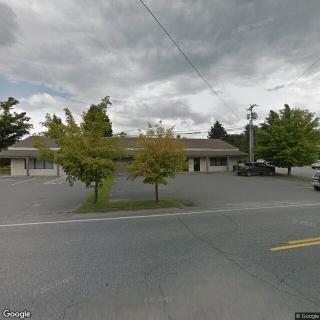
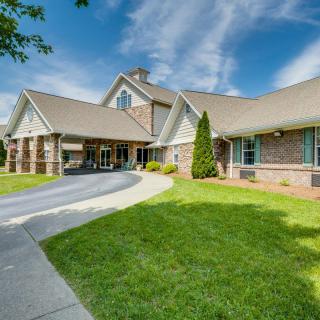
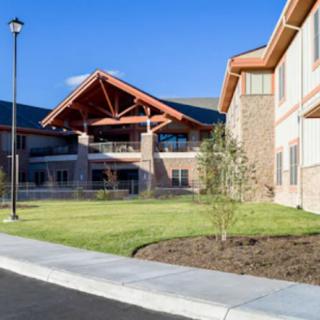
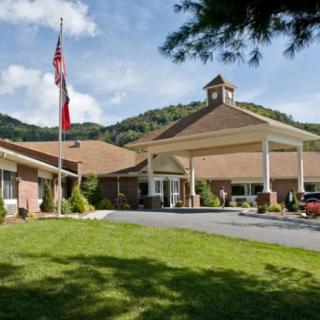
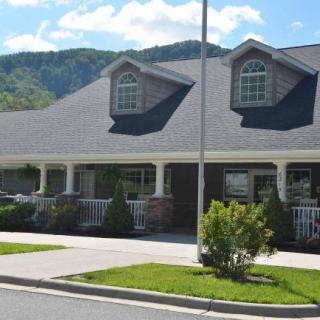
 Residential-style setting with well-lit spaces and varied amenities.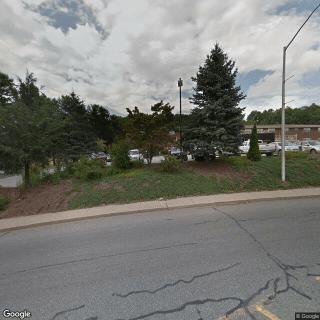

 Securing Financial Support for Assisted Living: A Comprehensive Overview
 Social Security Benefits and Assisted Living: Navigating Options Across the U.S.
 An Extensive Exploration of the VA Aid and Attendance Benefit