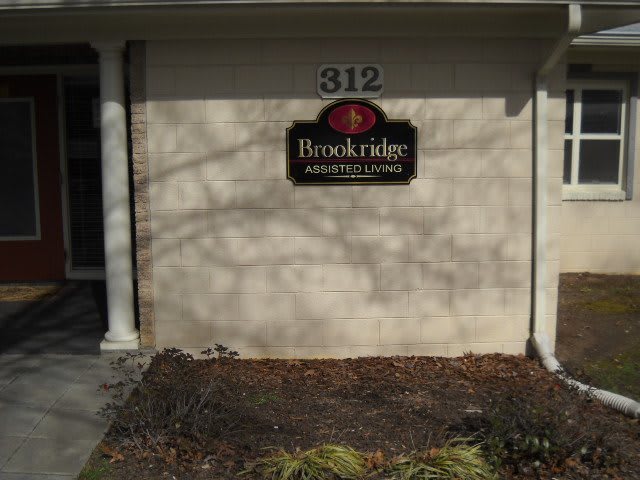
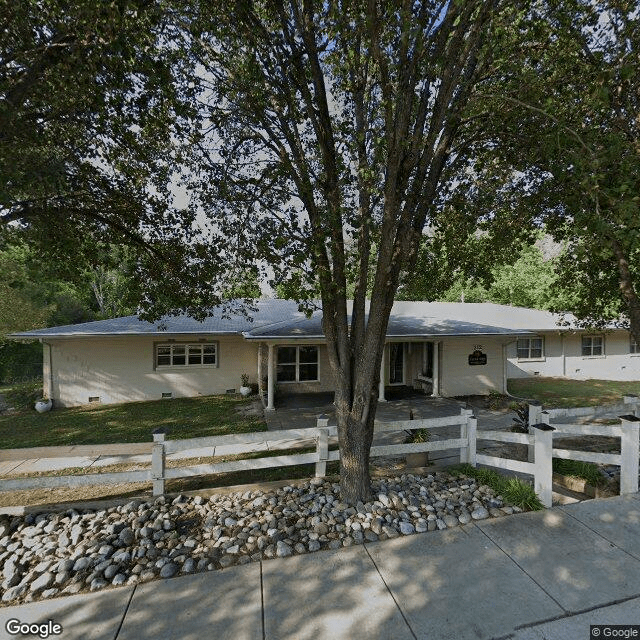
312 Lynch Street, Apex, NC 27502
To contact a resident: (919) 362-6266
For more information about senior living options: (866) 208-4318
Brookridge Assisted Living Costs & Pricing
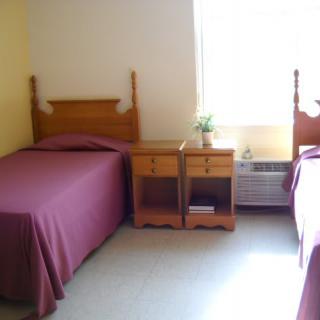
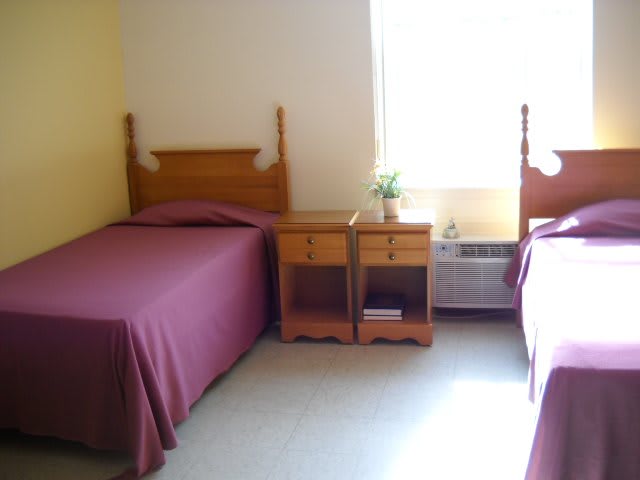
Brookridge Assisted Living offers competitive pricing for its residents, particularly when compared to the broader market of Wake County and the state of North Carolina. For a semi-private room, Brookridge's monthly fee stands at $2,500, significantly lower than both Wake County's average of $4,391 and North Carolina's statewide average of $3,584. In terms of studio accommodations, Brookridge charges $5,000 per month. While this is higher than the average in Wake County ($4,757) and North Carolina ($4,020), it reflects a commitment to providing quality care and community engagement that enhances the overall living experience for its residents. This pricing structure underscores Brookridge's dedication to making assisted living more accessible while maintaining high standards of service and comfort.
| Floor plans | Brookridge Assisted Living | Wake County | North Carolina |
|---|---|---|---|
| Semi-Private | $2,500 | $4,391 | $3,584 |
| Studio | $5,000 | $4,757 | $4,020 |
Assisted Living communities with a similar price nearby
-
from +$100 / mo
Phoenix Assisted Care
$2,600 to $3,400 / month3.1 miles away -
About the same
The Stratford
$2,500 to $3,800 / month16.8 miles away -
About the same
Eden Spring Living Center
$2,500 to $3,000 / month15.8 miles away -
About the same
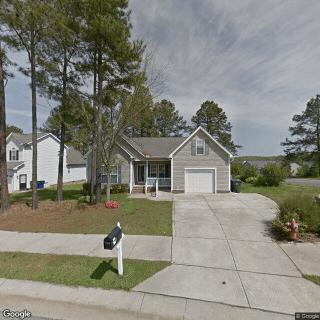
Wrenette's Place
$2,500 to $3,500 / month18.3 miles away -
from -$300 / mo
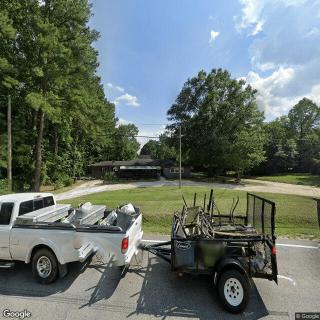
Poole Road Family Care Home
$2,200 to $3,200 / month17.8 miles away
Overall Review of Brookridge Assisted Living
Pros
 The facility seemed nice and clean.
- The staff seemed happy.
- The community was a nice place with kind people.
- The staff were very nice to visitors.
- The tour was pleasant and the environment looked neat and tidy.
Cons
 A staff member could pretty much help himself.
 - There were bed bugs and roaches; patients were left alone and none of the staff spoke English.
- Everyone spoke harsh Spanish and was mishandled.
- The lady who runs the place is highly disrespectful and gave a distasteful attitude.
- The manager refused to share the owner’s name and offered dismissive excuses.
- The reviewer would stay away from this place and wouldn’t even house their dog there.
Review
Brookridge Assisted Living in Apex, NC is best suited for seniors who are largely independent and prize a clean, pleasant campus atmosphere. Families seeking a smaller, approachable setting with a personable feel during tours may find this community attractive, particularly if the primary need is a comfortable living environment rather than intensive medical or daily hands-on care. The strongest case here is for residents who can largely manage self-care or require limited assistance and who place value on neat facilities and friendly interaction on site. For those with higher care needs, this community may fall short without clear evidence of reliable, around-the-clock support.
Those weighing Brookridge should also explicitly consider alternatives if certain expectations are non-negotiable. Prospective residents who require robust language support from staff across shifts, consistent, proactive pest management, transparent ownership and accountability, and highly responsive administration will want to look elsewhere. Families that demand steady, documented care coordination, strong clinical oversight, and predictable communication will likely find these elements lacking here. In short, Brookridge can feel welcoming, but it may not meet expectations when care complexity, safety monitoring, or administrative transparency are priorities.
On the positive side, reported experiences describe a facility that appears clean, neat, and visually welcoming, a foundation that reduces anxiety for many families during initial visits. Tours frequently convey warmth from staff and volunteers, with family members leaving the building reassured by courteous interactions and a pleasant physical environment. For residents who are mostly independent or only lightly assisted, these attributes translate into a dignified daily living experience where social engagement and comfortable surroundings matter. The combination of tidiness and kindness on certain days creates a credible baseline for comfort and routine.
However, the most disruptive concerns undermine the overall assessment. A troubling spectrum of pest-related problems, bed bugs and roaches, has been raised in multiple accounts, triggering legitimate alarm about hygiene controls and resident safety. More troubling still are reports of language barriers, with staff communication not aligning with residents’ needs, and behavior described as disrespectful or unresponsive by management figures. One persistent narrative portrays an owner/manager who is difficult to reach and seemingly unwilling to provide basic information, coupled with instances where an elderly resident in a wheelchair was allegedly ignored. Taken together, these issues threaten trust, continuity of care, and the sense of security families seek when choosing a home for a loved one.
In weighing the pros against the cons, the clean, welcoming environment and friendly tour experiences cannot fully compensate for the gaps in safety, communication, and administrative reliability. The positive daily atmosphere for some residents is real, but it becomes compromised if pests persist, if staff cannot communicate effectively, or if leadership credibility is in doubt. For families evaluating Brookridge, the risk-to-benefit balance tilts toward caution unless concrete improvements are demonstrated, especially in pest control history, multilingual or English-speaking staffing coverage, transparent ownership details, and a proven track record of respectful, proactive resident engagement.
The prudent course is a structured, evidence-based visit plan that probes the most critical red flags and clarifies expectations before any commitment. Families should insist on current pest-control reports, a clear description of who provides ownership and management oversight, and a sample care plan that outlines the level of supervision and assistance available around the clock. Request conversations with multiple staff shifts to gauge consistency and language accessibility, and speak candidly with current residents or families about day-to-day experiences. If these elements reveal steady improvements, Brookridge can become a viable option; if not, it is wise to expand the search to other Apex communities that offer stronger guarantees around safety, communication, and resident-centered care.
 Assisted Living
 Activities off-site
 Bath tubs
 Devotional services on-site
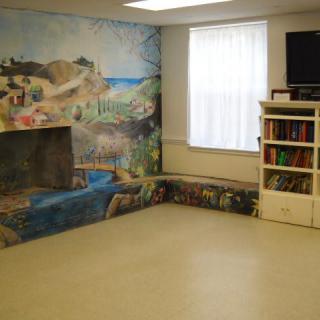
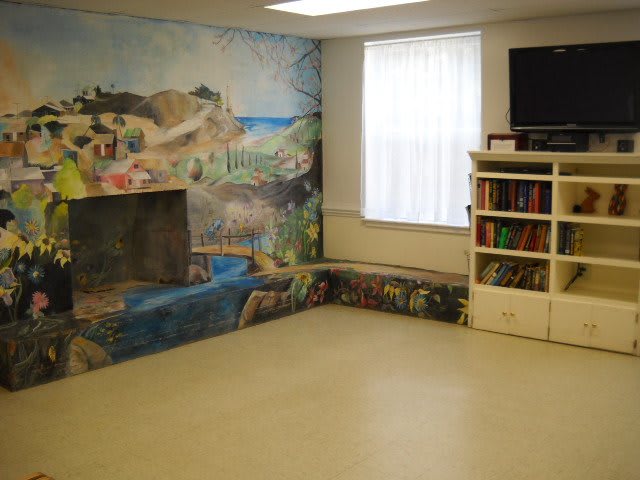
 Indoor common areas
 Outdoor common areas
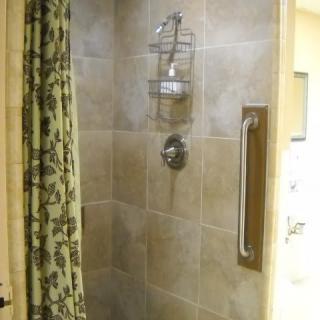
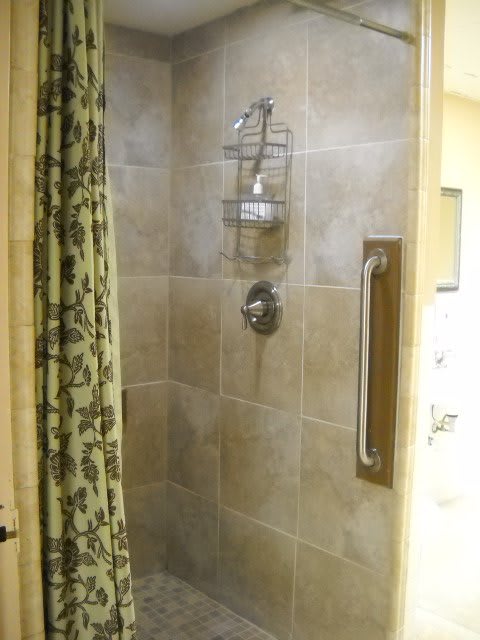
 Wheelchair accessible showers
 Raleigh-Durham International (11 miles away)
 Diabetic care
 Incontinence care
 Medication management
 Meals provided


 Choosing the Right Senior Care: A Detailed Exploration of Assisted Living and Nursing Homes
 Understanding the True Cost of Assisted Living in 2025: A Comprehensive Guide
 Understanding Medicaid Coverage for Assisted Living: A Comprehensive Guide