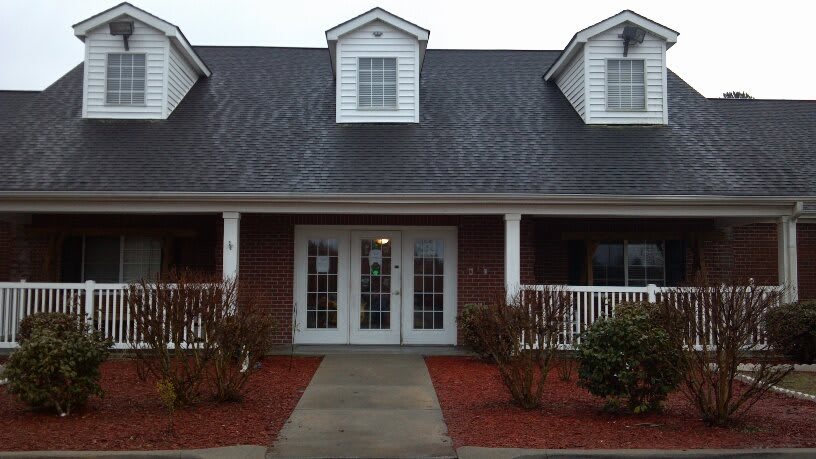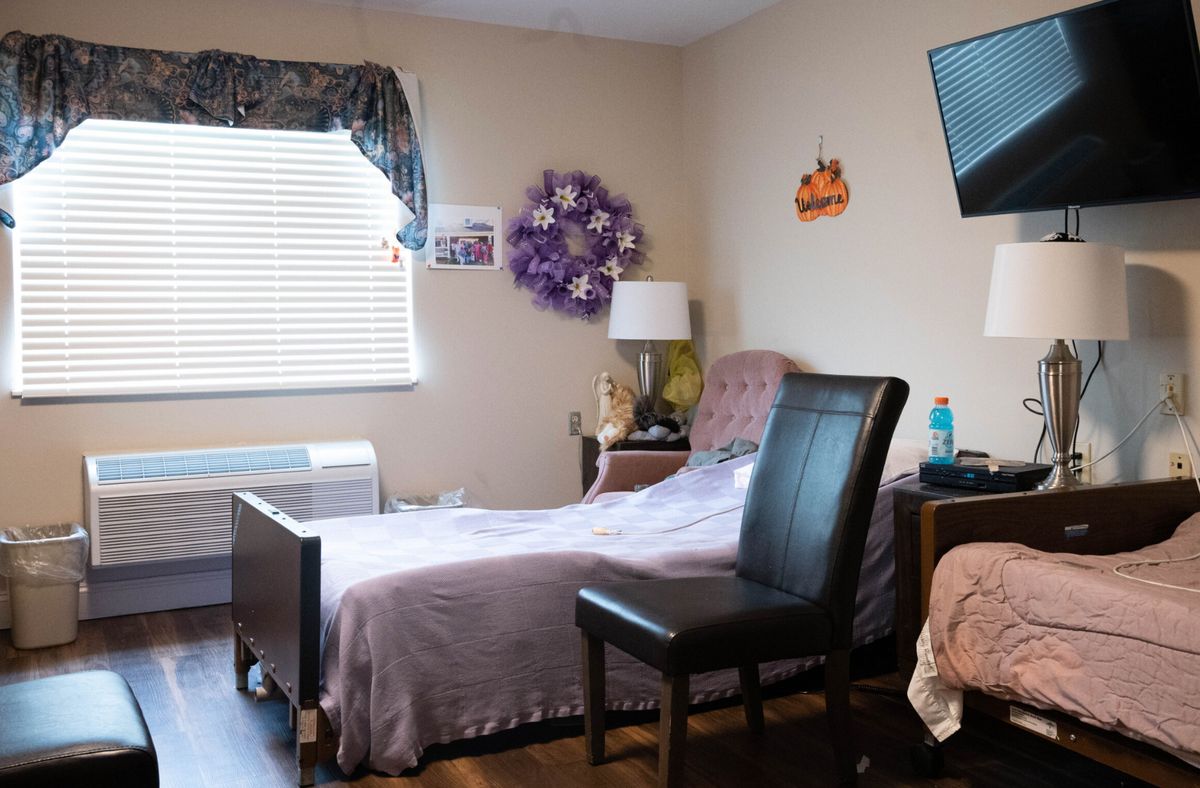
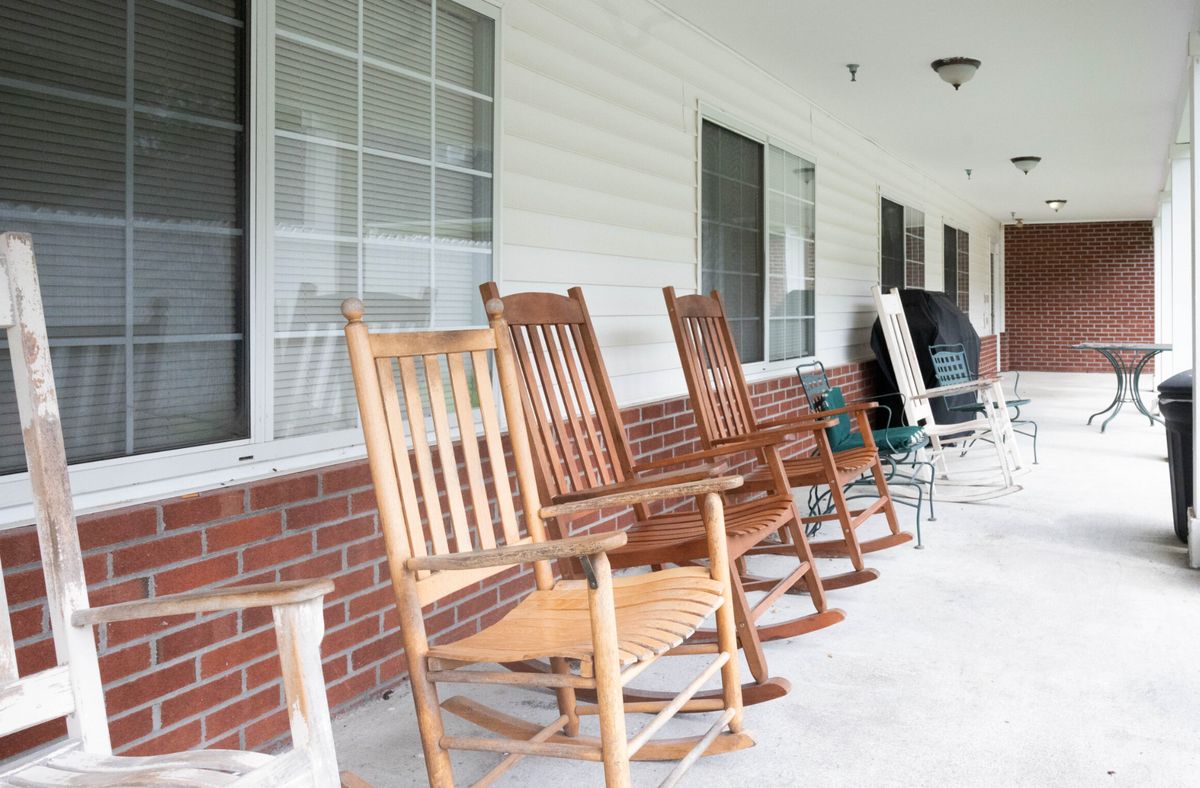
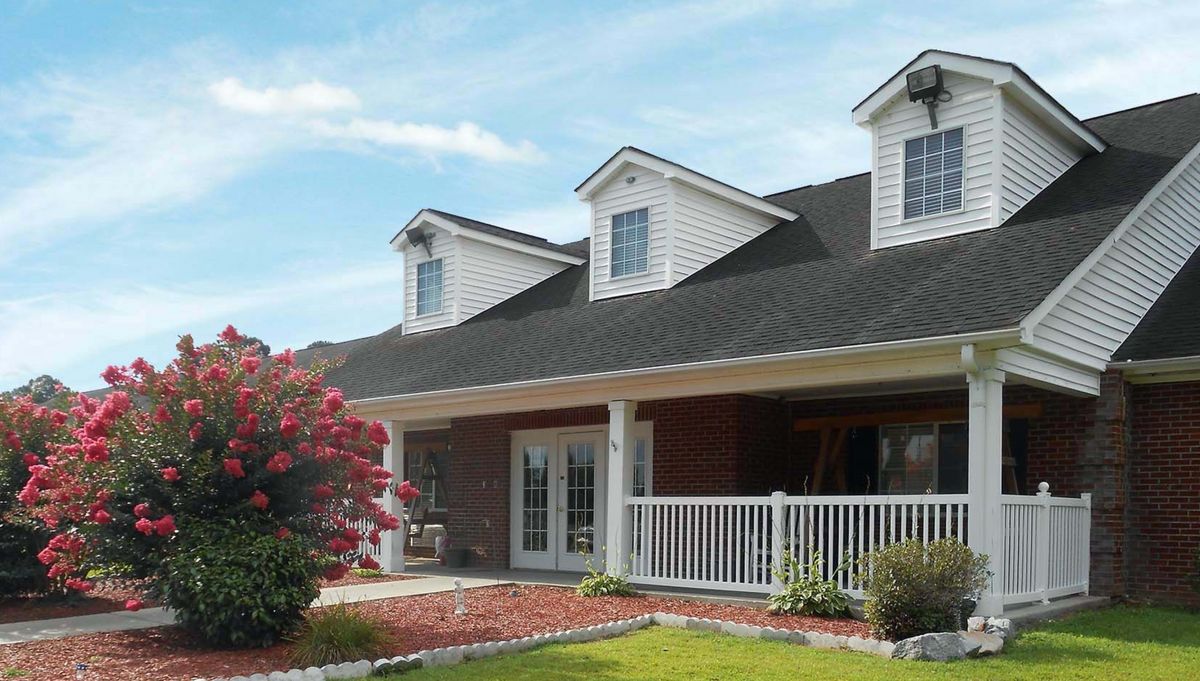
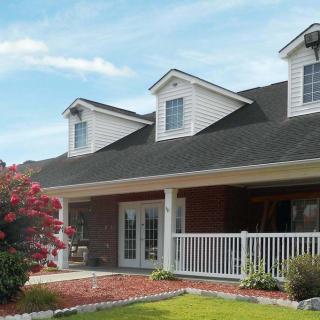
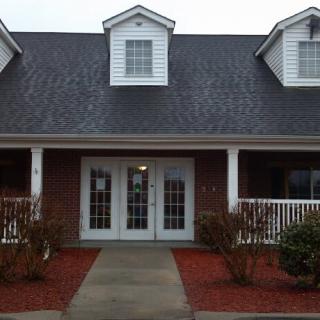
407 Loftin Ln S, Ahoskie, NC 27910
For more information about senior living options: (866) 208-4318
Ahoskie House Costs & Pricing
Ahoskie House offers a semi-private room at a monthly rate of $3,800, which is notably higher than the average costs in Hertford County and across North Carolina. Specifically, the local market reflects an average cost of $3,317 for similar accommodations in Hertford County and $3,584 statewide. This pricing suggests that Ahoskie House may provide additional amenities or services that justify the premium, appealing to those seeking enhanced care or a particular lifestyle environment. Understanding these costs within the broader regional context can help prospective residents make informed decisions regarding their long-term care options.
| Floor plans | Ahoskie House | Hertford County | North Carolina |
|---|---|---|---|
| Semi-Private | $3,800 | $3,317 | $3,584 |
Memory care communities with a similar price nearby
-
About the same
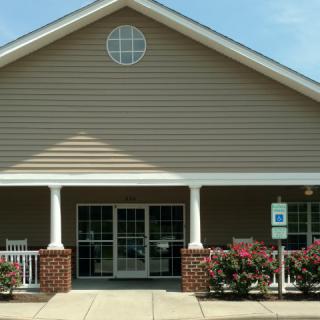
Windsor House
$3,800 to $4,200 / month21.9 miles away
Overall Review of Ahoskie House
Pros
 The staff are friendly and helpful.
- They are there to take care of loved ones.
- The facility is great.
Review
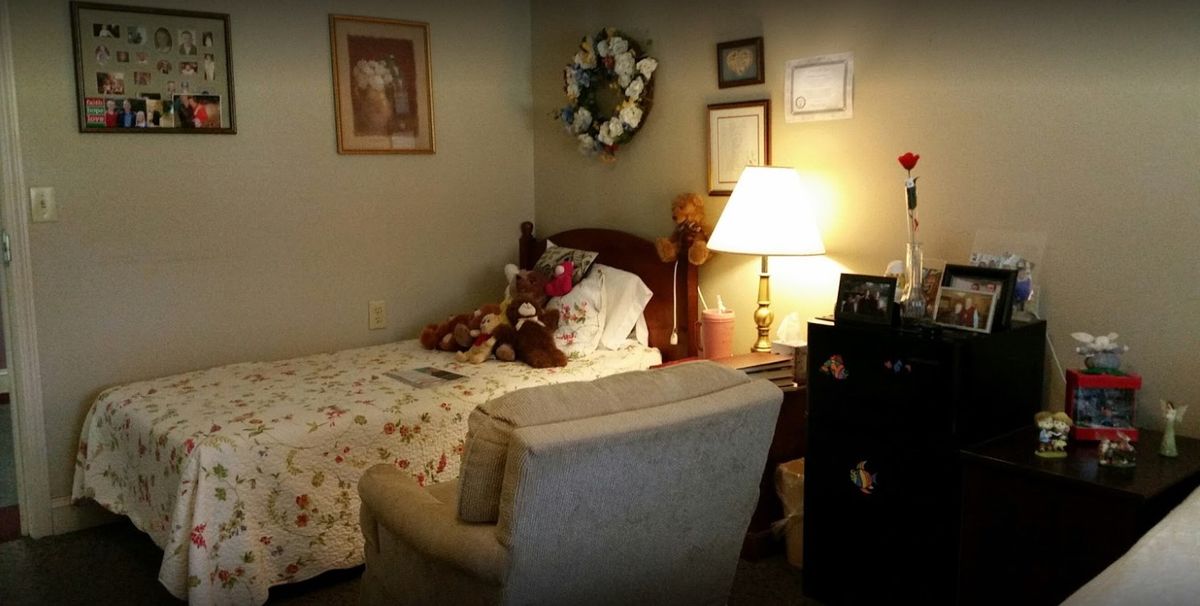
Ahoskie House in Ahoskie, NC is best suited for families seeking a small-town, hands-on assisted living experience where caregivers’ reliability and a solid, well-maintained environment carry the day. The community earns a flawless five-star signal from multiple reviews, a strong indicator that families can expect consistent attentiveness, clear communication, and a residence where daily routines feel predictable and secure. This is the kind of setting where staff presence and a welcoming atmosphere translate into real peace of mind for those who want a lived-in, neighborly feel for their loved one rather than a clinical, impersonal experience.
Those considering alternatives should note that Ahoskie House is most appropriate for residents who do not require ongoing, high-acuity medical nursing or highly specialized memory-care programming. For loved ones needing around-the-clock clinical oversight, complex wound care, or dementia-specific protocols, a facility designed expressly for higher medical needs may be a better fit. Families pursuing expansive activity calendars, urban convenience, or broader provider networks might also prefer options with a larger footprint or more varied on-site specialties. In short, this community shines for steady, compassionate support in a calmer, intimate setting.
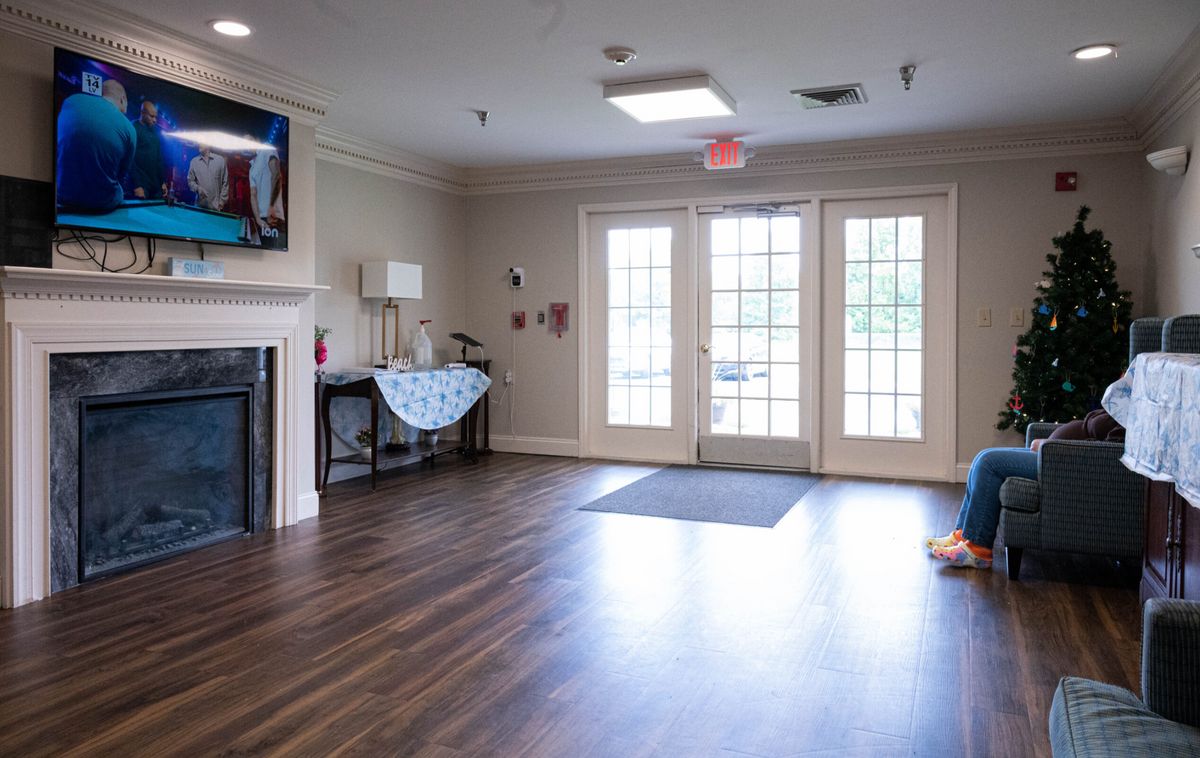
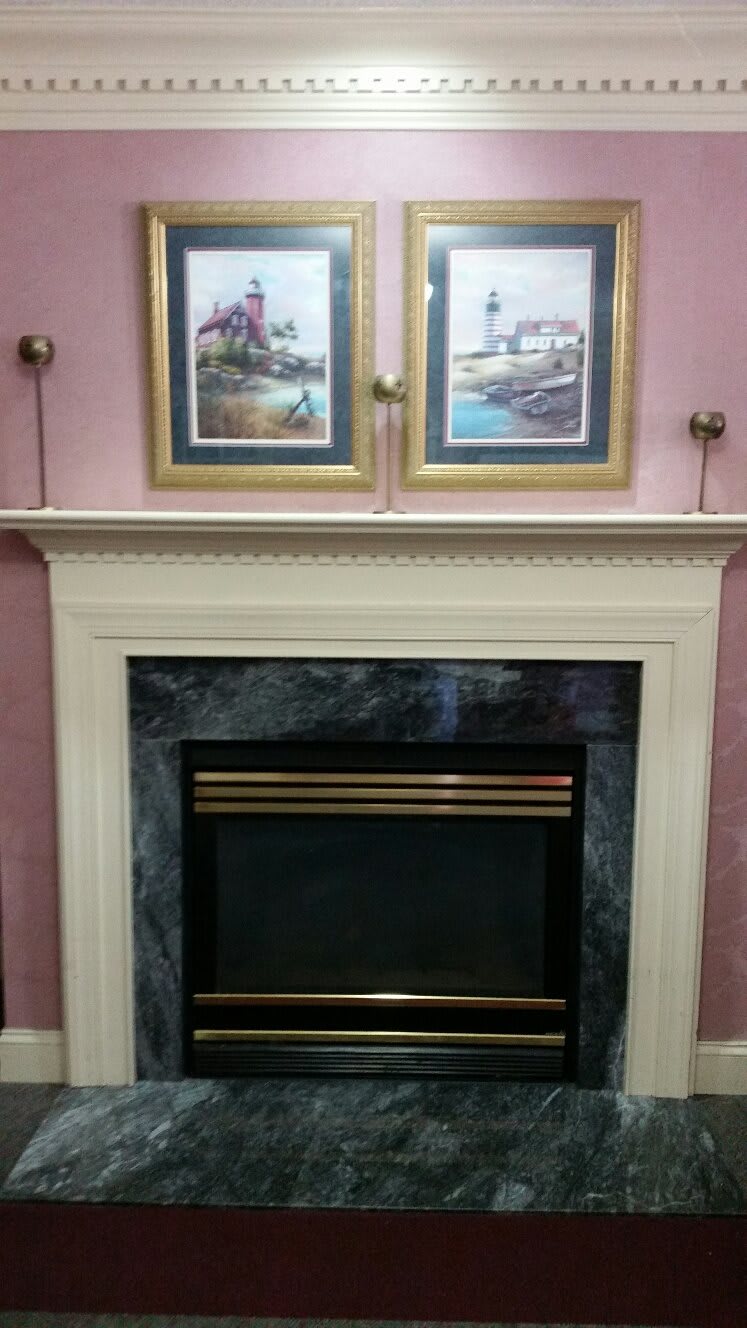
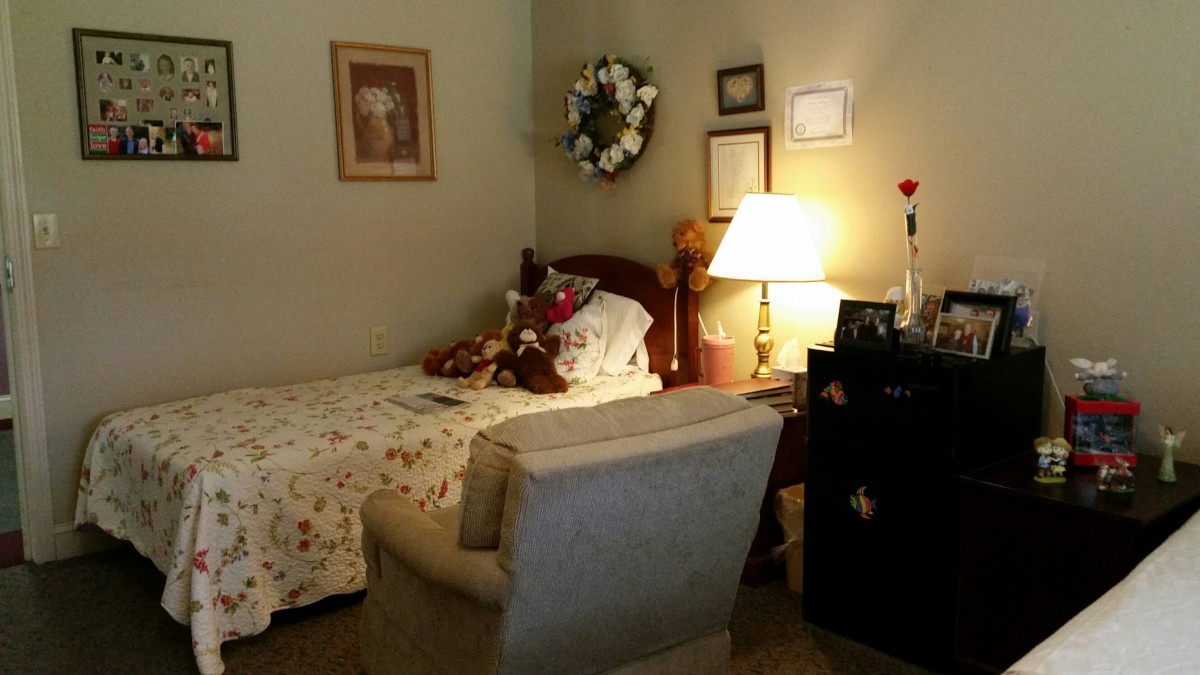
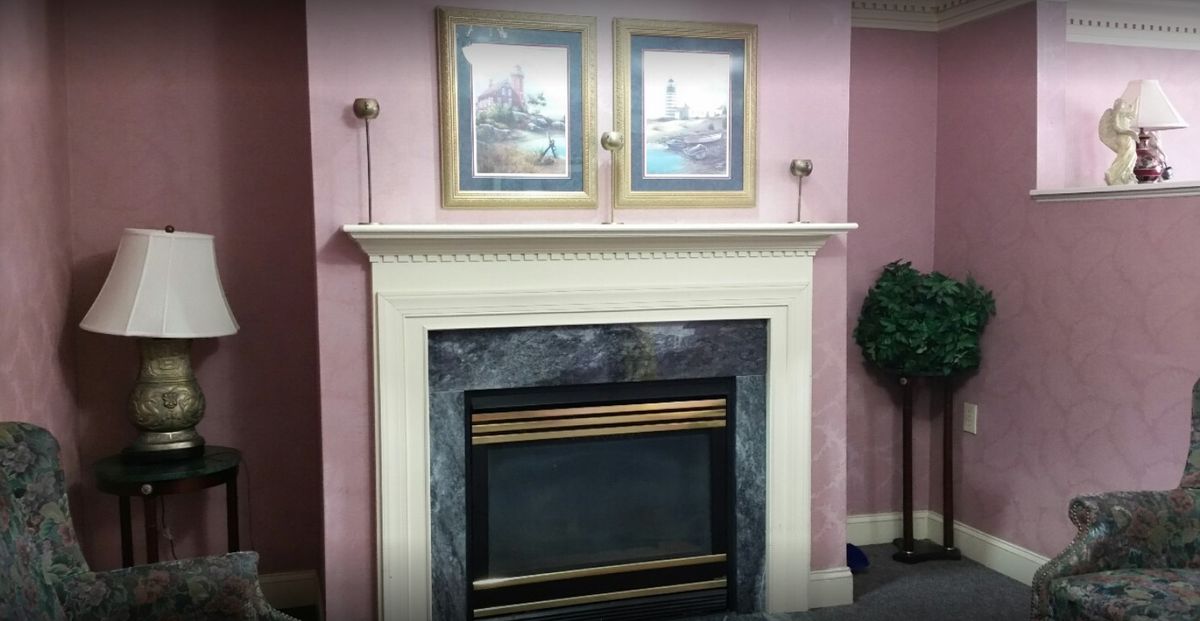
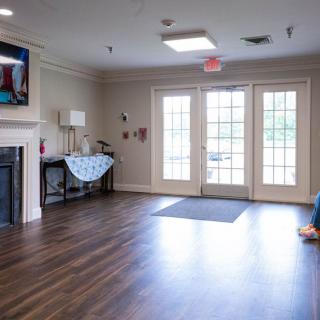
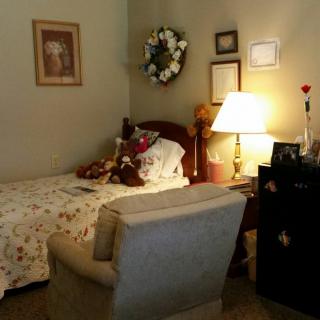
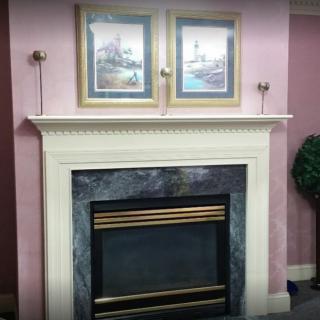
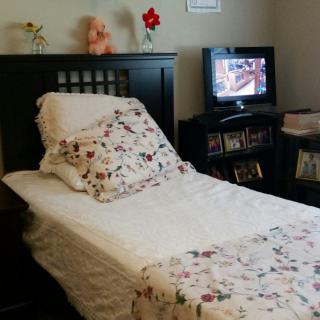
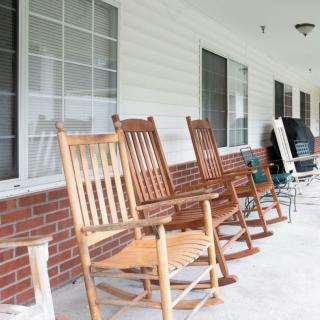
The core strengths coming through in the feedback are concrete and practical. The staff are described as friendly and ready to help, with a clear emphasis on taking care of the resident. This is more than courtesy; it signals a reliable, easy-to-reach caregiving team that families can count on during challenging moments or everyday tasks alike. The facility itself is portrayed as “great” and evidently well maintained, with common areas and spaces that convey a sense of order, safety, and comfort. In a market where consistency can feel elusive, these two pillars, caring staff and a solid environment, create a strong platform for daily living, meals, personal routines, and social interaction.
Where these strengths meet the practical realities of choosing care, the positives offset typical concerns quite effectively. Strong, accessible staff reduces caregiver strain for families and can shorten the decision cycle when it comes to trusting someone with daily activities, medication reminders, and safety checks. A well-maintained facility reinforces confidence that the setting itself won’t undermine well-being, from clean, navigable spaces to reliable safety features. Even in the absence of explicit downsides in the reviews, it remains prudent to acknowledge that no single community can be perfect for every resident. The real calculus is whether the demonstrated strengths, staff responsiveness and a quality physical environment, deliver the stability and peace of mind sought by families.
To translate this into a decision-driving checklist, focus on what matters most in practice. Verify staffing patterns and ratios across shifts to confirm the level of hands-on assistance available during mornings, evenings, and weekends. Inquire about the care plan process: how resident needs are assessed, how often plans are updated, and how families are kept informed. Probe meal service quality, dietary accommodations, and the variety of social and cognitive activities offered, ensuring there are options aligned with the resident’s interests and engagement level. Ask about transportation for appointments and out-of-facility activities, and clarify what on-site medical oversight or visiting clinicians are available. Finally, request candid references from families currently living there to understand day-to-day life beyond observed strengths.
If a decision favors strong caregiving and a trusted environment in a cozy, small-community setting, Ahoskie House stands out as the clear option. It offers dependable staff, a welcoming facility, and a track record of positive experiences that translate into tangible comfort for residents and reassurance for families. However, for those whose loved one’s needs skew toward high-acuity medical care, dementia-specific programming, or a broader urban ecosystem of services, it makes sense to compare a few alternative communities before committing. Ahoskie House merits serious consideration for those prioritizing steadiness, personal attention, and a home-like pace over scale or clinical intensity. A thoughtful tour and targeted questions will seal whether this is the right fit.
 60 resident community capacity
 Assisted Living
 Memory Care
 Activities on-site
 Air-conditioning
 Beauty salon
 Cable or satellite TV
 Computer center
 Devotional services off-site
 Dining room
 Fitness room
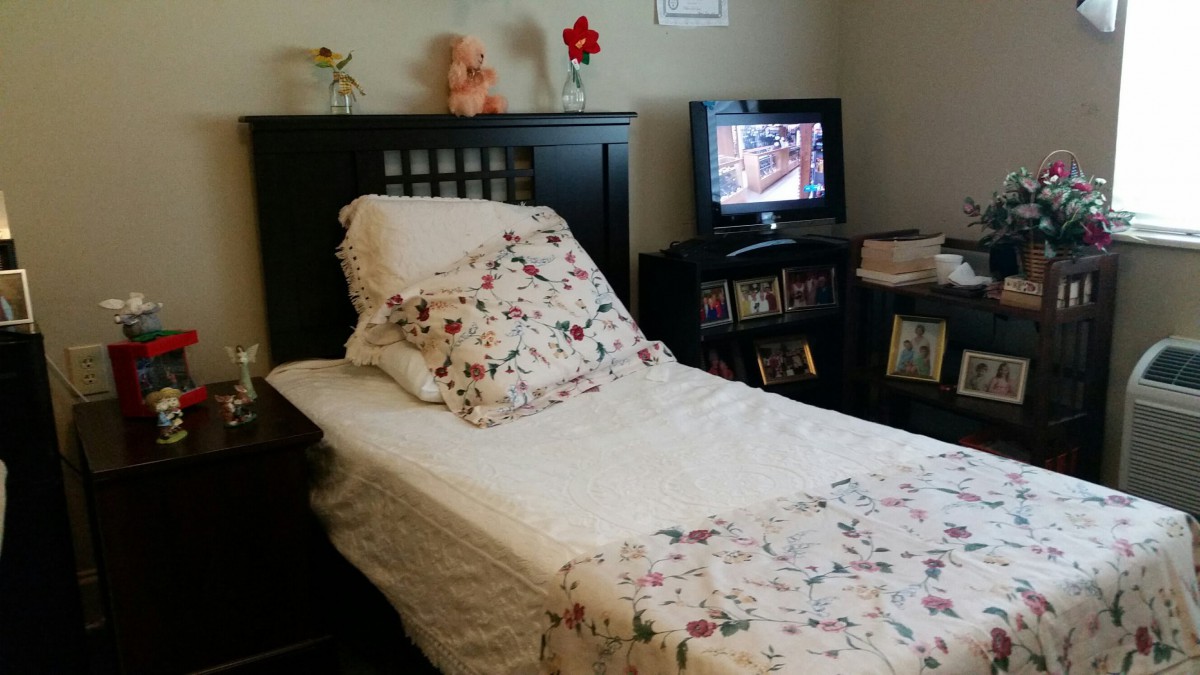
 Fully furnished
 Gaming room
 Garden
 Housekeeping services
 Indoor common areas
 Kitchenette
 Move-in coordination
 Outdoor space
 Private bathrooms
 Restaurant-style dining
 Small library
 Telephone
 Wellness center
 Wi-Fi/high-speed internet available
 Community operated transportation
 12-16 hour nursing
 24-hour call system
 Ambulatory care
 Assistance with bathing
 Assistance with dressing
 Assistance with transfers
 Diabetes diet
 Diabetic care
 Medication management
 Mental wellness program
 Special dietary restrictions
 Concierge services
 Planned day trips


 Dementia-Related Hallucinations: Causes, Experiences, and Practical Approaches
 Illuminating Insights About Alzheimer's Disease: Ten Crucial Realities
 A Thorough Discussion of Medications Potentially Linked to Dementia Risk