
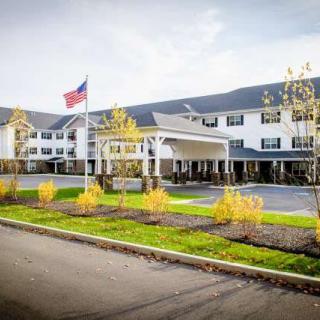
2 Carondelet Dr, Watervliet, NY 12189
To contact a resident: (518) 783-0444
For more information about senior living options: (866) 208-4318
Overall Review of Carondelet Commons Senior Apts
Pros
 There are some very nice neighbors.
- The maintenance guy is nice and thorough.
- The locale is convenient for car owners.
Cons
 The complex has signs thanking tenants for not smoking, yet smoking occurs daily.
- The apartments may be inexpensive, but residents still get what they pay forā€”a poor value.
- Corridors smell like smoke, and in the mornings the bathroom smells like an ashtray.
- A number of issues that would be serious violations in a normal building continue to exist at Carondelet.
- For people with multiple chemical allergies, the place is not suitable due to a constant smoke smell in a non-smoking building, with a nine-month burning sensation on the tongue.
- The maintenance staff is overwhelmed by the workload.
- The only way the apartment could be non-toxic is by bulldozing it.
- Second- and third-hand smoke are described as more toxic than first-hand smoke, highlighting a serious health concern.
Review
This community is best suited for budget-minded seniors who own a car and prioritize affordability over pristine air quality or polished upkeep. The appeal rests in a low rent bracket and a location that remains convenient for drivers navigating the Watervliet area. It is not a place for the chemically sensitive or anyone who expects a true non-smoking environment to be enforced. In practice, persistent smoke odors seep through hallways and apartments, so independence here comes with the tolerance for indoor smoke and its lingering effects on daily living. Potential residents should understand that cost savings come with tradeoffs in air quality, maintenance pace, and building upkeep.
Those who may want to consider alternatives include seniors with chemical allergies, asthma, or sensitivity to secondhand smoke who could experience lasting tongue-burning or throat irritation from odors. Individuals who need a consistently clean, well-maintained environment or who rely on reliable, formal enforcement of policies will likely be disappointed here. Also, families seeking a building with active, visible management and proactive maintenance rhythms may wish to look elsewhere. Finally, seniors who plan to depend on public transportation or who would prefer a transit-centric setup may find more suitable options in other communities.
On the upside, rent is inexpensive, and there is a sense of neighborly potential in a compact community. A resident notes that the maintenance person is nice and thorough, even if he is overwhelmed by the workload. For a resident who can tolerate a smoky atmosphere, these elements can provide basic independence and utility without stretching the budget. The car-friendly location remains a practical advantage for groceries, medical appointments, and errands that otherwise would be more challenging in a stricter, higher-cost setting. In short, the financial bottom line works for some, and the practical conveniences are real, but air quality hinges on issues beyond routine upkeep.
Yet the main drawbacks dominate the equation. The building operates like a non-smoking facility in name, yet smoke intrudes in corridors and even appears in mornings as ashtray-like residues in the bathroom. The odors are not a minor nuisance; they create health concerns for anyone with chemical sensitivities and can trigger respiratory or mucous irritation. The reviews repeatedly flag serious violations that persist, eroding confidence in safety and maintenance responsiveness, even as a long-term home option. Maintenance is described as spread thin, with the single maintenance professional besieged by work, which translates into slow response times and deferred fixes. These factors collectively undermine any budgetary savings and cast a long shadow over daily living.
From a decision-making perspective, the affordable rent only goes so far when air quality and safety concerns are constant. For a senior who can tolerate odors and does not have chemical sensitivities, this site may meet basic housing needs on a tight budget, at least temporarily. For most families prioritizing health, comfort, and predictable maintenance, the offset is insufficient. The reality is a trade-off between cost and a living environment that feels managed but not well controlled; the value hinges on the ability to tolerate ongoing odors and the potential risk of overlooked repairs. The bottom line is that price alone cannot compensate for chronic odors and the sense of policy gaps that let maintenance and safety issues linger.
Prudent next steps involve practical verification: arrange a visit focused on air quality, odor patterns at different times of day, and whether the no-smoking policy is actively enforced. Ask about recent maintenance responsiveness and whether there are concrete plans to improve indoor air or replace carpeting or fixtures contributing to odors. Compare with nearby independent living options or 55+ communities that enforce stricter no-smoking rules and provide more proactive on-site management. If cost remains the deciding factor, weigh the likelihood of long-term dissatisfaction against short-term savings, and consider whether creating a more tolerable environment elsewhere would justify the extra expense. In short, this property best serves a budget-first buyer who can live with smoke-related realities; otherwise, steering toward alternatives that deliver cleaner air, more dependable maintenance, and firmer policy enforcement is the prudent course.
 Active Adult Communities (55+)
 Albany Cty (4 miles away)
 Essential Knowledge on Pneumonia in Older Adults
 Exploring Palliative Care in the Home: A Comprehensive Overview
 Comprehensive Insights into Palliative Home Care: What It Is and What to Expect