
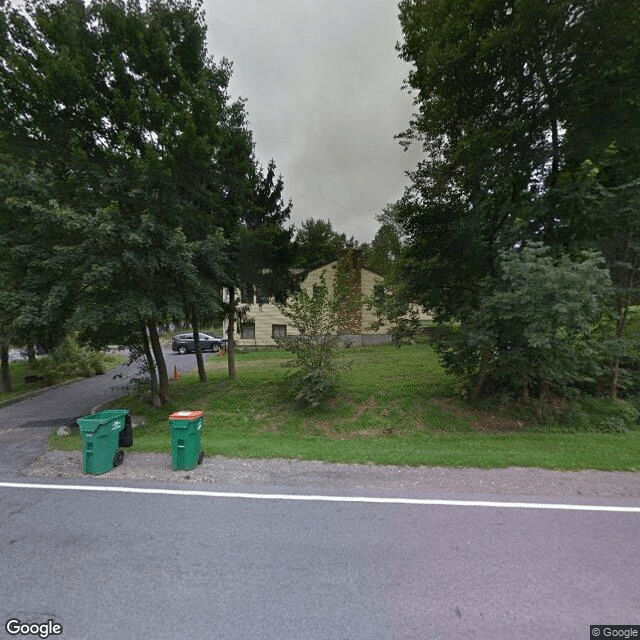
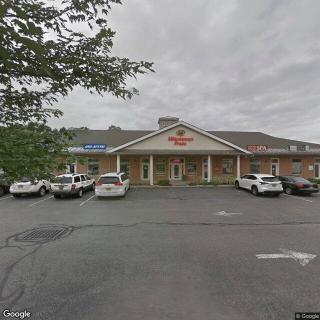
394 Old Hopewell Road, Wappingers Falls, NY 12590
For more information about senior living options: (866) 208-4318
Pine Ridge Family Type Home Costs & Pricing
Pine Ridge Family Type Home offers a range of living arrangements with costs that reflect the unique environment and services provided. For semi-private accommodations, residents can expect to pay $6,000 per month, which is notably higher than the average monthly rates for both Dutchess County ($4,499) and New York State ($4,389). Private rooms at Pine Ridge are priced at $6,500, again exceeding the local county average of $5,000 and the state average of $5,159. Similarly, their one-bedroom units also come in at $6,500, compared to $5,066 in Dutchess County and a lower statewide average of $4,307. These pricing structures indicate that while Pine Ridge Family Type Home may be on the higher end in terms of cost within its region and state, this likely reflects the quality of care and specialized services available to its residents.
| Floor plans | Pine Ridge Family Type Home | Dutchess County | New York |
|---|---|---|---|
| Semi-Private | $6,000 | $4,499 | $4,389 |
| Private | $6,500 | $5,000 | $5,159 |
| 1 Bedroom | $6,500 | $5,066 | $4,307 |
Memory care communities with a similar price nearby
-
from +$900 / mo
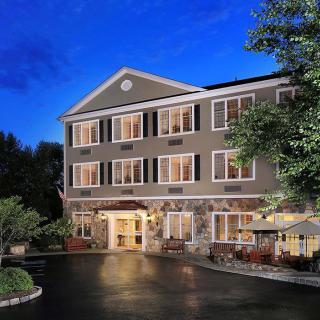
Maplewood At Danbury
$6,900 to $7,650 / month24.8 miles away -
from -$200 / mo
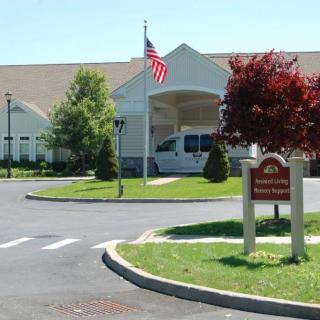
Yorktown Assisted Living Residence
$5,800 to $11,500 / month20.2 miles away
Overall Review of Pine Ridge Family Type Home
Pros
 Pine Ridge is awesome.
- It is a wonderful place and a perfect solution for the mother.
- The staff are kind, caring, and attentive.
- Residents are treated like family and a real family atmosphere is created.
- The care for residents with dementia is excellent and staff are skilled in dementia care.
- Staff answer questions promptly and keep families informed about supplements and medications.
- Pine Ridge is highly recommended for its small, six-resident, family-like environment.
- Residents dine together and share activities; meals smell delicious.
- A doctor visits regularly, and podiatry and hairdresser services are available.
- Pricing is fair.
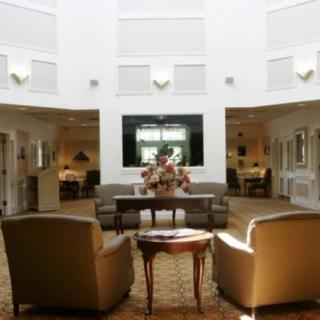
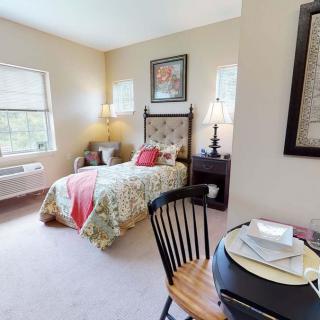
- The home is neat and clean, with private rooms and a spacious common area.
- Carmen runs the house and the staff are awesome; residents are very happy and feel safe and loved.
Cons
 There are too many stairs for going to doctor appointments.
- The home smelled.
- The house was dark and had no wheelchair access.
- Staff do not take residents to MD appointments or outings.
- The room is semi-private.
- The small adult care home environment left the reviewer unsure about suitability.
- The staff could use another person when one of them is away.
- The mother would not care for it.
Review
Pine Ridge Family Type Home in Wappingers Falls is best suited for families seeking a small, intimate, home‑like setting for an elderly loved one who needs dementia care or steady daily support, and who value close communication, warm, family-style routines, and highly personalized attention. It works best for residents who thrive on a predictable, homelike cadence, meals together, shared activities, and a sense of belonging within a tight-knit group. This is not the right pick for those who require extensive mobility accommodations, frequent outings, or a facility with the scale and resources of a larger campus.
The strongest case for Pine Ridge rests on its core strengths: a truly intimate environment where staff members treat residents like family. With a small resident count, care feels highly individualized, and staff can monitor mood, medication, and daily needs with consistency. Families repeatedly note real, ongoing contact, daily updates about how a loved one is doing, timely answers to questions, and proactive management of supplements or medications. The house operates with a gentle, attentive rhythm: nutritious meals, communal meals and activities, and a sense of safety that comes from real familiarity between residents and caregivers. The home also emphasizes family involvement, with arrangements such as regular visits from professionals (doctors, podiatry) and even convenient services like in-house hairdressing and Holy Communion if desired. This combination creates a soothing, predictable stage for those navigating dementia or other cognitive needs.
Yet, several practical drawbacks surface in reviews that potential families should weigh carefully. The property’s physical layout and design are not ideal for every mobility level: stairs can complicate access to medical appointments or other outings, and some visitors describe the home as lacking wheelchair access. A few visitors also flagged a scent or odor and noted that the ambiance can feel less clinical or less airy than larger facilities. Staffing coverage can become a concern when a worker is away, suggesting that deeper bench strength would reduce gaps in supervision. Finally, there are mixed signals about external transportation for appointments or activities: some reviewers appreciate on-site medical visits and near-term care coordination, while others point out that staff do not routinely escort residents to external appointments or outings. These consistency gaps matter for families prioritizing mobility and community engagement.
Despite these caveats, the pros can decisively offset the cons for the right match. For dementia care, the depth of personal attention matters far more than campus size: caregivers who know routines, preferences, and subtle changes in cognition can intervene quickly, reduce agitation, and tailor activities to individual interests. The small, family-like setting reduces isolation and fear, helping residents feel safe and cared-for. Regular on-site medical touchpoints, alongside access to specialists who visit, keep medical oversight meaningful without driving residents into a clinical atmosphere. The presence of meaningful extras, daily contact with families, convenient services like hair appointments, and religious observance, adds layers of comfort and continuity that larger facilities often struggle to match. When the priority is genuine, steady companionship and a warm home atmosphere, the advantages frequently outweigh the logistical inconveniences.
For families that require robust accessibility, frequent external outings, or round-the-clock staffing with broad coverage, alternatives deserve careful consideration. Those whose loved ones depend on easy wheelchair access, multiple floor plans, or immediate, reliable transport to doctor visits and social activities may find Pine Ridge falls short of expectations. Similarly, families seeking a memory‑care campus with ample staff shifts, transportation logistics, and a wider menu of medically oriented services should evaluate larger assisted living or dedicated memory‑care communities. The choice hinges on balancing the emotional and social benefits of a tiny, close-knit setting against the practical needs of mobility, transportation, and year-round staffing.
In the end, the decision should hinge on three questions: is the resident most comfortable in a home-style, intimate environment where staff know their name and daily rhythms; can mobility and transportation needs be met within this framework; and does the family value the ease of daily communication and personalized care enough to overlook the limitations of space and staffing coverage? If the answer leans toward yes, Pine Ridge offers a rare, heartfelt option where residents live like family, caregivers respond with immediacy, and care feels personal to a degree unmatched by larger operations. If not, the prudent move is to explore other communities that prioritize accessibility, transportation, and broader medical support, while still keeping an eye on the warmth and attentiveness that Pine Ridge routinely demonstrates.
 6 resident community capacity
 Assisted Living
 Board and Care Home
 Memory Care
 Cats allowed
 Dogs allowed
 Activities on-site
 Air-conditioning
 Bath tubs
 Cable or satellite TV
 Devotional services off-site
 Dining room
 Fully furnished
 Garden
 Housekeeping services
 Indoor common areas
 Move-in coordination
 Outdoor common areas
 Private
 Private bathrooms
 Respite or short term stays offered
 Telephone
 Wheelchair accessible showers
 Wi-Fi/high-speed internet available
 Stewart (13 miles away)
 24-hour supervision
 Ambulatory care
 Assistance with bathing
 Assistance with dressing
 Assistance with transfers
 Diabetes diet
 High acuity care
 Hospice waiver
 Incontinence care
 Meal preparation and service
 Medication management
 Mental wellness program
 Special dietary restrictions
 Transportation arrangement (medical)
 Transportation to doctors appointments
 BBQs or picnics
 Birthday parties
 Catholic services
 Jewish services
 Light therapy programs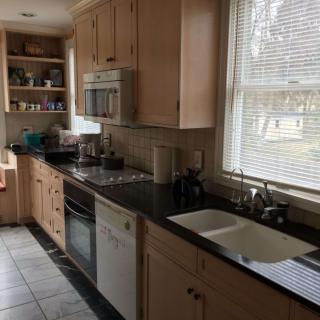



 How to Communicate with a Loved One Living with Dementia: 10 Supportive Strategies
 Comprehensive Guide to VA Nursing Homes: A Crucial Long-Term Care Resource for Veterans
 Estimating the Expenses of At-Home Dementia Care: A Detailed Exploration